Search Results for: floor sand paper

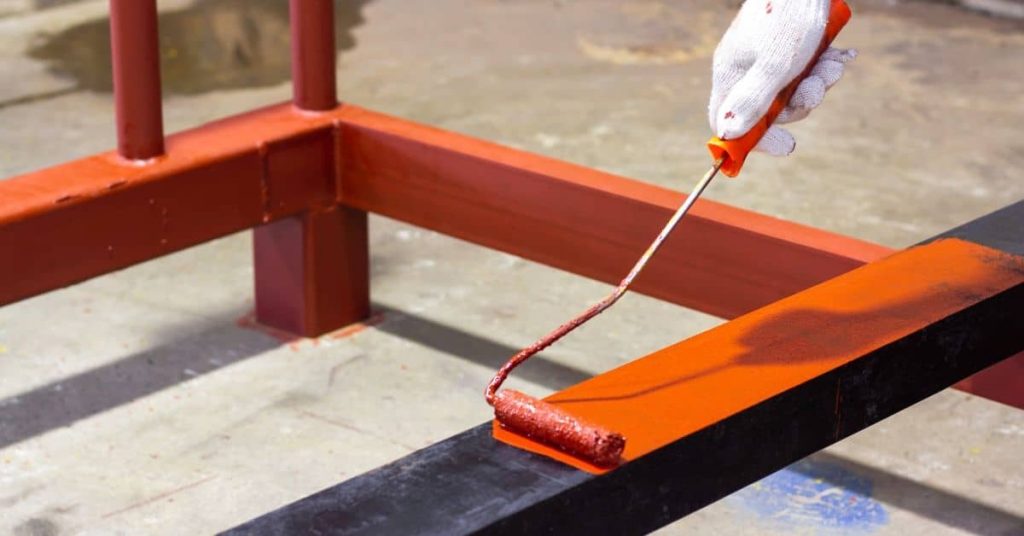
Hand painting metal structure with red paint roller

Painting Behind Radiators: Tools, Edge Control, and Heat-Cycle Considerations

Introduction Painting behind radiators means prepping a tight, hot-prone area so paint adheres and edges stay clean while you work around pipes and fins. It’s a hands-on job of turning off heat, protecting floors and fins, and using the right tools and edge control to reach back surfaces without making a mess. Check paint and […]

Painting Behind Radiators: Tools, Edge Control, and Heat-Cycle Considerations Read More »
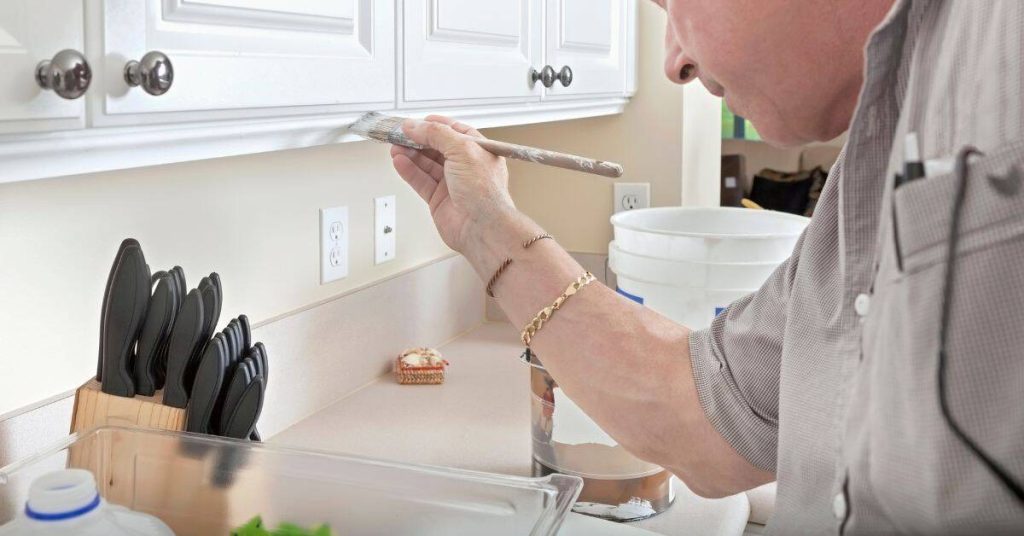
Person painting white kitchen cabinets with brush

Kitchen Paint Durability: Scrub Ratings, Sheens, and Grease-Contamination Prep

Introduction Kitchen paint durability means how well paint stands up to scrubbing, moisture, and greasy hands over time; choose products and prep methods that resist wear and wipe clean. For a DIY job, that means matching paint sheen and scrub rating to the room’s use and tackling grease and dirt before you paint. If you’re

Kitchen Paint Durability: Scrub Ratings, Sheens, and Grease-Contamination Prep Read More »

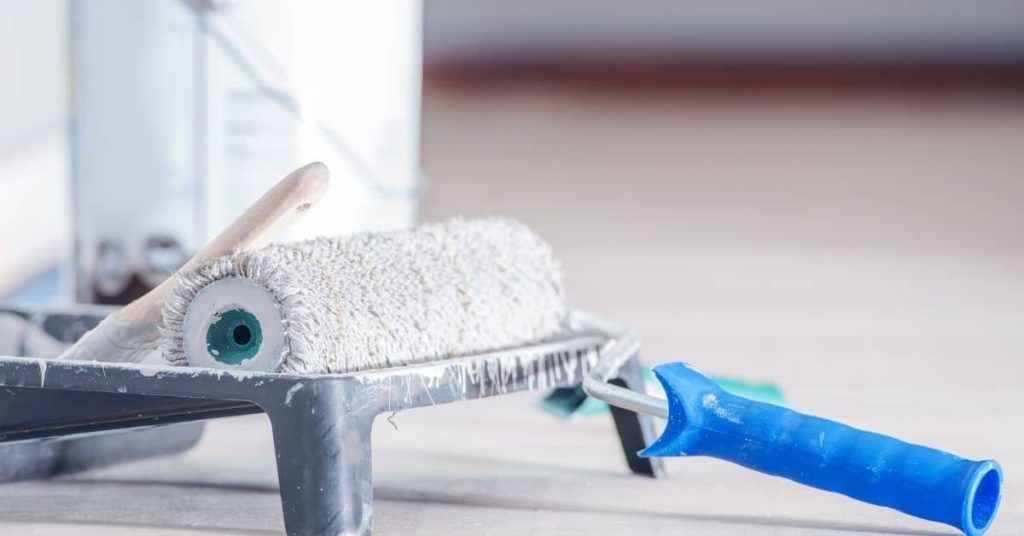
Paint roller with blue handle resting on paint tray

How to Load a Roller Correctly: Coverage, Splatter Control, and Avoiding Dry Roll

Introduction Loading a roller correctly means getting enough paint into the nap so it lays down an even coat without dripping or running. Think of it like charging a sponge: dip, roll out on the tray until it’s saturated but not shedding, and work in manageable sections so you keep the roller loaded. This prevents

How to Load a Roller Correctly: Coverage, Splatter Control, and Avoiding Dry Roll Read More »

White painted horizontal wooden shiplap planks

Clear Coating Painted Surfaces: When It Helps, When It Yellows, and What to Use Instead

Introduction Clear coating painted surfaces means applying a transparent protective finish over existing paint to protect it and change the sheen; it helps when the paint is sound and you want extra durability or a uniform look. Use a clear product compatible with the paint type and follow the manufacturer’s instructions; if you’re unsure about

Clear Coating Painted Surfaces: When It Helps, When It Yellows, and What to Use Instead Read More »

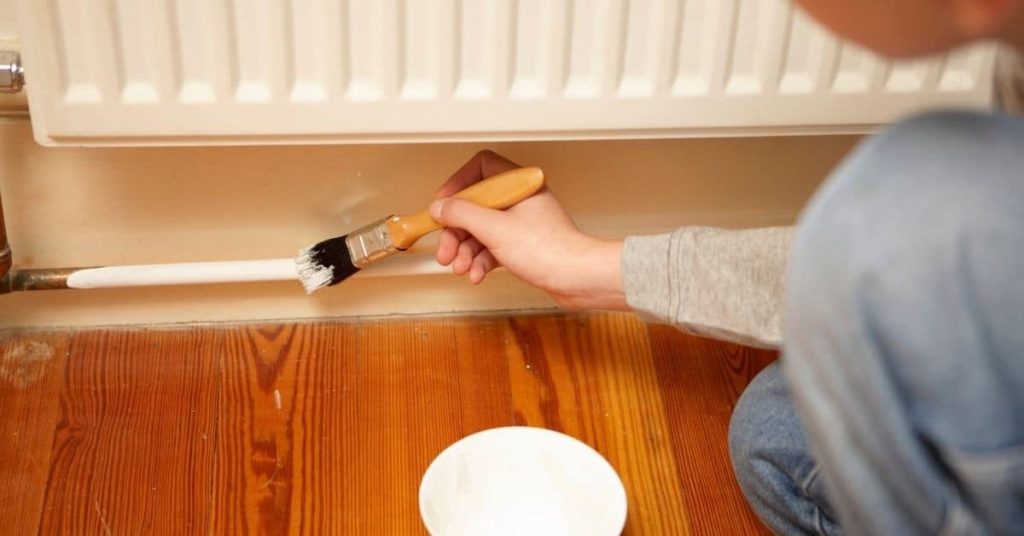
Person painting metal pipe below radiator with white paintbrush

Painting Stainless Steel: Etch Options, Primers, and What Won’t Stick

Introduction Painting stainless steel means making a slick, non-porous metal accept paint by roughening the surface or using the right primer and prep; it’s not impossible but it takes proper etching or a chemically compatible primer. In practical DIY terms you’ll need to clean, degrease, and choose between mechanical scuffing or a metal etch product,

Painting Stainless Steel: Etch Options, Primers, and What Won’t Stick Read More »

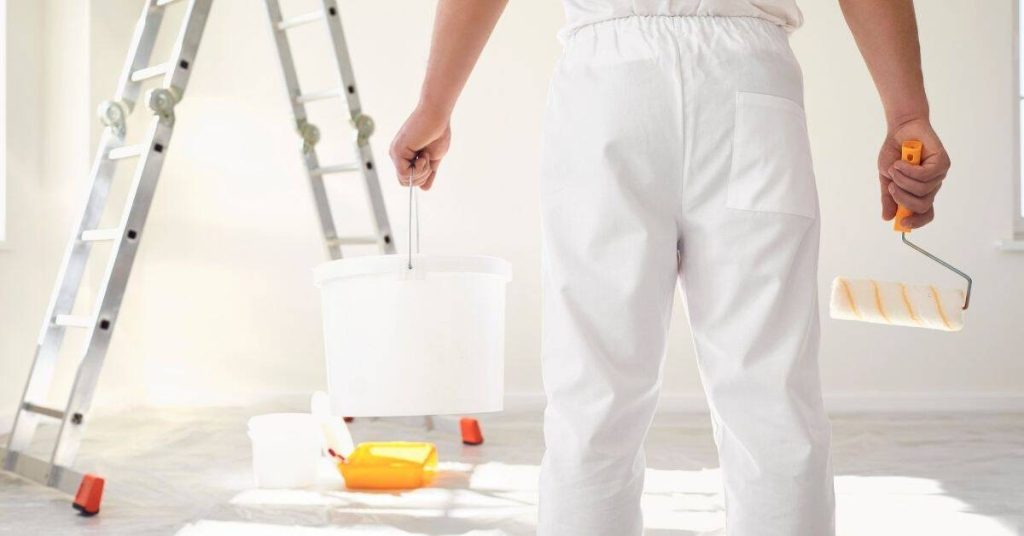
Person in white clothes holding paint roller and bucket near ladder

Painter’s Tape Alternatives: Liquid mask, edge sealers, and when they beat tape

Introduction Painter’s tape alternatives are products and techniques—like liquid masking, edge sealers, and specialty sealants—that block paint or create clean edges where tape isn’t ideal. They work best on irregular surfaces, tight curves, or when tape would lift or leave residue, but check the product label and manufacturer instructions for surface compatibility and drying time.

Painter’s Tape Alternatives: Liquid mask, edge sealers, and when they beat tape Read More »

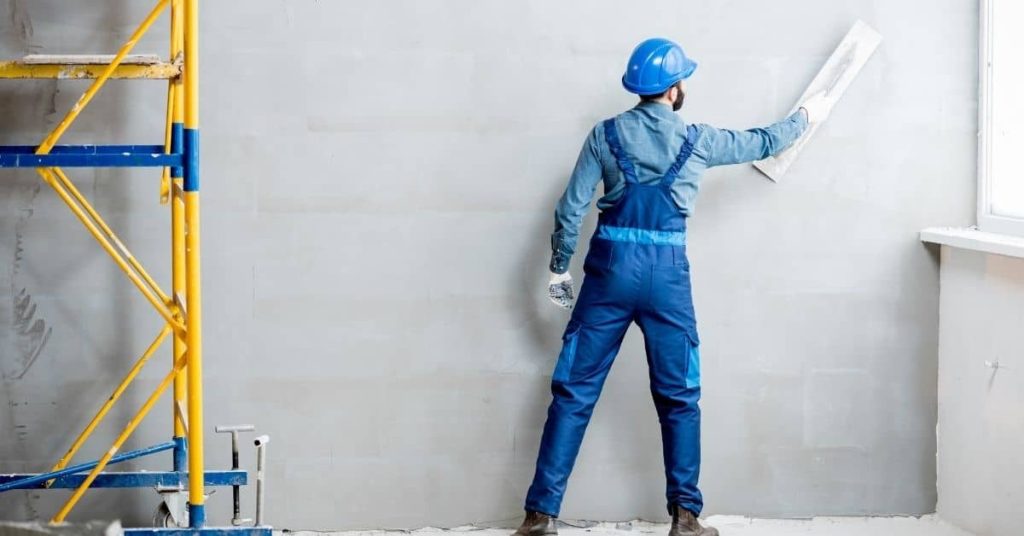
Worker smoothing wet plaster on a gray interior wall

How to Create a Zero-Lap-Mark Wall: Section Planning and Keeping a True Wet Edge

Introduction A zero-lap-mark wall is a layout and pour technique that keeps your fresh plaster or skimcoat from drying in visible steps where new material meets old. It means planning your sections and timing so each pass blends into the next while the edge is still workable. This is a hands-on job that needs steady

How to Create a Zero-Lap-Mark Wall: Section Planning and Keeping a True Wet Edge Read More »

Hand holding paint roller with orange paint above drop cloth

Orange Peel After Rolling: Causes, Fixes, and When Spraying Is Easier

Introduction Orange peel after rolling is a textured, dimpled finish that happens when paint or concrete topping doesn’t level out before it skins over. It’s usually caused by wrong material viscosity, working too slowly, rolling with an unsuitable nap or roller technique, or environmental factors like temperature and humidity. A quick jobsite fix is to

Orange Peel After Rolling: Causes, Fixes, and When Spraying Is Easier Read More »