Search Results for: floor sand paper

Person applying plaster over blue mesh on wall

Reinforcing Plaster at Material Transitions: Mesh Choices That Don’t Telegraphed Through

Introduction Reinforcing plaster at material transitions means embedding the right type of mesh or alternative so the joint won’t crack or show through once the plaster dries. Pick a mesh compatible with your plaster and substrate and follow the product label and common-sense joint detailing to avoid telegraphing. If you’re unsure which mesh to use, […]

Reinforcing Plaster at Material Transitions: Mesh Choices That Don’t Telegraphed Through Read More »
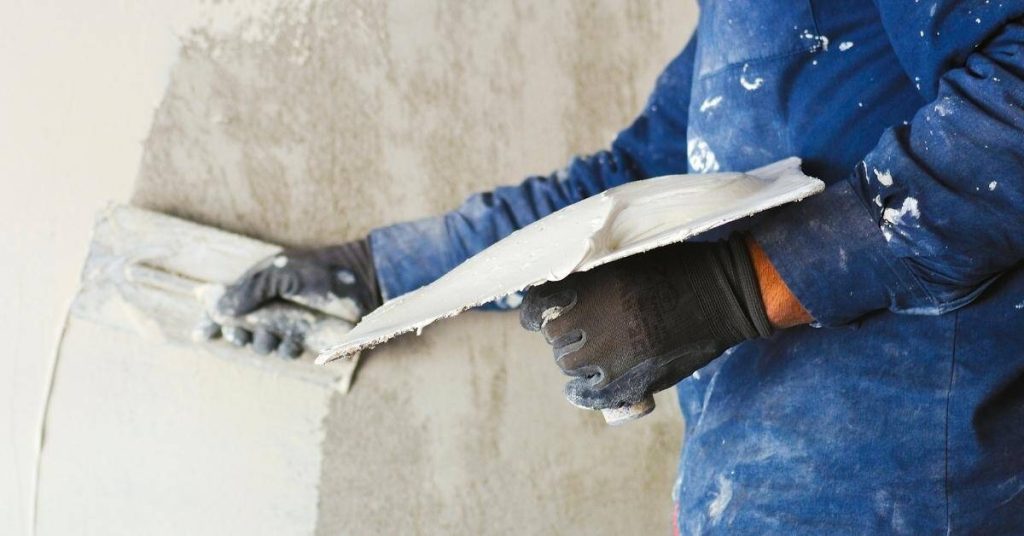
Person applying plaster to wall with trowel and hawk

Plaster Baseboard Dings and Gouges: Fast Patch Options That Don’t Shrink Back

Introduction Plaster baseboard dings and gouges are shallow to moderate damages along the plaster or drywall near the floor that you can tack quickly without later sinking or cracking. In plain terms: pick a stable, shrink-resistant patch material, prepare the area, and feather it to the surrounding surface so the repair bonds and stays flat.

Plaster Baseboard Dings and Gouges: Fast Patch Options That Don’t Shrink Back Read More »

Green paint roller applying green paint on white wall

Plastering Over Old Calcimine Paint: Identification Tests and Bonding Fixes

Introduction Plastering over old calcimine paint means confirming the paint is the flaky, powdery lime-based finish that repels new plaster and then removing or treating it so plaster can bond. I’ll show simple tests to identify calcimine and practical fixes for adhesion problems you can do with common tools. If a product or spec matters,

Plastering Over Old Calcimine Paint: Identification Tests and Bonding Fixes Read More »

Man smoothing plaster on wall with float tool

How to Get Dead-Flat Plaster Walls: Straightedge Checks and Build-Up Strategy

Introduction Getting dead-flat plaster walls means using straightedge checks and a stepwise build-up of layers until any high or low spots are leveled out. It’s a practical process of finding the worst deviations, feathering in material, and rechecking with a straightedge until the surface reads flat to the eye and tool. Expect to use joint

How to Get Dead-Flat Plaster Walls: Straightedge Checks and Build-Up Strategy Read More »

Close-up of paint roller applying white paint on wall corner

How to Paint Over Silicone Contamination: Solvents, Abrasion, and Specialty Primers

Introduction Painting over silicone contamination means removing or isolating slick silicone residue so paint will stick; that can be done with solvents, mechanical abrasion, or specialty primers depending on how much silicone is present. Start by testing a small area to see if solvent or sanding removes the contamination, and always check product labels and

How to Paint Over Silicone Contamination: Solvents, Abrasion, and Specialty Primers Read More »

Open metal can filled with white paint

White Paint Undertones Explained: Avoiding Green, Pink, or Blue Cast in Real Rooms

Introduction White paint undertones are the faint colors hidden in a white that can make a room look green, pink, or blue when light hits the walls. Think of undertones as the paint’s subtle color bias that shows up in real rooms depending on light and surrounding surfaces. Test large swatches on the actual walls

White Paint Undertones Explained: Avoiding Green, Pink, or Blue Cast in Real Rooms Read More »

Paint roller applying white paint on wall

How to Create a Paint Sample Wall Without Ruining Drywall: Removable Boards and Film

Introduction Creating a paint sample wall without ruining drywall means putting paint on removable boards or using a temporary film so the wall itself stays clean. This is a hands-on DIY approach that keeps samples tidy and lets you move or change test spots without patching. Check product labels and manufacturer instructions for attachment methods

How to Create a Paint Sample Wall Without Ruining Drywall: Removable Boards and Film Read More »

Hand dipping paintbrush into white paint bucket

Cutting In on Rough Surfaces: Brush Choice and Edge Tricks That Keep Lines Clean

Introduction Cutting in on rough surfaces means using the right brush and a few edge tricks so your paint lines stay sharp even when the substrate is irregular. In practice that means choosing a brush filament and size that match the material and paint—check the product label and manufacturer instructions for compatibility—and using steady pressure

Cutting In on Rough Surfaces: Brush Choice and Edge Tricks That Keep Lines Clean Read More »

Hand painting wooden cabinet door with blue paint roller

Painting Over Old Limewash: Identification, Neutralization, and Best Primers

Introduction Painting over old limewash can be a challenge due to its unique composition and properties. This guide will help you identify, neutralize, and prime your limewashed surfaces for successful painting. Key takeaways Identify limewash by chalky finish, mineral content, and matte, breathable film. Test adhesion with scrape and moisture penetration before priming. Contain dust,

Painting Over Old Limewash: Identification, Neutralization, and Best Primers Read More »