Search Results for: finishing

Concrete pouring from chute into wooden forms supported by gravel

Concrete Form Blowouts: Why They Happen and How to Brace Forms Properly

Introduction Concrete form blowouts happen when the formwork fails and the surrounding concrete pushes the panels outward. That failure usually comes from excess pressure during pour, weak or undersized supports, or improper form alignment. In plain terms, it’s a sign your braces and setup aren’t handling the load. To prevent it, brace the forms with […]

Concrete Form Blowouts: Why They Happen and How to Brace Forms Properly Read More »
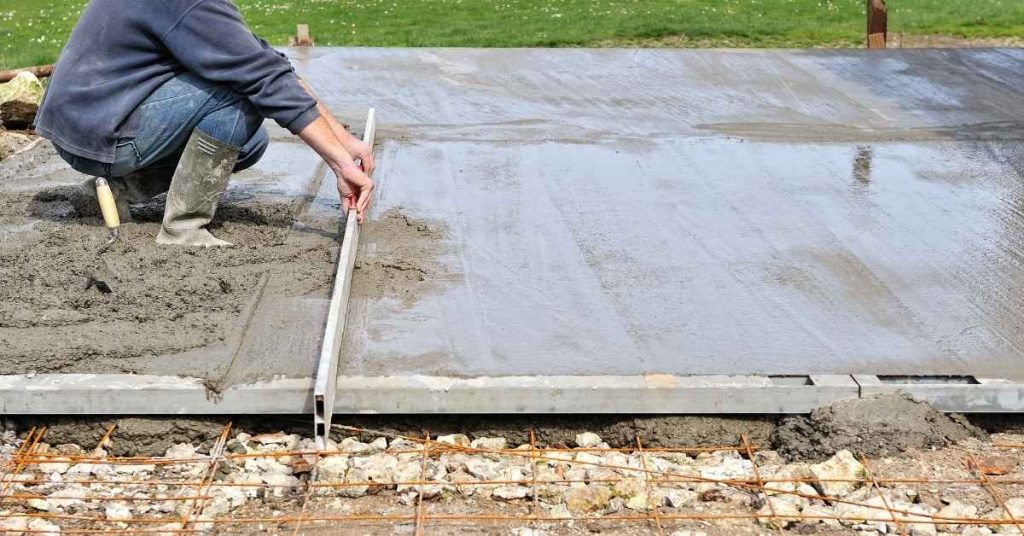
person leveling wet concrete on ground outdoors

Infrared Thermometer for Concrete: What It Can and Can’t Tell You

Introduction An infrared thermometer measures surface temperature without touching the concrete. Use it to spot cold spots, thawing edges, or rapid surface changes during curing, but it won’t reveal internal conditions. Check the device emissivity settings and read the manufacturer instructions for how to use it on concrete. For winter pours, take quick surface readings

Infrared Thermometer for Concrete: What It Can and Can’t Tell You Read More »

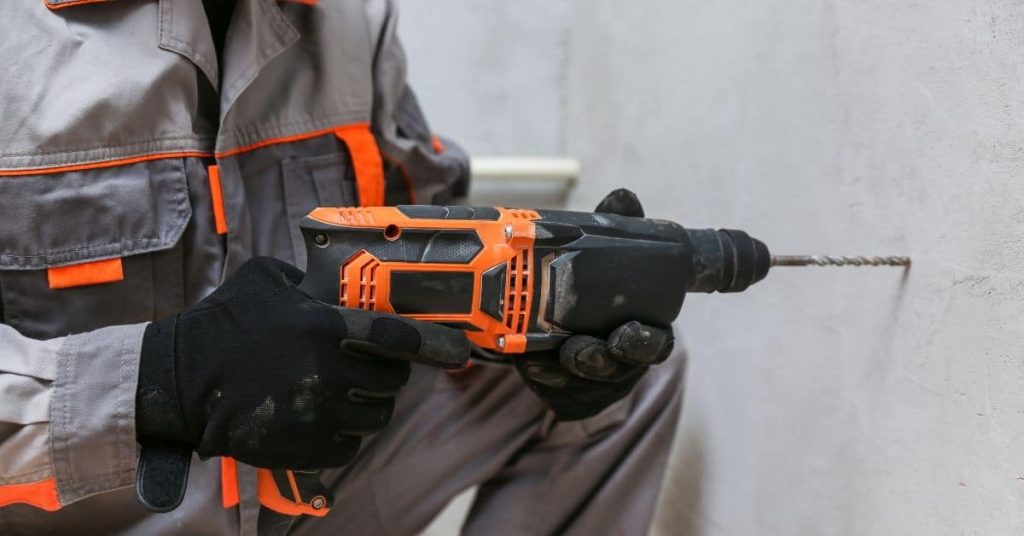
Worker drilling into concrete wall with cordless drill

Concrete Temperature Monitoring: Cheap Sensors That Help You Cure Better

Introduction Concrete temperature monitoring means tracking how hot or cold the mix stays during curing to guide when to finish and moisture cure. Affordable sensors can be embedded or attached to the surface to give real-time readings. Proper curing depends on temperature behavior, and monitoring helps catch excessive heat or slow cooling before it harms

Concrete Temperature Monitoring: Cheap Sensors That Help You Cure Better Read More »

Yellow crane lifting precast concrete panels outdoors

How to Remove a Failed Acrylic Sealer From Concrete Without Etching

Introduction Removing a failed acrylic sealer from concrete without etching means lifting the film without harming the concrete surface. Do this safely with good ventilation, eye protection, and gloves, and follow the product instructions. Your choice of remover depends on the sealer type and the concrete porosity, so always check the label and local rules

How to Remove a Failed Acrylic Sealer From Concrete Without Etching Read More »

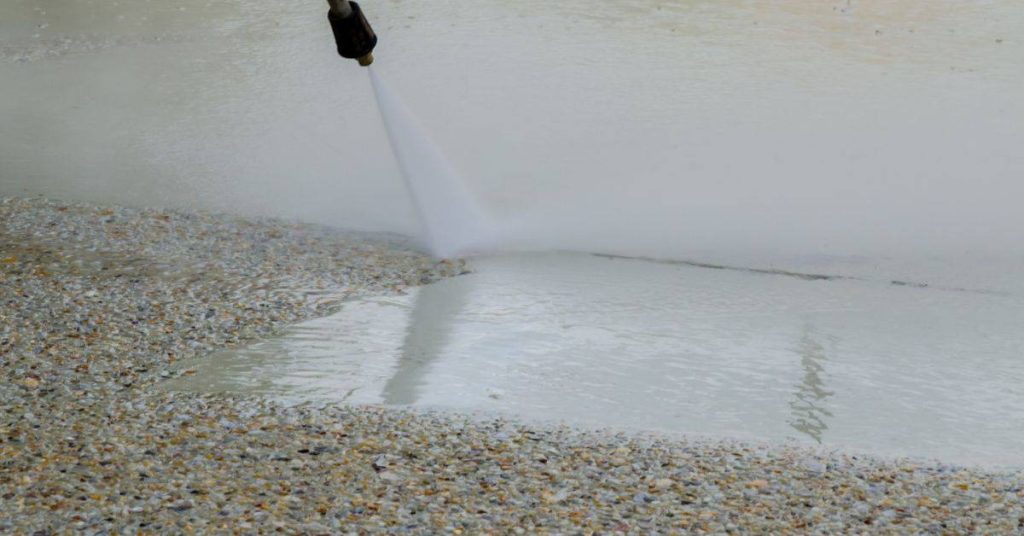
Pressure washing exposed aggregate concrete surface

Exposed Aggregate Finish: Timing, Washing, and Sealing for Long-Term Durability

Introduction Exposed aggregate finish is when you reveal the decorative rocks in fresh concrete by washing away the surface grout at the right time. Plan the pour with your exposure goal in mind, and monitor the surface as it firms so you can decide when to start washing. Have a clear sequence for washing, exposing

Exposed Aggregate Finish: Timing, Washing, and Sealing for Long-Term Durability Read More »