Search Results for: epoxy sand resin

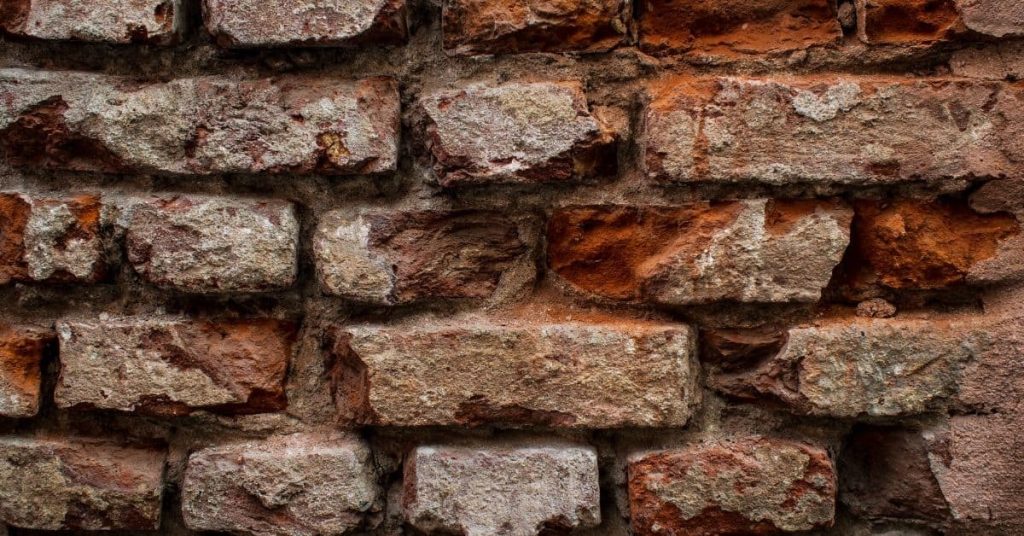
close-up of weathered rough red brick wall texture

Brick step settlement: drainage fixes and reset strategies that hold

Introduction Brick step settlement occurs when the treads move out of level due to soil drainage and footing issues. Identifying stair-step cracks and understanding basic causes helps you decide if a DIY reset is feasible. This guide sticks to plain language and practical steps you can assess on the job. Drainage fixes and reset strategies […]

Brick step settlement: drainage fixes and reset strategies that hold Read More »
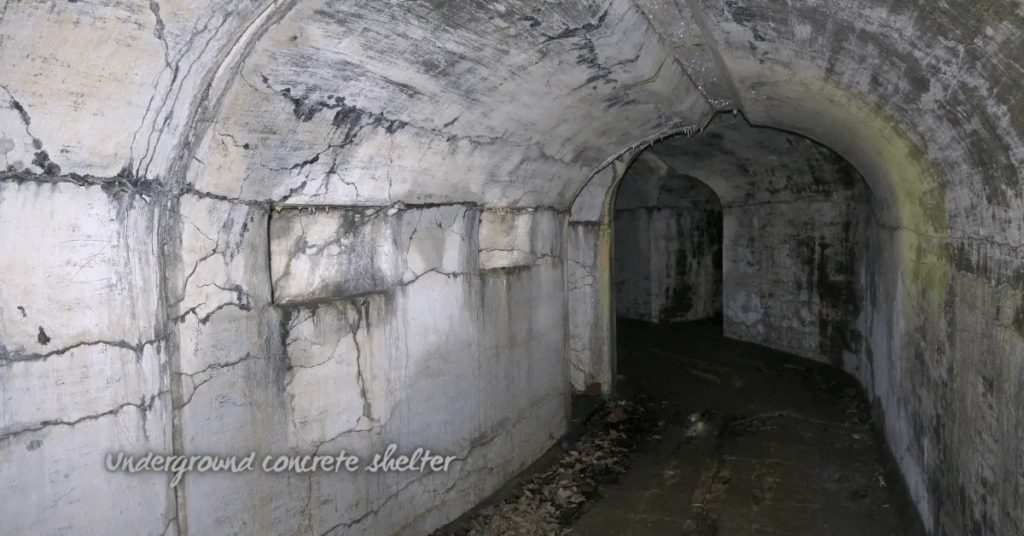
Cracked concrete walls and ceiling inside underground tunnel

Concrete Overlay Vs Full Replacement: a Decision Guide Based on Movement, Moisture, and Thickness

Introduction Concrete overlay is a thin surface layer applied over an existing floor to refresh or repair it without removing the old substrate. Full replacement requires removing the existing concrete and pouring a new slab or substrate. Both options have tradeoffs in durability, cost, and installation time. Choosing between them depends on movement, moisture, and

Concrete Overlay Vs Full Replacement: a Decision Guide Based on Movement, Moisture, and Thickness Read More »

Close-up of concrete slabs with surface bug holes and rough texture

Windy-day crusting on concrete slabs: evaporation reducers and how to avoid surface tears

Introduction Windy conditions can cause rapid evaporation from a freshly poured concrete slab, leading to crusting and surface tears. This crust forms as the outer layer dries faster than the interior, creating a thin, brittle skin. Understanding how wind drives that evaporation helps you plan a safer, smoother finish. Use evaporation reducers and proper curing

Windy-day crusting on concrete slabs: evaporation reducers and how to avoid surface tears Read More »

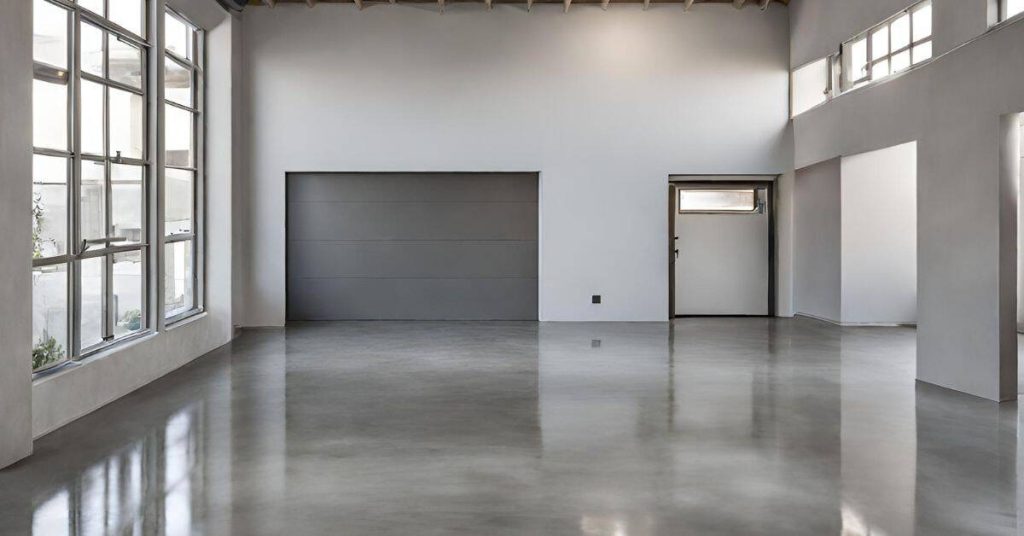
Empty room with smooth polished concrete floor and large windows

Fixing a Bad Concrete Broom Finish: Rescue Tricks for Chatter Marks, Streaks, and Overworked Slabs

Introduction A bad concrete broom finish is an uneven, rough texture on a broom-finished slab with chatter marks and streaks. This article offers practical, hands-on techniques to smooth out the look while preserving the surface integrity. For DIY fixes, assess the surface and plan a remediation approach with simple tools and safe methods. Check guidelines

Fixing a Bad Concrete Broom Finish: Rescue Tricks for Chatter Marks, Streaks, and Overworked Slabs Read More »

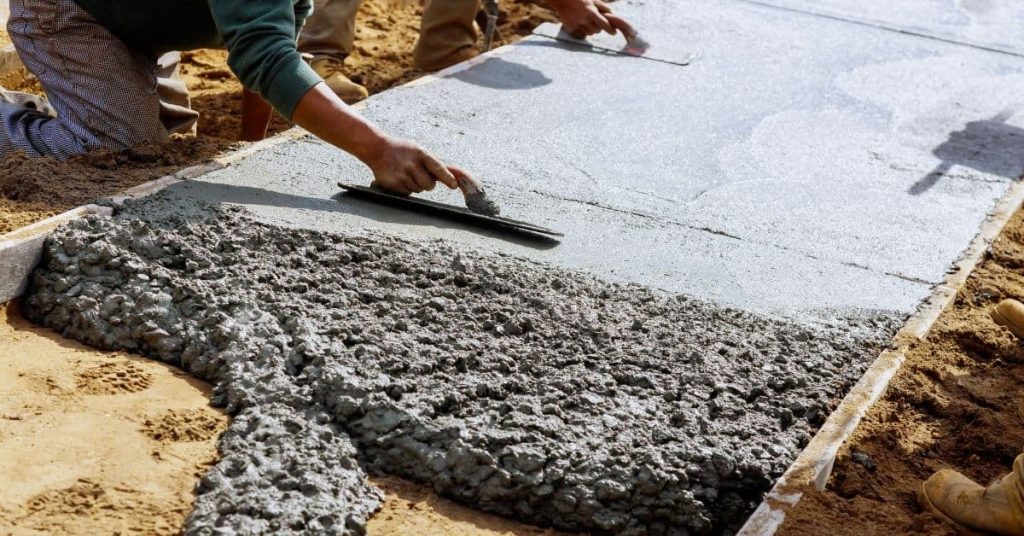
Workers finishing fresh concrete slab with hand trowels

Crazing and hairline map cracks: over-finishing clues and how to keep it subtle

Introduction Crazing and hairline map cracks are very fine, web-like cracks that run across the surface of concrete or plaster. They often look like a spiderweb or tiny branching lines and can appear after finishing when the surface dries unevenly. These marks aren’t structural failure, but they do affect the look and texture of a

Crazing and hairline map cracks: over-finishing clues and how to keep it subtle Read More »

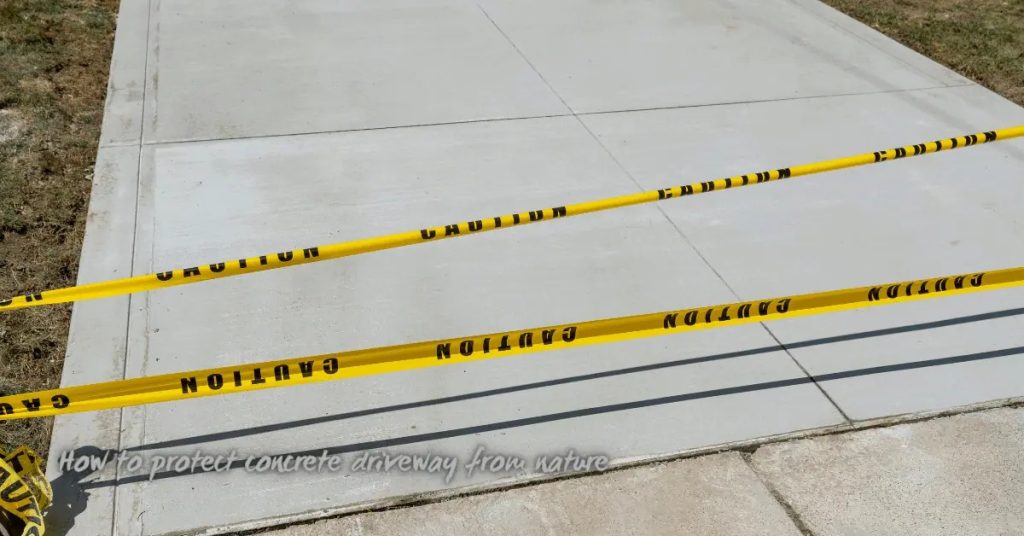
Concrete driveway section blocked by yellow caution tape

Concrete Vapor Barrier Seams and Penetrations: Tape, Patches, and “Oops” Fixes

Introduction A concrete vapor barrier seam is the joined, airtight edge where barrier material meets itself or a patch. Tape and patches are used to seal these seams, and proper technique means clean surfaces, careful pressure, and following the material’s instructions. Penetrations like pipes or conduits must be sealed carefully at the edge where they

Concrete Vapor Barrier Seams and Penetrations: Tape, Patches, and “Oops” Fixes Read More »

curved brick paver pathway with stone wall and landscaping

Brick Paver Edging That Won’t Spread: Restraints, Bedding, and Joint Choices

Introduction Edging that won’t spread is a border for brick paver layouts that stays in place and keeps the line looking sharp. Getting it right means using sturdy restraints, a solid bedding layer, and properly selected joints. Always check the product label and local rules for any installation limits that apply to your area. Choose

Brick Paver Edging That Won’t Spread: Restraints, Bedding, and Joint Choices Read More »

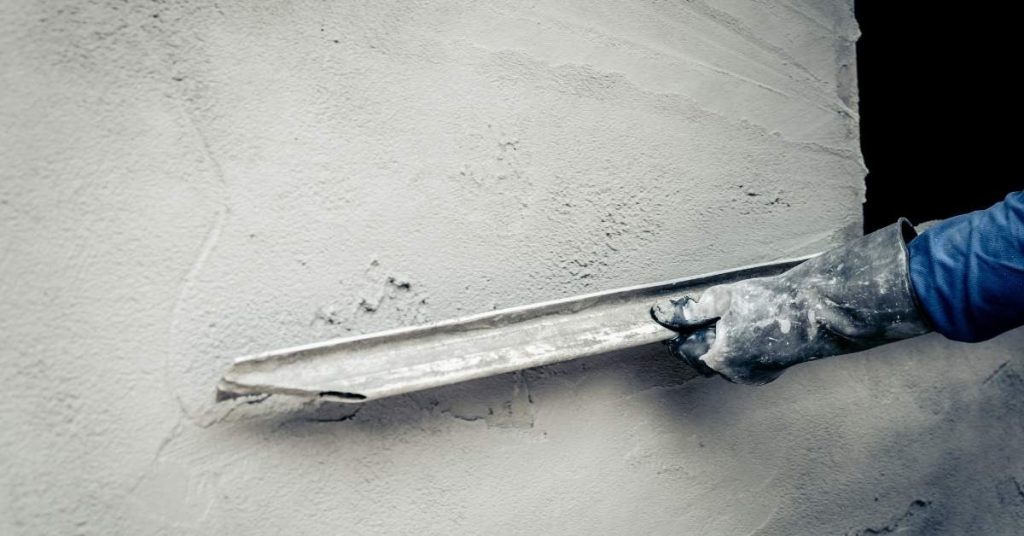
Gloved hand holding a metal trowel against a plaster wall

Hollow-Sounding Plaster Walls: Tap Maps, Key Failure Patterns, and Targeted Stabilization

Introduction Hollow-sounding plaster walls hide voids behind the plaster, so tapping sounds hollow. This usually means the lath or backing has failed or separated from the surface. Understanding this helps you map where stabilization work is needed. To map the problem, tap in several spots and note where the sound is the weakest. Look for

Hollow-Sounding Plaster Walls: Tap Maps, Key Failure Patterns, and Targeted Stabilization Read More »

close-up of deteriorated cracked concrete surface with peeling paint

Repairing Cracked Concrete Block Corners: Stitching vs Rebuild (and where the line is)

Introduction Stitching is a repair method that reinforces cracked concrete block corners without tearing down the wall. It typically uses patch material and stitching along the crack to help hold blocks in place. Check the crack width, water intrusion, and follow the manufacturer instructions and local rules before starting. Rebuild is when you take out

Repairing Cracked Concrete Block Corners: Stitching vs Rebuild (and where the line is) Read More »

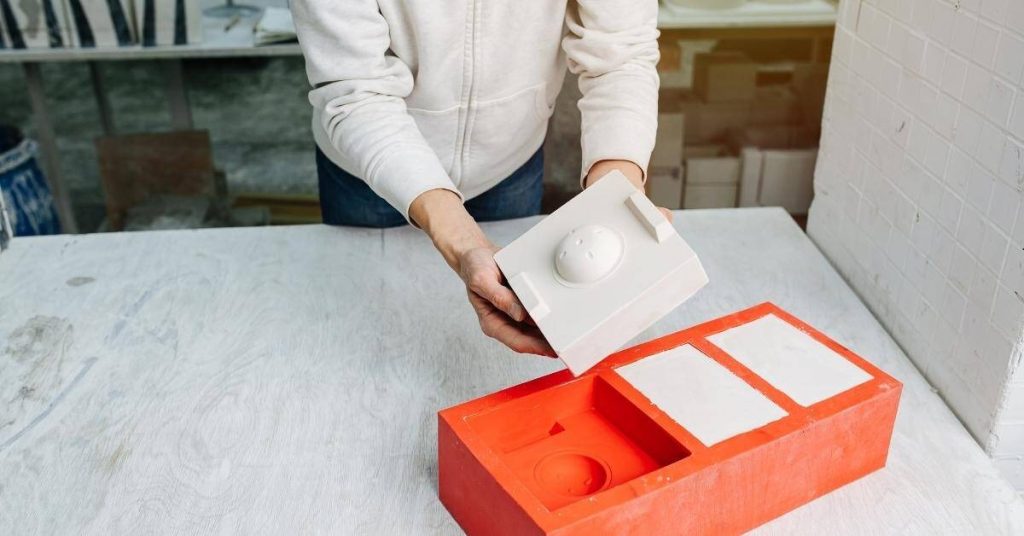
Hands holding plaster mold and casting on white table

Repairing Plaster Medallions and Ornament: Simple Mold Tricks for Missing Details

Introduction Repairing plaster medallions and ornament means recreating missing decorative detail on a plaster ceiling or wall. It starts with shaping a patch of material to mimic the curve and edge you see around the piece, then pressing it in to blend with the surrounding plaster. Take your cues from the existing profile and work

Repairing Plaster Medallions and Ornament: Simple Mold Tricks for Missing Details Read More »