Search Results for: epoxy floor for home

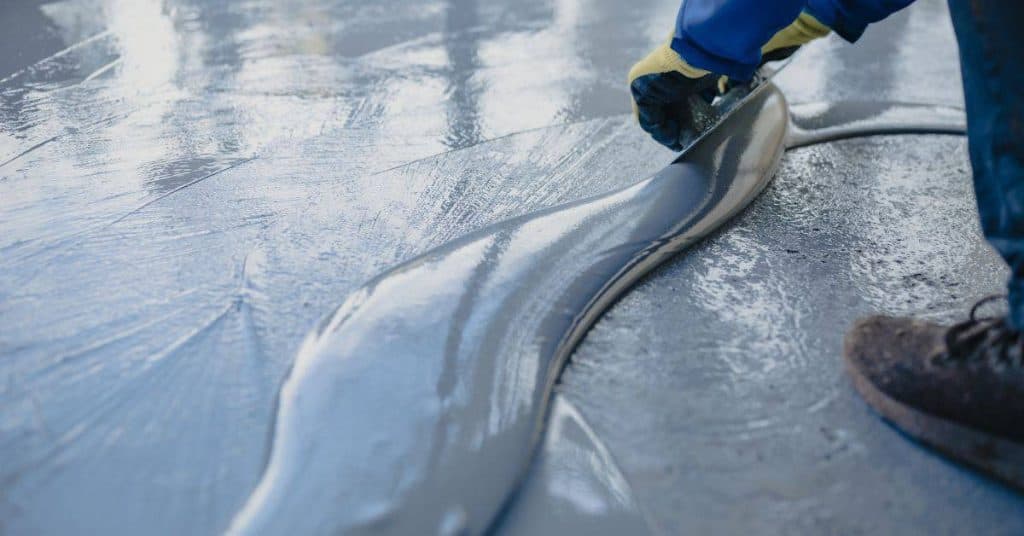
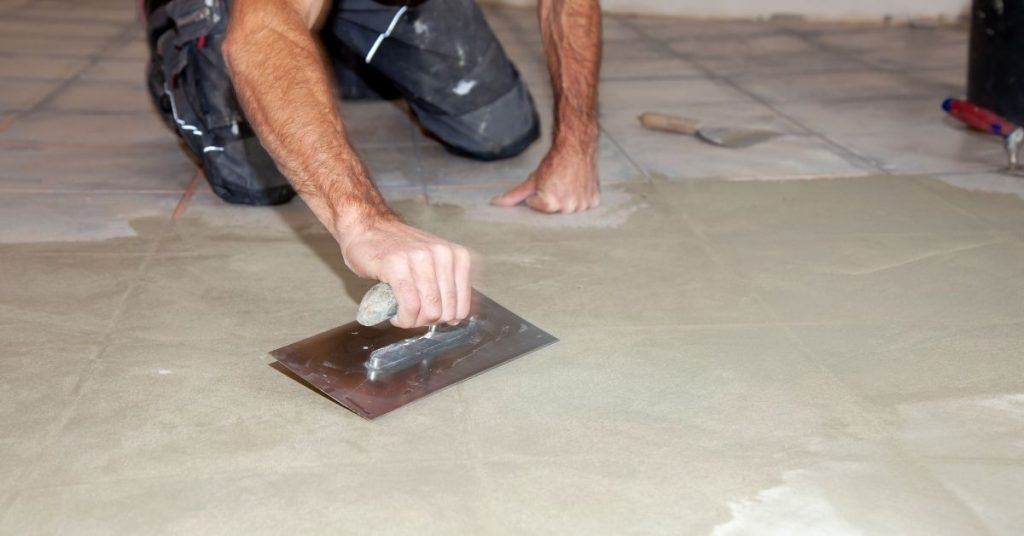
Trowel spreads leveling compound over floor during bathroom prep

Self-Leveling Compound Prep on “Problem Subfloors”: Primers, Seams, and Edge Dams That Stop Leaks

Introduction Self-leveling compound prep on problem subfloors means getting a board-backed surface ready so the liquid compound spreads and cures without running into gaps or flaking off. Think practical steps: pick a primer the compound maker recommends, seal seams and penetrations so water and dust won’t break the bond, and build temporary edge dams where […]

Self-Leveling Compound Prep on “Problem Subfloors”: Primers, Seams, and Edge Dams That Stop Leaks Read More »

close up of cracked concrete surface with one large crack

Concrete Crack Stitching for DIYers: When Staples + Epoxy Beat ‘Fill and Forget’

Introduction Crack stitching is a method to rebind a cracked concrete surface using staples and epoxy to align and hold the pieces. It’s a practical, hands‑on repair you can tackle with basic tools. The stitched bond is designed to move with the slab rather than simply fill the gap. Plan your approach by inspecting the

Concrete Crack Stitching for DIYers: When Staples + Epoxy Beat ‘Fill and Forget’ Read More »

spiked roller on freshly applied epoxy floor coating

Epoxy Thinset vs. Cement Thinset: Where Epoxy Is Worth It (and where it’s trouble)

Introduction Epoxy thinset is a two‑part adhesive that uses epoxy as the binder, offering a tougher, more chemical‑resistant bond than plain cement thinset. In DIY terms, it sets slower and can be trickier to mix and apply, so it’s not always the best choice for every job. Check manufacturer instructions for mixing ratios, pot life,

Epoxy Thinset vs. Cement Thinset: Where Epoxy Is Worth It (and where it’s trouble) Read More »

Person applying glossy epoxy coating on concrete floor

Painting Basement Walls Without Trapping Moisture: Mineral Paints vs. Acrylics vs. Epoxy

Introduction Painting basement walls without trapping moisture means choosing a coating and prep method that manages moisture rather than sealing it in. Start by diagnosing the wall condition and cleaning, repairing leaks, and planning ventilation before any paint goes on. Then determine if the wall needs moisture barriers, steps for drying, and whether to apply

Painting Basement Walls Without Trapping Moisture: Mineral Paints vs. Acrylics vs. Epoxy Read More »

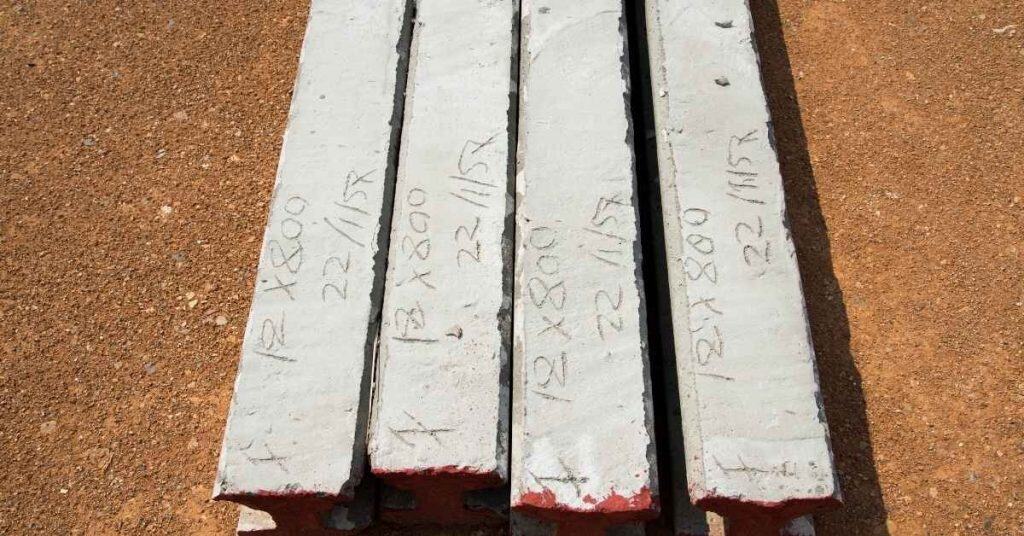
Four concrete test slabs marked with measurements lying on dirt

Concrete Water Vapor From Slabs: Easy DIY Tests Before Flooring Goes Down

Introduction Moisture testing of a concrete slab is checking how much water vapor is in the slab before you install flooring. These quick DIY checks tell you if the slab is dry enough for flooring and help you avoid issues later. Moisture movement depends on temperature, humidity, slab thickness, and curing history, so you’ll want

Concrete Water Vapor From Slabs: Easy DIY Tests Before Flooring Goes Down Read More »

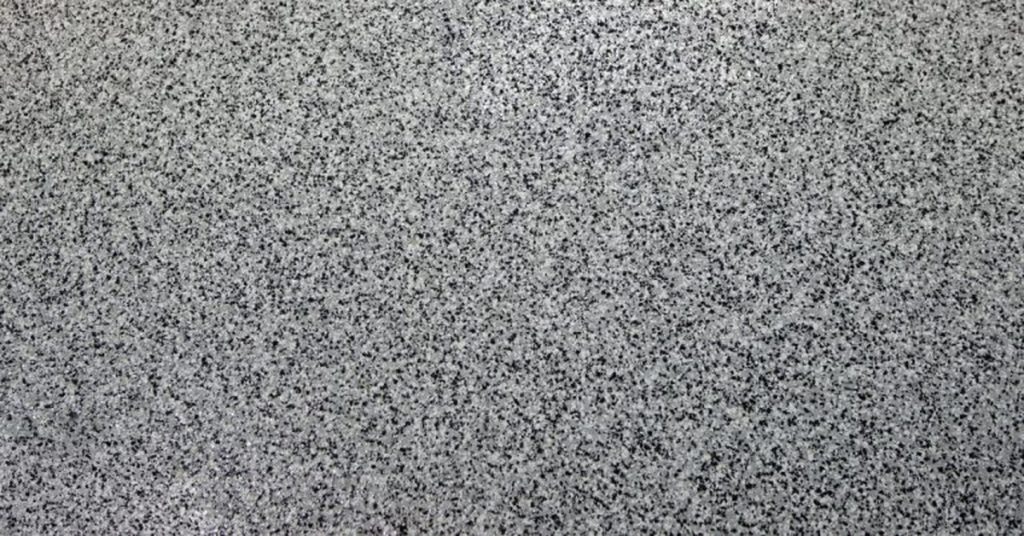
Close-up of speckled gray epoxy coated floor surface

Garage Floor Epoxy Colors: Choosing Shades, Flake Systems, and UV Issues

Introduction Garage floor epoxy colors are the tinted options you apply over epoxy to change the shade and look. You can choose solid color, color flakes, or metallic looks, but you should confirm compatibility with the topcoat and base coat on your concrete. Check product labels for UV stability, coverage, and application layers, and plan

Garage Floor Epoxy Colors: Choosing Shades, Flake Systems, and UV Issues Read More »

Clean white painted wooden deck flooring outside house

12 Painted Floors You Need to See to Believe — Common Issues + How to Fix Them

Introduction Painted floors are floors coated with paint to change color or protect the surface. This piece will walk you through common issues and practical fixes from a DIY perspective. You’ll learn the basics of prep, adhesion, and touch-ups you can tackle yourself. Before you start, check that the paint is compatible with your floor

12 Painted Floors You Need to See to Believe — Common Issues + How to Fix Them Read More »

Blue wall with uneven white paint strokes

Paint Colors That Make Your Home Look Dirty — How to Choose + Test First

Introduction Some paint colors can make a home look dirty if they emphasize grime or dust. Colors with muted or warm tones can show dirt more than clean whites or cool grays. Test on small patches and observe under your lighting before committing. To choose well, compare samples in your room and check variable lighting.

Paint Colors That Make Your Home Look Dirty — How to Choose + Test First Read More »