Search Results for: epoxy coating plant

Fresh asphalt driveway in front of garage door

Concrete at Garage Doors: Fixing ponding and preventing water intrusion

Introduction Concrete at garage doors refers to the slab at the door opening where improper drainage or settling can cause ponding. This condition signals potential water intrusion if left unaddressed. Start by noting slopes, cracks, and joints that may let water pool near the threshold. Common causes are poor drainage, foundation issues, or slab settling […]

Concrete at Garage Doors: Fixing ponding and preventing water intrusion Read More »

Precast concrete panel resting on sandy ground

Concrete Sealer Whitening After Rain: Causes and how to restore clarity

Introduction Sealer whitening after rain is a cloudy, milky look on newly sealed concrete caused by moisture and uneven drying. It happens when the surface still holds moisture or the sealer cures too fast in damp conditions. Check the product label and local guidelines for ideal conditions and reapplication steps. To prevent it, seal only

Concrete Sealer Whitening After Rain: Causes and how to restore clarity Read More »

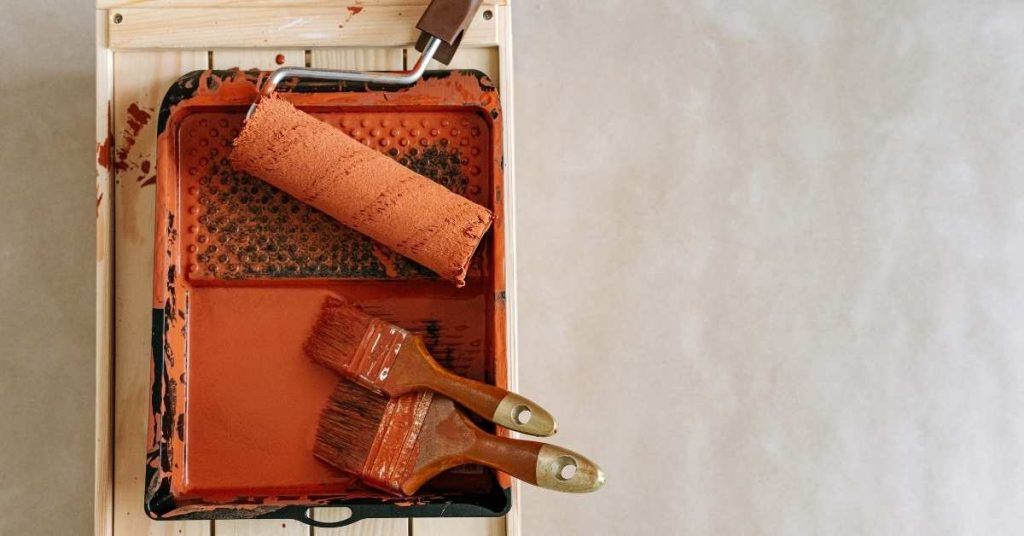
rust-colored paint roller and paintbrushes in tray on wooden surface

Painting Over Rust: Stopping bleed-through and preventing return rust

Introduction Painting over rust means sealing and coating metal surfaces to stop rust bleed-through and prevent future rust. You’ll assess the rust, clean the area, and choose a compatible primer and paint that sticks. Be sure to follow product labels and local rules. Plan to remove loose rust, neutralize corrosion as needed, and apply a

Painting Over Rust: Stopping bleed-through and preventing return rust Read More »

Close-up of asphalt shingle with visible impact damage

Stucco Damage Behind Downspouts: Repairs and water control improvements

Introduction Stucco damage behind downspouts is hidden water intrusion that weakens the wall where the downspout sits. Water running off the gutter can seep behind the stucco and cause cracking, bulging, or soft spots. This article shows practical steps you can do to inspect and start repairs without specialized equipment. Start by cleaning the area

Stucco Damage Behind Downspouts: Repairs and water control improvements Read More »

Paint roller applying white paint on bathroom ceiling

Bathroom Ceiling Paint: Mold resistance without high gloss

Introduction Mold-resistant bathroom ceiling paint with a low-gloss finish resists mold without creating glare. Choose a product labeled for bathroom use and mold resistance, and prep the ceiling first. Always verify the manufacturer’s instructions and local rules for surface prep and drying times. Prepare the ceiling by cleaning, repairing cracks, and letting it dry before

Bathroom Ceiling Paint: Mold resistance without high gloss Read More »

Yellow crane lifting precast concrete panels outdoors

How to Remove a Failed Acrylic Sealer From Concrete Without Etching

Introduction Removing a failed acrylic sealer from concrete without etching means lifting the film without harming the concrete surface. Do this safely with good ventilation, eye protection, and gloves, and follow the product instructions. Your choice of remover depends on the sealer type and the concrete porosity, so always check the label and local rules

How to Remove a Failed Acrylic Sealer From Concrete Without Etching Read More »

Gray concrete slabs with visible cracks

Microtopping Over Old Concrete: Prevent Ghost Cracks, Delamination, and Edge Failures

Introduction Microtopping over old concrete is a thin, decorative concrete top layer that can refresh a worn floor. This article explains how to prepare, mix, and apply it to minimize ghost cracks, delamination, and edge failures. You’ll get a practical, hands-on approach that stays away from textbook theory. Before you start, inspect the surface for

Microtopping Over Old Concrete: Prevent Ghost Cracks, Delamination, and Edge Failures Read More »

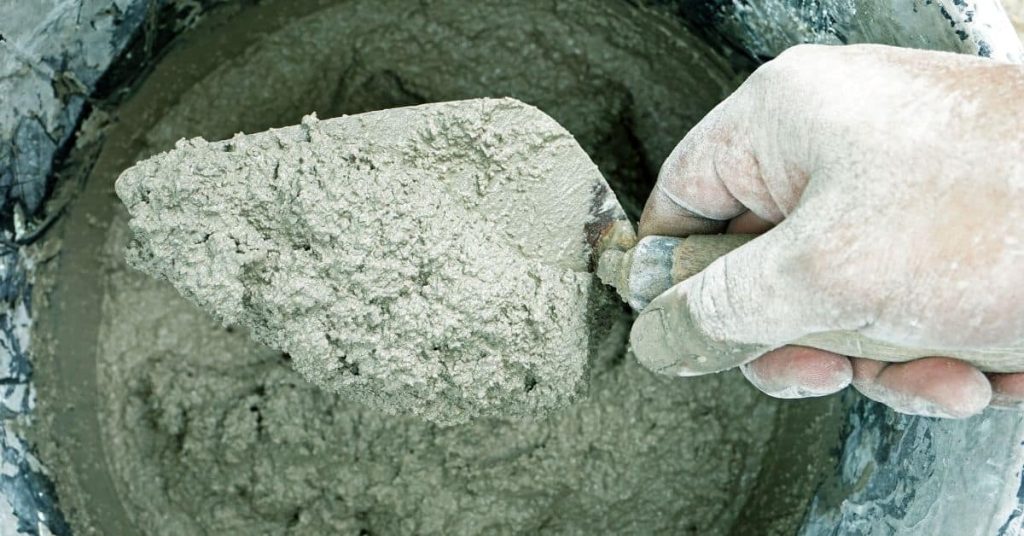
Hand holding trowel with wet concrete mixture

Shotcrete vs Hand Patching for Vertical Repairs: When Shotcrete Wins (and Why Patches Fail)

Introduction Shotcrete is a sprayed concrete repair method that builds up material quickly on vertical surfaces. Hand patches involve applying a keyed patch with mix and hand troweling, which is slower and more surface-bound. For DIY projects, shotcrete can address larger flaws, while patches rely on proper surface prep and bonding. In practice, shotcrete wins

Shotcrete vs Hand Patching for Vertical Repairs: When Shotcrete Wins (and Why Patches Fail) Read More »