Search Results for: epoxy floor

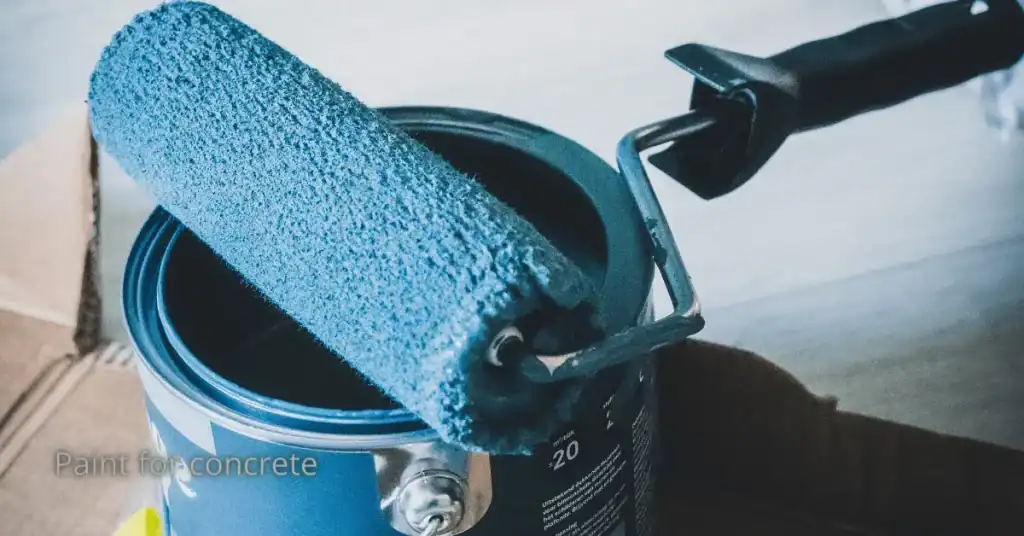
Blue paint roller resting on an open paint can

How to Prevent ‘Cratering’ in Clear Coats and Varnishes on DIY Projects

Introduction Cratering in clear coats is when the finish shows tiny pits or craters after drying. This can happen from improper thinning, debris, or moisture in the air, and it spoils the look and protection. To avoid it, stick to careful prep and clean, even application steps. Use proper dilution only as directed on the […]

How to Prevent ‘Cratering’ in Clear Coats and Varnishes on DIY Projects Read More »

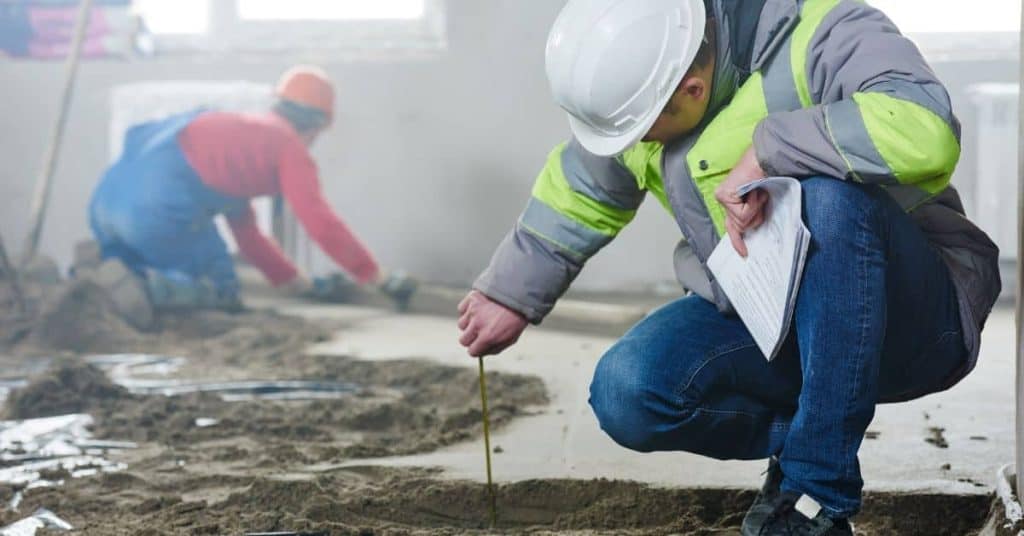
Worker measuring concrete slab with tape measure

Grinding High Spots on a Concrete Slab Safely (Dust Control and Tool Choices)

Introduction Grinding high spots on a concrete slab is the process of leveling protrusions to bring the surface flat and even. High spots can come from uneven finishing, hard trowel lines, or settling, and identifying them requires a simple run-over with a straightedge or level. Work calmly, plan for dust control and choose the right

Grinding High Spots on a Concrete Slab Safely (Dust Control and Tool Choices) Read More »

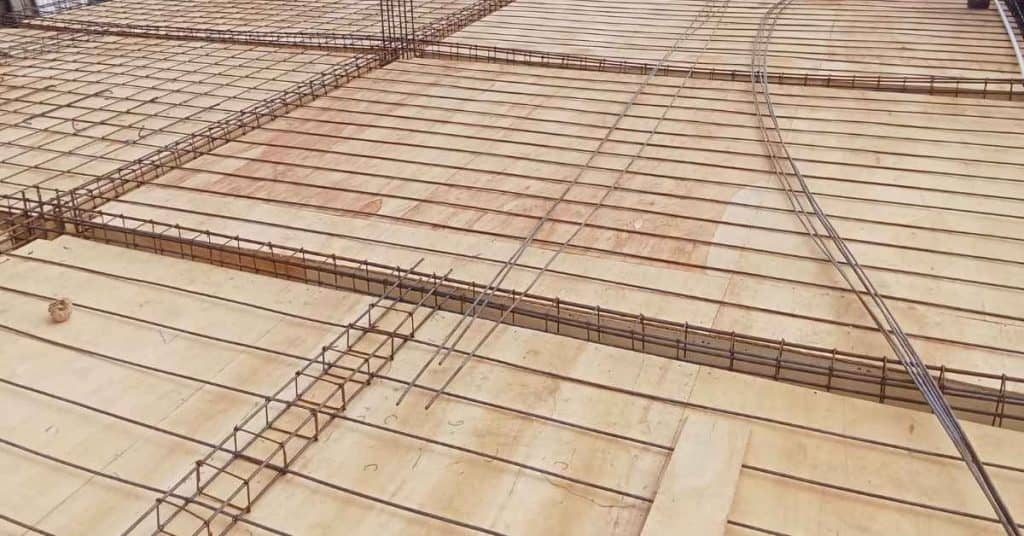
Wooden formwork with rebar grid for concrete slab

Concrete ‘Dusting’ in Basements: Hardener Options and Prep That Actually Works

Introduction Dusting in basements is when the top layer of concrete powder flakes away, leaving a dusty, chalky surface. It’s usually caused by weak laitance, moisture, improper finishing, or wear from foot traffic. Choosing a floor hardener and a solid prep plan helps harden the surface and reduce future dust. Prep work is critical: clean

Concrete ‘Dusting’ in Basements: Hardener Options and Prep That Actually Works Read More »

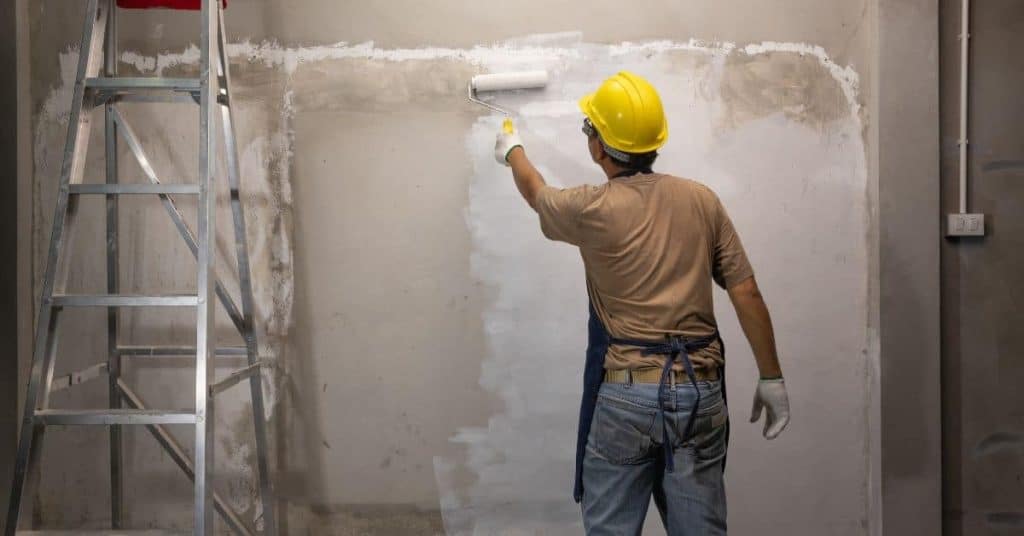
Worker rolling white paint on concrete wall

How to Seal Hairline Cracks Before Painting a Concrete Wall (So They Don’t Print Through)

Introduction Sealing hairline cracks before painting means filling and smoothing tiny cracks in a concrete wall so the paint won’t show through. Start by cleaning the crack and removing dust, then pick a filler recommended for concrete and apply it according to its instructions. Let the filler cure as directed and lightly sand smooth if

How to Seal Hairline Cracks Before Painting a Concrete Wall (So They Don’t Print Through) Read More »

Fresh concrete pouring onto existing concrete slab

Pouring a Small Concrete Slab Over Existing Concrete: Bonding, Thickness, and Joints

Introduction Pouring a small concrete slab over existing concrete means laying a new concrete layer on top of an existing slab. Before you start, clean and roughen the surface so the new mix can grip. Check the old slab for cracks and moisture and fix obvious issues before pouring. Think about how thick you pour

Pouring a Small Concrete Slab Over Existing Concrete: Bonding, Thickness, and Joints Read More »

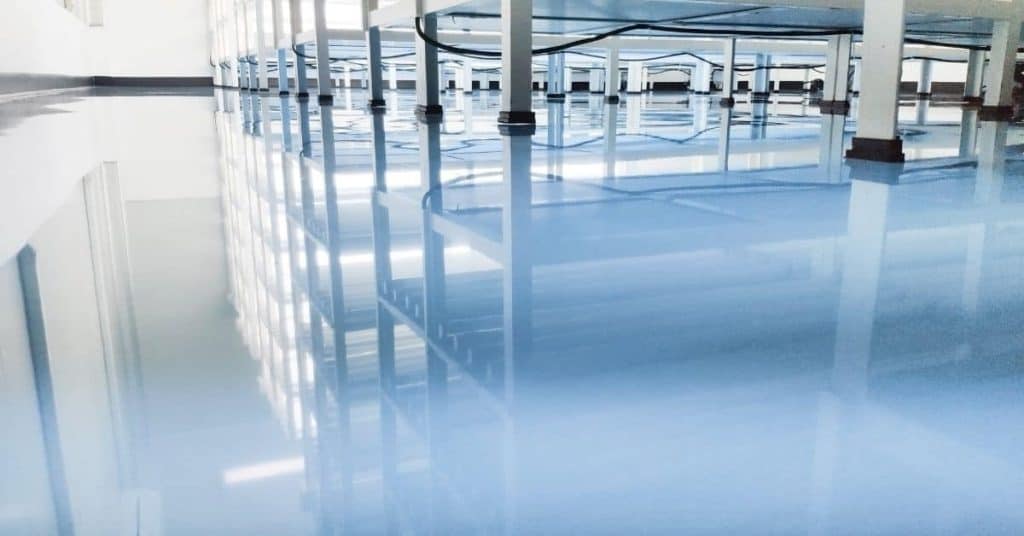
Reflective smooth light blue epoxy floor with metal shelving

How to Paint a Cast-Iron Radiator: Heat Cycles, Prep, and High-Temp Coatings

Introduction Painting a cast-iron radiator means choosing a heat‑resistant coating and applying it in stages so the unit can heat and cool without peeling. Prep thoroughly to remove rust and old paint, then seal cracks and gaps as needed, always following the coating manufacturer’s instructions for heat tolerances. Because radiators heat cycles can affect coating

How to Paint a Cast-Iron Radiator: Heat Cycles, Prep, and High-Temp Coatings Read More »

Person painting white kitchen cabinets with small brush

How to Paint Glossy Laminate Cabinets Without Peeling (Bonding Primers and Scuff Tests)

Introduction Bonding primers and proper surface prep are what keep glossy laminate cabinets from peeling. This article walks you through practical steps you can take at home to prep, test adhesion, and apply a durable finish. You’ll learn how to evaluate the surface and choose the right primer for a long-lasting bond. Start with a

How to Paint Glossy Laminate Cabinets Without Peeling (Bonding Primers and Scuff Tests) Read More »

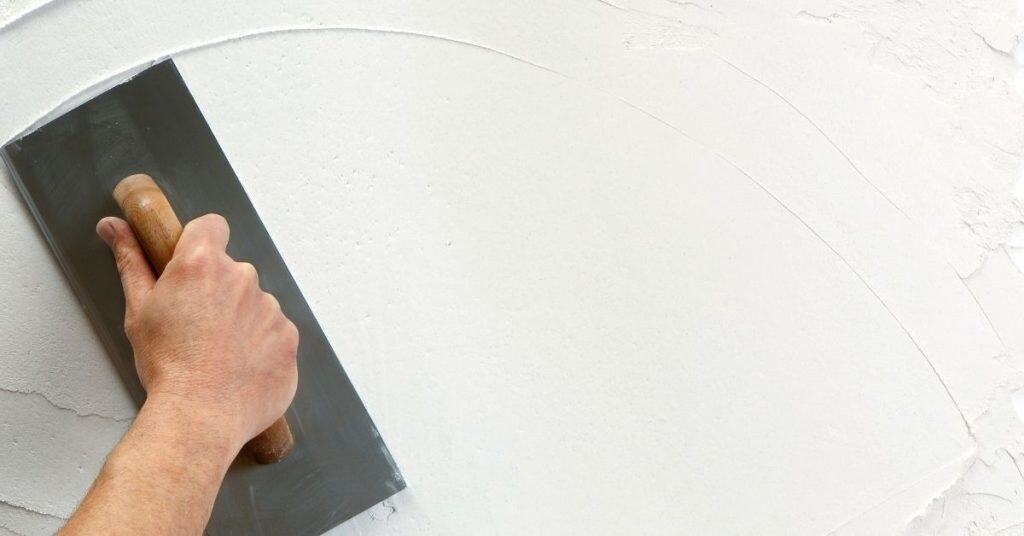
Hand holding trowel smoothing plaster on wall

Plaster Crack Repair That Lasts: Stabilize Movement Before You Patch

Introduction Stabilizing movement before patching means stopping the wall from shifting so the patch can stick. This is a hands-on job, not a quick cover-up. You’ll address the underlying cause first, then patch. Start by locating what’s moving in the wall and take steps to stop it. Secure loose framing with basic fixes and let

Plaster Crack Repair That Lasts: Stabilize Movement Before You Patch Read More »