Search Results for: efflorescence

Worker rolling white paint on concrete wall

How to Seal Hairline Cracks Before Painting a Concrete Wall (So They Don’t Print Through)

Introduction Sealing hairline cracks before painting means filling and smoothing tiny cracks in a concrete wall so the paint won’t show through. Start by cleaning the crack and removing dust, then pick a filler recommended for concrete and apply it according to its instructions. Let the filler cure as directed and lightly sand smooth if […]
How to Seal Hairline Cracks Before Painting a Concrete Wall (So They Don’t Print Through) Read More »

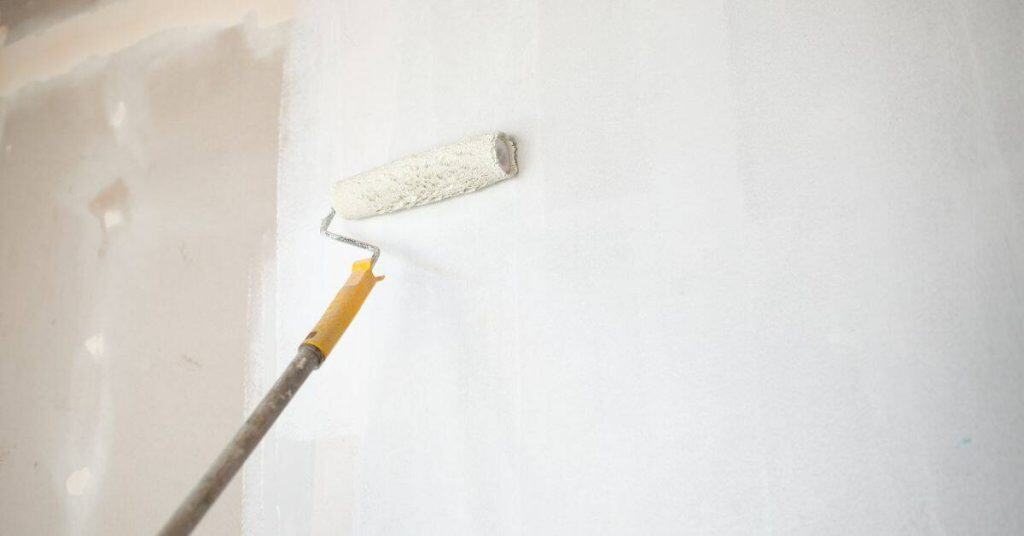
Paint roller applying white primer on drywall

How to Use Shellac Primer Safely Indoors: Ventilation and Cleanup for DIYers

Introduction Shellac primer indoors should be used with good ventilation and careful cleanup. Start by cleaning the surface, removing dust, and fixing any rough spots before you apply. Always check the product label and manufacturer instructions for surface prep and ventilation guidance. When applying, use thin, even coats and follow the grain, avoiding heavy builds.

How to Use Shellac Primer Safely Indoors: Ventilation and Cleanup for DIYers Read More »

White electrical outlet on painted white wall

Touching Up Painted Walls Years Later: How to Match Texture, Color, and Sheen

Introduction Touching up painted walls years later means restoring the texture, color, and sheen so the patch blends with the old paint. It’s a hands-on task that you can do with common tools and a bit of care. Start by examining the wall and deciding what needs to be matched. Identify the texture, sheen, and

Touching Up Painted Walls Years Later: How to Match Texture, Color, and Sheen Read More »

Person holding paint roller with rust-colored paint near paint-splattered ladder

Surfactant Leaching vs. Tannin Bleed vs. Rust Stains: A Homeowner Spotting Guide

Introduction This guide explains how to tell apart three common concrete stains: surfactant leaching, tannin bleed, and rust stains. Surfactant leaching shows up as a misty haze or shiny film as cleaners dry. Tannin bleed comes from wood and leaves brown hues, while rust stains look reddish and originate from metal. To identify which you

Surfactant Leaching vs. Tannin Bleed vs. Rust Stains: A Homeowner Spotting Guide Read More »

Woman inspecting white wall near carpeted floor

Blocking Water Stains on Ceilings: Drying Checks Before You Prime and Paint

Introduction Blocking water stains on ceilings means stopping moisture and stains from showing through the paint by drying and prepping the surface before priming. You’ll want the area to feel dry, flat, and clean before you apply any primer. This is a hands-on, practical step you can handle with common tools and a bit of

Blocking Water Stains on Ceilings: Drying Checks Before You Prime and Paint Read More »

Man painting exterior wall with paint roller

How to Paint Over Chalky Exterior Paint: Cleaning, Bonding Tests, and Primer Selection

Introduction Chalky exterior paint must be cleaned and prepared before any new paint can properly adhere. Start by identifying chalky areas, wash with a gentle cleaner, and scrub with a stiff brush, then rinse and let dry. Check product labels or manufacturer instructions for approved cleaners and safe water use. Do a bonding test to

How to Paint Over Chalky Exterior Paint: Cleaning, Bonding Tests, and Primer Selection Read More »

Damaged stucco wall with reinforcing mesh exposed

Repairing Stucco Around Dryer Vents: Flashing and Sealant Details That Drain

Introduction Flashing and sealant around dryer vents keep water from leaking into the wall. This intro covers how to inspect, clean, and prep the area before you patch. You’ll want to match what you use to your vent size and wall material, and follow local rules. Start by removing loose stucco and cleaning the vent

Repairing Stucco Around Dryer Vents: Flashing and Sealant Details That Drain Read More »

Hand wearing blue glove scrubbing stucco wall with green sponge

Repainting Old Stucco: Cleaning, Priming, and Coatings That Don’t Peel

Introduction Repainting old stucco means preparing the surface, then applying primer and coatings that resist peeling. It’s a hands-on process you can do in stages, not a one-shot job. Focus on cleanliness, a good seal, and choosing products labeled for stucco and exterior use. Start with a thorough cleaning, fix obvious cracks, and verify the

Repainting Old Stucco: Cleaning, Priming, and Coatings That Don’t Peel Read More »