Search Results for: efflorescence

black painted brick wall with uneven paint coverage

How to Paint a Brick Fireplace Safely: Heat Considerations and Soot-Sealing Prep

Introduction Painting a brick fireplace safely means choosing heat‑rated paint and preparing the surface to handle heat and soot. Start by inspecting for damaged bricks and planning to seal soot before painting. This article explains preparation steps, how to seal soot, and how to pick the right finish in plain, hands‑on language. Benefits of painting […]

How to Paint a Brick Fireplace Safely: Heat Considerations and Soot-Sealing Prep Read More »
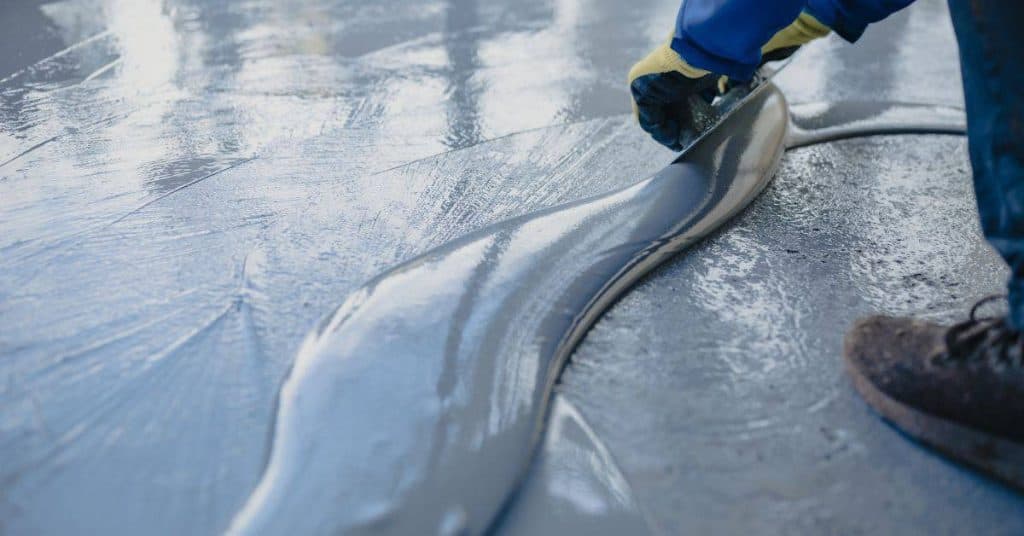
Person applying glossy epoxy coating on concrete floor

Painting Basement Walls Without Trapping Moisture: Mineral Paints vs. Acrylics vs. Epoxy

Introduction Painting basement walls without trapping moisture means choosing a coating and prep method that manages moisture rather than sealing it in. Start by diagnosing the wall condition and cleaning, repairing leaks, and planning ventilation before any paint goes on. Then determine if the wall needs moisture barriers, steps for drying, and whether to apply

Painting Basement Walls Without Trapping Moisture: Mineral Paints vs. Acrylics vs. Epoxy Read More »

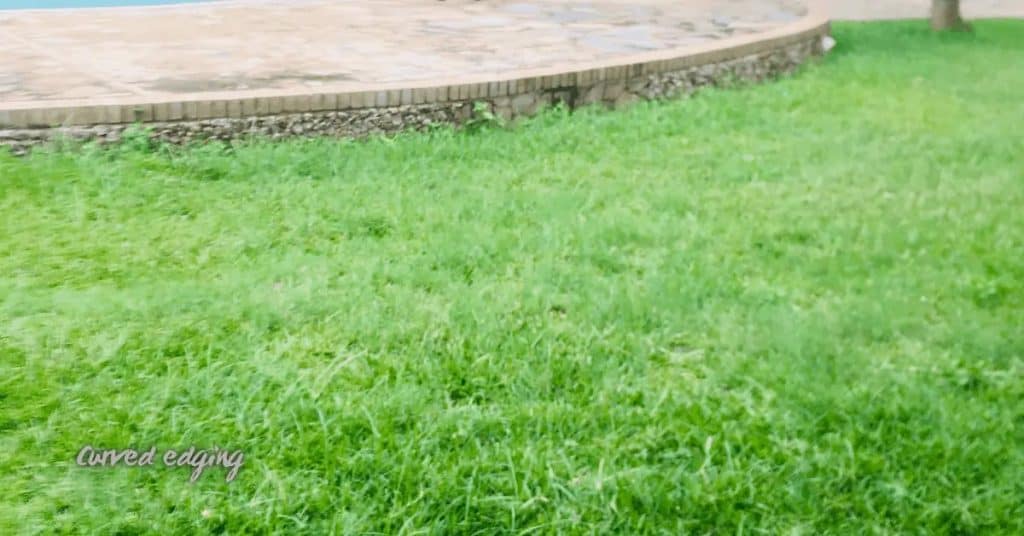
Curved concrete edging border next to green grass lawn

Repairing a Cracked Concrete Edging Border (Reinforce and Hide the Seam)

Introduction A cracked concrete edging border can be repaired by reinforcing the seam and hiding the crack so the edge looks solid again. This is a practical, do-it-yourself fix you can handle with basic tools and proper preparation. Take time to clean the crack, follow the product instructions, and plan for a neat finish. Start

Repairing a Cracked Concrete Edging Border (Reinforce and Hide the Seam) Read More »

Paint roller applying liquid to concrete pavers

DIY Large-Format Concrete Pavers: Reinforcement, Curing, and Warp Prevention

Introduction Large-format concrete pavers require proper reinforcement, curing, and warp prevention to stay flat and durable. In plain terms, you reinforce the base and pavers, manage moisture and temperature during curing, and watch for movement that can cause warping. This article focuses on practical, hands-on methods you can apply on a DIY project. Follow the

DIY Large-Format Concrete Pavers: Reinforcement, Curing, and Warp Prevention Read More »

Unfinished wooden deck frame with exposed joists and vertical posts.

How to Repair Concrete Around a Deck Post Base Without Replacing the Whole Pad

Introduction This article explains how to repair concrete around a deck post base without replacing the whole pad. You’ll start by inspecting for cracks, spalling, or loose sections around the base. Then you’ll plan a simple patching approach using common hand tools and patch material. Identify damage around the post base and note where the

How to Repair Concrete Around a Deck Post Base Without Replacing the Whole Pad Read More »

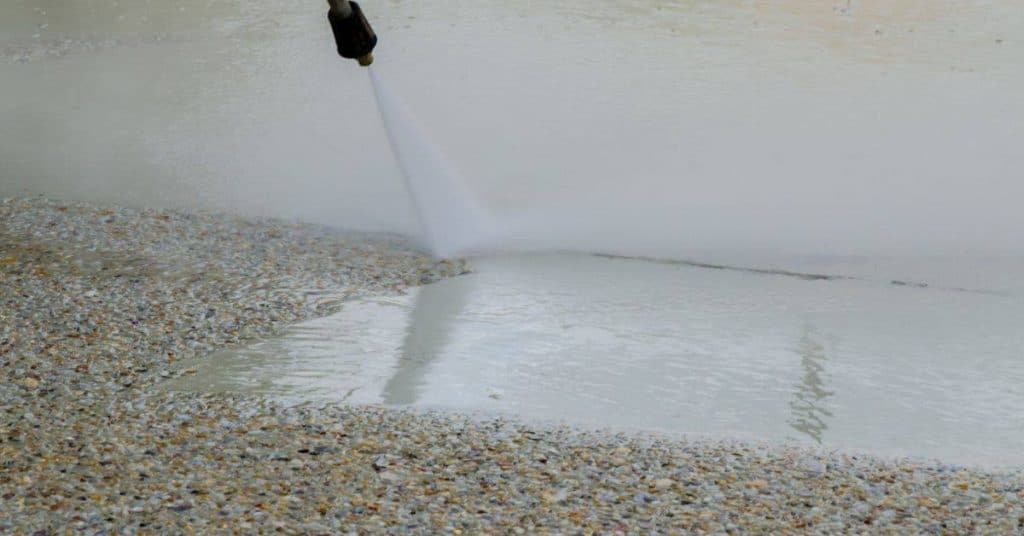
Pressure washing exposed aggregate concrete surface

Creating an Exposed Aggregate ‘Window’ in a Small Repair (Matching Existing Finish)

Introduction An exposed aggregate window is a small patch that reveals decorative stones after removing a portion of concrete to match the surrounding finish. Plan to cut a window in the existing slab, clean and dampen the area, and set up a simple form to keep edges neat. Check local rules and the patch will

Creating an Exposed Aggregate ‘Window’ in a Small Repair (Matching Existing Finish) Read More »

Stamped concrete patio with curved edge and garden bed

How to Feather a Concrete Patch Without a Weak Edge (Undercuts and Micro-Overlays)

Introduction Feathering a concrete patch means shaping the edge with undercuts and a micro-overlay so the repair blends with the surrounding slab. It’s about creating a gradual transition, not a hard line or a loaded patch. You’ll want a clean bond, good surface prep, and a plan for the edge quality as you go. This

How to Feather a Concrete Patch Without a Weak Edge (Undercuts and Micro-Overlays) Read More »

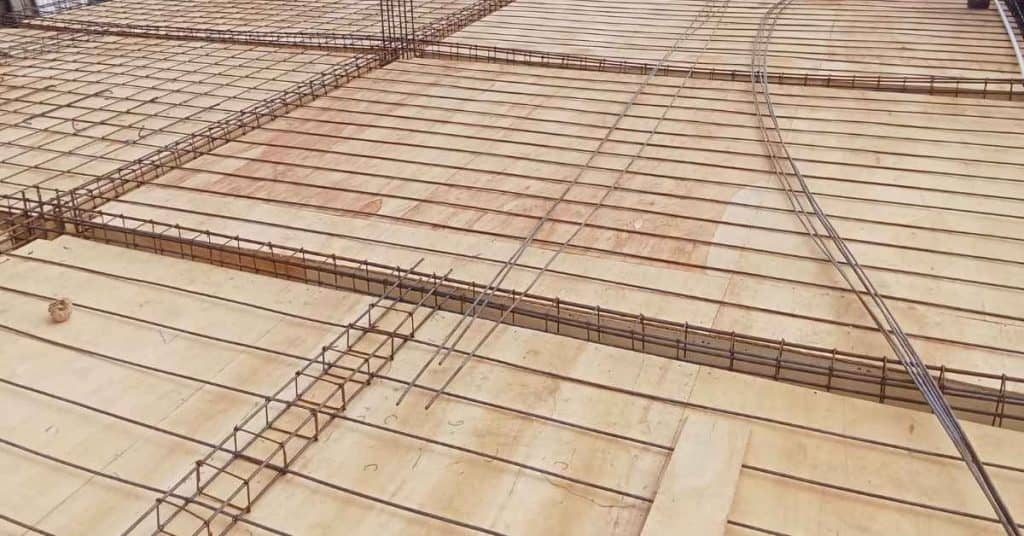
Wooden formwork with rebar grid for concrete slab

Concrete ‘Dusting’ in Basements: Hardener Options and Prep That Actually Works

Introduction Dusting in basements is when the top layer of concrete powder flakes away, leaving a dusty, chalky surface. It’s usually caused by weak laitance, moisture, improper finishing, or wear from foot traffic. Choosing a floor hardener and a solid prep plan helps harden the surface and reduce future dust. Prep work is critical: clean

Concrete ‘Dusting’ in Basements: Hardener Options and Prep That Actually Works Read More »