Search Results for: efflorescence

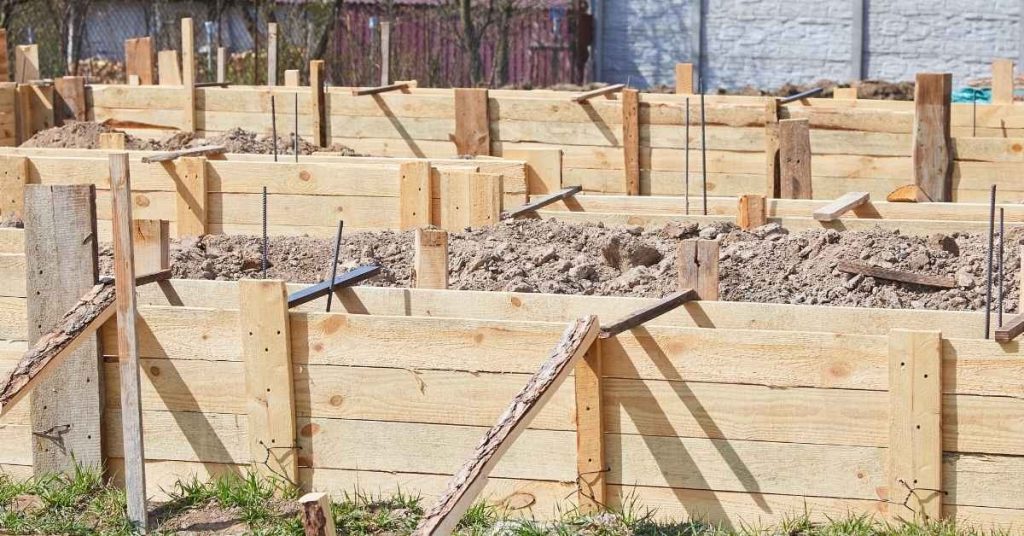
Wooden formwork for concrete retaining wall construction

Concrete Retaining Walls: Waterproofing, Drainage Rock, and Preventing Hydrostatic Blowouts

Introduction Concrete retaining walls are structures that hold back soil and must stay dry and stable. To do that, waterproofing and proper drainage are essential, along with backfill and proper reinforcement. Without addressing hydrostatic pressure, the wall can leak, bow, or fail over time. There are several waterproofing options worth considering, and you should follow […]

Concrete Retaining Walls: Waterproofing, Drainage Rock, and Preventing Hydrostatic Blowouts Read More »

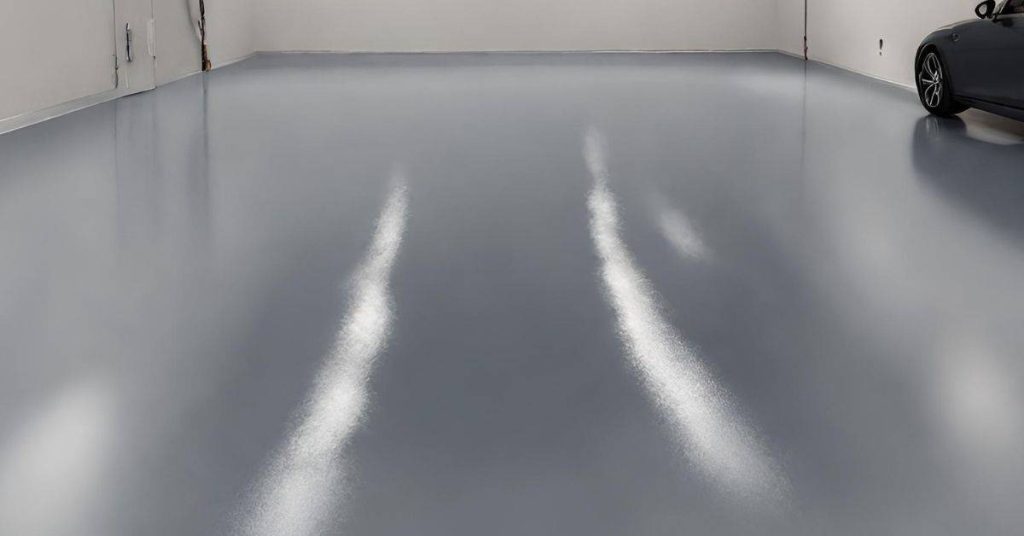
Smooth gray epoxy coated concrete garage floor with car

Epoxy Injection vs Polyurethane Injection for Cracks: Choosing Based on Movement and Moisture

Introduction Epoxy and polyurethane injections are two concrete crack repair options, chosen based on movement and moisture. Epoxy cures into a stiff bond ideal for solid, non-moving cracks, while polyurethane stays more flexible to absorb tiny shifts. Always check the product label and local rules before committing to one method. In terms of practical differences,

Epoxy Injection vs Polyurethane Injection for Cracks: Choosing Based on Movement and Moisture Read More »

gray concrete surface with visible cracks crossing joints

Routing Cracks for Sealant: Geometry Rules That Actually Improve Longevity

Introduction Routing cracks for sealant means creating clean, engineered gaps in concrete to receive sealant that can accommodate movement. This is a hands-on job where the cut shape and depth influence how well the sealant sticks and lasts. Keep the work plain and practical, focusing on a straight, uniform groove and clean edges. Understanding crack

Routing Cracks for Sealant: Geometry Rules That Actually Improve Longevity Read More »

Concrete pour with exposed rebar in metal formwork

Repairing Spalls With Exposed Rebar: Cleaning Standards, Priming Steel, and Patch Layering

Introduction Repairing spalls with exposed rebar means patching concrete where the surface has chipped away and rebar is visible. Before you dig in, determine if the area can be saved or needs replacement, and plan for proper bonding between old concrete and the patch. Decide on a bonding method based on the site and materials,

Repairing Spalls With Exposed Rebar: Cleaning Standards, Priming Steel, and Patch Layering Read More »

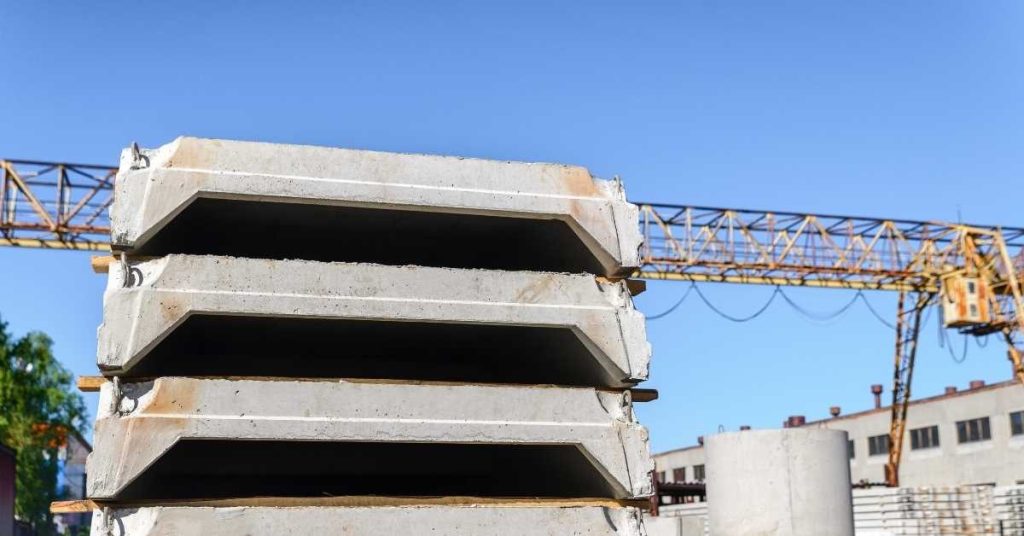
Stacked precast concrete slabs at a construction site

Migrating Corrosion Inhibitors: Realistic Expectations for Existing Slabs and Balconies

Introduction Migrating corrosion inhibitors are additives used to slow the spread of corrosion in reinforced concrete surfaces. For DIY homeowners, the goal is to assess whether applying inhibitors is a reasonable step and what to expect. Always check manufacturer instructions and local rules before proceeding. This topic applies to existing slabs and balconies of various

Migrating Corrosion Inhibitors: Realistic Expectations for Existing Slabs and Balconies Read More »

Closeup of carpet cleaning extraction tool on gray carpet

Electrochemical Re-Alkalization and Chloride Extraction: What Homeowners Should Know Before Hiring It

Introduction Electrochemical re-alkalization and chloride extraction are concrete repair methods aimed at neutralizing acidic attack and removing embedded chlorides from reinforced concrete. In plain terms, these processes use electrical currents to push pH back up and pull harmful chlorides out, so the steel stays safer. Think of it as a general overview you can compare

Electrochemical Re-Alkalization and Chloride Extraction: What Homeowners Should Know Before Hiring It Read More »

Concrete support columns under a waterfront bridge

Repairing Honeycombed Columns: Inject, Patch, or Rebuild? A Decision Tree

Introduction Repairing honeycombed columns means deciding whether to inject materials, patch the surface, or rebuild the column core. It’s a practical call based on how severe the damage looks and whether the structure still carries load safely. Always assess the condition with your eyes and a quick test, then check product labels and local rules

Repairing Honeycombed Columns: Inject, Patch, or Rebuild? A Decision Tree Read More »

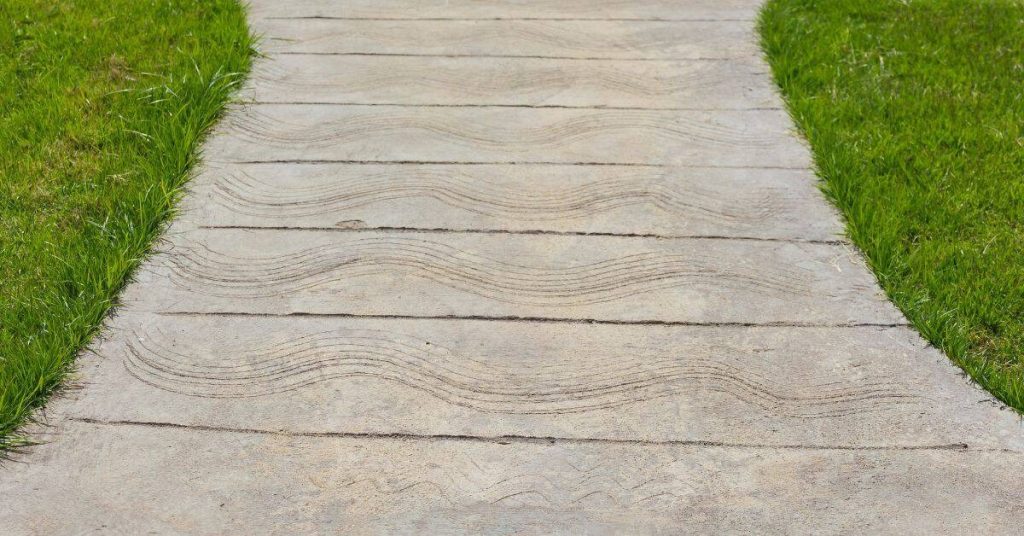
Concrete pathway with wave texture and green grass sides

Concrete Repair in Sulfate Soils: Material Selection That Won’t Turn to Mush

Introduction Concrete repair in sulfate soils means choosing repair materials that resist sulfate attack so the patch doesn’t crumble. Always check the product label and manufacturer instructions for sulfate resistance and compatible cementitious systems. If in doubt, confirm with local rules and test methods, and avoid mixes that aren’t specifically rated for sulfate exposure. Plan

Concrete Repair in Sulfate Soils: Material Selection That Won’t Turn to Mush Read More »

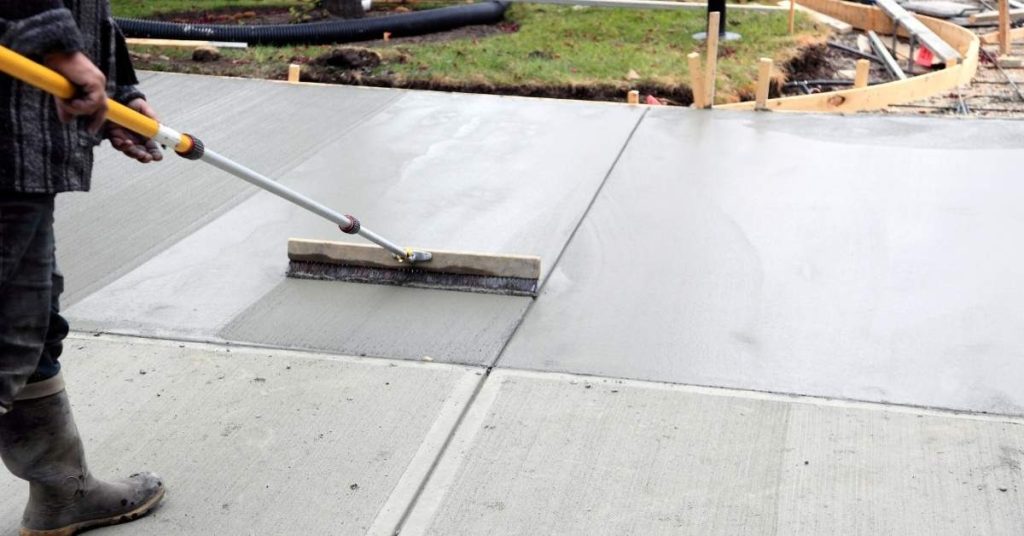
Person using concrete broom on wet concrete sidewalk

Reprofiling Worn Broom Finish: Thin Overlay vs Cut-and-Replace

Introduction Reprofiling worn broom finish means restoring a broom-textured concrete surface by either applying a thin overlay or replacing the affected slab. The approach you choose hinges on how deep the damage is, how flat you need it, and what your budget allows. Before you mix anything, focus on proper surface prep, crack clearing, and

Reprofiling Worn Broom Finish: Thin Overlay vs Cut-and-Replace Read More »

Close-up of a large crack in concrete slab surface

Concrete Crack Stitching With Staples: When It Works and How to Detail It

Introduction Concrete crack stitching with staples is a method that uses staples and epoxy to bridge and reinforce cracks in concrete. It’s most practical for non-structural cracks where movement is limited and the surface is accessible. Check product labels and local rules for epoxy and staple kit compatibility before starting. Typical materials to have on

Concrete Crack Stitching With Staples: When It Works and How to Detail It Read More »