Search Results for: efflorescence

Vinyl plank flooring pieces and tools on concrete floor

Supplementary Cementitious Materials for Efflorescence Control: What Actually Reduces Salts

Introduction Supplementary Cementitious Materials reduce efflorescence by limiting the salts that migrate to the surface. They work with the cement mix to slow water movement and bind minerals. In DIY terms, think of them as additives that help the concrete breathe less and stay drier. Efflorescence is the white, powdery salt that shows up on […]

Supplementary Cementitious Materials for Efflorescence Control: What Actually Reduces Salts Read More »

Stucco wall with two boarded windows and one boarded door

Stucco Discoloration From Efflorescence vs Salts in Sand: Simple Tests and Fixes

Introduction Efflorescence is a white salt bloom that appears on stucco when moisture moves soluble salts to the surface. It can look like chalky powder and is often mistaken for new stains. But salts in the sand or mix can also discolor, and moisture is the common driver. To tell efflorescence from salts in the

Stucco Discoloration From Efflorescence vs Salts in Sand: Simple Tests and Fixes Read More »

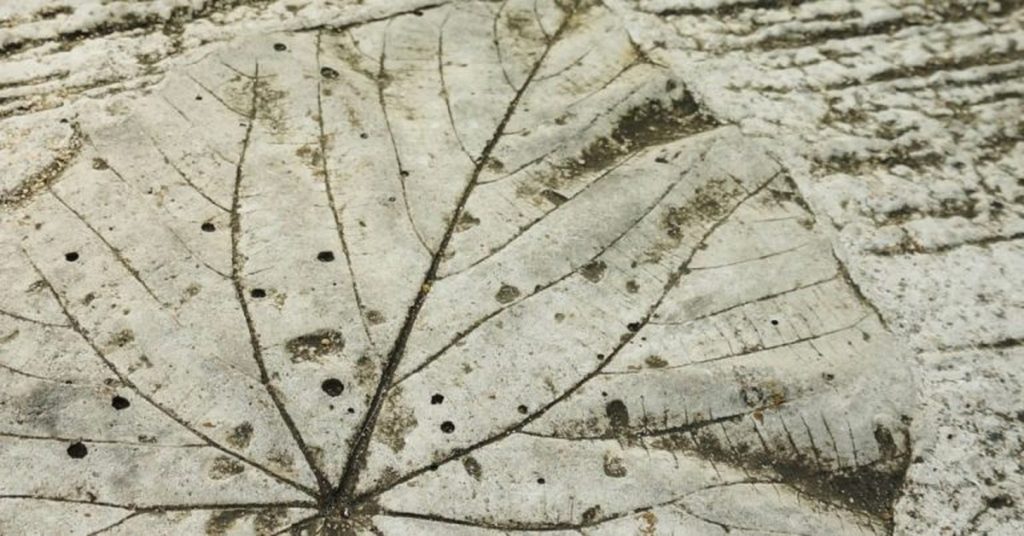
Leaf imprint pressed into wet concrete surface

Concrete Planters With Integral Pigments: Avoiding Efflorescence and Blotchy Color

Introduction Concrete planters with integral pigments are planters cast with color mixed into the concrete so the color runs through the entire piece. This helps avoid uneven surface staining and blotchy color when the planter ages or dries. Focus on practical steps like choosing a pigment with good lightfastness, checking drainage and ventilation, and protecting

Concrete Planters With Integral Pigments: Avoiding Efflorescence and Blotchy Color Read More »

Freshly poured wet concrete slab inside an unfinished room

Preventing Efflorescence From New Concrete: Water Sources, Curing, and Breathable Protection

Introduction Efflorescence is the white, powdery or crusty mineral deposit that appears on concrete when water moves minerals to the surface. It happens when moisture inside the slab or plaster carries soluble salts to the surface as it evaporates. Identify sources of moisture—wet curing, rain exposure, groundwater, or humid environments—and understand that surface coatings can

Preventing Efflorescence From New Concrete: Water Sources, Curing, and Breathable Protection Read More »

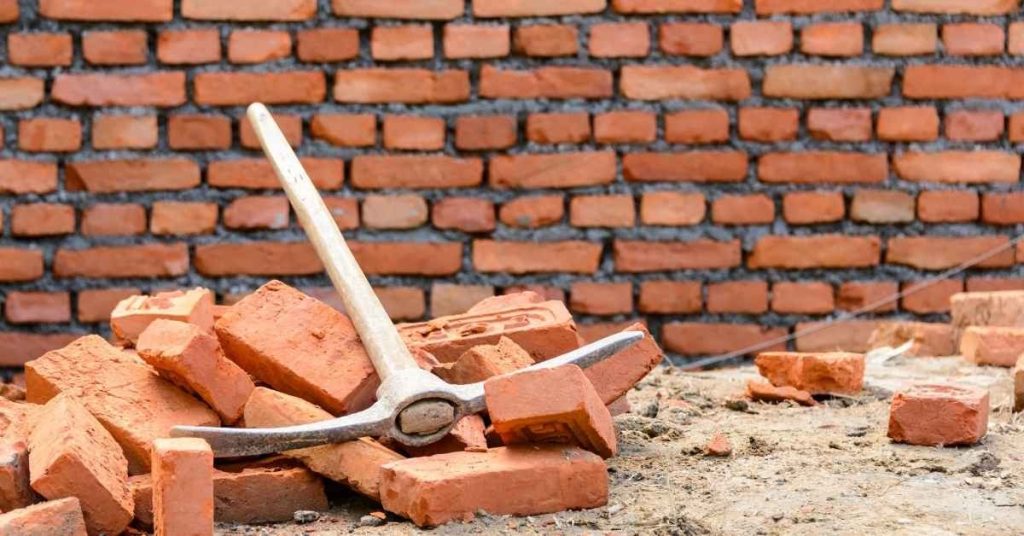
Pile of red bricks with a pickaxe resting on top

Efflorescence on Brick and Block: Removal Methods That Don’t Make It Worse

Introduction Efflorescence is the white, powdery deposit that forms on brick or block when water brings soluble salts to the surface. This article explains simple removal methods that avoid making it worse. You’ll get practical, hands-on steps you can do yourself without fancy tools. Start with the easiest, low-risk approach and test a small area

Efflorescence on Brick and Block: Removal Methods That Don’t Make It Worse Read More »

Man applying plaster over rough stone wall wearing gloves

Salts in Masonry Plaster: Efflorescence, Spalling, and Compatible Repair Materials

Introduction Salts in masonry plaster are soluble minerals that migrate to the surface as moisture moves through the wall, leaving white or powdery deposits called efflorescence and in worse cases causing spalling where the plaster flakes or crumbles. This usually comes from water intrusion, damp soils, or moisture wicking through masonry and carries salts via

Salts in Masonry Plaster: Efflorescence, Spalling, and Compatible Repair Materials Read More »

Plasterer smoothing white plaster on wall wearing helmet and mask

Salts in Masonry Plaster: Troubleshooting Efflorescence and Spalling Issues

Introduction Discovering salt-related problems like efflorescence and spalling in your masonry plaster can be frustrating, but with the right troubleshooting steps, you can identify and address these issues effectively. This guide walks you through common symptoms, their causes, and how to fix them. Before diving into repairs, it’s crucial to understand that salts in plaster

Salts in Masonry Plaster: Troubleshooting Efflorescence and Spalling Issues Read More »

Ceiling with large peeling white paint revealing gray surface

Concrete Efflorescence vs Lime Run: Spotting the Difference and Choosing the Right Cleaner

Introduction Efflorescence is a white, powdery salt deposit that forms when water carries soluble salts to the concrete surface, while lime run is a sticky, glossy white or pale film from excess lime or cement paste washing out during finishing or cleanup. Spotting which you have matters because one is salt left behind and the

Concrete Efflorescence vs Lime Run: Spotting the Difference and Choosing the Right Cleaner Read More »

Hands holding a stud finder and marking a wall with a pencil

Stucco Efflorescence That Keeps Returning: Moisture Path Checks and Long-Term Fixes

Introduction Stucco efflorescence that keeps returning is a salt deposit left when moisture repeatedly migrates through stucco and evaporates, and the fix starts with finding and stopping the moisture paths. Look for leaks, poor flashing, grade or drainage issues, and moisture sources inside the wall assembly; check product labels and manufacturer instructions for compatible sealers

Stucco Efflorescence That Keeps Returning: Moisture Path Checks and Long-Term Fixes Read More »

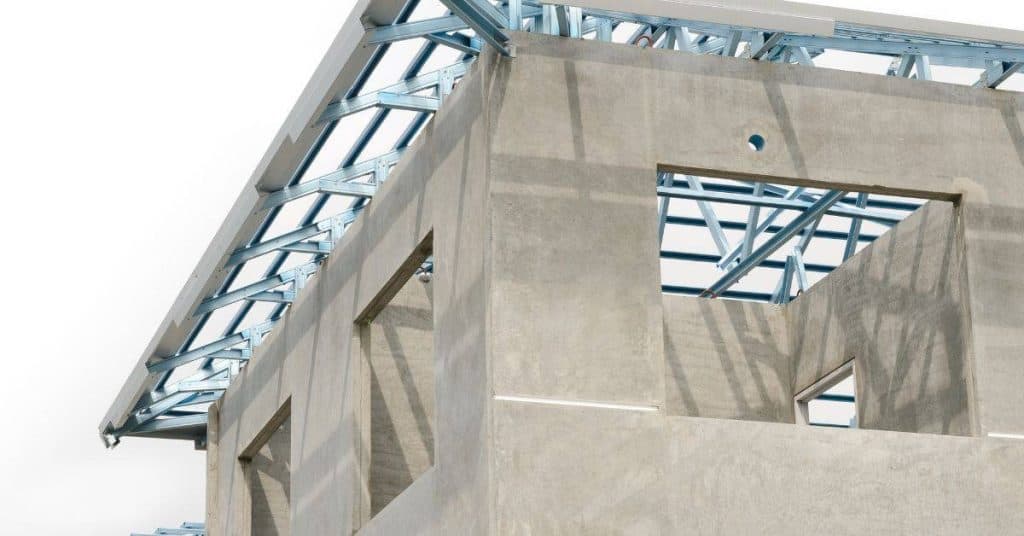
Precast concrete wall panels with metal roof framing

Interior Concrete Wall Efflorescence: Cleaning Without Driving Salts Deeper

Introduction Efflorescence is the chalky salt stain that forms on interior concrete walls when water carries soluble salts to the surface. It’s a surface phenomenon, not a stain from dirt, and it can reappear if moisture keeps moving through the wall. To clean it without driving salts deeper, use a light touch, rinse thoroughly, and

Interior Concrete Wall Efflorescence: Cleaning Without Driving Salts Deeper Read More »