Search Results for: efflorescence

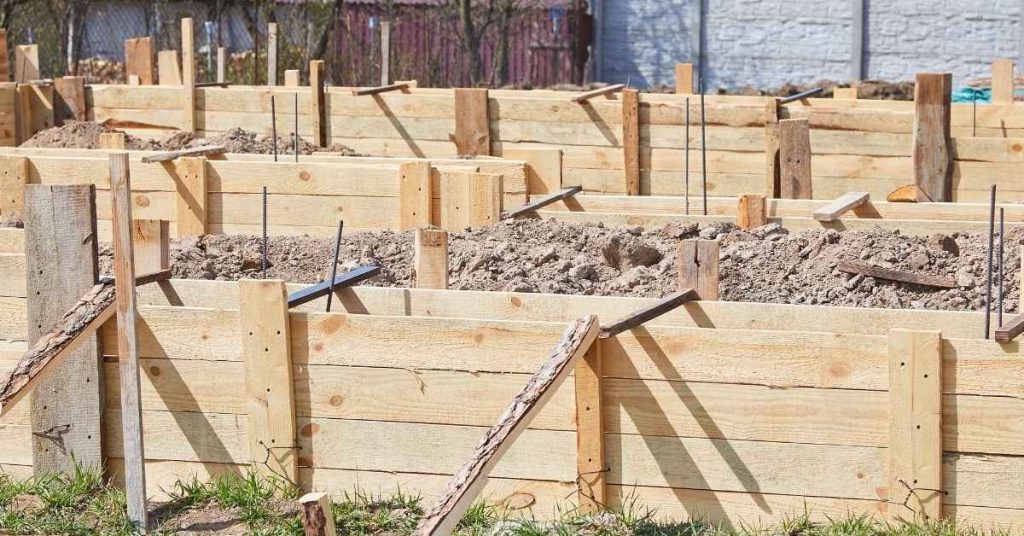
Wooden formwork panels set up for concrete pouring outdoors

Air-Entrained Concrete for Driveways and Steps: Real Freeze–Thaw Failures and How to Avoid Them

Introduction Air-entrained concrete is a type of concrete that has microscopic air voids added to improve its resistance to freeze–thaw damage. This helps prevent cracking and spalling in driveways and steps when the temperature swings. The key idea is that the tiny air pockets provide space for water to expand during freezing without cracking the […]

Air-Entrained Concrete for Driveways and Steps: Real Freeze–Thaw Failures and How to Avoid Them Read More »

Concrete driveway with brick border and grass lawn

Small-Batch Concrete Mixing: Keeping Ratios Honest with Buckets and a Cheap Scale

Introduction Small-batch concrete mixing means preparing only a limited amount of concrete at a time using simple tools like buckets and a basic scale. This article walks you through keeping ratios accurate, step by step, without fancy equipment. You’ll learn practical, hands-on methods suitable for quick projects and testing mixes. As you work, you can

Small-Batch Concrete Mixing: Keeping Ratios Honest with Buckets and a Cheap Scale Read More »

Closeup of stacked concrete deck blocks

De-Icing Salts on Concrete: Which Products Attack Surfaces and Safer Winter Habits

Introduction De-icing salts on concrete are chemical products used to melt snow and ice, but they can damage the surface if misused. They work by lowering the freezing point of water, but some products can attack the concrete finish or initiate surface wear. Before applying, read the label and follow manufacturer instructions to choose a

De-Icing Salts on Concrete: Which Products Attack Surfaces and Safer Winter Habits Read More »

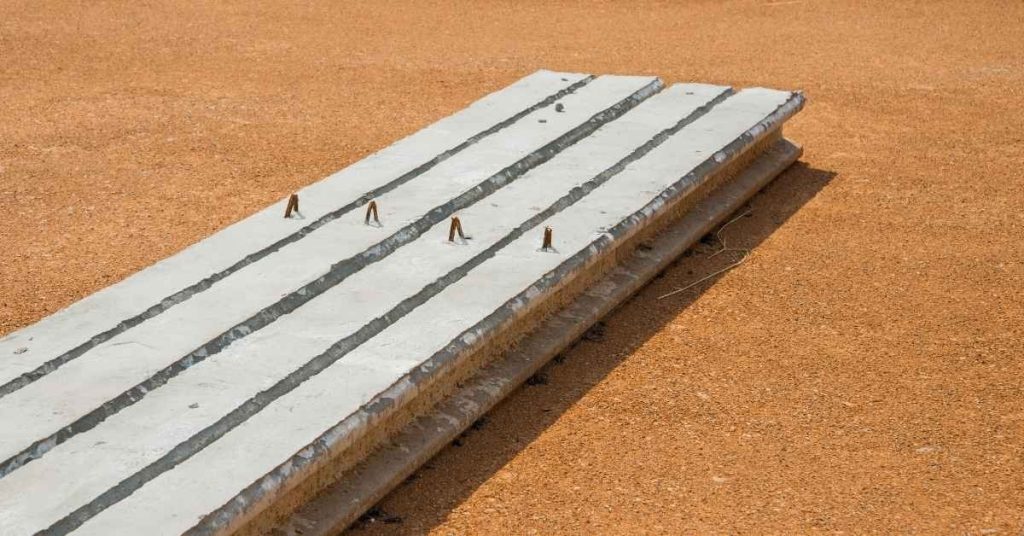
Concrete precast panel with exposed rebar on sandy ground

Penetrating Sealers Vs Film Sealers on Concrete: Picking One That Won’t Peel Outdoors

Introduction Penetrating sealers soak into the concrete and block moisture from within. Film sealers stay on the surface and create a protective film. Both aim to slow water and stain absorption, but they behave differently outdoors. Choose penetrating sealers for natural look and breathability on outdoor slabs. Film sealers can enhance color and provide a

Penetrating Sealers Vs Film Sealers on Concrete: Picking One That Won’t Peel Outdoors Read More »

rough textured grey concrete wall surface with marks

Concrete post base pockets and voids: where they come from and how to patch invisibly

Introduction Concrete post base pockets and voids are hollow spaces that form around a post base when concrete doesn’t fill evenly. They can occur from improper forms, settling, or air pockets during pouring. These gaps can weaken the attachment if not addressed. To patch invisibly, clean the area, mix a compatible repair mortar, and fill

Concrete post base pockets and voids: where they come from and how to patch invisibly Read More »

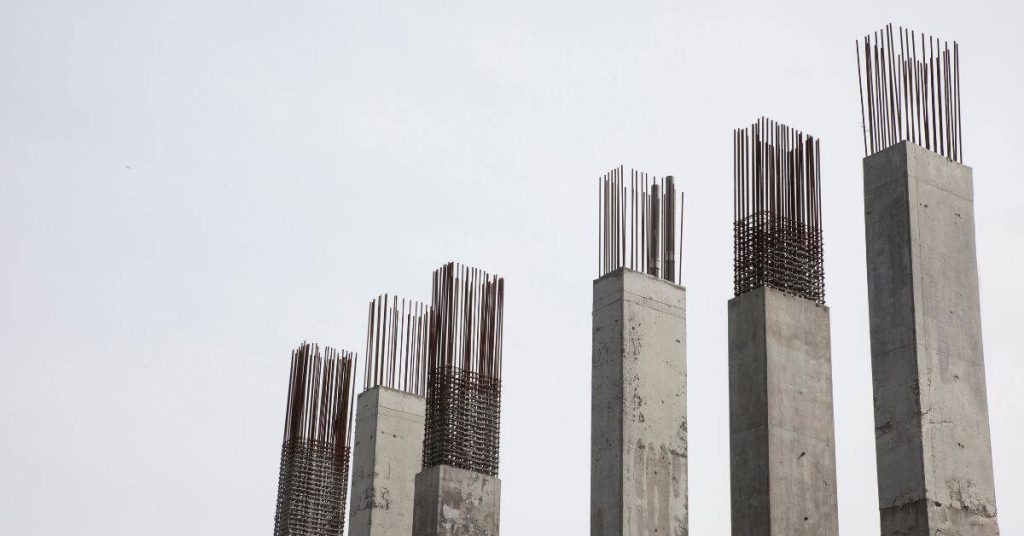
Concrete columns with exposed rebar against sky

Matching Old Exposed Aggregate Concrete: Patching, Extensions, and Blending Stone Mixes

Introduction Matching old exposed aggregate concrete means repairing and extending the surface so new material blends with the existing exposed aggregate. This hands-on approach focuses on color, texture, and the way stones recess with the surrounding mix. Take time to assess the current finish and plan how patching or extensions will align with the original

Matching Old Exposed Aggregate Concrete: Patching, Extensions, and Blending Stone Mixes Read More »

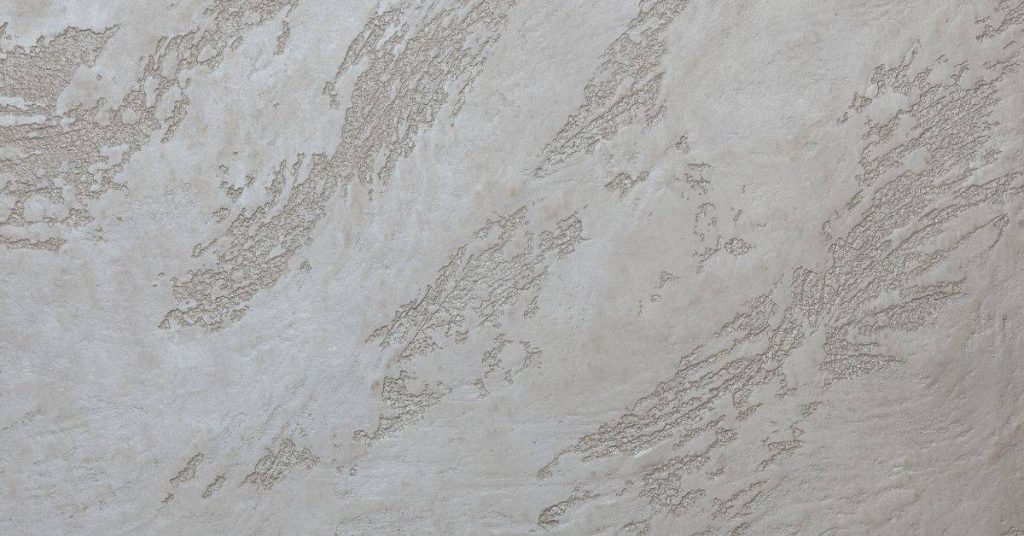
close-up of textured light grey plaster wall finish

Feather finish vs polymer patch: choosing a repair that won’t pop off in winter

Introduction Feather finish is a thin cement skin designed to feather the edges and blend with the surrounding concrete. Polymer patches are thicker repairs that use a polymer-based material to fill and bond, creating a solid patch that can be sanded smooth. In winter, prep is key: make sure the area is clean, dry, and

Feather finish vs polymer patch: choosing a repair that won’t pop off in winter Read More »

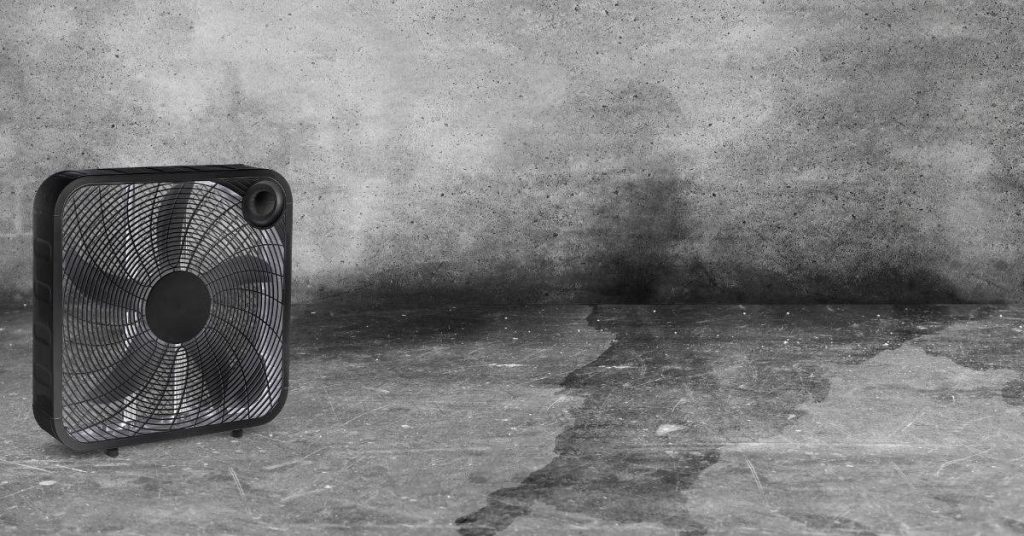
black box fan on concrete floor with dark moisture stains on wall and floor

Overlay vs full replacement: a decision guide based on movement, moisture, and thickness

Introduction Overlay vs full replacement is a choice between patching a deck with an overlay or tearing it out and rebuilding, based on movement, moisture, and thickness. For overlays, assess whether the existing concrete can accept an overlay without excessive cracking or movement, and follow manufacturer instructions and local rules. If movement is high or

Overlay vs full replacement: a decision guide based on movement, moisture, and thickness Read More »

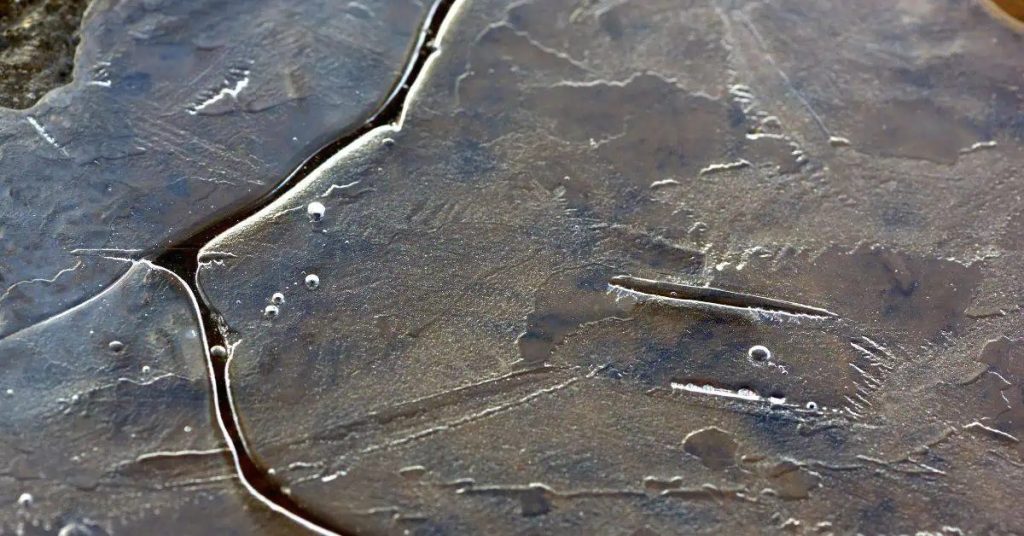
Closeup of cracked frozen soil surface with ice coatings

Freeze-thaw on brick patios: bedding, drainage, and joint fill that survives

Introduction Freeze-thaw on brick patios means water trapped in bedding, drainage, and joints can crack or lift bricks when temperatures swing below and above freezing. This article covers how to select bedding, manage drainage, and fill joints so a DIY patio can survive those cycles. You’ll focus on simple checks you can do before you

Freeze-thaw on brick patios: bedding, drainage, and joint fill that survives Read More »

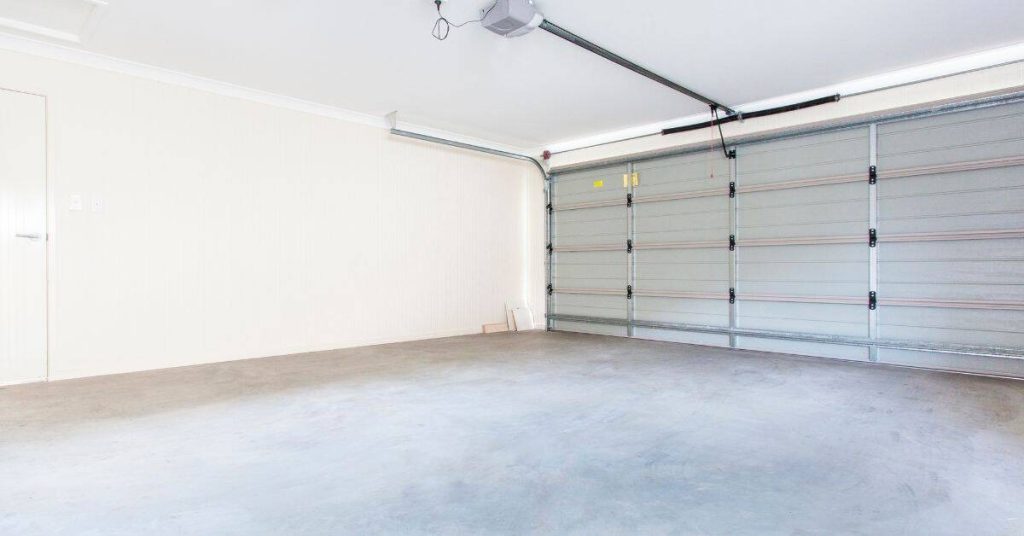
Empty garage with concrete floor and closed metal door

Dusty garage slabs: when sweeping and densifiers help and when resurfacing is the only fix

Introduction Dusty garage slabs are concrete floors that shed fine dust from the surface as you walk on them. Causes include worn surface, moisture, and exposure to chemicals or abrasion from vehicles and tools. Keeping the area swept and free of grit helps you see how bad the dust problem is and what needs doing

Dusty garage slabs: when sweeping and densifiers help and when resurfacing is the only fix Read More »