Search Results for: drywall op

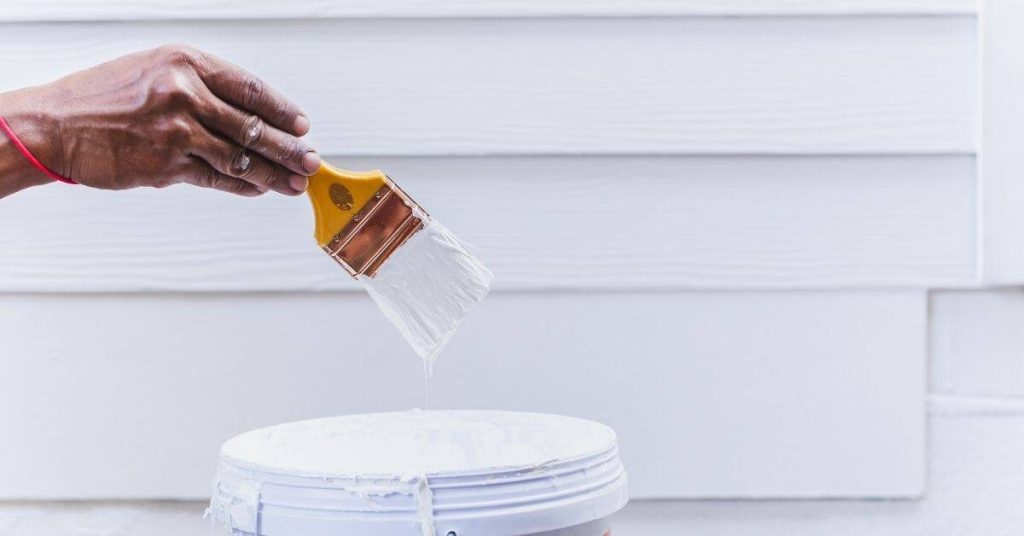
Hand dipping paintbrush into white paint bucket

Cutting In on Rough Surfaces: Brush Choice and Edge Tricks That Keep Lines Clean

Introduction Cutting in on rough surfaces means using the right brush and a few edge tricks so your paint lines stay sharp even when the substrate is irregular. In practice that means choosing a brush filament and size that match the material and paint—check the product label and manufacturer instructions for compatibility—and using steady pressure […]

Cutting In on Rough Surfaces: Brush Choice and Edge Tricks That Keep Lines Clean Read More »
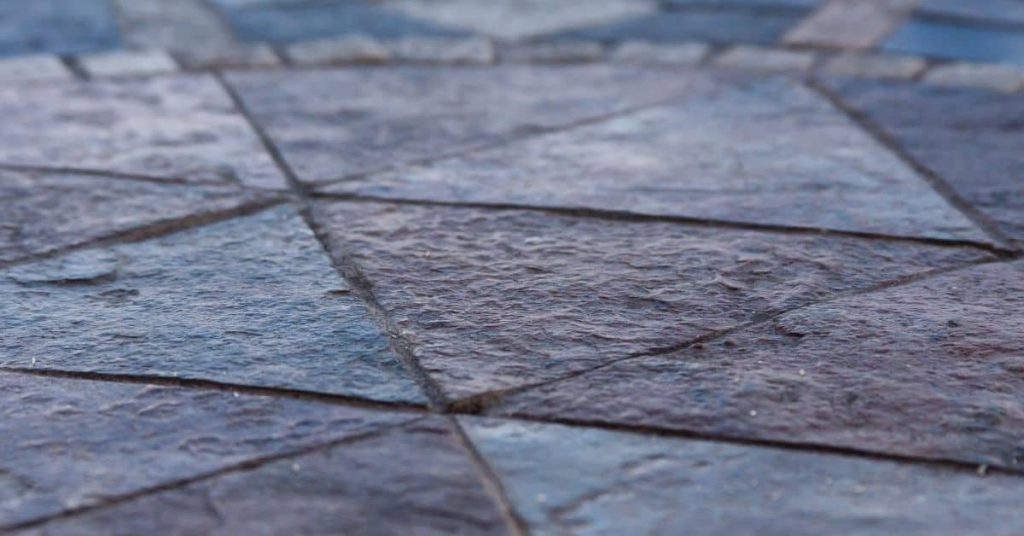
Close-up of textured stamped concrete floor surface

Concrete pH Testing for Paint and Coatings: Simple DIY Methods and Pass/Fail Numbers

Introduction Concrete pH testing for paint and coatings is a simple check to see if the surface is too alkaline for a coating to stick and perform. In plain jobsite terms, it means taking a quick sample or using a test strip to read the surface pH, then comparing that result to the coating maker’s

Concrete pH Testing for Paint and Coatings: Simple DIY Methods and Pass/Fail Numbers Read More »

Three paintbrushes and a paint roller on plastic sheet

How to Paint in Shoulder Seasons: Cold Nights, Warm Days, and Dry-Time Reality

Introduction Painting in shoulder seasons means working when days can be warm enough for paint to cure but nights drop cold enough to slow or stop drying; it’s about timing coats around daily temperature swings and humidity. In plain terms: plan for shorter workable windows, watch overnight lows, and choose products that tolerate those swings

How to Paint in Shoulder Seasons: Cold Nights, Warm Days, and Dry-Time Reality Read More »

Person painting white kitchen cabinets with brush

Kitchen Paint Durability: Scrub Ratings, Sheens, and Grease-Contamination Prep

Introduction Kitchen paint durability means how well paint stands up to scrubbing, moisture, and greasy hands over time; choose products and prep methods that resist wear and wipe clean. For a DIY job, that means matching paint sheen and scrub rating to the room’s use and tackling grease and dirt before you paint. If you’re

Kitchen Paint Durability: Scrub Ratings, Sheens, and Grease-Contamination Prep Read More »

Hand rolling blue paint onto white wall with paint roller

Bathroom Paint Systems: When ‘Mildew-Resistant’ Paint Isn’t Enough

Introduction “Mildew-resistant” paint is a product label that means the coating resists surface mold under normal conditions, but it isn’t a full waterproofing or mold-removal system. In a bathroom that gets heavy steam or has leaks, the paint alone can fail; check product labels and manufacturer instructions to understand limits and recommended substrate prep. A

Bathroom Paint Systems: When ‘Mildew-Resistant’ Paint Isn’t Enough Read More »

Paint roller with blue handle resting on paint tray

How to Load a Roller Correctly: Coverage, Splatter Control, and Avoiding Dry Roll

Introduction Loading a roller correctly means getting enough paint into the nap so it lays down an even coat without dripping or running. Think of it like charging a sponge: dip, roll out on the tray until it’s saturated but not shedding, and work in manageable sections so you keep the roller loaded. This prevents

How to Load a Roller Correctly: Coverage, Splatter Control, and Avoiding Dry Roll Read More »

Two open paint cans and two paintbrushes on wooden planks

Shellac vs Oil vs Waterborne Primers: Odor, Dry Time, and Stain-Blocking Tradeoffs

Introduction Shellac, oil, and waterborne primers are different types of sealers with distinct strengths: shellac blocks severe stains and dries fast, oil handles tannin bleed and adhesion well, and waterborne is low-odor and easy to clean; pick by which tradeoff—odor, dry time, or stain-blocking—matters most to your job. Think practical: check the product label and

Shellac vs Oil vs Waterborne Primers: Odor, Dry Time, and Stain-Blocking Tradeoffs Read More »

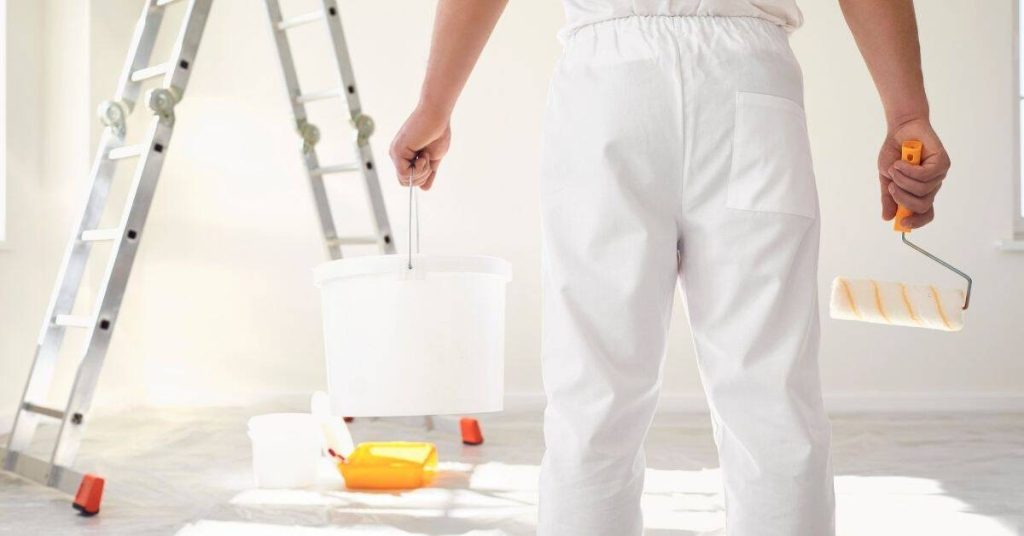
Person in white clothes holding paint roller and bucket near ladder

Painter’s Tape Alternatives: Liquid mask, edge sealers, and when they beat tape

Introduction Painter’s tape alternatives are products and techniques—like liquid masking, edge sealers, and specialty sealants—that block paint or create clean edges where tape isn’t ideal. They work best on irregular surfaces, tight curves, or when tape would lift or leave residue, but check the product label and manufacturer instructions for surface compatibility and drying time.

Painter’s Tape Alternatives: Liquid mask, edge sealers, and when they beat tape Read More »