Search Results for: dry silicone sand

Two black rectangular planters with green plants outside white house

Ferrocement Planters and Thin Structures: Mesh Layout, Mortar Mix, and Curing

Introduction Ferrocement is a thin, reinforced cement mortar system that uses mesh and a cementitious mix to build lightweight, curved shells like planters. It relies on multiple coats and a strong mesh lattice to hold shape and resist cracking. It’s a hands-on technique that you can adapt for small DIY projects, with attention to formwork […]

Ferrocement Planters and Thin Structures: Mesh Layout, Mortar Mix, and Curing Read More »
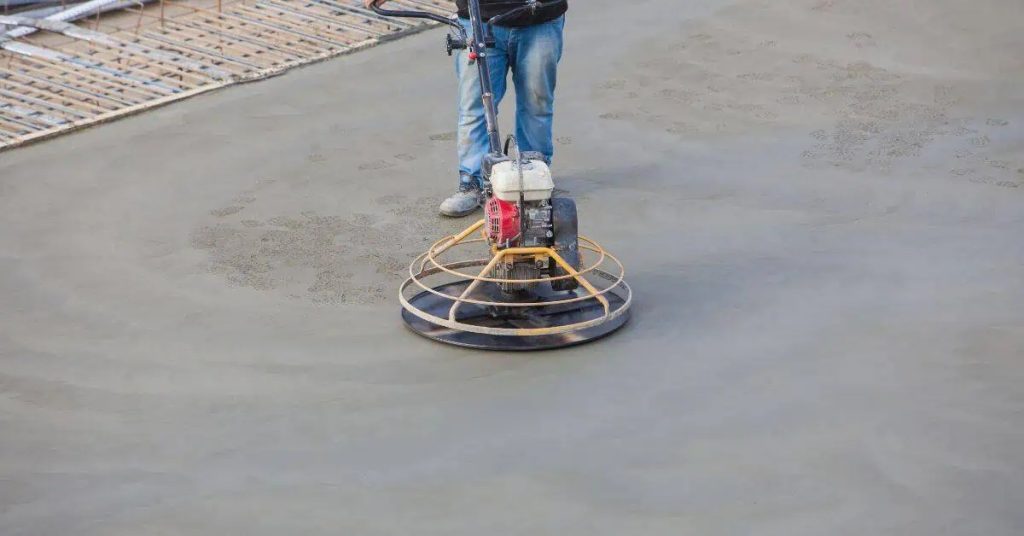
person using power trowel on wet concrete slab

Foamed Concrete for Lightweight Planters and Fill: DIY Mixing, Placing, and Finishing

Introduction Foamed concrete is a lightweight mix used for making planters and fill, mixed with air-entraining foam to reduce weight. This article walks you through practical, hands-on steps for mixing, placing in forms, and finishing for a durable, good-looking result. Check the product instructions and local rules for material limits before you start. Choose the

Foamed Concrete for Lightweight Planters and Fill: DIY Mixing, Placing, and Finishing Read More »

Concrete countertop with sink cutout and dark metal faucet

DIY Concrete Countertops with Superplasticizer: Mixing, Placement, and Finishing

Introduction DIY concrete countertops with superplasticizer are hand-poured countertop slabs that use a superplasticizer to improve flow and reduce slump. This article covers mixing, placement, and finishing in plain, hands-on terms. You’ll learn what to check on the product label, how to prep forms, and how to avoid common mistakes. Mixing, placing, and finishing require

DIY Concrete Countertops with Superplasticizer: Mixing, Placement, and Finishing Read More »

Indoor view through window blinds showing green plants outside

EIFS Window Detailing Basics: Backwrapping, Sealant Joints, and Common DIY Failures

Introduction EIFS window detailing is the practical work of wrapping the window opening with the EIFS base and mesh, backwrapping the flange or jamb, and creating sealed, jointed transitions so water and movement stay out. Think of it as three chores: proper substrate prep and flashing, neat backwrap techniques that embed mesh into the basecoat,

EIFS Window Detailing Basics: Backwrapping, Sealant Joints, and Common DIY Failures Read More »

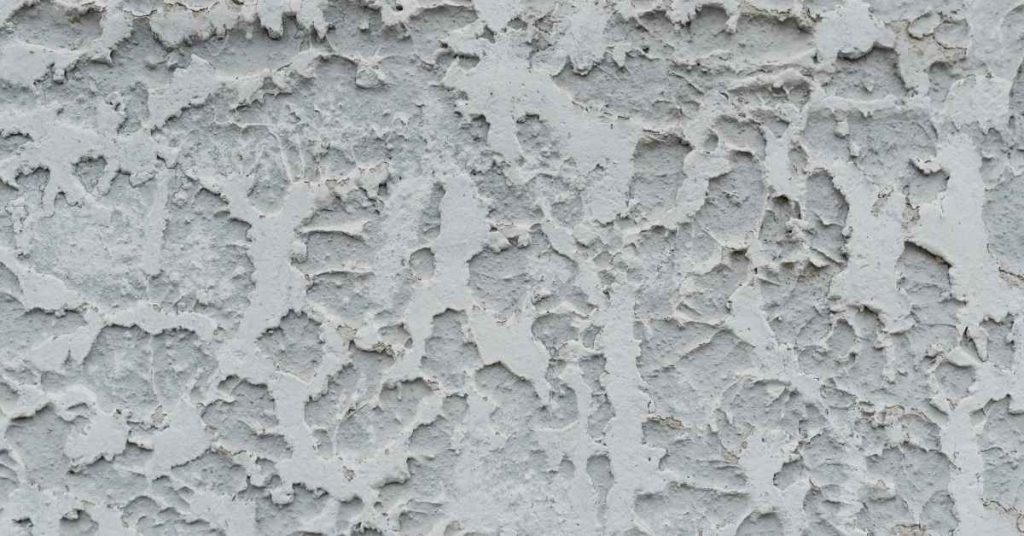
Close-up of rough textured gray stucco wall surface

How to Identify EIFS vs Hard-Coat Stucco: Simple On-Wall Tests

Introduction EIFS is an exterior insulation system with a foam board base and a thin textured finish, while hard-coat stucco is a cement-based, multi-layered plaster bonded to masonry or a lath substrate. In plain jobsite terms: EIFS feels lighter and can have a separation behind the finish, whereas hard-coat stucco is rigid and is trowel-applied

How to Identify EIFS vs Hard-Coat Stucco: Simple On-Wall Tests Read More »

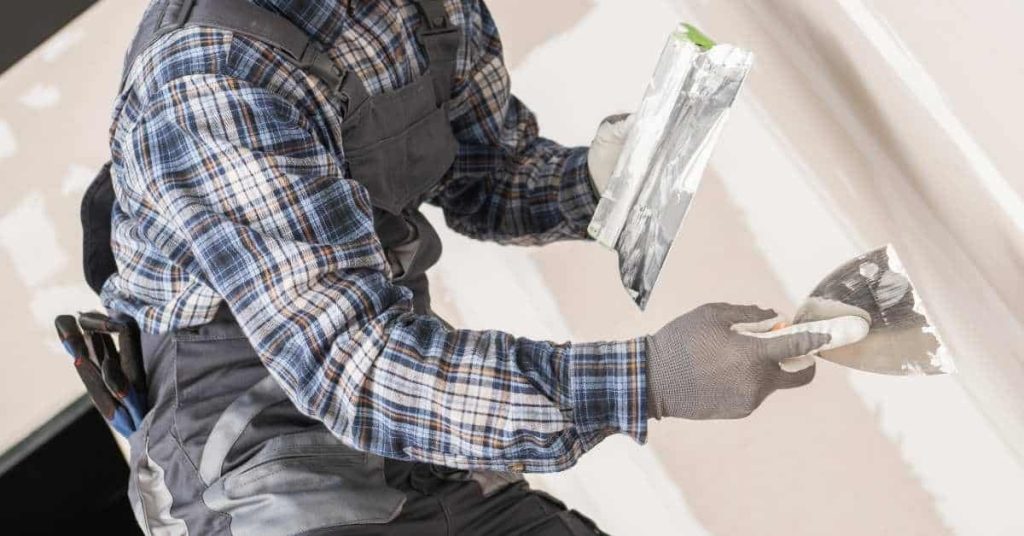
Person applying plaster to plaster cornice with trowel and spatula

Plaster Cornice Repairs: Making Simple Running Molds for Clean Profiles

Introduction Plaster cornice repairs using simple running molds means making a flexible or straight guide that lets you press or cast matching profile runs to restore damaged cornice sections. It’s a hands‑on jig you shape to the original profile and use to form or press repair material in place. This approach is practical for small

Plaster Cornice Repairs: Making Simple Running Molds for Clean Profiles Read More »

Hand smoothing plaster on wall with trowel

Polished Lime Plaster in Wet Areas: What ‘Waterproof’ Really Means and Safe Details

Introduction Polished lime plaster in wet areas is not automatically waterproof; it’s a breathable finish that can resist splashes when detailed and sealed correctly. In practice that means treating the wall system—substrate, cement backer, membranes, and sealers—as a complete assembly rather than relying on the lime plaster alone. Check product labels and manufacturer instructions for

Polished Lime Plaster in Wet Areas: What ‘Waterproof’ Really Means and Safe Details Read More »

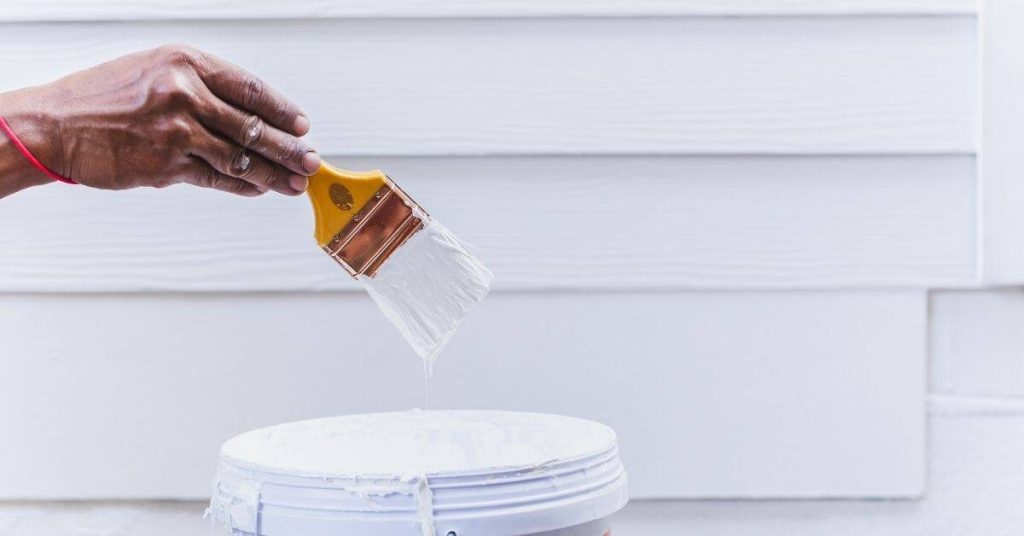
Hand dipping paintbrush into white paint bucket

Cutting In on Rough Surfaces: Brush Choice and Edge Tricks That Keep Lines Clean

Introduction Cutting in on rough surfaces means using the right brush and a few edge tricks so your paint lines stay sharp even when the substrate is irregular. In practice that means choosing a brush filament and size that match the material and paint—check the product label and manufacturer instructions for compatibility—and using steady pressure

Cutting In on Rough Surfaces: Brush Choice and Edge Tricks That Keep Lines Clean Read More »

Hand painting wooden cabinet door with blue paint roller

Painting Over Old Limewash: Identification, Neutralization, and Best Primers

Introduction Painting over old limewash can be a challenge due to its unique composition and properties. This guide will help you identify, neutralize, and prime your limewashed surfaces for successful painting. Key takeaways Identify limewash by chalky finish, mineral content, and matte, breathable film. Test adhesion with scrape and moisture penetration before priming. Contain dust,

Painting Over Old Limewash: Identification, Neutralization, and Best Primers Read More »

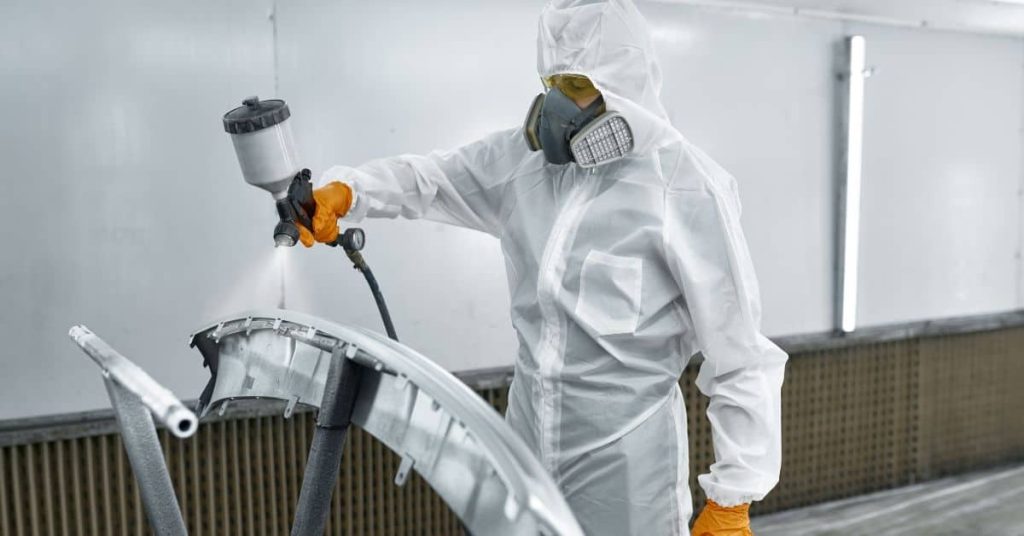
Person in protective suit spray painting a metal car part

Painting Copper and Brass: Preventing Tarnish Under Clear Coats

Introduction Painting copper and brass to prevent tarnish under clear coats means preparing the metal, using the right sealer or barrier primer, and choosing a clear finish that won’t allow corrosion to spread. In plain terms: clean and remove tarnish, treat or isolate reactive metal, and topcoat with a compatible clear product. Check product labels

Painting Copper and Brass: Preventing Tarnish Under Clear Coats Read More »