Search Results for: drill bit for concrete

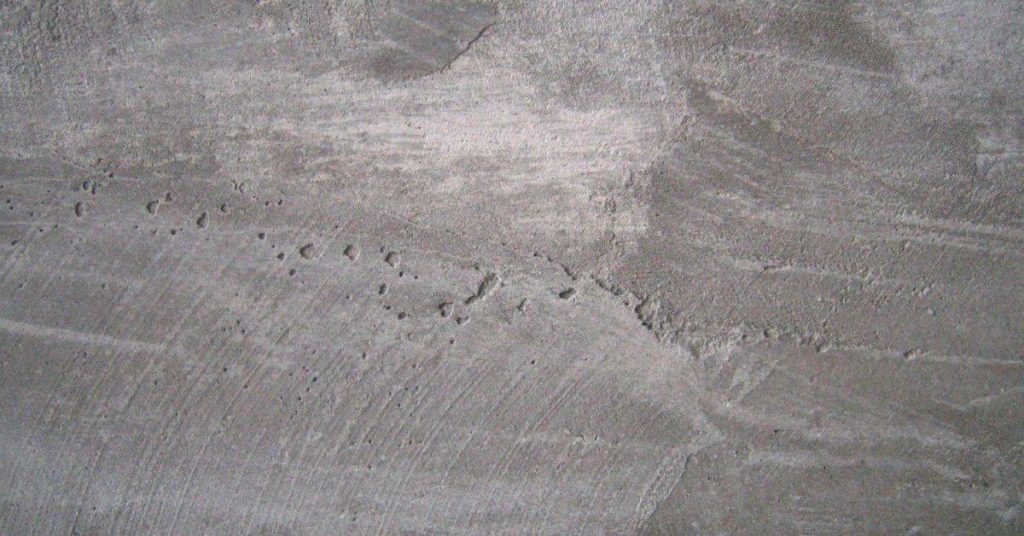
Close-up of old concrete surface with surface pitting and rough texture

Anchoring into Old Concrete: When the Surface Lies and How to Test Strength

Introduction Anchoring into old concrete means attaching hardware to an existing slab or wall when the surface may be uneven or compromised. The key is to verify whether the concrete can hold fasteners and to choose a method that matches the condition of the surface. This needs practical, hands-on steps rather than guesswork. To test

Anchoring into Old Concrete: When the Surface Lies and How to Test Strength Read More »

Large precast concrete walls supported by steel braces at construction site

Concrete Anchor Layout for Wall Plates: Spacing, Edge Distance, and Fixing Misplaced Holes

Introduction Concrete anchor layout for wall plates means placing anchors in concrete at proper spacing and edge distance to securely fasten wall plates. Do not guess—measure and follow the fastener manufacturer’s guidance and any local rules, then plan spacing that keeps edges solid and the plate level. This article gives a plain‑language look at how

Concrete Anchor Layout for Wall Plates: Spacing, Edge Distance, and Fixing Misplaced Holes Read More »

Close-up of old concrete surface with small holes and discoloration

Anchoring into Old Concrete: When the Surface Lies and How to Test Strength

Introduction Old concrete can be unreliable for anchors because the surface may lie about overall strength. The outer layer can look solid even when cores are weak. That means you need a simple test to verify what you’re drilling into. Start by listening for a hollow sound and looking for flaking, spalling, or cracks near

Anchoring into Old Concrete: When the Surface Lies and How to Test Strength Read More »

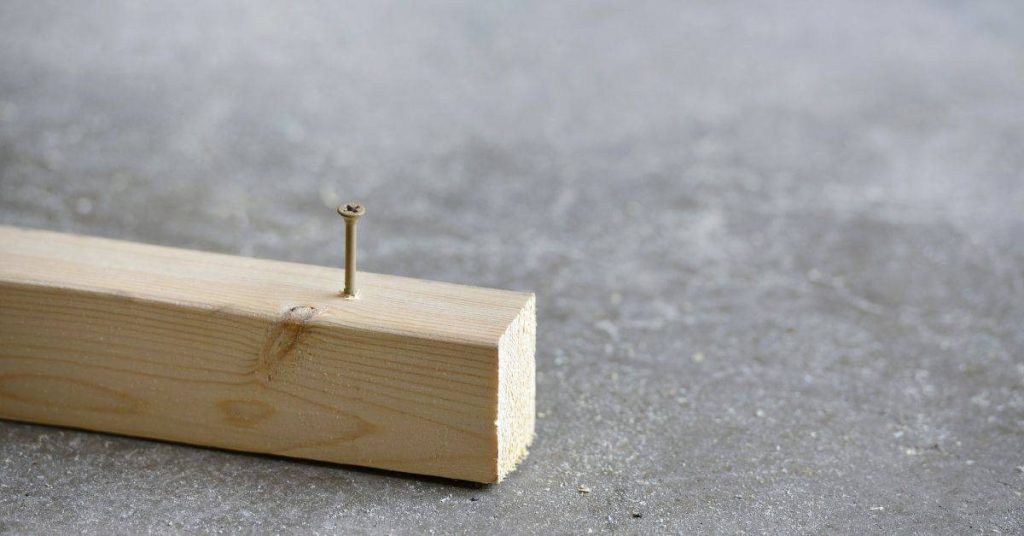
Wood block with nail inserted standing on concrete surface

Concrete Countertops With Inlays: Brass, Glass, Wood—Bonding and Differential Movement

Introduction Concrete countertops with inlays are countertops that embed brass, glass, or wood accents into the concrete surface. This article gives a practical, hands-on look at how to plan, mix, and place those inlays so they stay put. The goal is a durable, smooth surface you can live with, not a museum piece. We cover

Concrete Countertops With Inlays: Brass, Glass, Wood—Bonding and Differential Movement Read More »

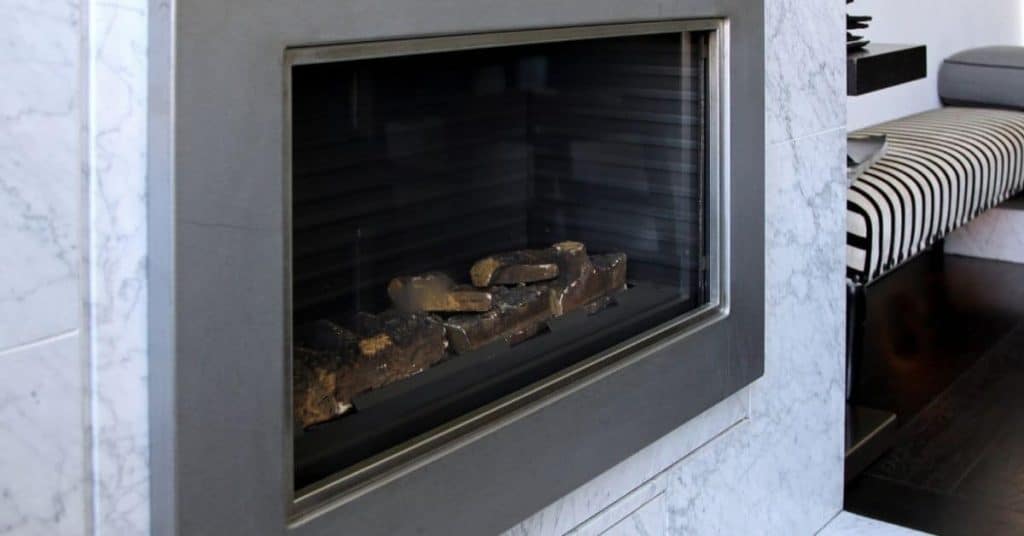
Modern gas fireplace with marble surround and striped bench nearby

Concrete Fireplace Surrounds: Heat Cycling, Crack Control, and Safe Clear-Coat Options

Introduction Concrete fireplace surrounds are finished concrete frames around a fireplace that can handle heat cycling with proper care. They need attention to how heat shifts and ages the surface, especially where the surround meets the hearth and mantel. The goal is a durable, even finish that resists cracking and looks good for years. Crack

Concrete Fireplace Surrounds: Heat Cycling, Crack Control, and Safe Clear-Coat Options Read More »

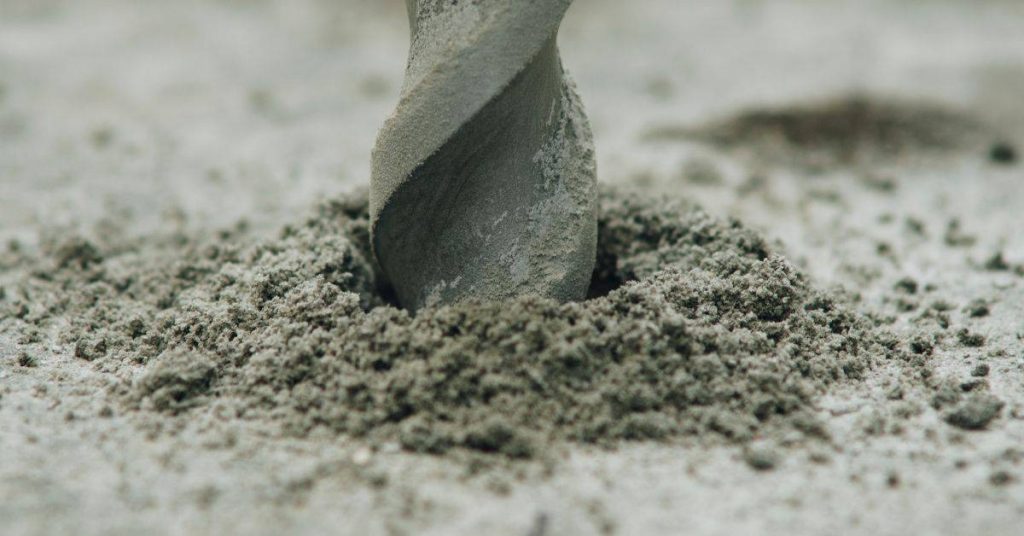
Concrete drill bit drilling into concrete with dust around

Bush-Hammered Concrete Finish: Tools, Dust Control, and Where It Makes Sense

Introduction Bush-hammered concrete finish is a textured surface created by striking the concrete with bush-hammer tools to expose the aggregate and create a rough, irregular pattern. This guide helps you think through what tools work, how to control dust, and where the finish makes sense in a DIY project. You’ll find practical notes on safety

Bush-Hammered Concrete Finish: Tools, Dust Control, and Where It Makes Sense Read More »

Precast concrete wall panels stacked outside a building

Concrete Micro-Inlays: Engraving, Filling With Colored Grout, and Sealing So It Stays Clean

Introduction Concrete micro-inlays are small engravings in concrete that are filled with colored grout and sealed to stay clean. The basic idea is to create a crisp line or pattern, then repair and protect it with color and a sealant. With the right hand tools and a steady hand, you can add simple lines or

Concrete Micro-Inlays: Engraving, Filling With Colored Grout, and Sealing So It Stays Clean Read More »

Covered porch with painted concrete floor and metal chairs

Controlling Sheen on Concrete Sealers: Matte vs Gloss, Slip Risk, and Maintenance Reality

Introduction Matte and gloss sealers define the look and reflectivity of a concrete surface. A matte finish hides minor wear but can be harder to keep clean, while a gloss finish is clearer but may show wear and slip risk more readily. This article gives a practical, DIY‑friendly overview of what to expect and how

Controlling Sheen on Concrete Sealers: Matte vs Gloss, Slip Risk, and Maintenance Reality Read More »