Search Results for: drill bit for concrete

Smooth light gray concrete wall surface

Surface-Bonding Cement on Dry-Stack Concrete Block: When It’s Allowed and How to Reinforce

Introduction Surface-bonding cement on dry-stack concrete block is a thin adhesive layer applied to the face of stacked blocks to improve bond and stability when allowed. It’s a practical option you can use to reinforce and tidy up a wall that’s already in place. Check your local rules and manufacturer instructions to know if this […]

Surface-Bonding Cement on Dry-Stack Concrete Block: When It’s Allowed and How to Reinforce Read More »

stacked precast concrete columns outdoors

Concrete Pop-Out Repairs: How Deep to Remove, What to Patch With, and How to Blend

Introduction A concrete pop-out is a damaged, loose piece of concrete that needs removal and repair. Treat it as a small excavation: remove the loose material and sound the edges to see how deep the void goes. This article shows a practical way to safely cut back, patch, and blend so the repair looks and

Concrete Pop-Out Repairs: How Deep to Remove, What to Patch With, and How to Blend Read More »

Steel formwork and concrete slab base under construction

Concrete Around Steel Posts: Base Plates, Grout Pads, and Drainage That Prevents Rust

Introduction Concrete around steel posts with base plates, grout pads, and proper drainage helps prevent rust. This intro covers practical, hands-on steps you can take to set posts securely and keep moisture away from metal. You’ll want to consider how the post sits in the concrete, how the grout or pad supports it, and how

Concrete Around Steel Posts: Base Plates, Grout Pads, and Drainage That Prevents Rust Read More »

Concrete building columns and ceiling beams under blue sky

Deck Stair Footings in Concrete: Getting Below Frost Without Over-Digging

Introduction Deck stair footings are concrete supports placed below the frost line to keep stairs from heaving. This article explains how to do that without digging more than necessary. Check your local code and manufacturers for the exact depths and mix. Understanding frost depth, footing size, and concrete choices matters for a solid, long-lasting set.

Deck Stair Footings in Concrete: Getting Below Frost Without Over-Digging Read More »

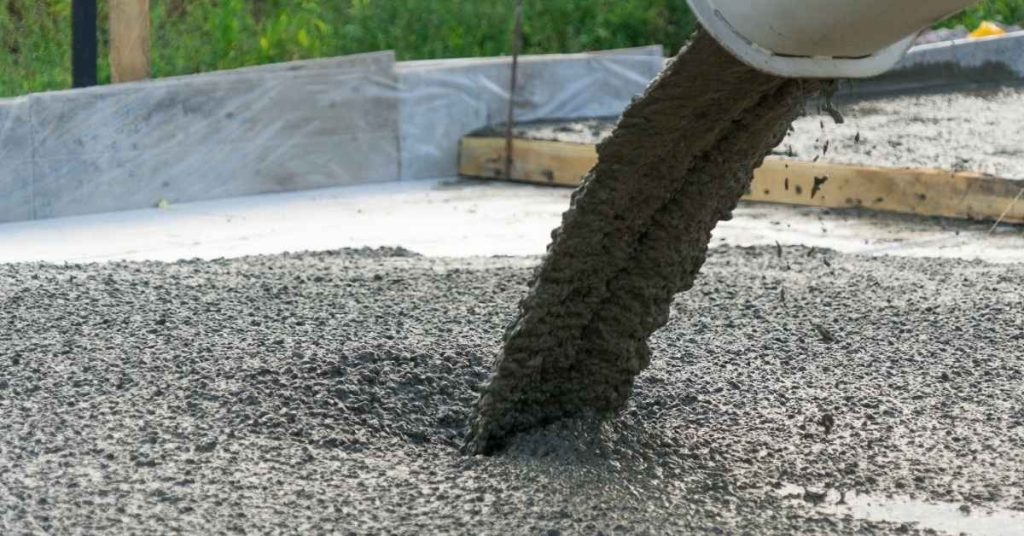
Concrete being poured onto slab framed by wood

Anchor Bolts in Fresh Concrete: Templates, Thread Protection, and Staying Dead-Accurate

Introduction Anchor bolts in fresh concrete are bolts placed before the pour to lock in exact locations for the structure. Getting them right means using simple templates, protecting threads during the pour, and checking alignment as you go. I’ll keep it plain and practical, with no fluff or guesswork. For proper placement, work from the

Anchor Bolts in Fresh Concrete: Templates, Thread Protection, and Staying Dead-Accurate Read More »

Rough grey concrete wall with varied texture

Strip vs Grind a Failed Sealer: Choosing the Safer Method for Your Concrete Texture

Introduction Stripping removes the sealer with chemicals or rollers, while grinding buffs away the old coating with a machine to reveal a new surface. The safer choice usually depends on the sealer type and how badly the texture is damaged. For most DIYers, start with a careful test area and a gentler approach to evaluate

Strip vs Grind a Failed Sealer: Choosing the Safer Method for Your Concrete Texture Read More »

Concrete building with vertical and horizontal structural elements

How to Patch Vertical Concrete Without Sag: Mix Stiffness, Bonding, and Lift Thickness

Introduction Patch vertical concrete without sag by using a stiff, workable mix that stays put once placed. Choose a mix with good bonding and low slump, and apply in quick, controlled strokes. Always check product labels and local guidelines to confirm compatible bonding agents and lift thickness. Keep the surface clean and dampened as needed,

How to Patch Vertical Concrete Without Sag: Mix Stiffness, Bonding, and Lift Thickness Read More »

Empty concrete parking garage with white pillars and ceiling

Sealing Concrete That’s Still Green: Safe Timing When You Can’t Wait 28 Days

Introduction Sealing concrete that’s still green means applying a sealer before the full curing time is finished. This can trap moisture and interfere with the concrete’s hardening. Always check the product label and local rules to know if sealing early is allowed and what risks to expect. If you can’t wait, use only sealers labeled

Sealing Concrete That’s Still Green: Safe Timing When You Can’t Wait 28 Days Read More »

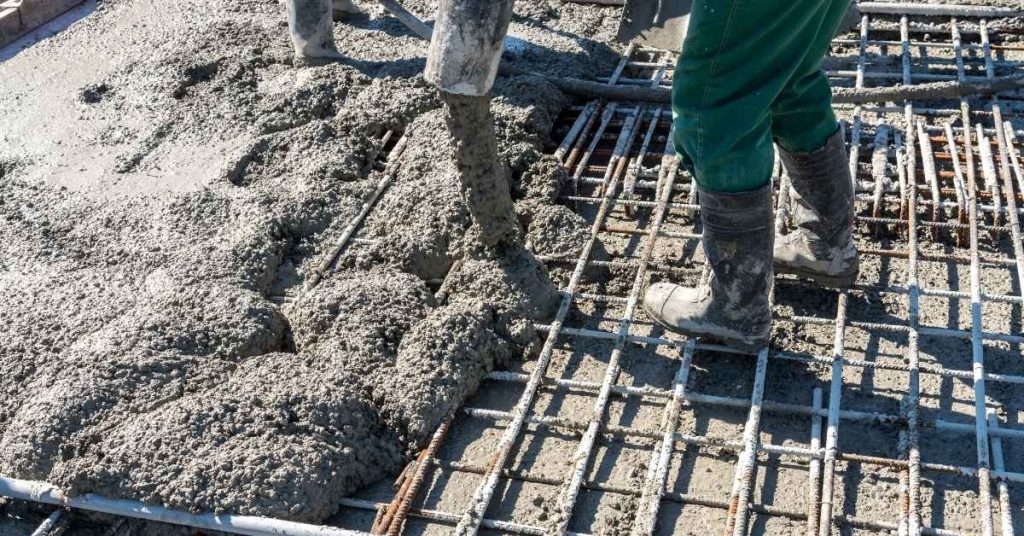
Worker pouring wet concrete over steel rebar grid

Repairing Concrete After Jackhammering Nearby: Microcracks, Prep, and Patch Adhesion

Introduction Repairing concrete after jackhammering nearby means fixing hairline cracks and damaged patches so the surface can take load again and look even. Microcracks form from vibration and shifts, and prep is needed to keep new material from pulling away. Start by cleaning dust and debris, then let the area dry. Roughen the surrounding concrete

Repairing Concrete After Jackhammering Nearby: Microcracks, Prep, and Patch Adhesion Read More »

Worker lifting concrete blocks wearing yellow gloves and helmet

Concrete Steps That Ice Over: Drainage Micro-Details That Reduce Slip Risk

Introduction Drainage micro-details are small design tweaks that keep water from pooling on concrete steps, reducing ice risk. This article walks you through practical, DIY-friendly ideas you can check and adjust on your own. Think in terms of grade, runoff paths, and surface texture rather than fancy products. Check for low spots, blocked drainage, or

Concrete Steps That Ice Over: Drainage Micro-Details That Reduce Slip Risk Read More »