Search Results for: dowel

White concrete pump truck boom arm above building railing

Concrete Repair Shrinkage: How to reduce edge cracking in patches

Introduction Shrinkage edge cracking is cracks that form along the edges as concrete hardens and dries. This happens when moisture leaves the mix and the surface contracts more than the underlying material. It’s common in patches, especially with rapid drying or temperature swings. Cracks come in different kinds, like hairline shrinkage cracks or wider splits […]

Concrete Repair Shrinkage: How to reduce edge cracking in patches Read More »
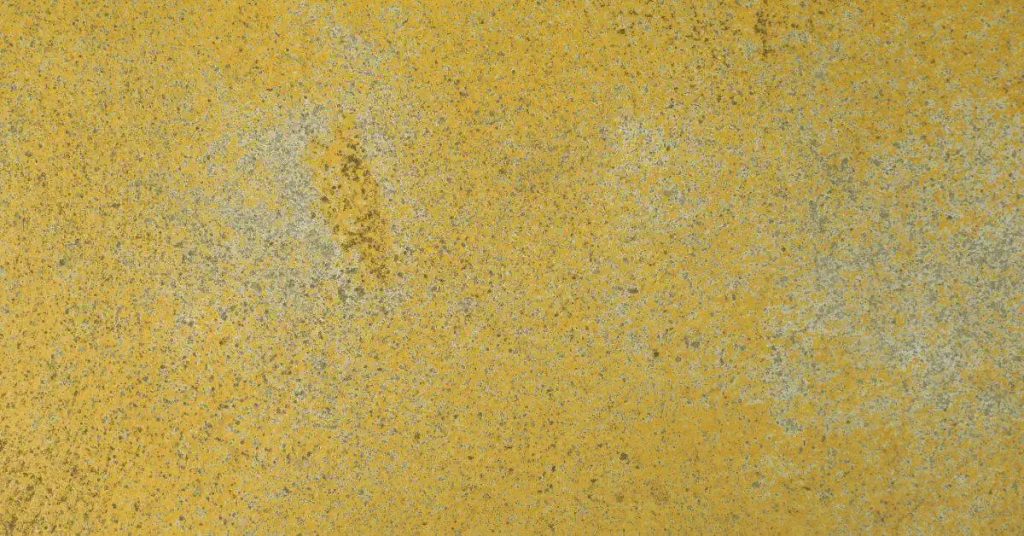
yellow stained concrete surface with varying texture

Concrete Surface Delamination: Causes, diagnosis, and repair that lasts

Introduction Delamination is the surface layer of concrete peeling or separating from the underlying concrete, creating a patchy, hollow feel. It often shows up as a dull patch that may flake or sound hollow when tapped. Lightly tapping suspect areas can help you spot where the top lift isn’t bonded well. To diagnose, look for

Concrete Surface Delamination: Causes, diagnosis, and repair that lasts Read More »

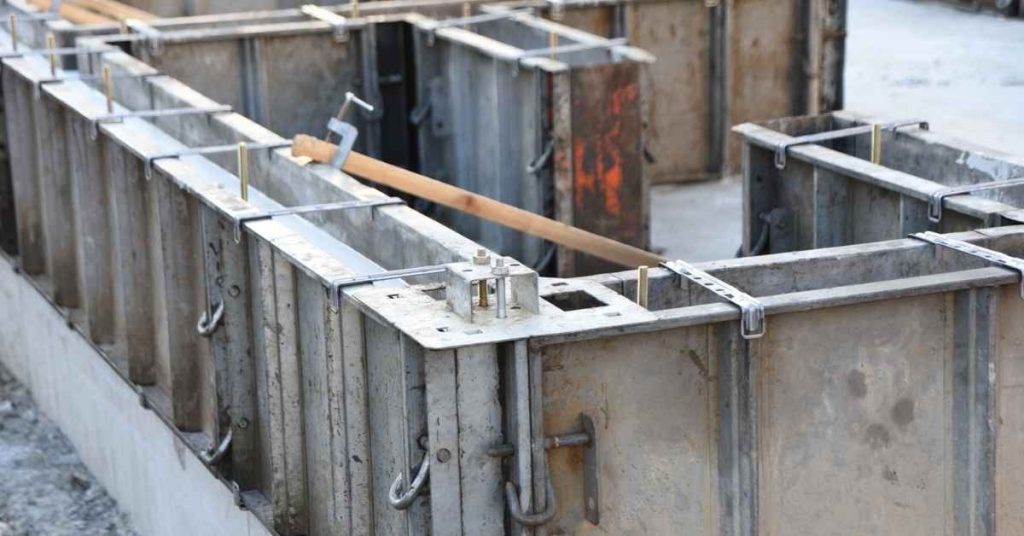
Metal concrete formwork arranged to shape a corner

Concrete That Cracks at Re-Entrant Corners: Layout tricks to reduce stress cracks

Introduction Re-entrant corners are sharp, inward-facing corners in a concrete layout where cracks tend to start. This article covers simple layout tricks to reduce those stress cracks during pouring and finishing. You’ll learn practical ideas you can apply on a DIY project without fancy tools. Using radiused corners and properly placed joint lines helps lower

Concrete That Cracks at Re-Entrant Corners: Layout tricks to reduce stress cracks Read More »

Concrete being poured from chute onto prepared slab area

Concrete Against Existing Slabs: How to pour next to old concrete without cracks

Introduction Pouring new concrete next to an existing slab requires careful planning to prevent cracks. You’ll need a clean joint, proper isolation, and a compatible mix to control movement. Inspect the existing slab for movement, moisture, or coating and plan the joint and bonding approach accordingly. Always verify with the product label, manufacturer instructions, or

Concrete Against Existing Slabs: How to pour next to old concrete without cracks Read More »

Black freestanding bathtub on dark concrete floor

Concrete Under Heavy Shelving: Load distribution and avoiding point-load cracking

Introduction Concrete under heavy shelving means the floor must spread a concentrated weight over a larger area to prevent cracking. In plain terms, a point load is a high force on a small spot that can pinhole or crack the slab. This is a practical, hands-on issue you’ll manage by checking how the load sits

Concrete Under Heavy Shelving: Load distribution and avoiding point-load cracking Read More »

Workers pouring concrete over steel rebar on construction site

Monolithic Slab Thickened Edge: Layout, Rebar, and Insulation Details

Introduction A monolithic slab thickened edge is a single concrete slab with a wider edge around the perimeter to act as part of the structural footing. It combines layout, reinforcement, and thermal details in one pour for a simpler, continuous structure. In plain terms, you’re planning the edge thickness, where the rebar goes, and how

Monolithic Slab Thickened Edge: Layout, Rebar, and Insulation Details Read More »

Concrete countertop with integrated sink and black faucet

Concrete Countertop Forms: Melamine vs Plastic vs Silicone Edges (Best Options)

Introduction Edge forms for a concrete countertop include melamine, plastic, and silicone options that shape and support the pour as it cures. Each type offers a different surface finish and release feel, so you’ll want to align your choice with the project needs. Always check the product label and manufacturer instructions, and confirm any local

Concrete Countertop Forms: Melamine vs Plastic vs Silicone Edges (Best Options) Read More »