Search Results for: dowel

Close-up of cracked concrete surface with fine fissure

A Concrete Curb That Won’t Crack Off: Keyways, Dowels, and Joint Strategy

Introduction A concrete curb that won’t crack off relies on proper keyways, dowels, and joints to control movement. Keyways help lock the curb to the adjoining slab, dowels transfer load across joints, and joints manage where cracking can safely occur. This DIY overview will explain the ideas in plain language and what to check on […]

A Concrete Curb That Won’t Crack Off: Keyways, Dowels, and Joint Strategy Read More »

Three workers pouring concrete over rebar framework outdoors

Pouring a Concrete Ramp Over an Existing Slab: Bond Breakers, Dowels, and Slope Math

Introduction Pouring a concrete ramp over an existing slab means adding a new ramp surface on top of the old slab and tying it together properly. Make sure the bond between old and new concrete is controlled with the right bond breaker plan and reinforcement setup. I’ll use bond breakers where they’re needed to prevent

Pouring a Concrete Ramp Over an Existing Slab: Bond Breakers, Dowels, and Slope Math Read More »

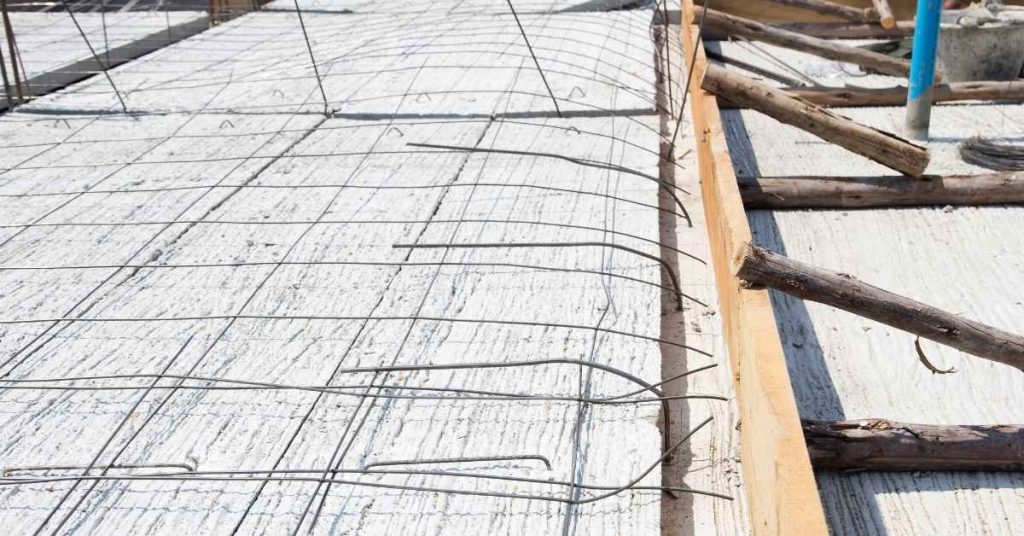
Concrete slab form with wire rebar grid and bent dowels

How to Tie Slab Reinforcement Into a Footing: Dowels, Hooks, and Keeping Cover Correct

Introduction Tieing slab reinforcement into a footing means securely connecting the steel in the footing to the steel in the slab so the two act as a single unit. Use dowels or hooks to link the bars where the slab meets the footing, and keep them clean, straight, and properly aligned. Always tie with the

How to Tie Slab Reinforcement Into a Footing: Dowels, Hooks, and Keeping Cover Correct Read More »

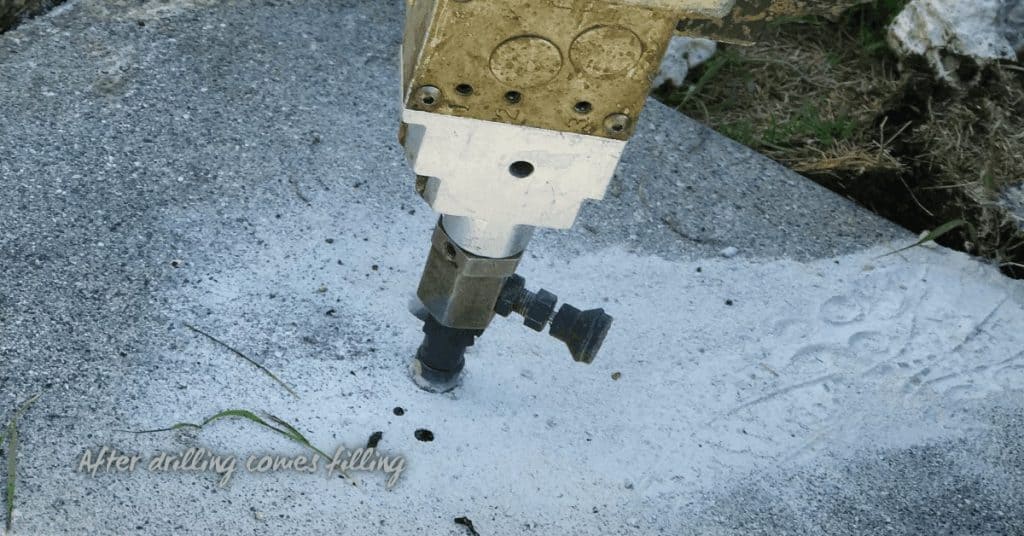
Close up of a concrete core drilled hole with wet slurry and orange pipe

Epoxy Setting Rebar Dowels: Hole Size, Cleaning, and Cure Time Basics

Introduction Epoxy setting rebar dowels are epoxy-anchored steel rods installed into concrete to transfer load. Getting the hole size, cleaning, and cure time right is a hands-on, DIY task you can manage with common tools. Check the manufacturer instructions for exact hole diameters, cleaning steps, and cure-time guidance. Hole size requirements vary by product, so

Epoxy Setting Rebar Dowels: Hole Size, Cleaning, and Cure Time Basics Read More »

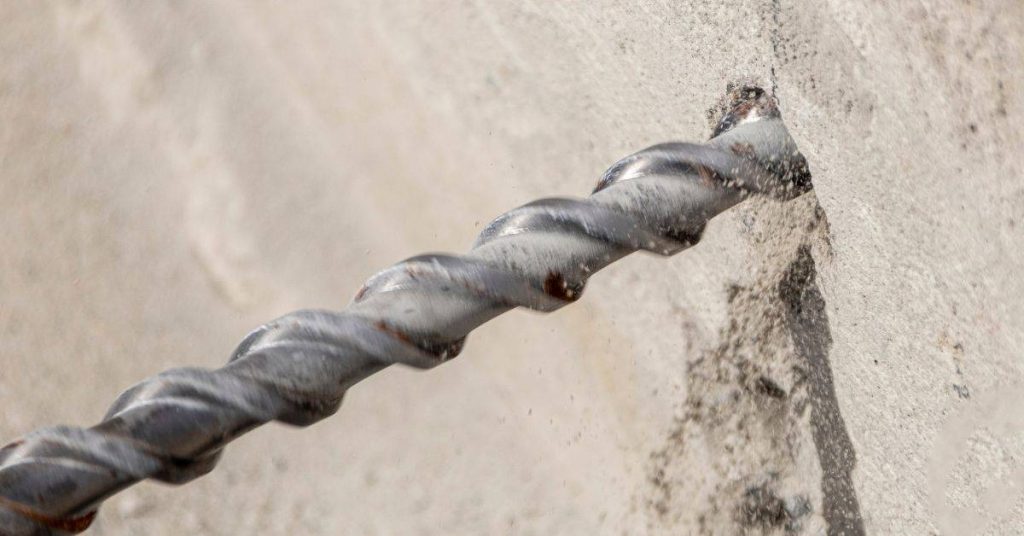
Close up of drill bit penetrating concrete surface

Drilling Rebar Dowels: How Deep to Go and How to Avoid Blowouts

Introduction Drilling rebar dowels is the process of making a hole that the steel bar can sit in securely. Key takeaways Verify embedment depth per plans and code requirements before drilling. Choose drill bits matching hole diameter and concrete hardness per label. Drill slowly with steady pressure to reduce blowouts and surface spalling risk. Clean

Drilling Rebar Dowels: How Deep to Go and How to Avoid Blowouts Read More »

Concrete being poured into wooden forms

How to Repair a Broken Concrete Curb Corner: Forms, Dowels, and Texture Matching

Introduction Repairing a broken concrete curb corner means removing loose material, rebuilding a solid edge with a form and dowels for reinforcement, and matching the original texture so the patch blends in. This is a hands-on job that requires cleaning the area, choosing a compatible concrete or patch mix, and setting simple forms to get

How to Repair a Broken Concrete Curb Corner: Forms, Dowels, and Texture Matching Read More »

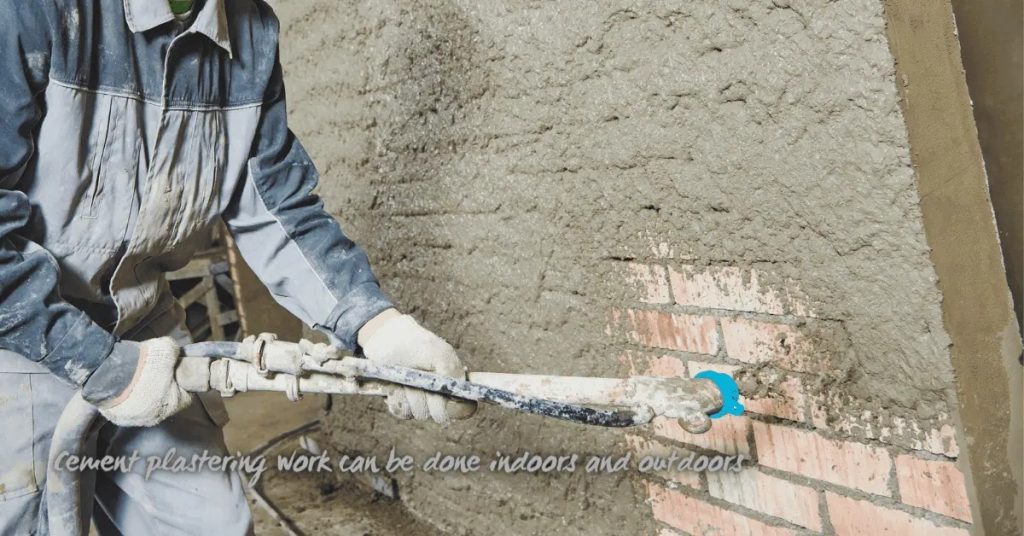
Worker spraying cement plaster on brick wall indoors

Bonding Old to New Concrete at Vertical Faces: Keys, Dowels, and Epoxy vs Cement Slurry

Introduction Bonding old to new concrete at a vertical face means creating a mechanical and/or adhesive connection so the new pour acts like part of the same structure. That usually comes down to creating keys or dowels for mechanical interlock and choosing an appropriate bonding agent—epoxy or cement slurry—based on strength needs and manufacturer instructions.

Bonding Old to New Concrete at Vertical Faces: Keys, Dowels, and Epoxy vs Cement Slurry Read More »

Keyways Vs Dowels: Which Joint Detail Helps More for Small Residential Pours

Keyways Vs Dowels: Which Joint Detail Helps More for Small Residential Pours

Introduction Keyways generally provide more shear resistance and better alignment control than dowels for small residential pours. This guide walks through how to choose between them, what factors to consider in your project, and practical steps for planning, placement, and inspection to help you achieve a solid, durable joint. Key takeaways Keyways resist lateral shear

Keyways Vs Dowels: Which Joint Detail Helps More for Small Residential Pours Read More »

Drilling and Epoxying Dowels: Hole Cleaning Steps That Actually Make It Hold

Drilling and Epoxying Dowels: Hole Cleaning Steps That Actually Make It Hold

Introduction Before diving into dowel and epoxy repairs, you need to understand the basics. This method is ideal for fixing damaged concrete where strength and load-bearing capacity are essential. Proper preparation and execution can make all the difference between a lasting repair and a quick failure. Key takeaways Clean hole debris thoroughly to maximize epoxy

Drilling and Epoxying Dowels: Hole Cleaning Steps That Actually Make It Hold Read More »

How to Install Rebar Dowels to Tie a New Slab to an Existing One

How to Install Rebar Dowels to Tie a New Slab to an Existing One

Introduction Understanding the Role of Rebar Dowels in Concrete Structures Choosing the Right Tools and Materials for Installation Step-by-Step Guide to Installing Rebar Dowels in New Slabs Techniques for Retrofitting Rebar Dowels in Existing Slabs Common Challenges and Solutions in Dowel Installation Ensuring Long-Term Durability and Performance of Concrete Slabs Conclusion Introduction Did you know

How to Install Rebar Dowels to Tie a New Slab to an Existing One Read More »