Search Results for: curing

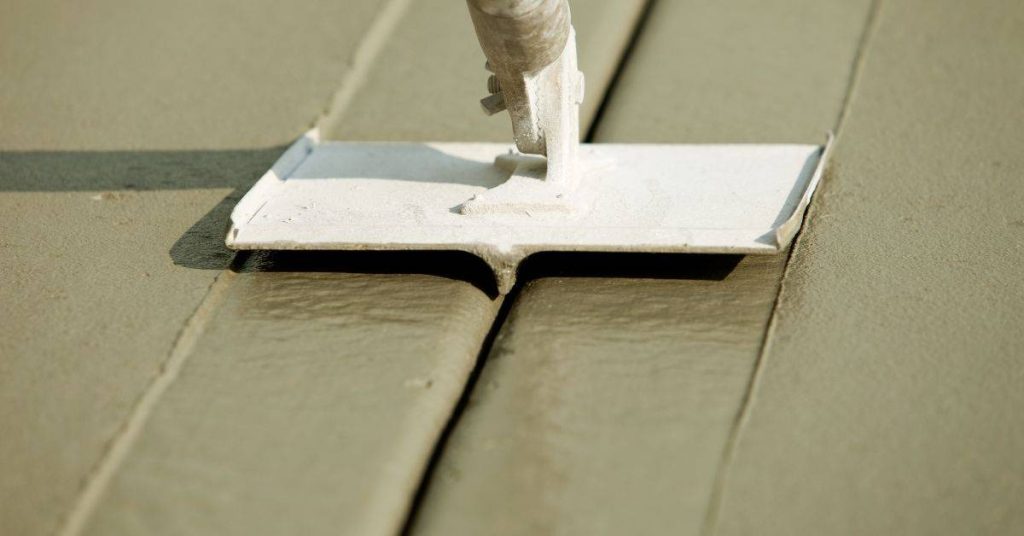
Trowel smoothing sealant in concrete joint

Sealant tooling tricks on concrete, stucco, and brick: backer rod, bond breakers, and getting clean lines

Introduction Sealant tooling tricks are the practical steps you use to finish joints on concrete, stucco, and brick with clean, smooth lines. This article covers backer rod, bond breakers, and straight-line tooling as core methods. It aims to help you get a neat, durable seal without guesswork. Sealants vary by material, so choose products appropriate […]
Sealant tooling tricks on concrete, stucco, and brick: backer rod, bond breakers, and getting clean lines Read More »

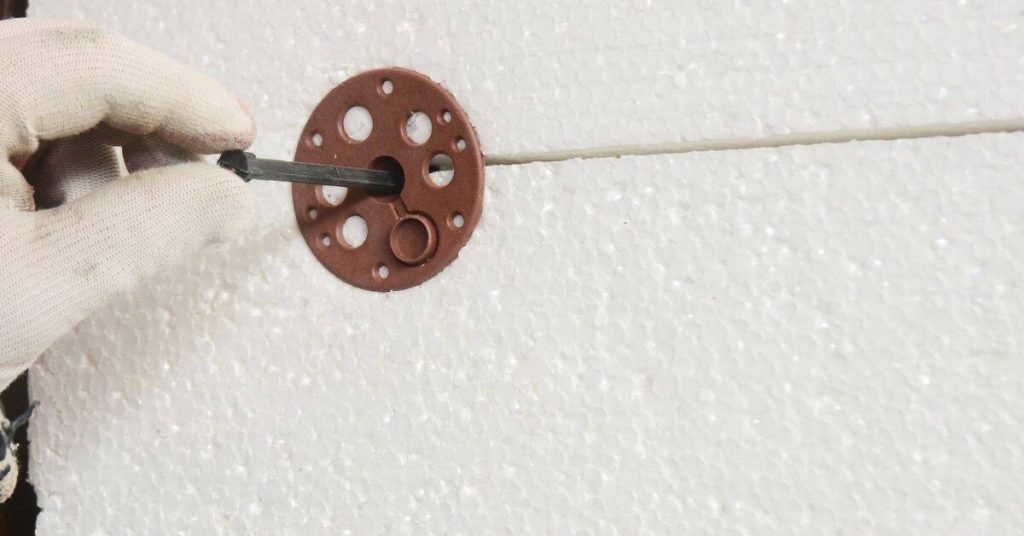
Hand with glove inserting tool into brown plastic fastener on foam board

Epoxy anchor guns: cartridge care, purge steps, and nozzle reuse reality

Introduction Epoxy anchor guns rely on careful cartridge care, proper purge steps, and mindful nozzle reuse to stay reliable. Keeping cartridges clean, stored, and upright helps prevent jams and inconsistent mixing. Purge steps before use remove air and unmixed material, reducing the risk of cured epoxy affecting the next shot. Nozzle reuse requires attention to

Epoxy anchor guns: cartridge care, purge steps, and nozzle reuse reality Read More »

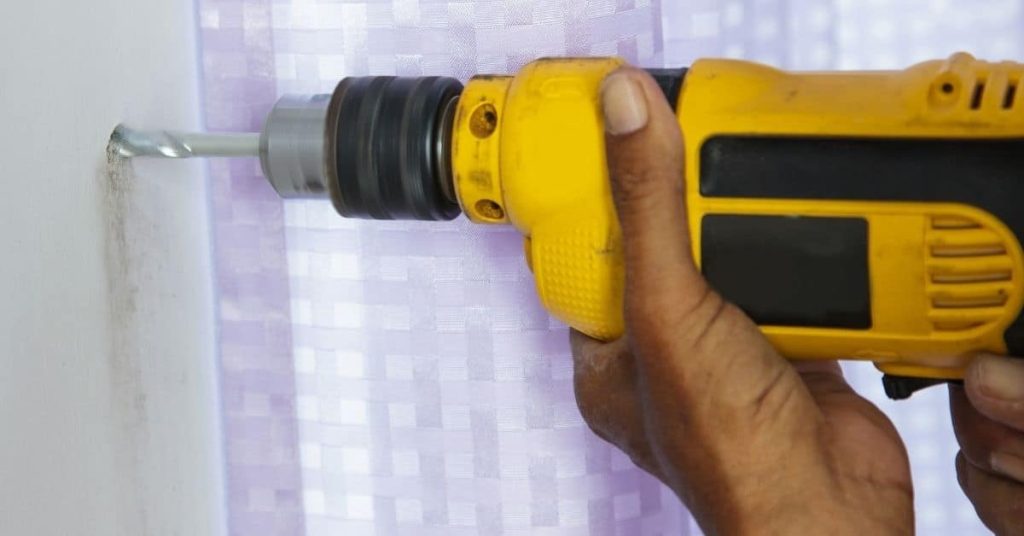
Hand using yellow electric drill to drill hole in masonry wall

Masonry anchors compared: sleeve, wedge, tapcon, and epoxy

Introduction Masonry anchors secure items to brick or concrete by gripping into the material. This guide compares sleeve, wedge, tapcon, and epoxy anchors, focusing on their grip mechanisms, installation methods, and ideal applications. Each anchor type has a unique setup and installation approach: Sleeve and Wedge Anchors: These use expansion grip to secure into place.

Masonry anchors compared: sleeve, wedge, tapcon, and epoxy Read More »

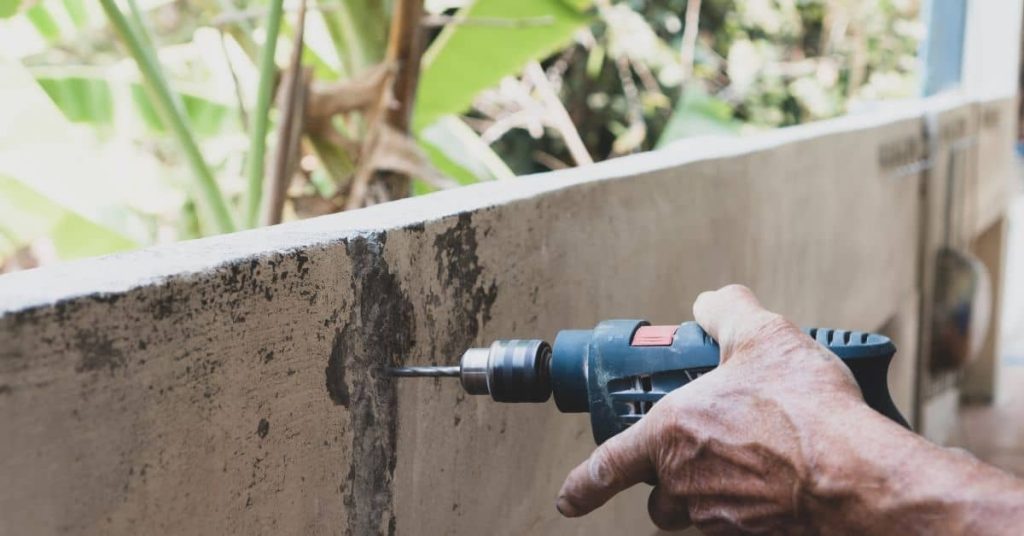
Hand holding drill against concrete wall surface

Drilling into masonry: SDS settings, bit types, and how to stop wandering

Introduction Drilling into masonry means using a hammer drill with an appropriate SDS bit to bore into brick, concrete, or stone. This article gives a practical overview of choosing settings, bit types, and how to keep the drill from wandering. It sticks to plain language and hands‑on tips for real work on the job site.

Drilling into masonry: SDS settings, bit types, and how to stop wandering Read More »

Corded orange and black angle grinder on concrete floor

Wet saw vs grinder for brick and block: cut quality, dust, and speed tradeoffs

Introduction Wet saws cut brick and block with water cooling and a fixed blade, offering dust control and different cut quality than grinders. A grinder can cut faster on rough brick or block but tends to produce more dust and less precise edges unless a careful technique and guard are used. Check the blade type,

Wet saw vs grinder for brick and block: cut quality, dust, and speed tradeoffs Read More »

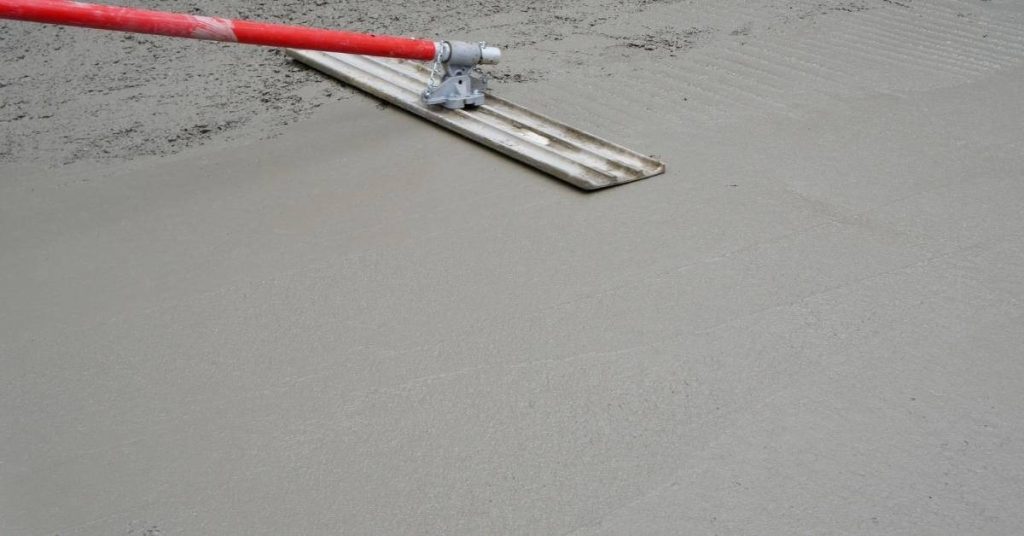
Concrete slab being smoothed with a long-handled screed tool

Scarifier vs grinder on concrete slabs: which tool makes a better overlay profile

Introduction Scarifier (floor planner) and grinder are two concrete tools that produce different overlay profiles. A scarifier removes material with rotating blades to flatten and roughen the surface for bonding. A grinder uses abrasive wheels to shave and finish the surface for a smoother edge. Understanding when each tool is appropriate helps avoid under- or

Scarifier vs grinder on concrete slabs: which tool makes a better overlay profile Read More »

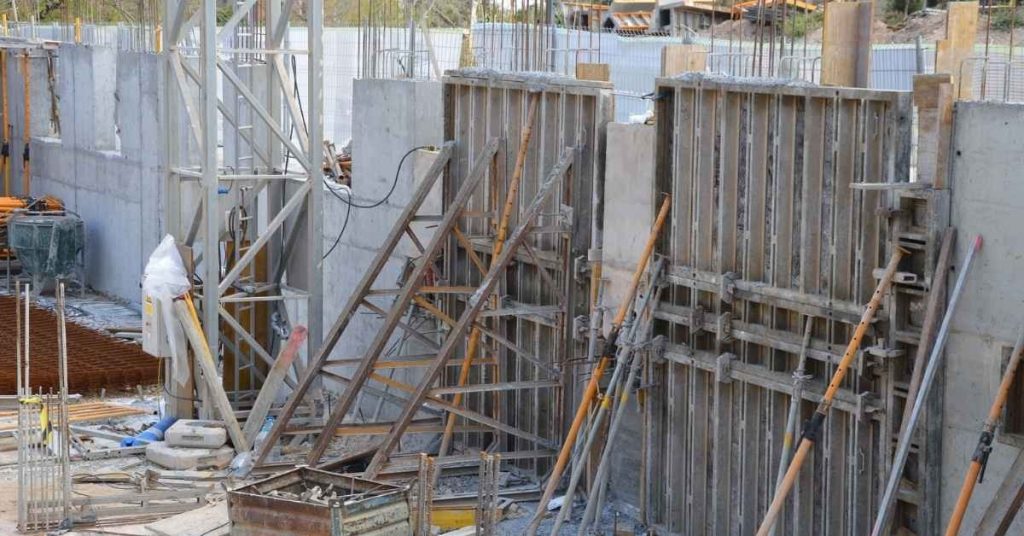
Concrete wall forms with multiple braces and supports at construction site

Concrete form bracing checklist: the quick pre-pour inspection that prevents disasters

Introduction A concrete form bracing checklist is a quick, practical pre-pour verify-before-you-commit guide to ensure form supports and braces are secure. Use it to confirm the setup is stable, true, and ready for concrete placement. It also helps you spot gaps in formwork setup, reinforcement placement, and material readiness before you mix and pour. Start

Concrete form bracing checklist: the quick pre-pour inspection that prevents disasters Read More »

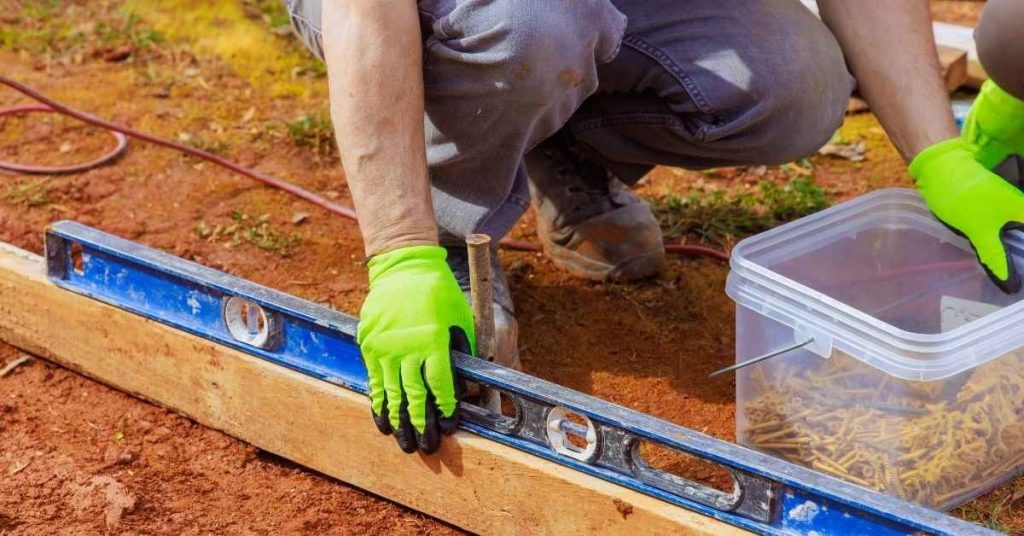
Person using level on wooden concrete form

Concrete form ties and snap ties: spacing rules and avoiding form blowouts

Introduction Form ties and snap ties are fasteners that hold concrete forms in place during pouring. They help keep the formwork tight and resist outward pressure. Use them according to manufacturer instructions and local rules to avoid failures. They come in several types and sizes, and selection depends on the project. Place and space them

Concrete form ties and snap ties: spacing rules and avoiding form blowouts Read More »

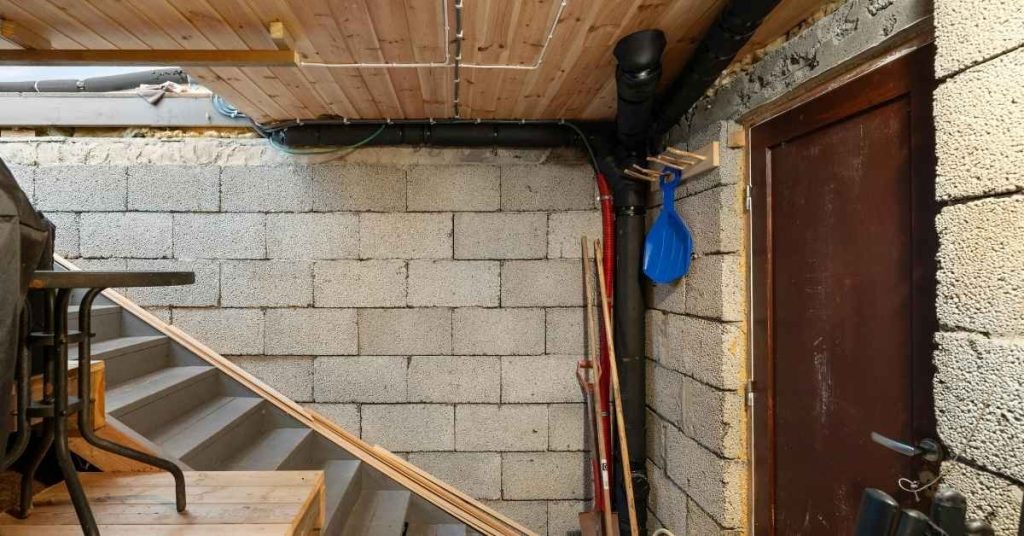
unfinished basement with concrete block walls stairs and hanging tools

Common block layout mistakes: chasing level instead of plumb and how to recover quickly

Introduction Chasing level instead of plumb means building so the wall looks straight horizontally but the verticals are off. This is a common block layout mistake that can hide misalignment until the structure bears load. Remember that plumb is the vertical reference, while level checks the horizontal plane. To recover quickly, re-check the vertical line,

Common block layout mistakes: chasing level instead of plumb and how to recover quickly Read More »

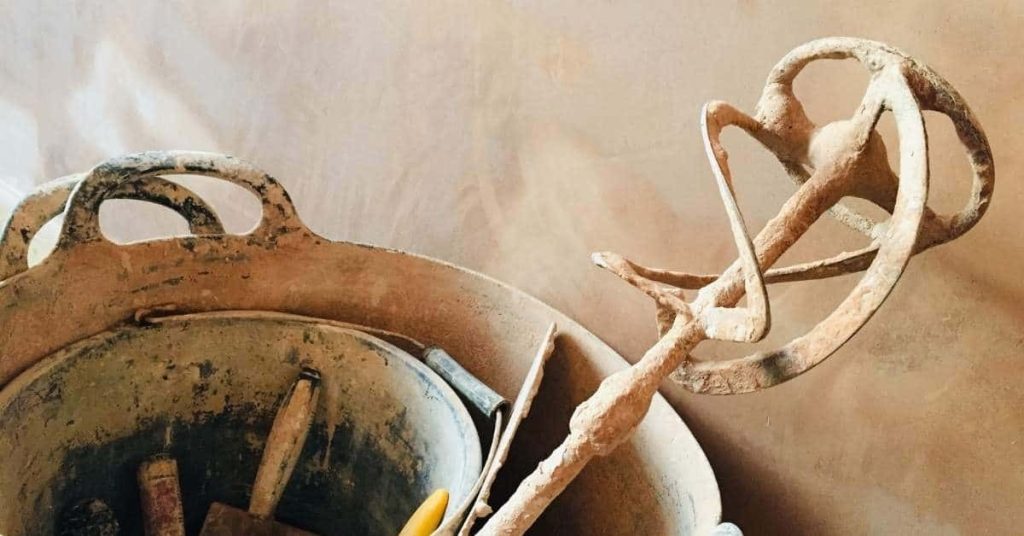
Old mixing tub with concrete mixer paddle and tools inside

Mixing barrels and tubs for concrete and mortar: what lasts, what cracks, and the easiest cleanup routine

Introduction Mixing barrels and tubs refers to using sturdy containers to blend concrete or mortar on site. Different container materials wear differently under load and abrasion. This article outlines what tends to hold up, what can crack, and how to keep cleanup quick and straightforward. For cleanup, rinse and scrub while material is still soft,

Mixing barrels and tubs for concrete and mortar: what lasts, what cracks, and the easiest cleanup routine Read More »