Search Results for: curing

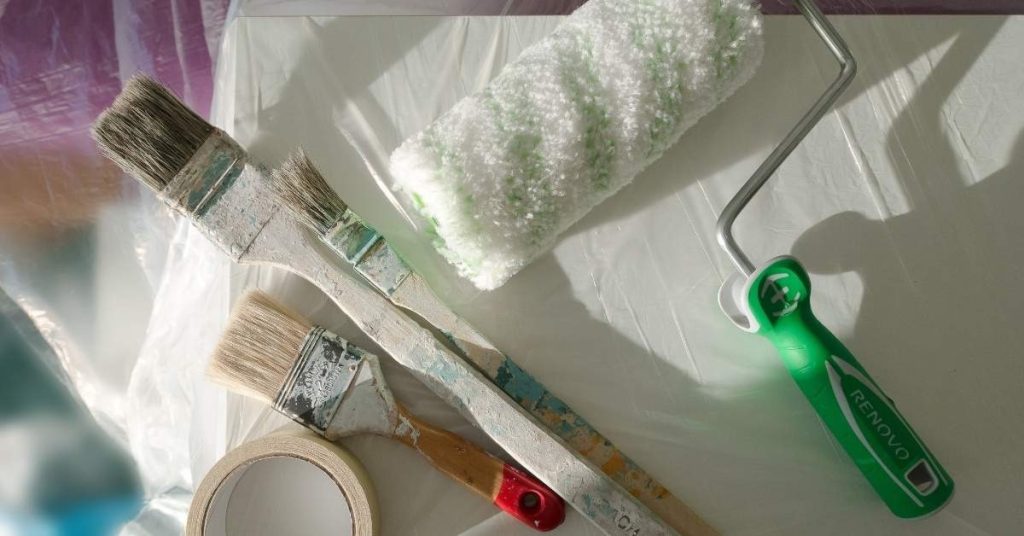
Three paintbrushes paint roller and roll of masking tape

How to Keep Sealant Joints Clean: Masking, Tooling, and Cleanup Without Smearing

Introduction Keep sealant joints clean by masking, tooling, and cleanup without smearing. This intro covers how to prep surfaces, mask off areas, and finish joints so you don’t drag old sealant or create ridges. It’s a practical, hands-on guide you can follow on a DIY project from masking to cleanup. We’ll walk through masking off

How to Keep Sealant Joints Clean: Masking, Tooling, and Cleanup Without Smearing Read More »

Paintbrush dipping into open can of blue paint

Paint Storage in Winter: Freezing Damage, Re-Mixing, and When to Toss a Can

Introduction Paint storage in winter means keeping paint properly so it doesn’t separate, freeze, or go bad and knowing when to toss leftovers. Cold conditions can cause damage to the mix or seal, so plan ahead to protect cans and contents. Keep lids tight, store upright, and avoid exposing cans to drafts or extremes. If

Paint Storage in Winter: Freezing Damage, Re-Mixing, and When to Toss a Can Read More »

Yellow hard hat, safety gloves, white mask, and safety glasses on table

Categories

Categories: Concrete Practical concrete guides for DIY projects and repairs. You’ll find step-by-step help with prep, forms, reinforcement, finishing, curing, sealing, and troubleshooting common failures. If you’re new to concrete, start with curing/finishing timing and moisture basics first—they prevent most expensive mistakes. Stucco Stucco and cement-based render guides focused on details that prevent water damage

Categories Read More »

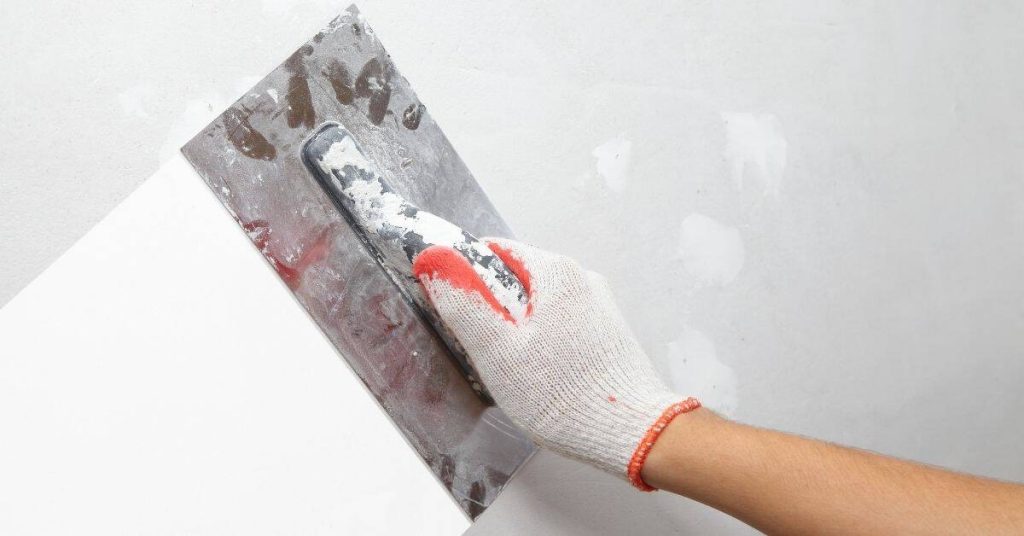
Hand in glove applying plaster with metal trowel on wall

Plaster (Interior)

Plaster Guides: Start Here This hub collects plastering guides for getting smooth, durable walls—prep, bonding, base coats, finish coats, patching, and common fixes. Plaster work rewards patience. The two biggest keys are surface prep and timing between coats. Start with those before you chase “perfect finish.” Start here Diagnose first (so you don’t patch over

Plaster (Interior) Read More »

Person applying stucco plaster to wall with trowel

Stucco

Stucco Guides: Start Here This hub is for exterior render and stucco work—prep, lath and base coats, mixing, application technique, details, curing, and repairs. With stucco, most failures aren’t “bad mix.” They’re prep and detailing problems—bonding, moisture, and movement. Start with the basics first. Start here Identify what you have (systems matter) Moisture diagnostics (before

Stucco Read More »

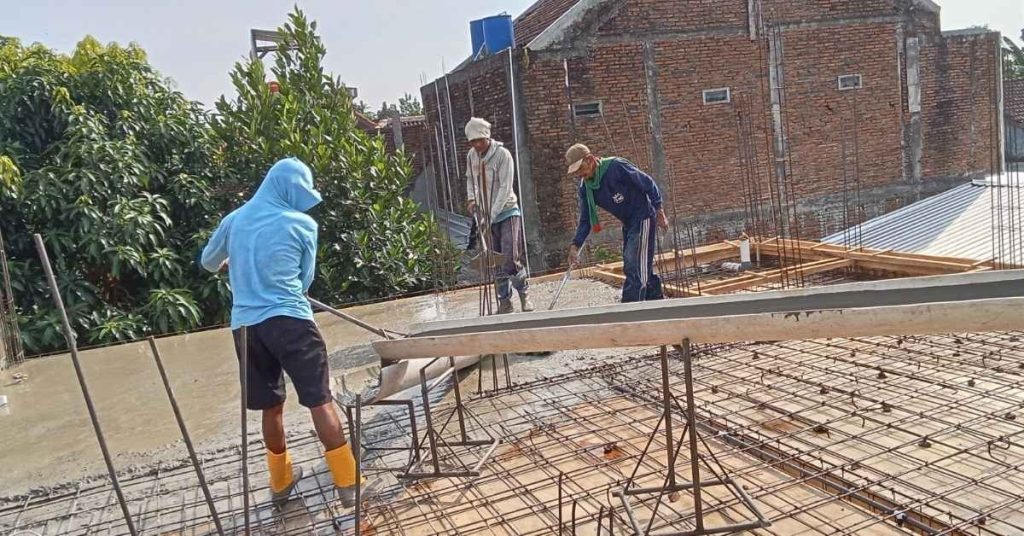
Concrete pouring onto rebar grid with workers in background

Concrete

Concrete Guides: Start Here This hub collects my most practical concrete guides in one place—prep, forms, reinforcement, placing, finishing, curing, sealing, and repairs. If you’re new to concrete, don’t start with the pour. Start with the prep and planning guides first. That’s where most “mystery problems” are born. Start here Prep & planning (before you

Concrete Read More »

Stacked rough red bricks with varying colors and textures

Lithium Nitrate Admixture for ASR Mitigation: When It’s Used and DIY Considerations

Introduction Lithium nitrate admixture is used to help mitigate ASR in concrete. This article explains when it’s typically considered and what it means for a DIY project. It’s about practical decision points you’ll face on site. Choosing lithium nitrate involves looking at product instructions, mix design goals, and local guidance. This piece covers how it

Lithium Nitrate Admixture for ASR Mitigation: When It’s Used and DIY Considerations Read More »

Workers pouring concrete over rebar reinforcement on building roof

Concrete Placement in Congested Rebar Without Honeycombing: Sequencing, Head Pressure, and Vibration Control

Introduction Concrete placement in congested rebar without honeycombing means planning and executing pours so concrete flows around dense steel without leaving voids. Take time to prep formwork and rebar layout, then sequence pours to keep flow paths open and minimize segregation. Choose direct discharge or pumping as your method, and use appropriate vibration and tamping

Concrete Placement in Congested Rebar Without Honeycombing: Sequencing, Head Pressure, and Vibration Control Read More »

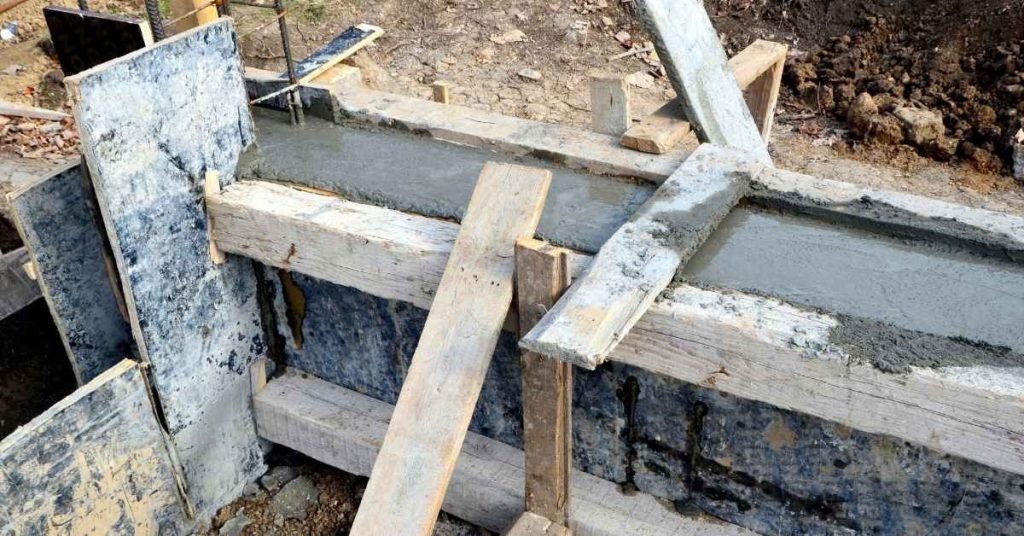
Wooden braces supporting concrete forms during pouring

How to Brace Tall Forms for Hydrostatic Pressure: A Practical DIY Design Check

Introduction Bracing tall forms against hydrostatic pressure means preventing movement and failure by anchoring and tying the forms securely. This introduction walks you through practical checks you can do on site, without heavy jargon or guesswork. Keep the focus on stability, simplicity, and safety as you set up supports. Before you pour, check that your

How to Brace Tall Forms for Hydrostatic Pressure: A Practical DIY Design Check Read More »