Search Results for: curing

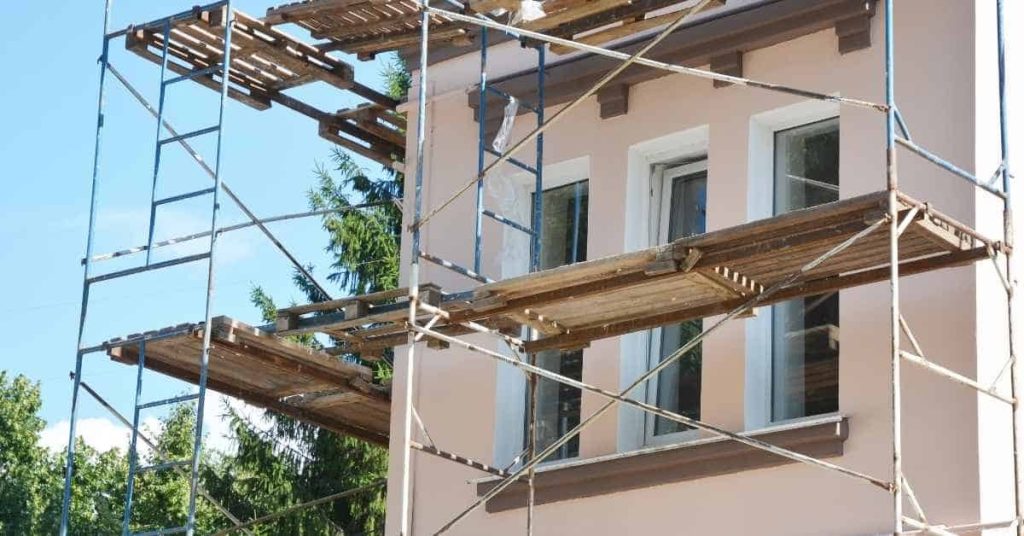
Exterior building wall with scaffolding and stucco application in progress

Stucco Lath Fasteners That Last: Corrosion, Length, and Avoiding Loose Walls

Introduction Stucco lath fasteners are the hardware that attach exterior stucco lath to the framing and keep the wall solid. They come in several styles for different substrates, so you should pick ones that fit your lath and backing material. Check the label or manufacturer guidance to ensure corrosion resistance and proper compatibility with your

Stucco Lath Fasteners That Last: Corrosion, Length, and Avoiding Loose Walls Read More »

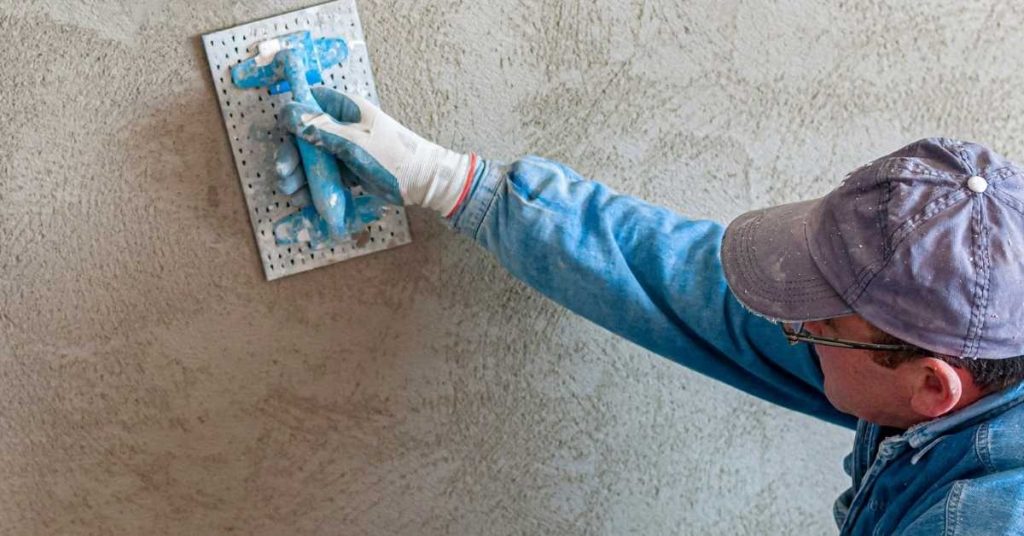
Worker applying stucco texture with a blue float tool

Sand Float Stucco Texture Matching: Tool Angles, Timing, and Avoiding Shine

Introduction A sand float stucco texture is a lightly rough, matte finish achieved by floating mortar with a sanded tool to create texture. This article covers practical techniques and the feel of the finish when you’re applying it on a DIY project. It stays away from glossy shine and aims for a consistent, hand‑worked look.

Sand Float Stucco Texture Matching: Tool Angles, Timing, and Avoiding Shine Read More »

Steel formwork and concrete slab base under construction

Concrete Around Steel Posts: Base Plates, Grout Pads, and Drainage That Prevents Rust

Introduction Concrete around steel posts with base plates, grout pads, and proper drainage helps prevent rust. This intro covers practical, hands-on steps you can take to set posts securely and keep moisture away from metal. You’ll want to consider how the post sits in the concrete, how the grout or pad supports it, and how

Concrete Around Steel Posts: Base Plates, Grout Pads, and Drainage That Prevents Rust Read More »

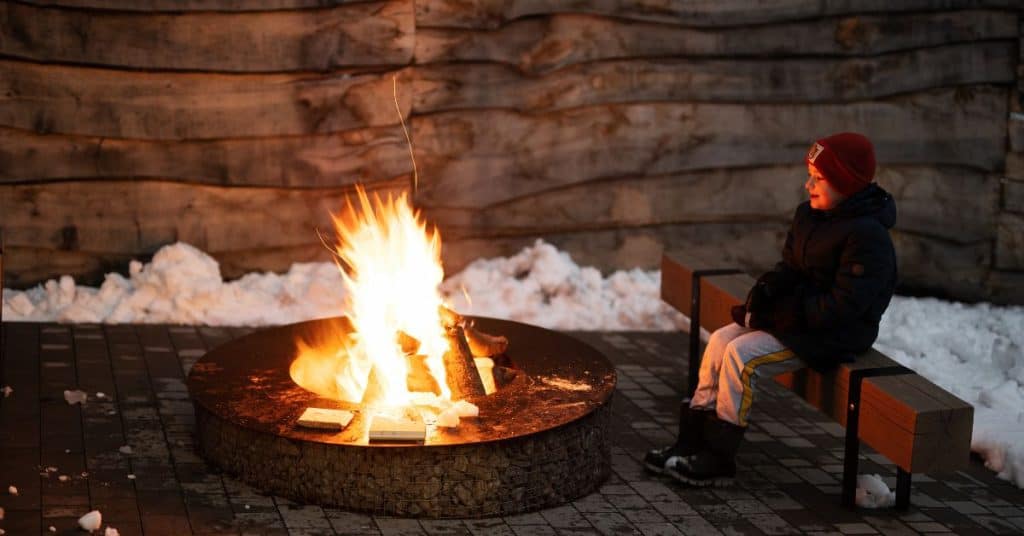
Person sits on a wooden bench beside a circular fire pit in snow.

Concrete for Outdoor Fire Pits: Mix Tweaks, Heat Limits, and Safer Sealers

Introduction Concrete for outdoor fire pits is the sturdy, heat‑tolerant material you pour to form the pit structure and seating. This article gives practical tweaks for mix, curing, and sealers so you can do it safely. Always check local codes and manufacturer labels for heat limits and curing temps. Focus on a durable mix and

Concrete for Outdoor Fire Pits: Mix Tweaks, Heat Limits, and Safer Sealers Read More »

Close-up of exposed aggregate concrete edge beside pool water

Permeable Concrete Patios: Aggregate Choices, Placement, and Clog-Proof Maintenance

Introduction Permeable concrete patios are surfaces that let water pass through the slab to the ground below. They use special aggregate and mix proportions to create voids that drain freely. That means you can install a patio that handles rain without pooling, if done right. Gather your options for aggregate styles and layout, then plan

Permeable Concrete Patios: Aggregate Choices, Placement, and Clog-Proof Maintenance Read More »

Concrete porch with white rocking chairs and blue siding.

Concrete Porch Drip Edges: Saw-Cut Drip Grooves That Stop Ugly Water Trails

Introduction A concrete porch drip edge is a saw-cut groove that directs water away from the porch surface. It helps reduce streaks and puddling by guiding runoff toward the edge, and it should sit where rainwater tends to flow. Plan with the porch as built and avoid cutting through any critical structural lines. Tools you’ll

Concrete Porch Drip Edges: Saw-Cut Drip Grooves That Stop Ugly Water Trails Read More »

Close-up of cracked concrete surface with fine fissure

A Concrete Curb That Won’t Crack Off: Keyways, Dowels, and Joint Strategy

Introduction A concrete curb that won’t crack off relies on proper keyways, dowels, and joints to control movement. Keyways help lock the curb to the adjoining slab, dowels transfer load across joints, and joints manage where cracking can safely occur. This DIY overview will explain the ideas in plain language and what to check on

A Concrete Curb That Won’t Crack Off: Keyways, Dowels, and Joint Strategy Read More »

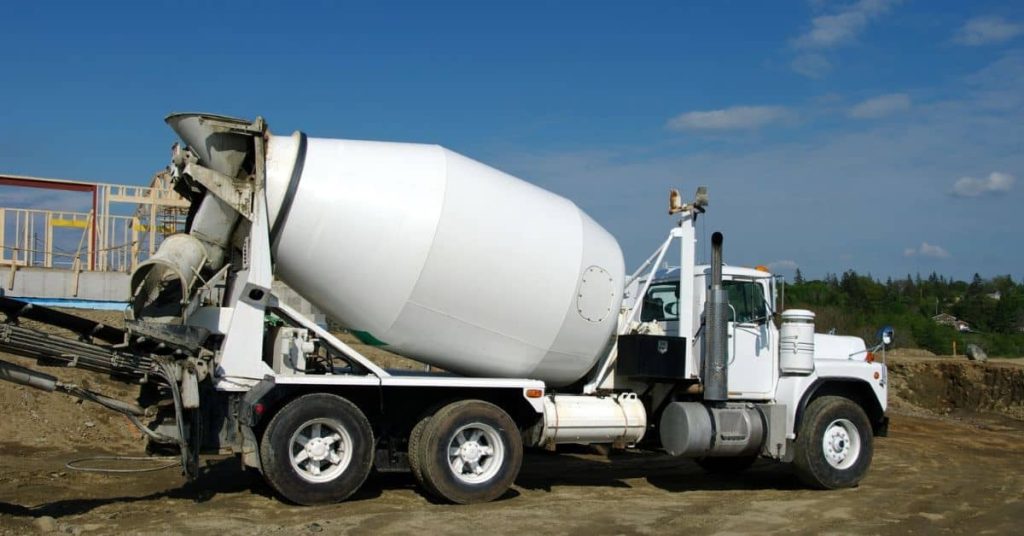
White concrete mixer truck parked on dirt under clear sky

Heaved Sidewalk Fixes in Concrete: Mudjacking vs Polyjacking vs Full Replacement

Introduction This article compares three concrete repair options for a heaved sidewalk: mudjacking, polyjacking, and full replacement. Mudjacking uses a cement slurry to lift the slab from below, while polyjacking uses a foam material to fill voids and lift. Full replacement means removing the old slab and pouring a new one. Each method has its

Heaved Sidewalk Fixes in Concrete: Mudjacking vs Polyjacking vs Full Replacement Read More »