Search Results for: curing

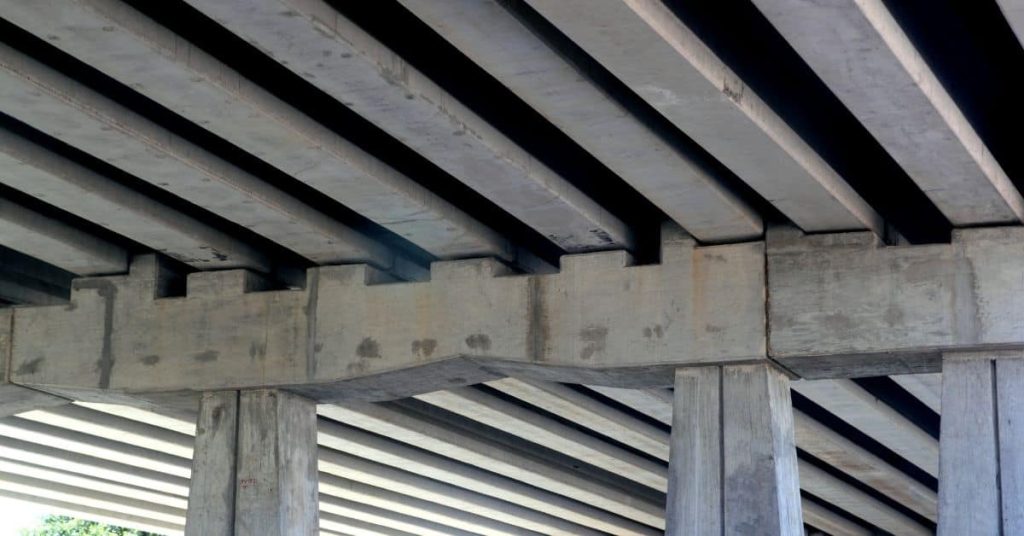
Concrete beams and columns supporting a bridge structure

Backer Rod for Wide Concrete Block Joints: Open vs Closed Cell and Correct Depth

Introduction Backer rod is a foam filler placed in wide concrete block joints to create an even, stable space for sealant. Open-cell backer rod compresses more and allows ventilation, while closed-cell resists moisture and reduces absorption. Always check the product label and manufacturer instructions to pick the right type and depth and to meet any […]

Backer Rod for Wide Concrete Block Joints: Open vs Closed Cell and Correct Depth Read More »
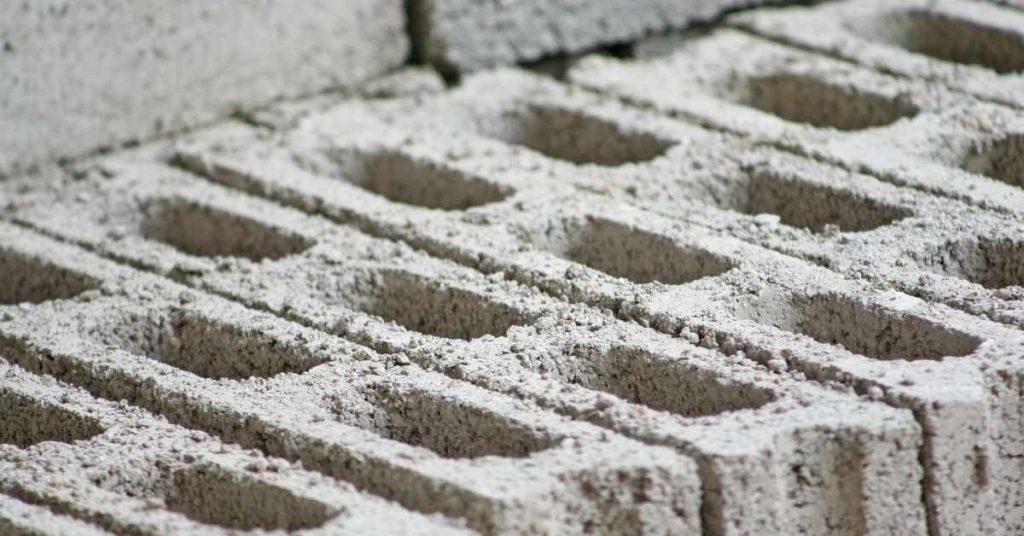
Closeup of stacked gray concrete cinder blocks

Keeping Concrete Block Sealant Lines Clean: Masking, Tooling, and Smear-Free Cleanup

Introduction Keeping concrete block sealant lines clean means preventing excess sealant from smearing onto the block faces by masking and timing your work. Mask surrounding edges with tape or masking paper before you start, and plan to tool the bead cleanly as you go. Check the product label for guidance on working time and curing,

Keeping Concrete Block Sealant Lines Clean: Masking, Tooling, and Smear-Free Cleanup Read More »

unfinished concrete block building under clear sky

Foundation Parging Over Concrete Block: Durability, Breathability, and Grade Detailing

Introduction Foundation parging over concrete block is the thin coating that seals and smooths the surface while letting moisture breathe. It’s a DIY-friendly job, but it needs clean blocks, good adhesion, and careful edge detailing. Plan your surface prep, mix consistency, and control of joints before you start. Durability comes from proper prep, correct application,

Foundation Parging Over Concrete Block: Durability, Breathability, and Grade Detailing Read More »

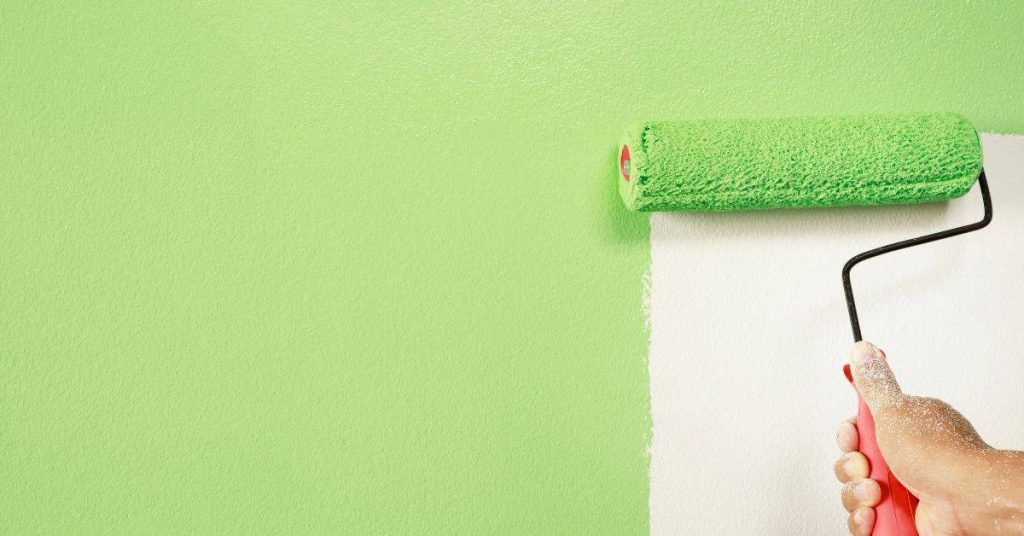
Hand applying green paint to white wall with roller

Roller-Applied Base Coats for Plaster Skims: When They Improve Flatness

Introduction Roller-applied base coats are thin plaster coats spread with a roller to help flatten and level a wall before the final skim. This approach is done after the substrate is prepped and dampened as needed. It gives you a smoother starting surface, but it isn’t a substitute for proper substrate prep or final finishing.

Roller-Applied Base Coats for Plaster Skims: When They Improve Flatness Read More »

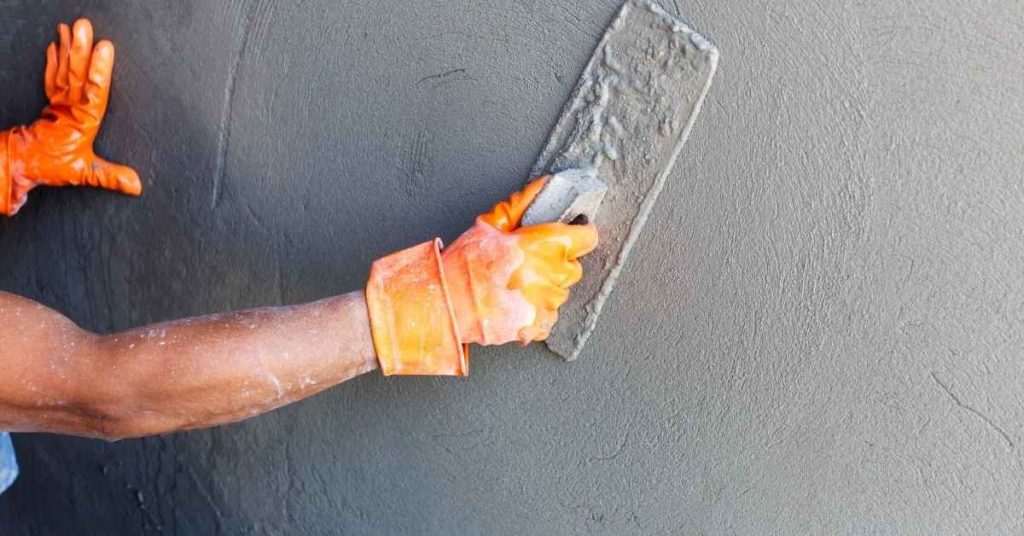
Worker smoothing wet plaster on wall with trowel wearing orange gloves

Plaster Blisters from Trapped Moisture: Drying Strategy Before You Re-Skim

Introduction Blisters in plaster happen when moisture is trapped behind the skim coat, causing bubbles. Before you re-skim, the goal is to dry out the area and reattach loose material. Check the plaster surface for loose edges and follow manufacturer instructions or local rules for drying. Give the area plenty of ventilation and use gentle

Plaster Blisters from Trapped Moisture: Drying Strategy Before You Re-Skim Read More »

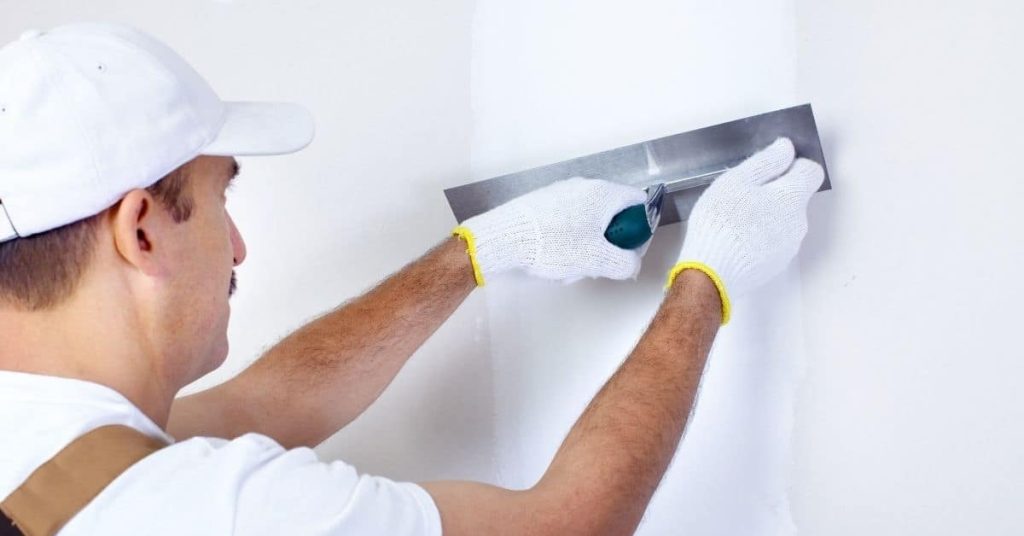
Worker smoothing white plaster wall with metal trowel

Plaster Returns at Deep Windows: Reinforcement That Doesn’t Bulge the Edge

Introduction Reinforcement for plaster returns at deep windows means adding solid edge support so the plaster won’t bulge. In practice you build up a stable, tight edge before the final coat. This keeps the plaster flush and reduces cracking. Use appropriate edging, furring, or metal lath as directed on the product label and by the

Plaster Returns at Deep Windows: Reinforcement That Doesn’t Bulge the Edge Read More »

Worker smoothing plaster on a wall with a trowel

Microcement Over Old Plaster: Bond Layers, Movement Risk, and Sealer Selection

Introduction Microcement over old plaster means applying a thin cement-based coating on top of a plaster substrate with careful surface prep. Start by cleaning the surface and repairing obvious flaws to give the new layer something to grip. Roughen or abrade slightly and use an appropriate bonding primer to improve adhesion. Movement risk comes from

Microcement Over Old Plaster: Bond Layers, Movement Risk, and Sealer Selection Read More »

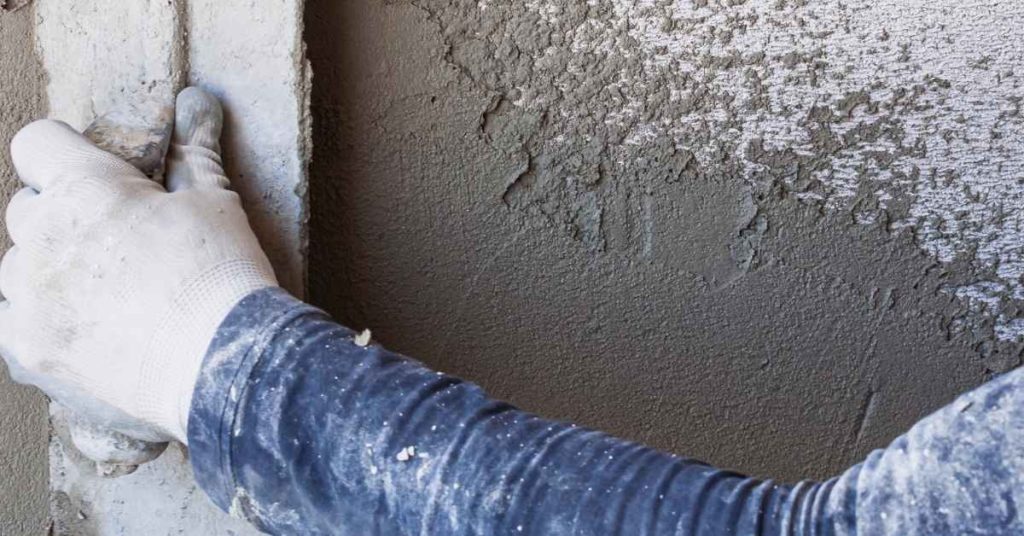
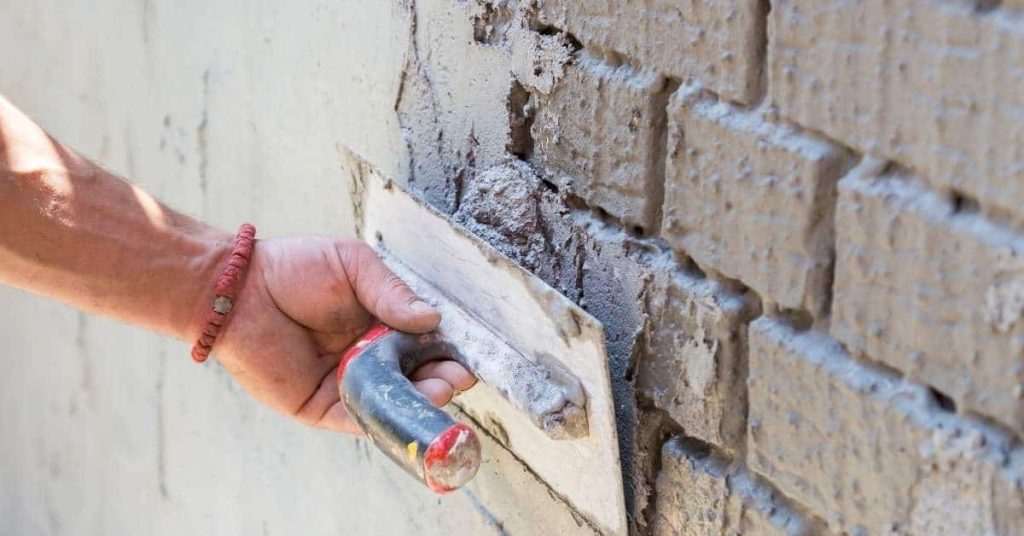
Hand applying cement plaster with trowel on brick wall

Keene’s Cement Plaster: When Hardness Helps and How to Avoid Crazing

Introduction Keene’s cement plaster is a lime-based plaster mix that hardens to a solid wall finish. Hardness in this plaster helps durability, but it can cause cracks if it’s applied or cured improperly. To avoid crazing, follow proper mixing, priming, and curing practices and check product instructions for recommended working times and environmental limits. If

Keene’s Cement Plaster: When Hardness Helps and How to Avoid Crazing Read More »

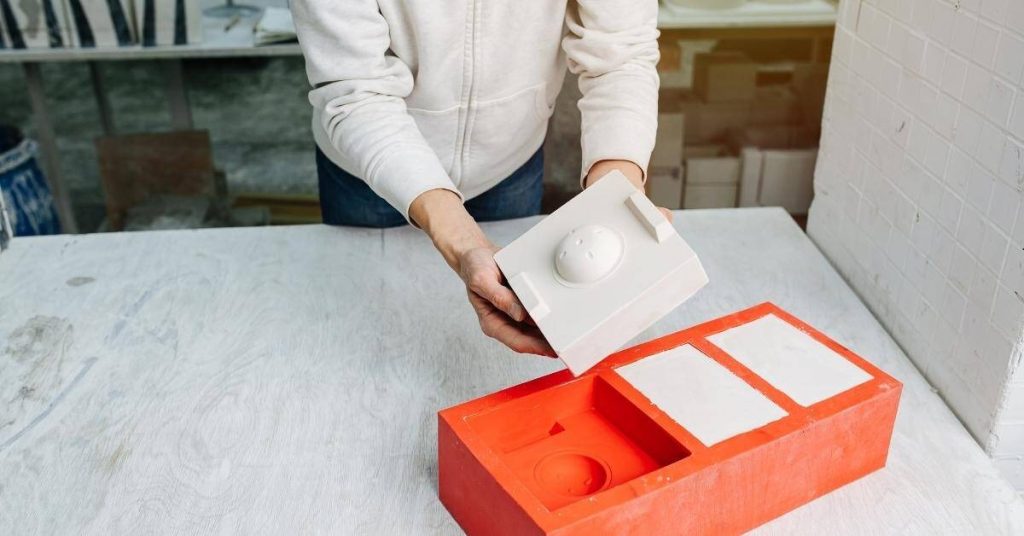
Hands holding plaster mold and casting on white table

Repairing Plaster Medallions and Ornament: Simple Mold Tricks for Missing Details

Introduction Repairing plaster medallions and ornament means recreating missing decorative detail on a plaster ceiling or wall. It starts with shaping a patch of material to mimic the curve and edge you see around the piece, then pressing it in to blend with the surrounding plaster. Take your cues from the existing profile and work

Repairing Plaster Medallions and Ornament: Simple Mold Tricks for Missing Details Read More »