Search Results for: curing

Living room with natural hardwood flooring and large windows

Transitions at Doorways: Clean Ways to Meet Hardwood/Lvp/Carpet Without Ugly Reducers

Introduction Transitions at doorways are the finished edge where hardwood, LVP, or carpet meet, creating a smooth, safe path. They hide uneven cuts and tiny gaps while guiding foot traffic. This article shows plain‑spoken, hands‑on ways to handle the join without ugly reducers. Start by inspecting the subfloor and the edge of each floor covering […]

Transitions at Doorways: Clean Ways to Meet Hardwood/Lvp/Carpet Without Ugly Reducers Read More »
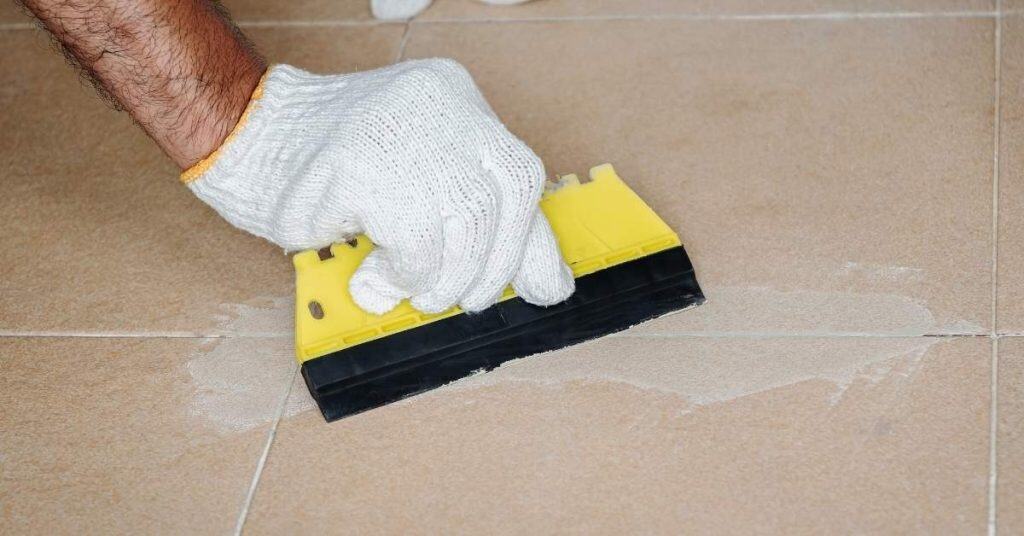
Hand with white glove spreading grout on floor tiles

Tile on Plywood: the Right Build-up so You Don’t Get Cracked Grout Lines

Introduction Tile on plywood is a build-up method that stabilizes a tile surface on a plywood base to prevent cracking. Prep the plywood by cleaning it, dulling any slick spots, and making sure the panel is firmly fastened. Choose an adhesive and any underlayment per the label and local rules, and follow the manufacturer’s prep

Tile on Plywood: the Right Build-up so You Don’t Get Cracked Grout Lines Read More »

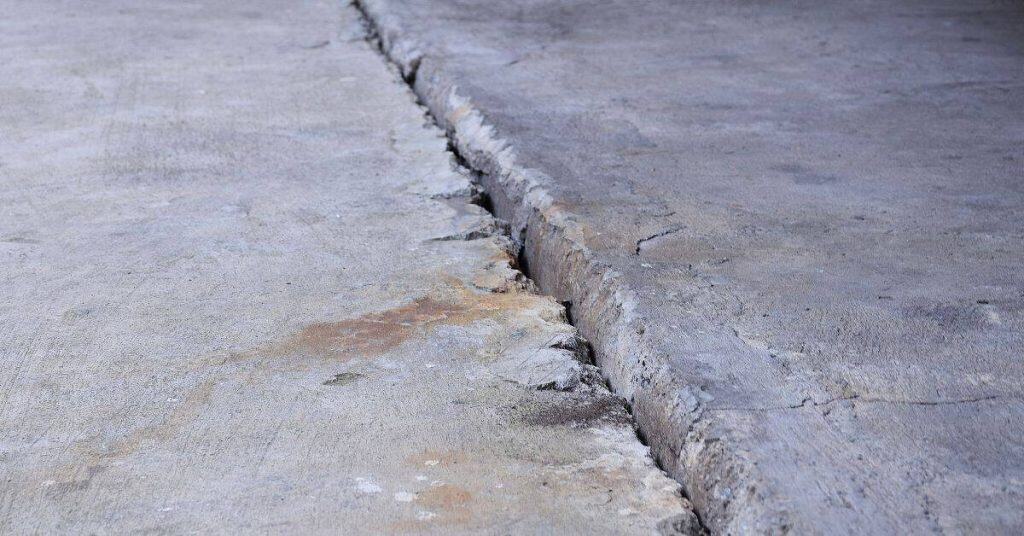
Large crack and gap between two old concrete slabs

Crack Isolation Membranes: What They Can and Can’t Do on Older Slabs

Introduction Crack isolation membranes are thin sheets or coatings that separate a flooring layer from the concrete to limit crack transfer. They’re installed between the slab and the finish, acting as a buffer rather than a full repair. On older slabs, you’ll need to verify compatibility and follow product instructions for best results. What they

Crack Isolation Membranes: What They Can and Can’t Do on Older Slabs Read More »

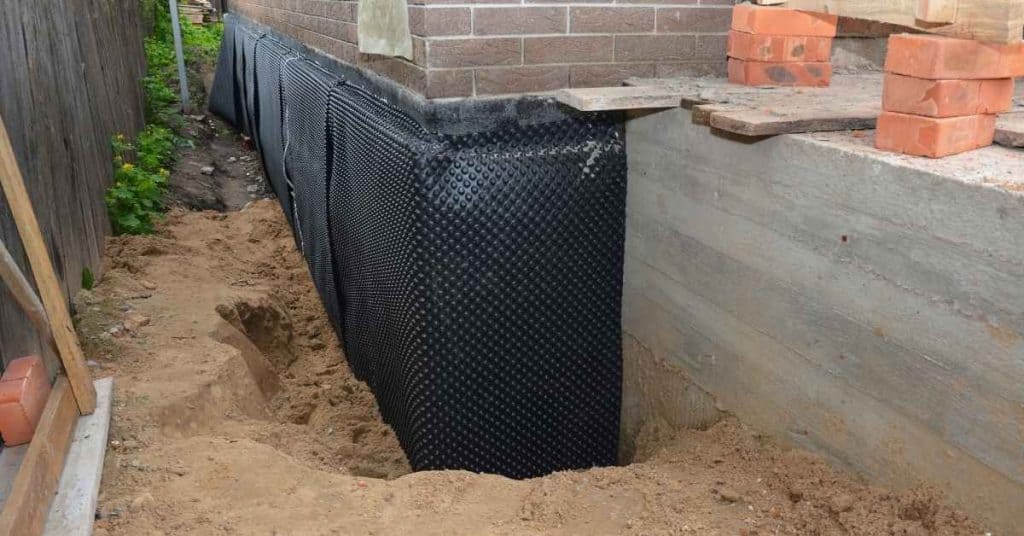
Black dimpled membrane installed on concrete foundation wall

Uncoupling Membrane Basics: Where It’s Worth the Money and Where It Isn’t

Introduction Uncoupling membranes are a lightweight underlayment that helps separate layers to move with the substrate. They’re designed to reduce cracking and relieve some movement, but you need to check what the product is rated for and follow the label. In plain terms, you install them between the substrate and the finish to give you

Uncoupling Membrane Basics: Where It’s Worth the Money and Where It Isn’t Read More »

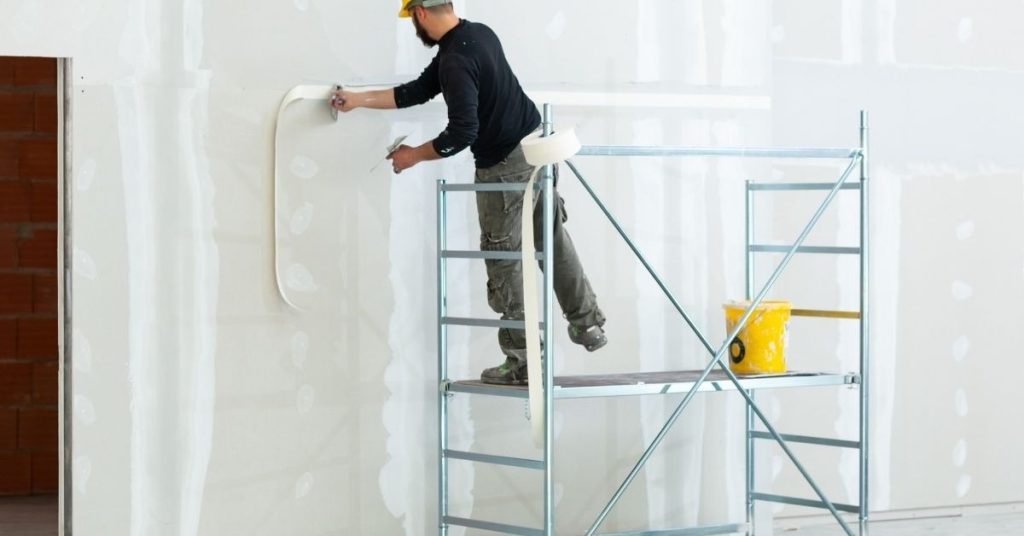
Worker applying tape to drywall seams on scaffold

Cement Board Seams: Tape + Thinset Technique That Doesn’t Create Humps

Introduction Cement board seams are the joints where panels meet and must be taped and mudded to stay flat. This article covers a practical tape plus thinset method that minimizes humps. Work with clean surfaces, use the right tape and setting compound per manufacturer instructions, and blend joints smoothly. If you’re unsure about product specs

Cement Board Seams: Tape + Thinset Technique That Doesn’t Create Humps Read More »

Hand applying white grout to ceramic tiles with a grout float

Tile over Tile: When It’s Acceptable and the Surface Prep That Makes It Work

Introduction Tile over tile is acceptable when the existing tile surface is sound, clean, and properly stabilized. If the current tile is loose or cracked, or the surface is delaminating, you’ll want to address that first. This article walks you through what to check and why, in plain DIY language. First, inspect the substrate for

Tile over Tile: When It’s Acceptable and the Surface Prep That Makes It Work Read More »

Angle grinder and mallet on ceramic tiles laid on concrete floor

Drilling Holes in Tile: Diamond Hole Saw Technique That Doesn’t Crack the Tile

Introduction A diamond hole saw with careful technique can cut clean, crack-free holes in tile. This introduction explains the practical, hands‑on approach you’ll use to drill through ceramic or porcelain tile without damaging the surrounding material. You’ll want the right tools and steady steps to manage dust and avoid chips. Check manufacturer instructions for drill

Drilling Holes in Tile: Diamond Hole Saw Technique That Doesn’t Crack the Tile Read More »

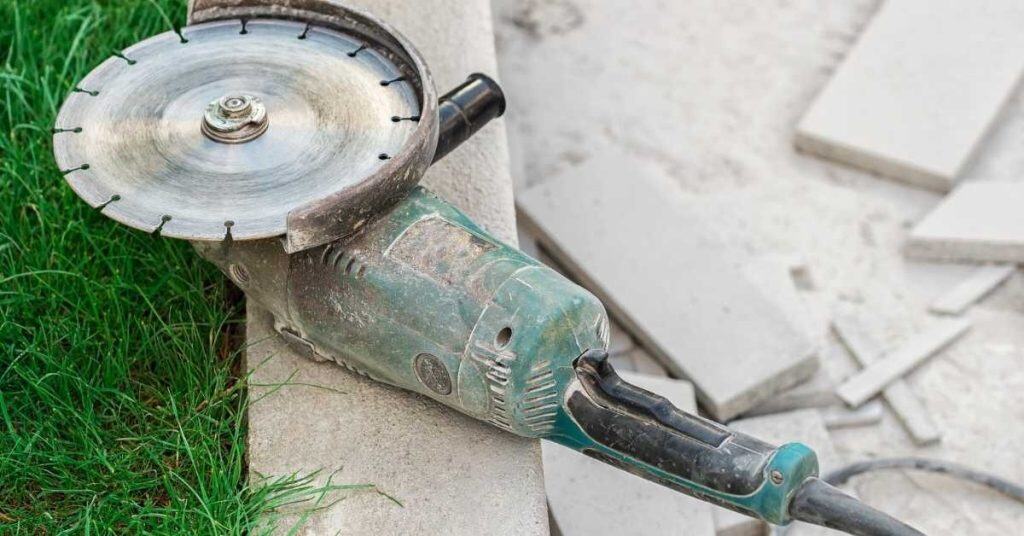
Electric angle grinder with diamond blade resting on concrete ledge

Cutting Porcelain Cleanly: Wet Saw Blade Choice and Chipping Prevention

Introduction The right blade and technique let porcelain cut cleanly without chips. A wet saw setup is the typical path, and choosing the correct blade type matters for porcelain. Always check label guidance and manufacturer instructions for your blade and water flow, and plan your cuts to minimize chipping. You have options like a manual

Cutting Porcelain Cleanly: Wet Saw Blade Choice and Chipping Prevention Read More »

Stucco Color Coat Repairs: Why They Fail and How to Avoid Weak “Skim” Patches

Stucco Color Coat Repairs: Why They Fail and How to Avoid Weak “Skim” Patches

Introduction A Stucco Color Coat Repair is fixing the top stucco layer to seal cracks and restore the surface. This kind of patch relies on proper surface prep, compatible material, and a smooth skim to blend with the surrounding wall. If the skim is weak, patches can crack, delaminate, or look obvious. You’ll need basic

Stucco Color Coat Repairs: Why They Fail and How to Avoid Weak “Skim” Patches Read More »

Adding a Decorative Band: How to Attach Trim Screeds and Keep Lines Straight

Adding a Decorative Band: How to Attach Trim Screeds and Keep Lines Straight

Introduction Adding a decorative band means attaching trim screeds along a wall to create a framed, visual line while keeping the lines straight. Choose trim and screws appropriate for your surface and check the label or manufacturer instructions for compatibility. Keep the line true with a chalk line and clamps as you set each piece.

Adding a Decorative Band: How to Attach Trim Screeds and Keep Lines Straight Read More »