Search Results for: curing

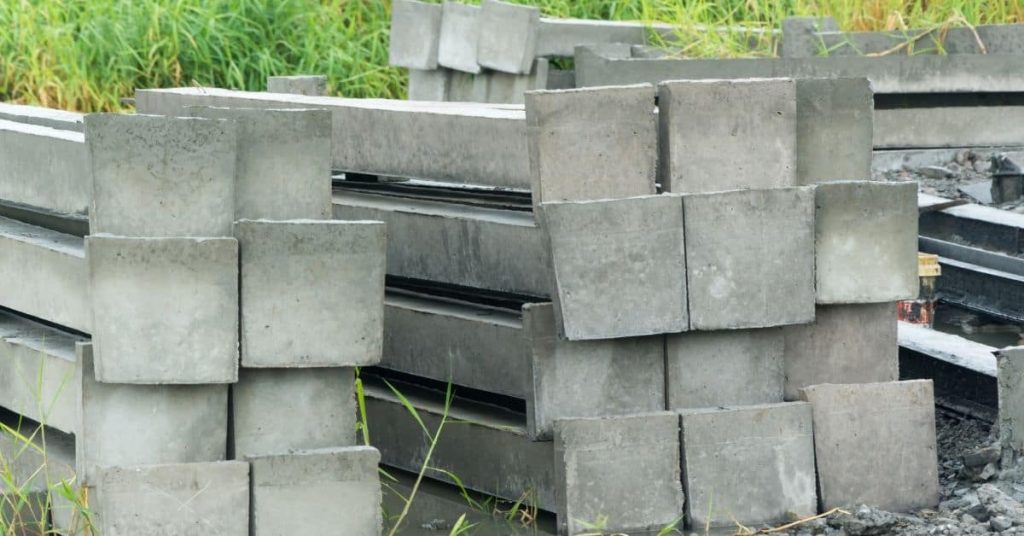
stacked precast concrete columns outdoors on grassy ground

Can You Use Calcium Chloride in Concrete? When It’s Allowed and When It’s a Bad Idea

Introduction Calcium chloride can speed up concrete setting, but it is not allowed for every mix or every job. For DIY pours, check product labels and local rules to know if it’s permitted. If you’re unsure, ask the supplier or code authority before using it on your project. In some cases it’s allowed, but in […]

Can You Use Calcium Chloride in Concrete? When It’s Allowed and When It’s a Bad Idea Read More »
Worker pouring wet concrete over steel rebar grid

Accelerators for Concrete: Calcium Chloride vs Non-Chloride (Pros, Cons, Safety)

Introduction Calcium chloride accelerators are concrete additives that speed up early strength and set time. Non-chloride accelerators achieve similar hardening speed without using chloride salts. Both types aim to help a pour gain strength sooner, but they behave differently in practice. Calcium chloride can cause discoloration and may contribute to steel corrosion if moisture and

Accelerators for Concrete: Calcium Chloride vs Non-Chloride (Pros, Cons, Safety) Read More »

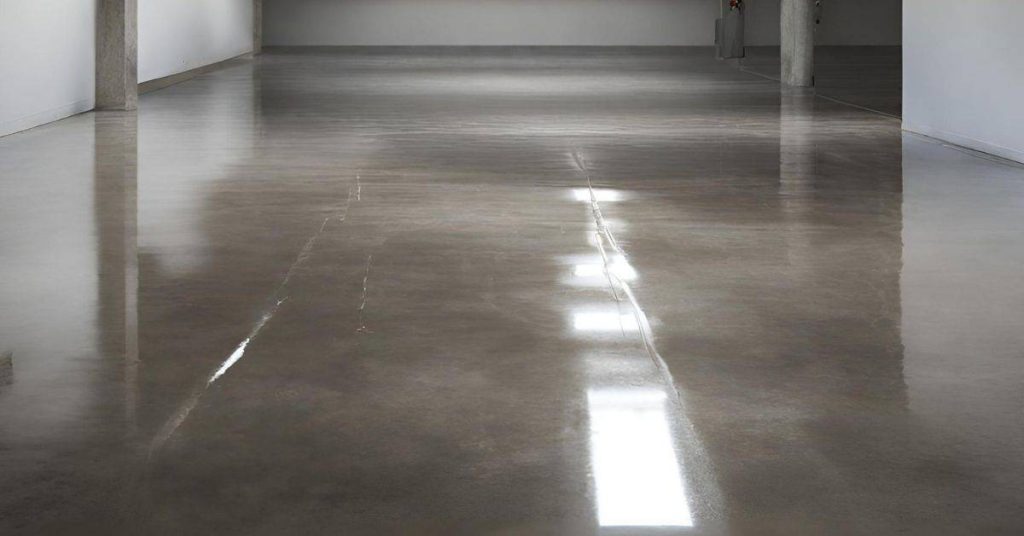
Polished concrete floor reflecting overhead lights

Polished Concrete Stain Protection: Guards, Resealing, and Maintenance That Works

Introduction Polished concrete stain protection is a practical plan to keep stains from soaking in and the surface looking good. It relies on guard methods, occasional resealing, and simple maintenance you can handle in a DIY project. This approach aims to slow wear, resist color change, and extend the life of the finish. To choose

Polished Concrete Stain Protection: Guards, Resealing, and Maintenance That Works Read More »

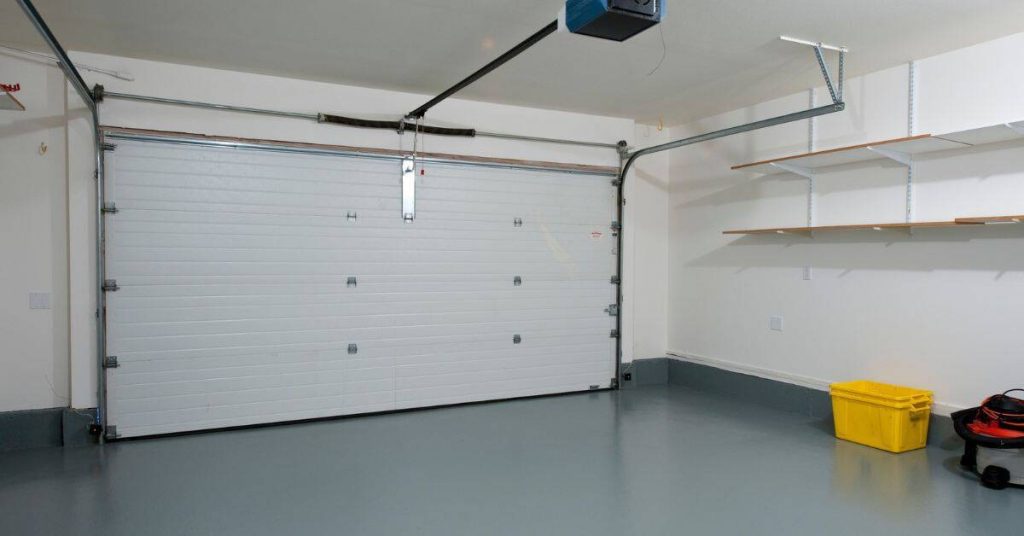
Clean painted concrete garage floor with shelves and yellow bin

Lithium Densifier on Garage Floors: Coverage, Burnishing, and Common Mistakes

Introduction A lithium densifier is a chemical treatment that reacts with concrete to harden the surface. It helps garage floors become more wear resistant and dustproof when applied correctly. Clean, dry surfaces and following the product instructions are essential for best results. Coverage depends on floor porosity and the product label, so check the manufacturer’s

Lithium Densifier on Garage Floors: Coverage, Burnishing, and Common Mistakes Read More »

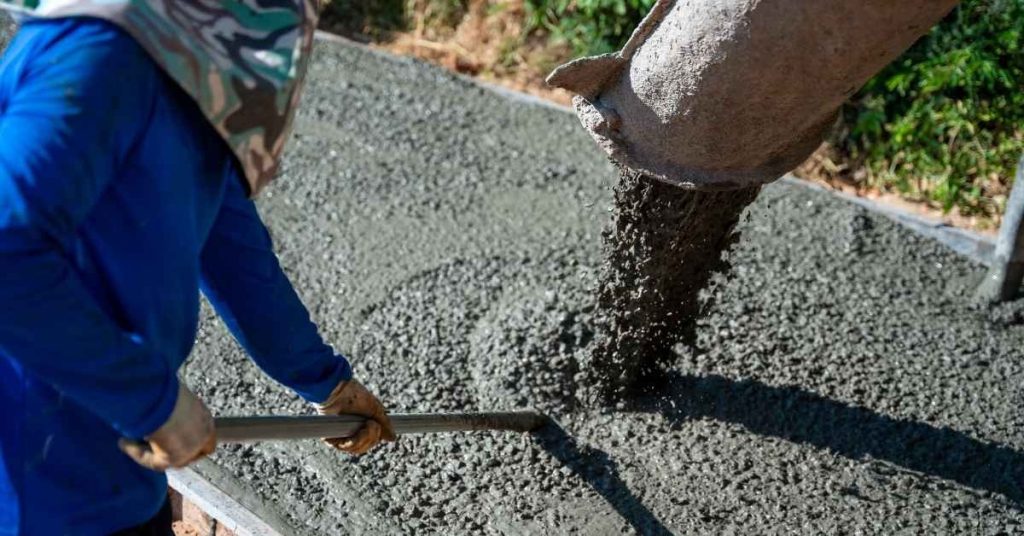
Worker spreading wet concrete from chute with shovel

Adding Gravel to Bagged Concrete: Correct Ratios and Compaction Tips

Introduction Adding gravel to bagged concrete is blending an appropriate amount of aggregate with a pre-mixed concrete product to improve stability and workability. Check the bag or manufacturer instructions for the recommended ratio and how the aggregate should be added. The aim is a consistent mix with fewer voids and a solid, workable set without

Adding Gravel to Bagged Concrete: Correct Ratios and Compaction Tips Read More »

Empty concrete parking garage with white support beams

Adding Sand to Bagged Concrete: When It Helps and When It Weakens the Mix

Introduction Adding sand to bagged concrete can change how it flows and how strong it ends up. The right amount improves workability, but too much can weaken the mix. Always test a small batch and follow the product directions. Sand addition often increases the volume of the mix, which can affect formwork and curing time.

Adding Sand to Bagged Concrete: When It Helps and When It Weakens the Mix Read More »

Open metal gate with stone pillars and green landscape

How to Store Bagged Concrete: Moisture Damage, Shelf Life, and Best Practices

Introduction Storing bagged concrete means keeping the bags dry, off the ground, and protected so the mix remains usable when you need it. Moisture damage is the big risk, since humidity or leaks can turn dry premixed concrete clumps or weaken the mix. Check the bag labels and manufacturer instructions for any shelf life guidance,

How to Store Bagged Concrete: Moisture Damage, Shelf Life, and Best Practices Read More »

Close-up of galvanized steel rebar bundles tied with metal wires

Galvanized Rebar: Pros, Cons, and Compatibility with Repair Mortars

Introduction Galvanized rebar is steel reinforcing bar coated with zinc to resist rust. In DIY projects, that coating matters for longevity in moist concrete, but you still need to follow local rules and manufacturer guidance. When you’re tying it into repair work, consider how the galvanized surface will interact with repair mortars and what to

Galvanized Rebar: Pros, Cons, and Compatibility with Repair Mortars Read More »

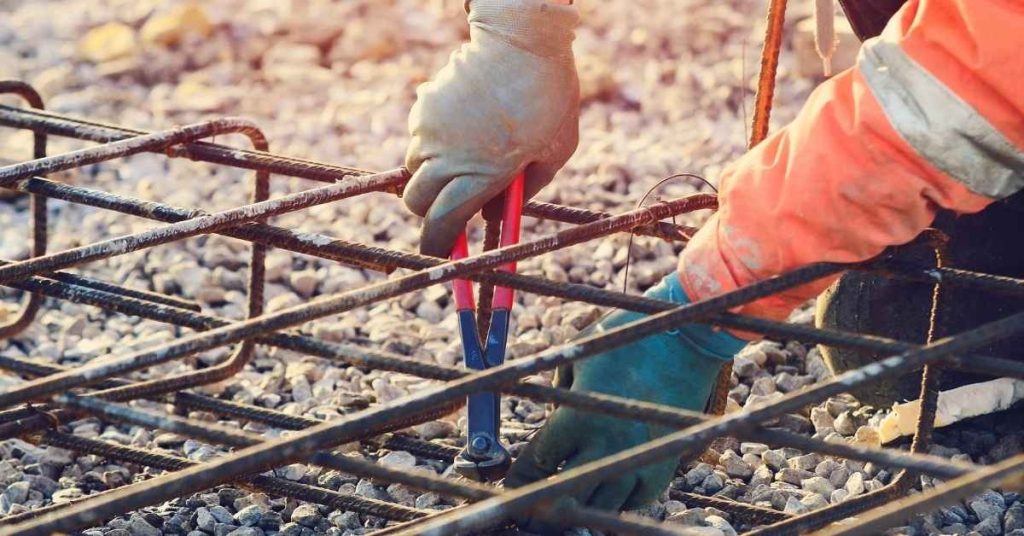
Worker tying rebar with pliers on gravel base

Epoxy-Coated Rebar: When It Helps—and When It Hurts Bond

Introduction Epoxy-coated rebar is steel reinforcing bar coated with epoxy to resist moisture and corrosion. It’s used in concrete projects where moisture or soil contact is expected. Think of it as a protective shell for rebar in harsher environments. Transport and handling can be different from galvanized bars, so plan how you load, carry, and

Epoxy-Coated Rebar: When It Helps—and When It Hurts Bond Read More »