Search Results for: core drilling

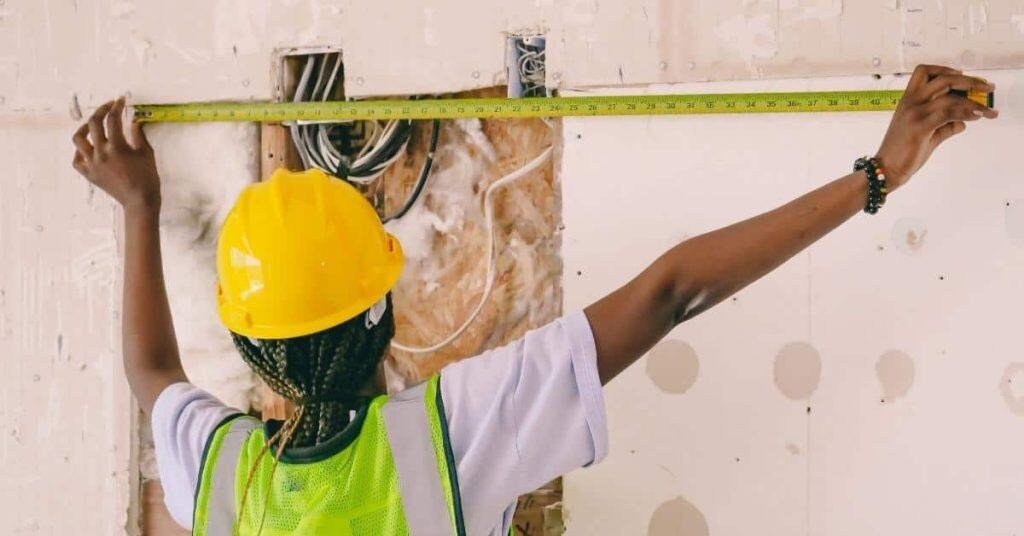
Worker measuring drywall with tape measure on wall

Drywall Fasteners Over Steel Studs: Screw Types, Spacing, and Stripping Avoidance

Introduction Drywall fasteners over steel studs are screws used to attach drywall to metal framing. They’re the fasteners you drive with a screwdriver or drill to secure gypsum to metal studs. Follow the screw manufacturer instructions and local rules for type and installation, and check the packaging label for compatibility with steel studs. To avoid

Drywall Fasteners Over Steel Studs: Screw Types, Spacing, and Stripping Avoidance Read More »

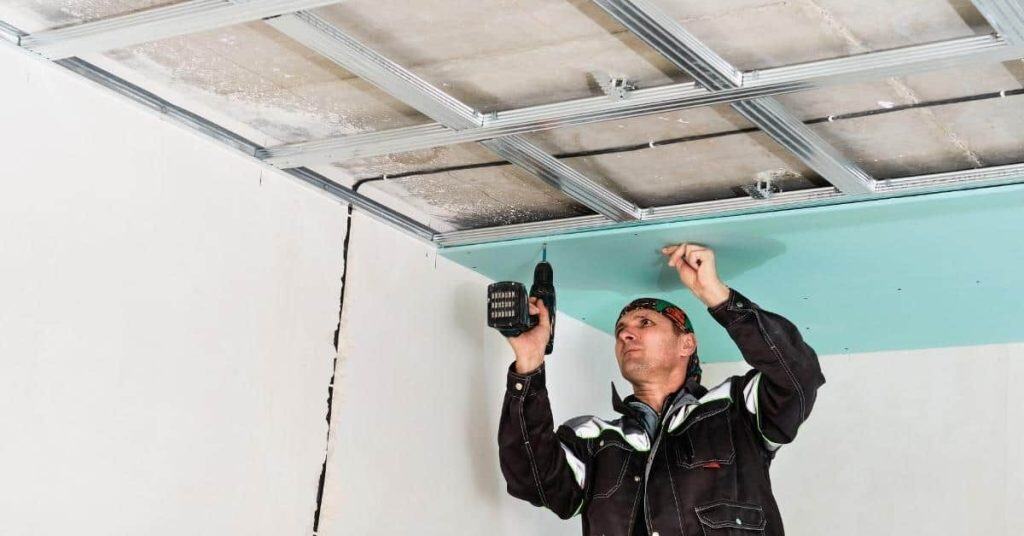
Man installing drywall panels on ceiling metal framework

Drywall Over Plaster Walls: When Furring Strips Beat Adhesives (and how to avoid hollow spots)

Introduction Furring strips create a new, flat surface for hanging drywall over plaster. This method helps prevent hollow spots by giving you solid backing and a frame to fasten into. Check your local rules and manufacturer guidelines for spacing and fastener choices. Plan your layout, level the strips, and avoid compressing the plaster when you

Drywall Over Plaster Walls: When Furring Strips Beat Adhesives (and how to avoid hollow spots) Read More »

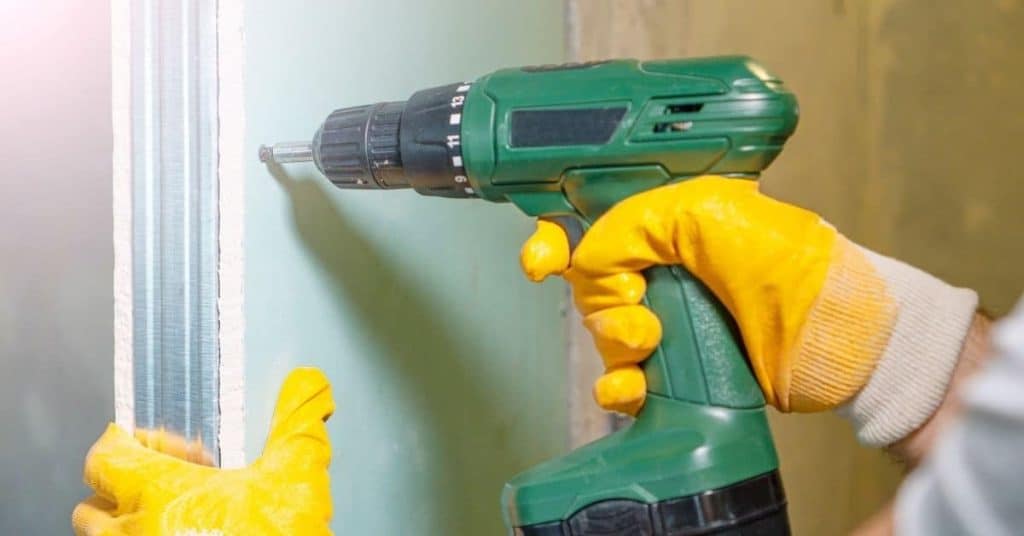
Hand with yellow gloves holding green cordless drill against drywall

How to Install a Flush Drywall Access Panel (Plumbing Shutoffs, Valves, and Cleanouts)

Introduction A flush drywall access panel is a removable hatch that sits level with the wall to reach plumbing shutoffs and valves. Installing one means planning a clean opening, securing it to the studs, and making sure it blends with the drywall. It’s a practical DIY job that emphasizes careful cutting, fitting, and finishing so

How to Install a Flush Drywall Access Panel (Plumbing Shutoffs, Valves, and Cleanouts) Read More »

Clean concrete foundation corner with metal anchors installed

Repairing Honeycombed Concrete at a Foundation Corner (Pack vs. Form-and-Pour)

Introduction Repairing honeycombed concrete at a foundation corner means fixing visible voids and rough pockets where the concrete didn’t consolidate properly. Two practical approaches are packing the void with grout or repair material, or using a form-and-pour rebuild with new concrete. This article compares those options from a hands-on, DIY perspective. When evaluating repairs, look

Repairing Honeycombed Concrete at a Foundation Corner (Pack vs. Form-and-Pour) Read More »

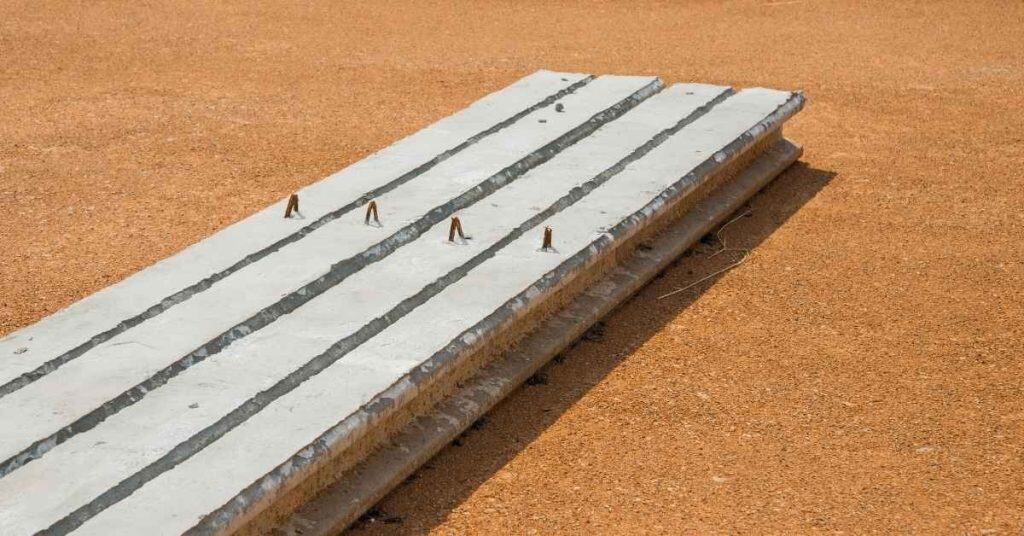
Concrete precast panel with metal rebar rods

How to Make a Concrete ‘Inlay’ House Number Panel (Clean Lines, No Spalling)

Introduction A concrete inlay house number panel is a built-in decorative panel that houses your address numbers flush with the surface. The goal is clean lines and a durable fit that resists spalling when exposed to weather. This article covers practical steps for creating the inlay and keeping the edges sharp while avoiding common mistakes.

How to Make a Concrete ‘Inlay’ House Number Panel (Clean Lines, No Spalling) Read More »

Person installing wood-look vinyl flooring on adhesive

LVP on Concrete Slabs: Moisture Tests You Can Do and Underlayment Choices

Introduction LVP on concrete slabs means laying luxury vinyl plank over a concrete floor while evaluating moisture in the slab and picking an underlayment that suits the job. It’s a practical DIY approach, not a showpiece install, so you’ll want to verify dryness and choose materials that tolerate the conditions you’re working with. Expect to

LVP on Concrete Slabs: Moisture Tests You Can Do and Underlayment Choices Read More »

Interlocking permeable paver blocks with open joints and gravel fill.

Concrete Paver ‘Rocking’ Fix on Sand: When to Regrade vs. Switch to Mortar

Introduction A rocking concrete paver on sand happens when the base shifts and the paver isn’t bedded level. You’ll usually see movement when a surface feels wobbly or shows gaps around edges. This article helps you decide whether to regrade the base or switch to mortar in a simple, hands-on way. To identify the problem,

Concrete Paver ‘Rocking’ Fix on Sand: When to Regrade vs. Switch to Mortar Read More »

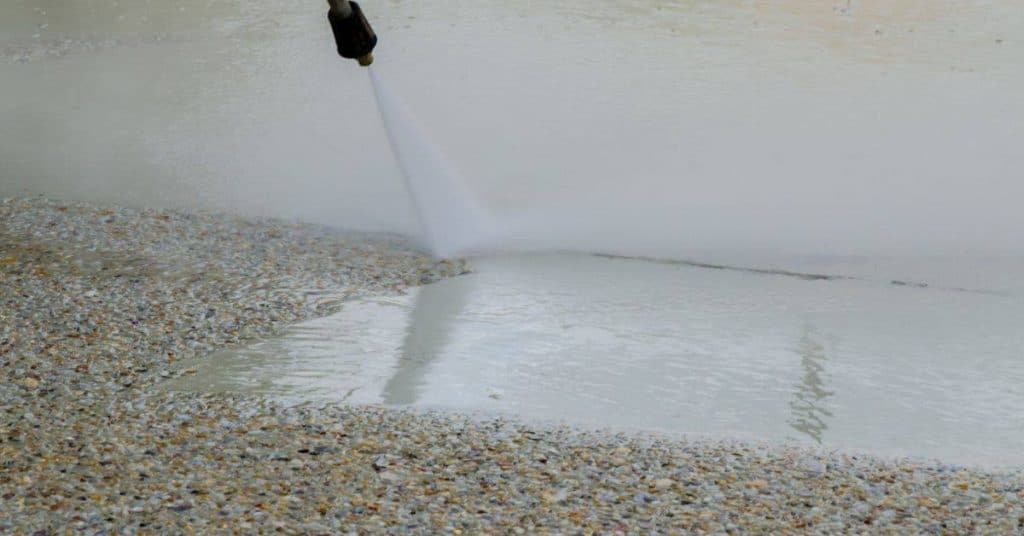
Pressure washing exposed aggregate concrete surface

Creating an Exposed Aggregate ‘Window’ in a Small Repair (Matching Existing Finish)

Introduction An exposed aggregate window is a small patch that reveals decorative stones after removing a portion of concrete to match the surrounding finish. Plan to cut a window in the existing slab, clean and dampen the area, and set up a simple form to keep edges neat. Check local rules and the patch will

Creating an Exposed Aggregate ‘Window’ in a Small Repair (Matching Existing Finish) Read More »

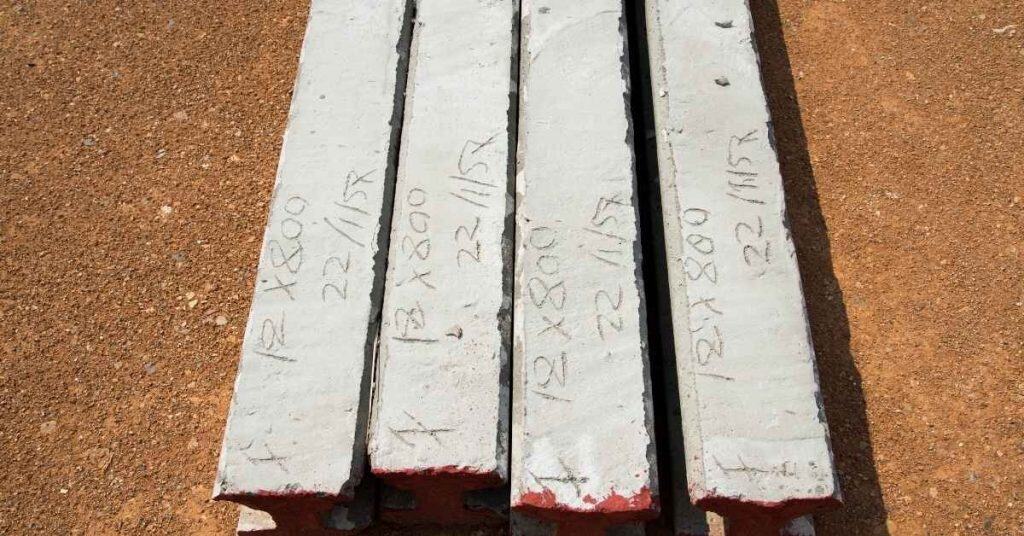
Four concrete test slabs with markings on surface

DIY Carbonation Test for Old Concrete (What It Means for Anchors and Repairs)

Introduction A carbonation test shows how much the concrete has hardened through exposure to CO2, which can affect how anchors hold. This article walks you through what that means for anchors and simple repairs, in plain DIY language. You’ll learn what to check on materials, tools, and local rules when you plan a fix. The

DIY Carbonation Test for Old Concrete (What It Means for Anchors and Repairs) Read More »