Search Results for: core drilling

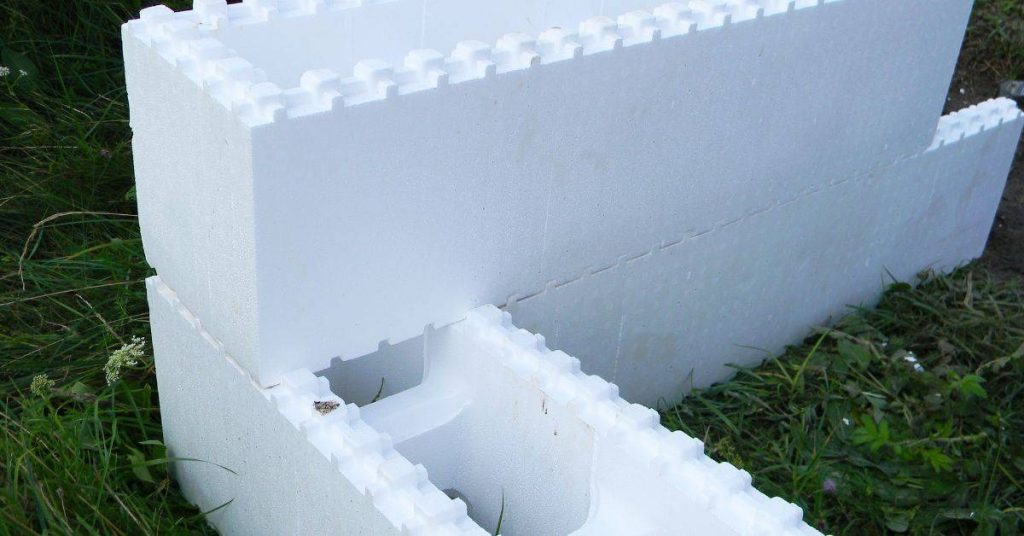
White insulated concrete forms stacked on grass outdoors

Measuring Concrete Cover in the Field: Why “Close Enough” Causes Long-Term Spalls

Introduction Measuring concrete cover accurately means checking how far the rebar or embedded metal sits from the surface, instead of guessing and hoping it’s close enough. In practice, small errors in this measurement can lead to long-term problems like spalling or cracking under load and weather. For DIY work, treat cover as a real detail […]

Measuring Concrete Cover in the Field: Why “Close Enough” Causes Long-Term Spalls Read More »

Empty white plastered room with concrete floor and doorway

Diagnosing Honeycombing in Formed Walls: Severity Grading and Repair Thresholds

Introduction Honeycombing in formed walls is a condition where voids and rough cement gaps appear on the surface, signaling poor compaction and near-surface voids. For DIY homeowners, identify it by a spongy or crumbling feel, visible voids, and a rough, uneven finish. Addressing it depends on how widespread it is and whether the inner steel

Diagnosing Honeycombing in Formed Walls: Severity Grading and Repair Thresholds Read More »

Concrete driveway ramp with textured surface and striped sides

Concrete Moisture Mapping With RH Probes vs Handheld Meters: Choosing the Right Method

Introduction RH probes map moisture in concrete by measuring relative humidity within the slab and comparing it to a calibrated standard. They assess moisture deeper in the concrete rather than just the surface, giving a more complete picture for decisions on finishing or coatings. This article will compare that approach with handheld meters in plain,

Concrete Moisture Mapping With RH Probes vs Handheld Meters: Choosing the Right Method Read More »

Four rectangular concrete slabs with handwritten markings

Chloride Ion Testing in Old Slabs: When Salt Exposure Is the Real Problem

Introduction Chloride ion testing in old slabs is a way to find out whether salt exposure is the real problem behind concrete issues. It helps separate chloride-related damage from other moisture or subfloor failures. In plain terms, it’s part of diagnosing why a floor isn’t performing as you’d expect. Many times, moisture problems drive cracking,

Chloride Ion Testing in Old Slabs: When Salt Exposure Is the Real Problem Read More »

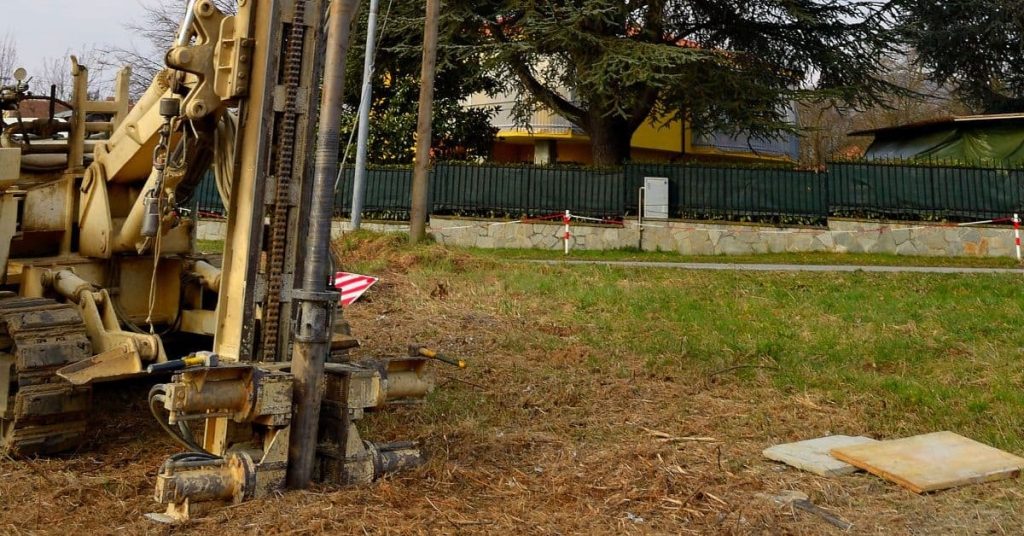
Heavy soil drilling rig on grassy field near fence

Half-Cell Potential Testing: Quick Field Check for Corrosion Risk (and Common Misreads)

Introduction Half-cell potential testing is a quick field check that estimates the likelihood of corrosion on embedded steel by measuring electrical potential at the surface. It’s a screening tool, not a crystal ball, and results should be used with other observations. Always follow the device instructions and local rules when you perform it. To perform

Half-Cell Potential Testing: Quick Field Check for Corrosion Risk (and Common Misreads) Read More »

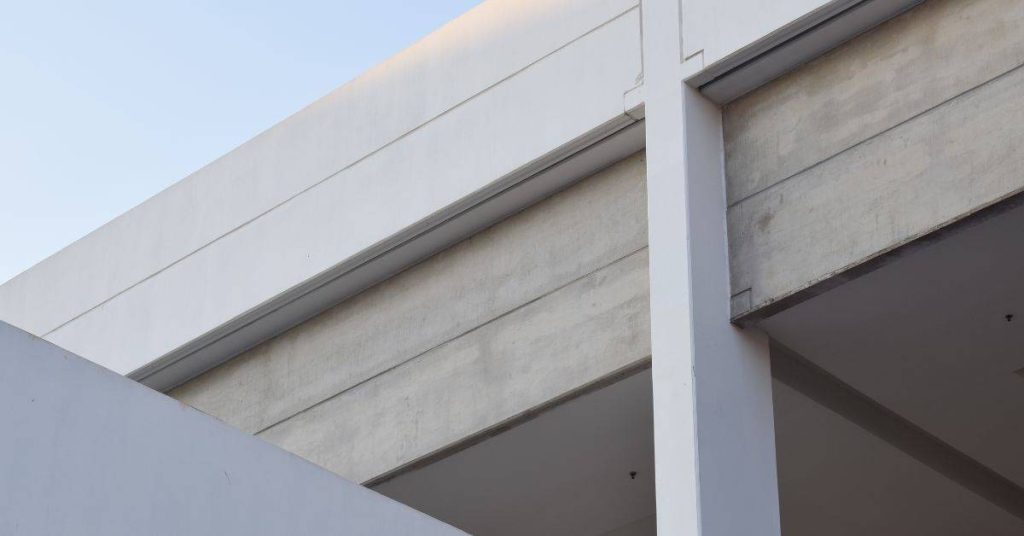
Close-up of concrete beams and columns on building exterior

Petrographic Analysis for Concrete Problems: When It’s Worth Sending a Sample

Introduction Petrographic analysis is identifying what’s inside concrete by examining thin sections under a microscope to diagnose problems. Sending a sample is worth it when surface tests don’t tell you the cause, or when you need to confirm suspicion of reactions or cracking. It’s a straight‑forward way to separate chemical reactions from physical wear. A

Petrographic Analysis for Concrete Problems: When It’s Worth Sending a Sample Read More »

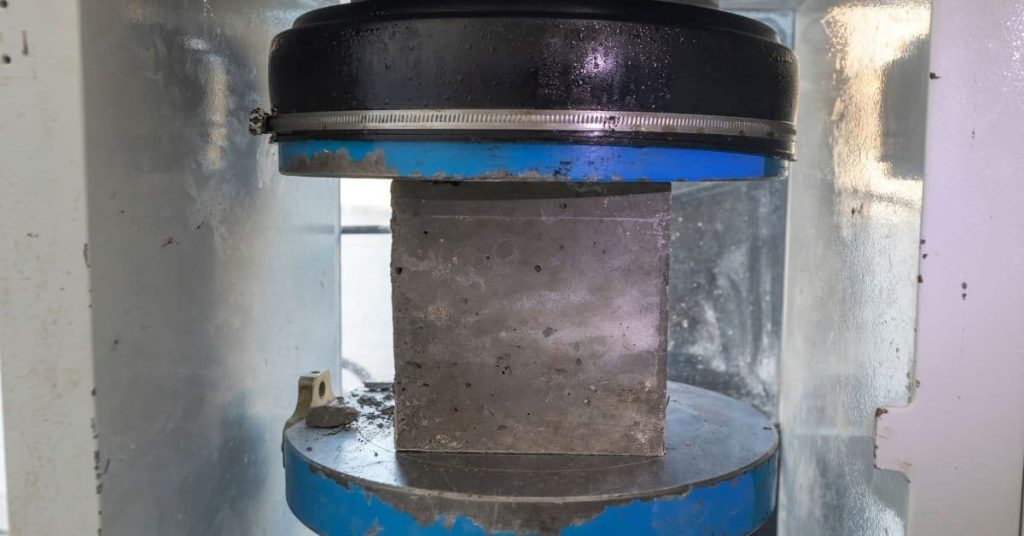
concrete compression test cube inside testing machine

DIY Slump Test: How to Make a Slump Cone and Read the Results

Introduction A slump test measures the workability of fresh concrete by using a cone and watching how much it settles. Key takeaways Understand the slump test measures concrete consistency by observing cone collapse height. Check tools: slump cone, trowel, sampling scoop, and clean curing surface. Follow a step-by-step procedure to ensure consistent results and repeatability.

DIY Slump Test: How to Make a Slump Cone and Read the Results Read More »

Red concrete formwork braces supporting structure

Concrete That Turns Dark When Wet: Diagnosing porosity and finishing issues

Introduction Concrete that turns dark when wet indicates moisture affecting the surface, usually tied to porosity and finishing issues. In plain DIY terms, that color change is your cue that water is soaking in or being held near the finish. It’s a practical clue to start diagnosing what went wrong during pour, finishing, or sealing.

Concrete That Turns Dark When Wet: Diagnosing porosity and finishing issues Read More »

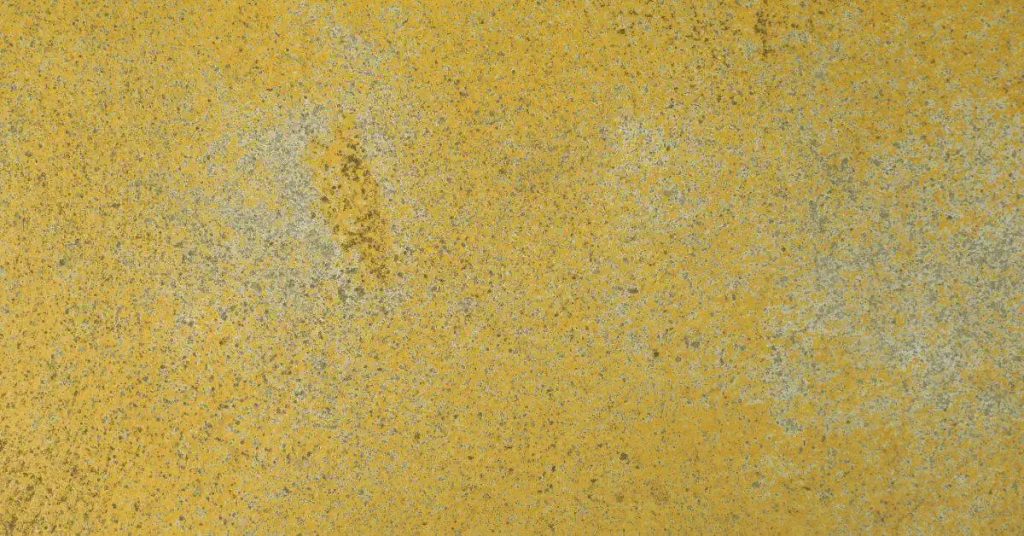
yellow stained concrete surface with varying texture

Concrete Surface Delamination: Causes, diagnosis, and repair that lasts

Introduction Delamination is the surface layer of concrete peeling or separating from the underlying concrete, creating a patchy, hollow feel. It often shows up as a dull patch that may flake or sound hollow when tapped. Lightly tapping suspect areas can help you spot where the top lift isn’t bonded well. To diagnose, look for

Concrete Surface Delamination: Causes, diagnosis, and repair that lasts Read More »

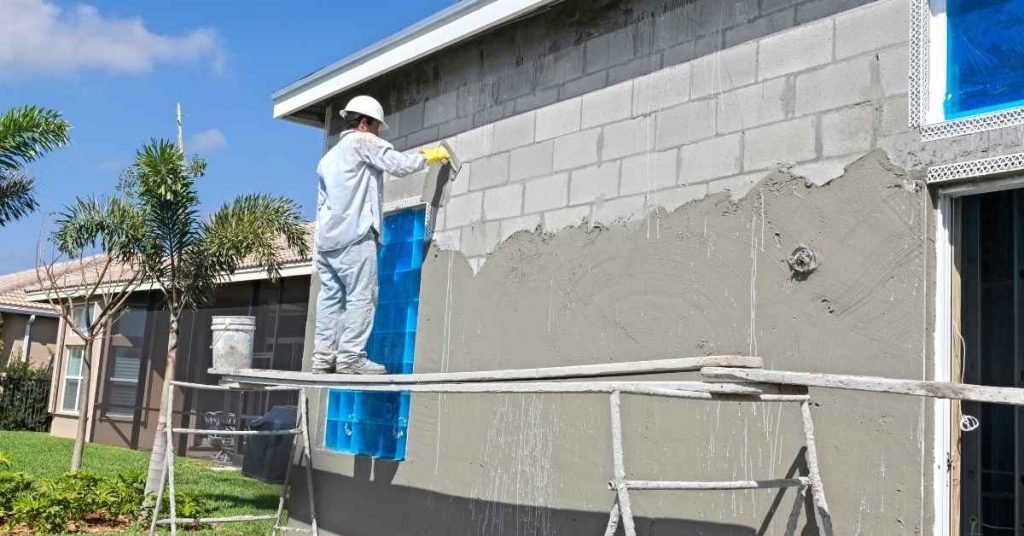
Worker applying stucco on cinder block wall outside house

Hollow-Sounding Stucco: Diagnosing debonding and choosing the right repair

Introduction Hollow-sounding stucco means the plaster layer is pulling away from the underlying surface, making a thump or hollow note when you tap it. This usually points to debonding or voids behind the stucco. If you hear it, start by confirming where the sound is strongest and what the visible signs are. Use plain, practical

Hollow-Sounding Stucco: Diagnosing debonding and choosing the right repair Read More »