Search Results for: control joint

Person smoothing fresh concrete with tools wearing gloves

Cold-Weather Concrete Repairs: Keeping Thin Patches and Small Slabs from Freezing Out

Introduction Cold-weather concrete repairs are fixes done in cold conditions to prevent thin patches and small slabs from freezing. This article explains practical steps you can take with common materials to keep patches durable. Approach is hands-on and focused on safe, simple techniques you can apply without special equipment. Cold weather slows concrete hydration and […]

Cold-Weather Concrete Repairs: Keeping Thin Patches and Small Slabs from Freezing Out Read More »
Close-up of weathered wooden fence post with barbed wire and dry grass

Concrete Post Base Pockets and Voids: Where They Come from and How to Patch Invisibly

Introduction Concrete post base pockets are hollow or voided areas that form under a post base in poured concrete. They develop when formwork fails to support the concrete properly, when settlement occurs, or when air and water leave gaps before the concrete cures. These voids can compromise the base and the surrounding footing if not

Concrete Post Base Pockets and Voids: Where They Come from and How to Patch Invisibly Read More »

Fresh concrete poured into yellow wooden formwork

Rock Pockets on Formed Concrete Faces: Prevention During Pour and Durable Cosmetic Repairs

Introduction Rock pockets are hollow spots or voids that appear on the surface of formed concrete faces. They form when aggregate or cement settles away from the surface during pour, leaving visible pockets. Proper formwork, consistent pour, and careful surface preparation help prevent them. Symptoms include small pits and rough spots on the face that

Rock Pockets on Formed Concrete Faces: Prevention During Pour and Durable Cosmetic Repairs Read More »

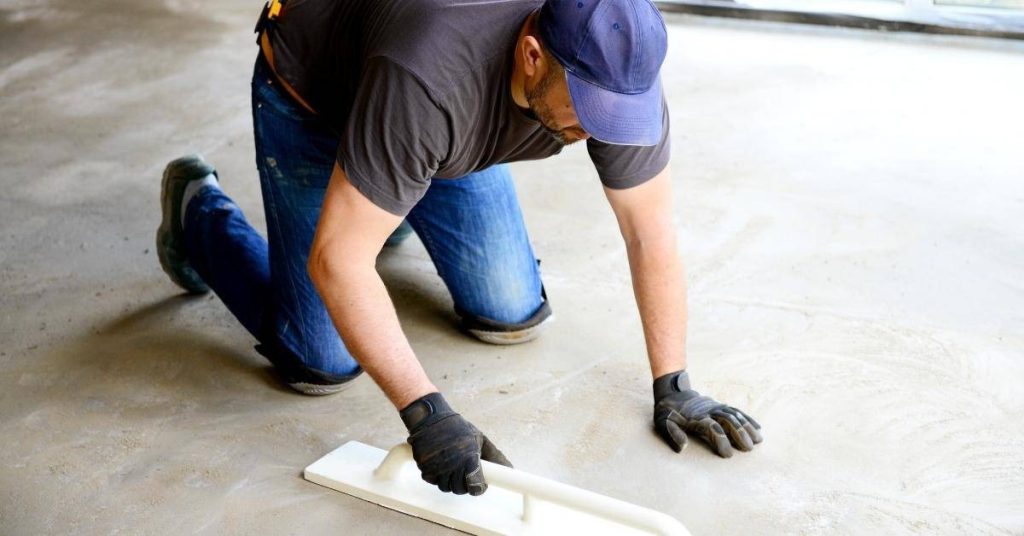
Worker smoothing new concrete floor with hand float

Bonding New Concrete to Old Work: Scarify Vs Grind Vs Acid (and Why Acid Often Disappoints)

Introduction Bonding new concrete to old work means preparing the surface so fresh concrete will adhere to an existing slab. Scarify, grind, and acid-etch are common surface-prep options, each with its own trade‑offs. Understanding when to use each method helps you avoid weak bonds and failed pours. Scarifying provides a mechanical key by roughening the

Bonding New Concrete to Old Work: Scarify Vs Grind Vs Acid (and Why Acid Often Disappoints) Read More »

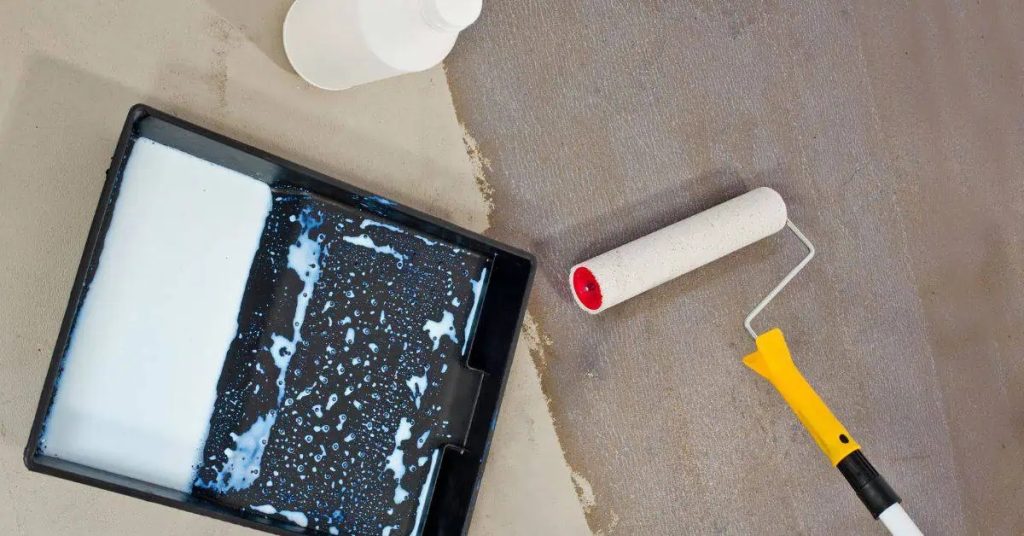
Paint roller and tray with white primer on concrete floor

Self-Leveling Overlays on Concrete: Dams, Primers, and Stopping Pinholes and Ripples

Introduction Self-leveling overlays are thin, cement-based compounds poured over concrete to create a smooth, level surface. They are applied after proper substrate preparation to fill minor irregularities and set with minimal manual leveling. A proper dam at edges and openings helps keep the mix in place as it cures. People doing this at home should

Self-Leveling Overlays on Concrete: Dams, Primers, and Stopping Pinholes and Ripples Read More »

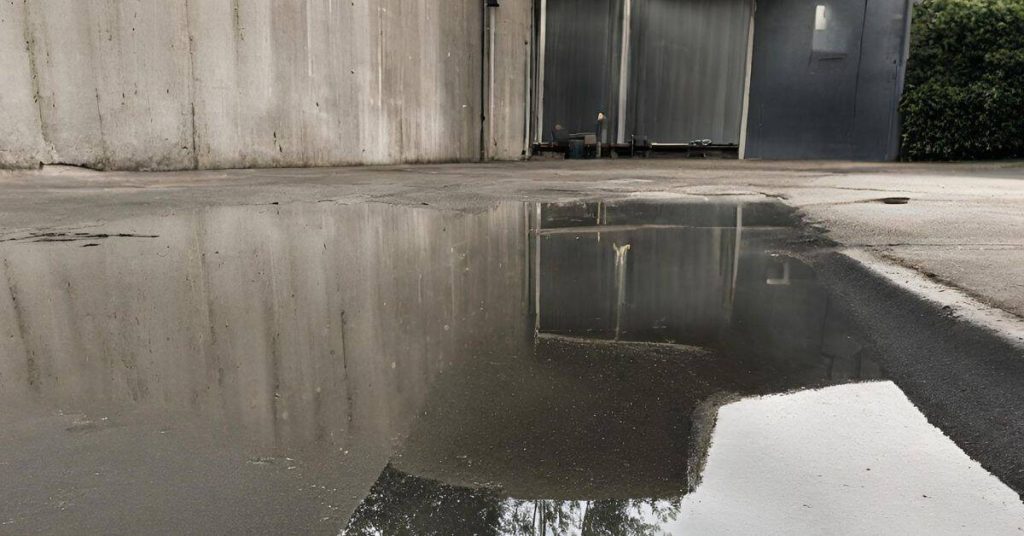
Water puddle on concrete surface near wall and door

Reading Water Stains Around Concrete Slabs: Simple Drainage Diagnostics Before You Start Digging

Introduction Water stains around concrete slabs indicate moisture movement from beneath or around the slab rather than a surface spill. This article helps you spot early signs and assess the basic drainage setup before any digging. Use plain checks and safe steps to decide what to fix first. Common signs include damp patches, mineral buildup,

Reading Water Stains Around Concrete Slabs: Simple Drainage Diagnostics Before You Start Digging Read More »

Rusty orange concrete silo against clear blue sky

Troubleshooting DIY Mixes with a Slump Test: What Bad Numbers Look Like in Real Concrete

Introduction A slump test measures the workability of fresh concrete by how far a cone of concrete settles. This simple check helps you see if the mix will place and cure as intended. Slump ranges include zero, low, medium, high, and collapse, and each indicates a different workability. Different factors—water content, aggregate size, and mixing

Troubleshooting DIY Mixes with a Slump Test: What Bad Numbers Look Like in Real Concrete Read More »

Stamped concrete patio surface with a textured pattern

Form Oil and Release Agents for Concrete: the Types That Stain and How to Avoid Fish-Eyes

Introduction Form oils and release agents are substances applied to molds to prevent sticking and ease demolding in concrete. They come in different types, including petroleum-based form oils and water-emulsion or semi-synthetic releases. The choice affects how the surface looks, so always check the product label and follow manufacturer instructions. To avoid fish-eye and staining,

Form Oil and Release Agents for Concrete: the Types That Stain and How to Avoid Fish-Eyes Read More »

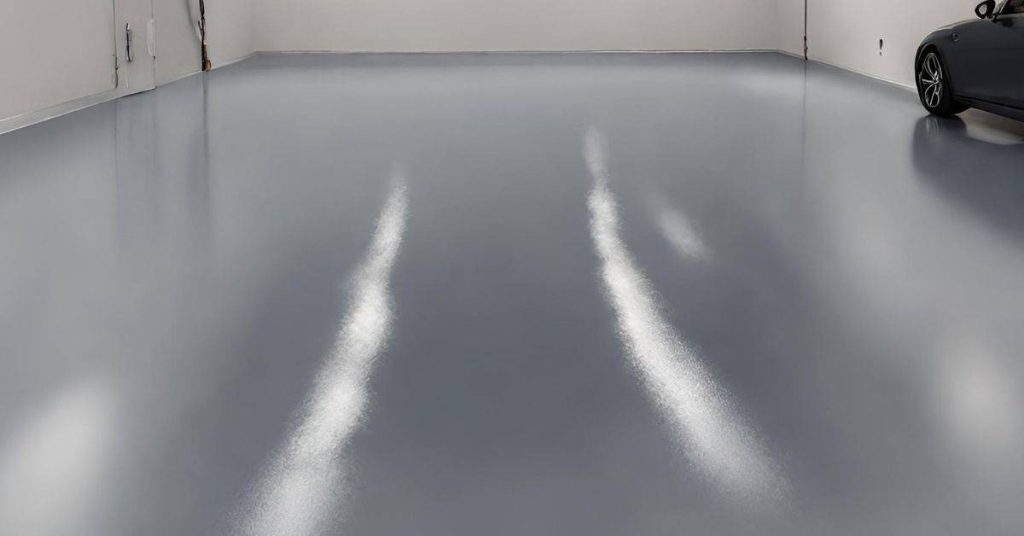
Smooth grey epoxy-coated concrete floor in garage

Anchor bolts in concrete that landed wrong: drill-and-epoxy fixes and layout prevention

Introduction Anchor bolts misinstalled in concrete can be repaired with drill-and-epoxy fixes and better planning for layout. The goal is to restore hold and align the bolts without overcomplicating the job. This approach keeps the work practical and repeatable in real-world settings. Start by cleaning the holes and surrounding concrete to remove dust and debris.

Anchor bolts in concrete that landed wrong: drill-and-epoxy fixes and layout prevention Read More »

Empty room with smooth polished concrete floor and large windows

Fixing a Bad Concrete Broom Finish: Rescue Tricks for Chatter Marks, Streaks, and Overworked Slabs

Introduction A bad concrete broom finish is an uneven, rough texture on a broom-finished slab with chatter marks and streaks. This article offers practical, hands-on techniques to smooth out the look while preserving the surface integrity. For DIY fixes, assess the surface and plan a remediation approach with simple tools and safe methods. Check guidelines

Fixing a Bad Concrete Broom Finish: Rescue Tricks for Chatter Marks, Streaks, and Overworked Slabs Read More »