Search Results for: control joint

Lath Termination at Dissimilar Materials: Stucco-to-Wood

Lath Termination at Dissimilar Materials: Stucco-to-Wood

Introduction Proper lath termination at stucco-to-wood interfaces prevents water intrusion and related damage. This matters because stucco and wood respond differently to moisture and movement, so detailing must accommodate expansion, contraction, and flashing. You will learn how to detail flashing, choose compatible sealants and fasteners, and apply practical steps to create a durable, energy-efficient transition. […]

Lath Termination at Dissimilar Materials: Stucco-to-Wood Read More »

Inside Corners on Stucco: How to Reinforce so Cracks Don’t Telegraph

Inside Corners on Stucco: How to Reinforce so Cracks Don’t Telegraph

Introduction Reinforcing inside corners on stucco prevents cracks from telegraphing through the finish. The guide walks through practical steps, materials to consider, and common-sense tips you can apply on real projects. You’ll learn how to identify vulnerable corners, prepare the surface, and implement reinforcement methods that keep cracks hidden. Key takeaways Inside corners crack due

Inside Corners on Stucco: How to Reinforce so Cracks Don’t Telegraph Read More »

Fixing “loose but Not Falling” Plaster: Stopping Movement Before You Skim

Fixing “loose but Not Falling” Plaster: Stopping Movement Before You Skim

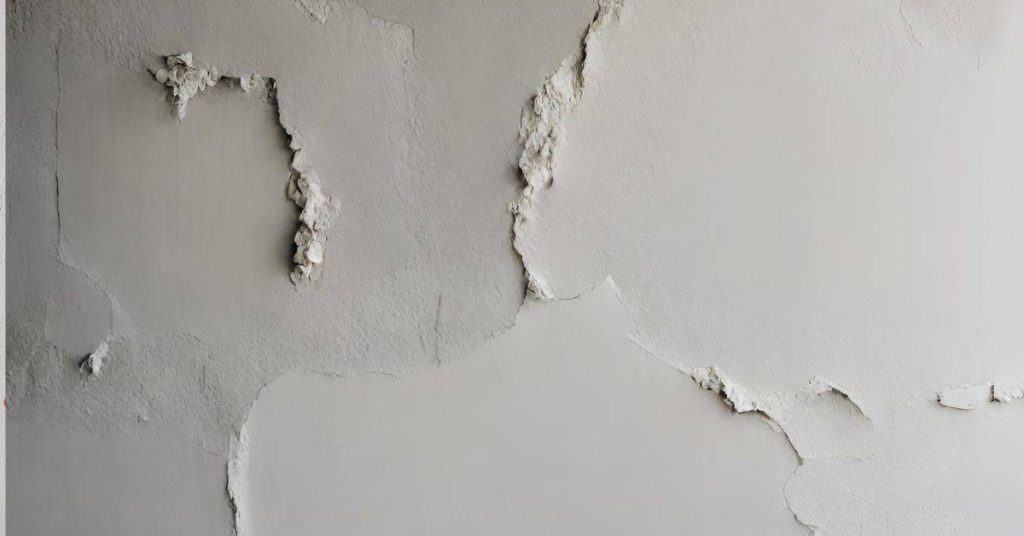
Introduction Fixing loose but not falling plaster stops movement and prevents further damage. The guide walks through practical steps, tips, and simple checks you can perform to stabilize plaster and plan safe skim repairs. Key takeaways Tap plaster to distinguish hollow vs solid areas; note any creaking. Inspect cracks, bonding failures, and substrate movement before

Fixing “loose but Not Falling” Plaster: Stopping Movement Before You Skim Read More »

Blending New Plaster into Old: Feathering Edges so the Patch Disappears

Blending New Plaster into Old: Feathering Edges so the Patch Disappears

Introduction Feathering edges when blending new plaster into old makes the patch disappear. You’ll learn how to feather edges for a seamless transition, what materials and techniques work best, and practical tips for matching texture and color so repairs look like part of the wall. Key takeaways Assess patch area, feathering only when old plaster

Blending New Plaster into Old: Feathering Edges so the Patch Disappears Read More »

Fixing Bulged Plaster: How to Flatten or Decide to Replace the Section

Fixing Bulged Plaster: How to Flatten or Decide to Replace the Section

Introduction To fix bulged plaster, you can flatten the bulge or replace the affected section if the damage is severe. The guide walks through practical steps to assess the damage, choose between patching or replacing, and apply safe, durable techniques you can use in your own space. Key takeaways Identify bulged plaster early to prevent

Fixing Bulged Plaster: How to Flatten or Decide to Replace the Section Read More »

Back-Buttering When It Matters: Large-Format Tile Vs Small Tile Reality

Back-Buttering When It Matters: Large-Format Tile Vs Small Tile Reality

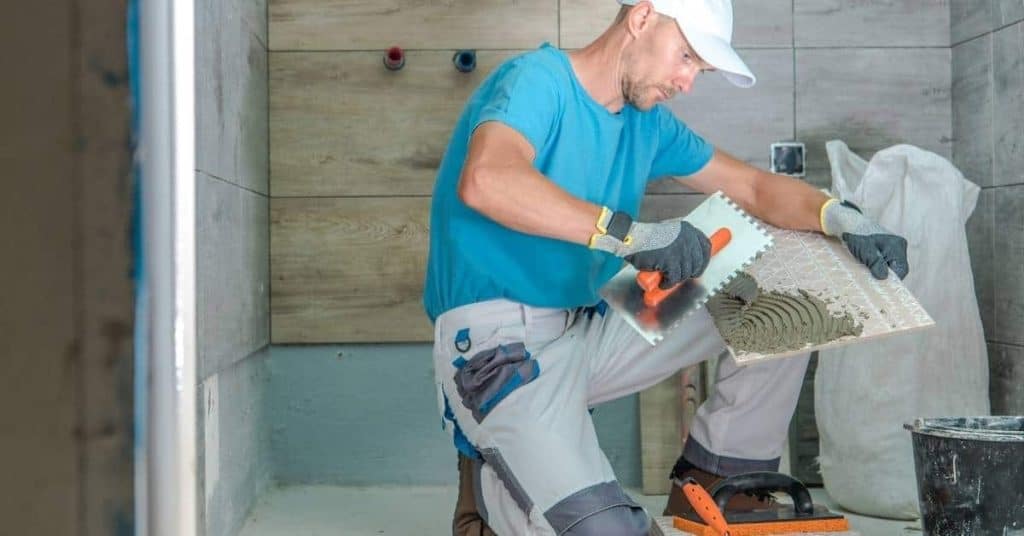
Introduction Back-buttering is essential for large-format tiles to prevent hollow spots and reduce lippage. The guide explains when back-buttering matters, how to determine proper coverage, and practical steps you can apply to both large-format and small tiles. You’ll learn how to mix and apply adhesive correctly, how to back-butter tile backs and substrates, and how

Back-Buttering When It Matters: Large-Format Tile Vs Small Tile Reality Read More »

Gravel Base Thickness for Patios: Choosing 4″ or 8″ with Real Examples

Gravel Base Thickness for Patios: Choosing 4″ or 8″ with Real Examples

Introduction Gravel base thickness for patios should be 4 inches for standard light-use patios and 8 inches where soils are soft or loads are higher. You’ll learn practical guidelines, real-world examples, and simple steps to choose the right thickness for your site. Key takeaways 4-inch bases suit small patios with light loads and compacted soil.

Gravel Base Thickness for Patios: Choosing 4″ or 8″ with Real Examples Read More »

Slab-on-Grade Edge Insulation: Where It Helps and Where It Causes Trouble

Slab-on-Grade Edge Insulation: Where It Helps and Where It Causes Trouble

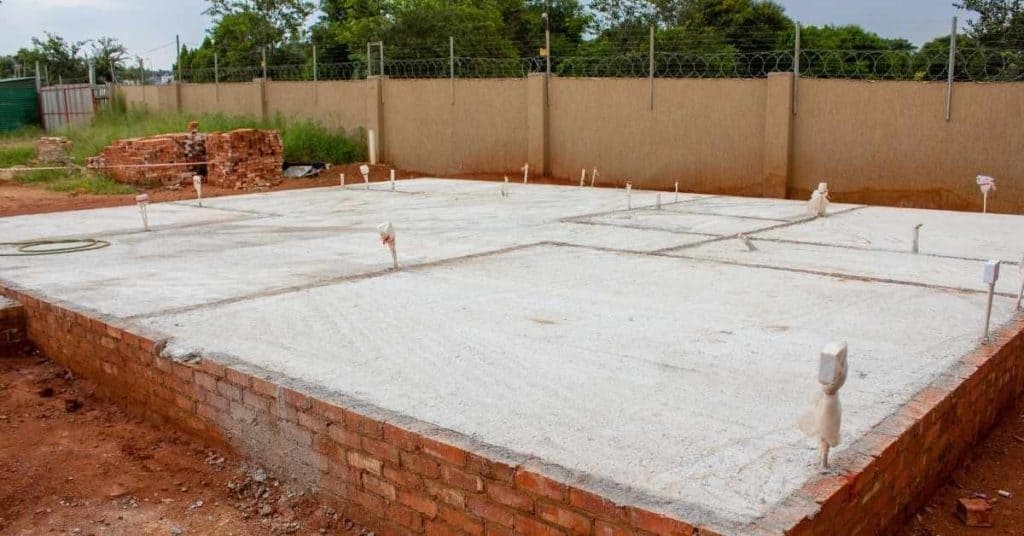
Introduction The slab-on-grade construction method is popular for its simplicity and cost-effectiveness. However, it’s crucial to understand where edge insulation helps and where it might cause issues. This guide will walk you through the benefits and potential drawbacks of using edge insulation in your slab-on-grade project. Let’s dive right in! Key takeaways Evaluate edge insulation

Slab-on-Grade Edge Insulation: Where It Helps and Where It Causes Trouble Read More »

Why Concrete Spalling Is Often Caused by More Than Freeze-Thaw Cycles Alone

Why Concrete Spalling Is Often Caused by More Than Freeze-Thaw Cycles Alone

Introduction Concrete spalling is not caused by freeze-thaw cycles alone; moisture, reinforcement, and quality of materials also influence damage. You’ll learn how to assess the other contributing factors, recognize the signs early, and apply practical steps to reduce spalling and extend the life of concrete structures. Back to top ↑ Key takeaways Freeze-thaw is often

Why Concrete Spalling Is Often Caused by More Than Freeze-Thaw Cycles Alone Read More »