Search Results for: control joint

close-up of concrete surface with multiple small holes and rough texture

Concrete Planter Drain Holes That Don’t Crack: Sleeves, Inserts, and Timing

Introduction Drain holes in concrete planters that won’t crack are achieved by using sleeves or inserts and timing the drilling to the curing stage. Keep the hole protected with a sleeve and drill during the right curing window, then finish with your chosen patch. Always check the product label or maker’s instructions for recommended hole […]

Concrete Planter Drain Holes That Don’t Crack: Sleeves, Inserts, and Timing Read More »
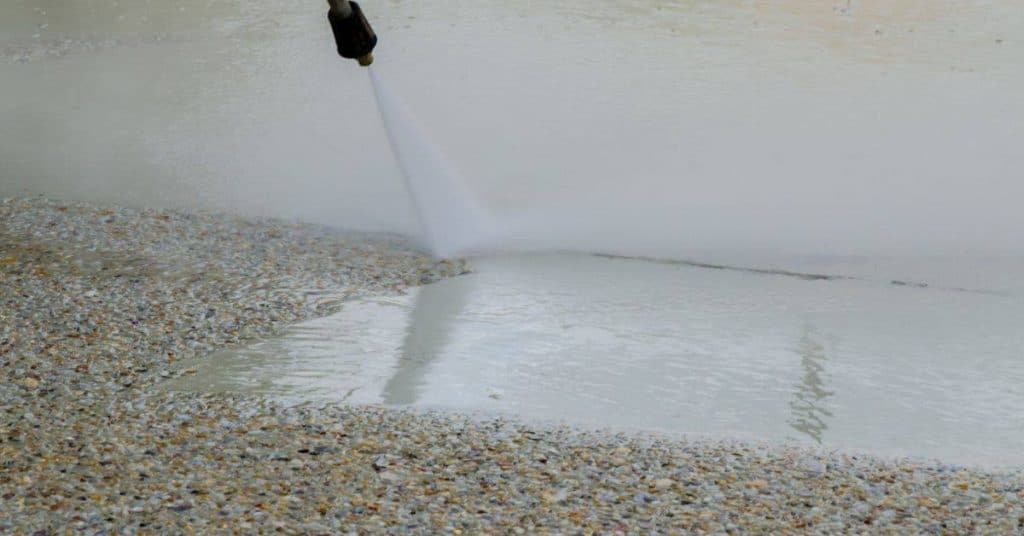
Pressure washing exposed aggregate concrete surface

Creating an Exposed Aggregate ‘Window’ in a Small Repair (Matching Existing Finish)

Introduction An exposed aggregate window is a small patch that reveals decorative stones after removing a portion of concrete to match the surrounding finish. Plan to cut a window in the existing slab, clean and dampen the area, and set up a simple form to keep edges neat. Check local rules and the patch will

Creating an Exposed Aggregate ‘Window’ in a Small Repair (Matching Existing Finish) Read More »

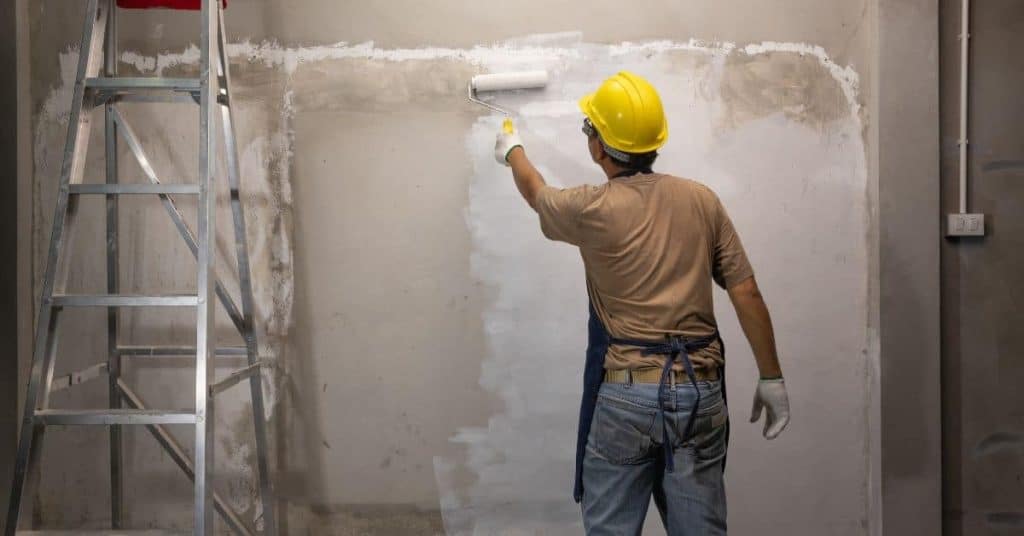
Worker rolling white paint on concrete wall

How to Seal Hairline Cracks Before Painting a Concrete Wall (So They Don’t Print Through)

Introduction Sealing hairline cracks before painting means filling and smoothing tiny cracks in a concrete wall so the paint won’t show through. Start by cleaning the crack and removing dust, then pick a filler recommended for concrete and apply it according to its instructions. Let the filler cure as directed and lightly sand smooth if

How to Seal Hairline Cracks Before Painting a Concrete Wall (So They Don’t Print Through) Read More »

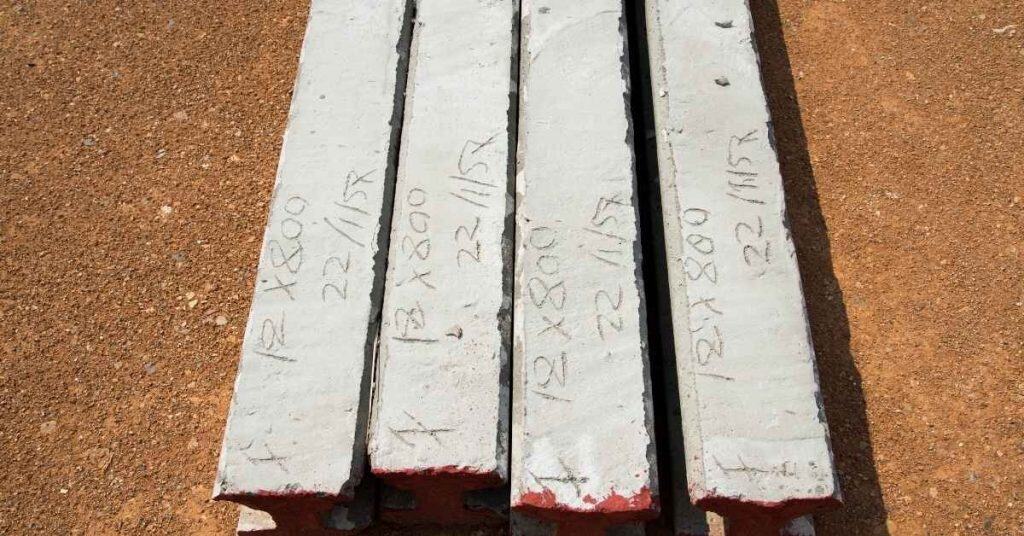
Four concrete test slabs with markings on surface

DIY Carbonation Test for Old Concrete: What It Means for Anchors and Repairs

Introduction A phenolphthalein carbonation test is a localized destructive or minimally destructive screening check—not an anchor test. It can show how far CO₂-driven chemical neutralization appears to have progressed from an exposed concrete surface. It cannot establish concrete strength, corrosion rate, corrosion amount, bond strength, pull-out resistance, or whether a particular anchor is safe for

DIY Carbonation Test for Old Concrete: What It Means for Anchors and Repairs Read More »

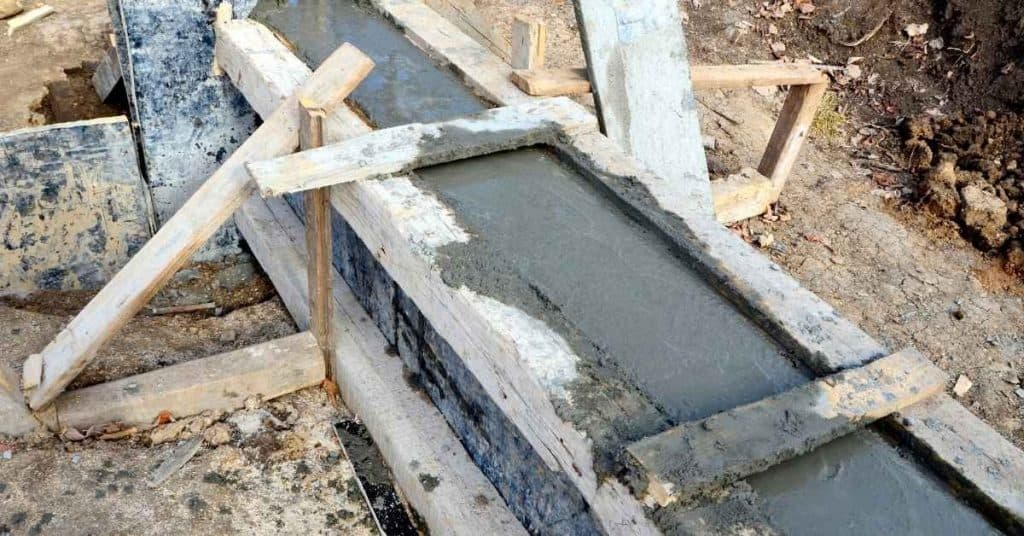
Wooden forms holding freshly poured concrete swale

How to Create a Drainage Swale in Concrete Without Making It Look Like a Gutter

Introduction A drainage swale in concrete is a shallow, sculpted channel that directs water away while keeping a smooth, integrated look. The idea is to route water on the surface or just below, and still read as part of the yard, not a gutter. Plan with proper slope, width, and edge treatment, and confirm you

How to Create a Drainage Swale in Concrete Without Making It Look Like a Gutter Read More »

Close-up of concrete surface with a patch of spalling damage

Concrete Spalling at Garage Door Thresholds: Why It Happens and How to Rebuild the Edge

Introduction Spalling is when the surface concrete flakes, chips, or peels away at the garage door edge. The damage comes from moisture intrusion, freeze-thaw cycles, or heavy traffic over time. You’ll notice rough edges where the edge of the slab meets the door opening. To rebuild the edge, remove loose material and clean the area

Concrete Spalling at Garage Door Thresholds: Why It Happens and How to Rebuild the Edge Read More »

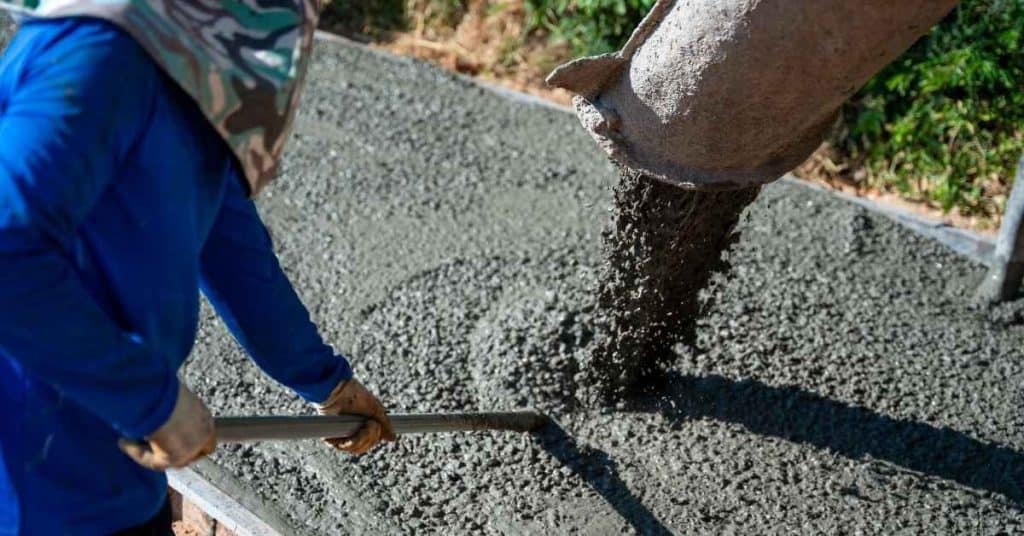
Worker pouring and leveling wet concrete outdoors

How to Handle a Concrete Slab Sinking at One Corner: Foam vs. Mudjacking

Introduction A concrete slab that has sunk at one corner can sometimes be lifted if the slab is mostly intact, the settlement is localized, and the cause of the void or soil loss is corrected. Cementitious grout (often called mudjacking) and two-component polyurethane foam are specialist slab-lifting methods—not ordinary beginner DIY repairs. The practical homeowner

How to Handle a Concrete Slab Sinking at One Corner: Foam vs. Mudjacking Read More »