Search Results for: control joint

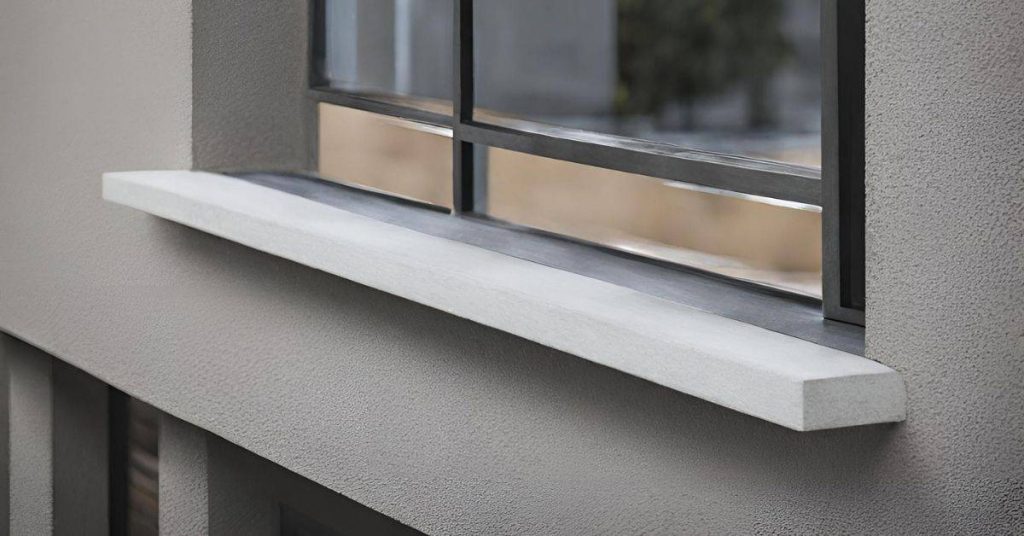
Smooth sandblasted concrete window sill beneath glass window

How to Match a Sandblasted Concrete Finish in a Small Repair

Introduction Matching a sandblasted concrete finish in a small repair means removing the same surface layer and recreating the texture and color so the patch blends with the surrounding slab. This requires cleaning and profiling the repair area, choosing a compatible repair mortar or topping, and using a light abrasive technique to mimic the sandblasted […]

How to Match a Sandblasted Concrete Finish in a Small Repair Read More »

Close-up view of crushed concrete aggregate stones

Exposed Aggregate Repairs: Re-Exposing Stone Without Washing Out the Patch

Introduction Exposed aggregate repairs that re-expose stone without washing out the patch means removing the surface paste down to the original aggregate so the patch blends with the surrounding concrete. It’s a hands-on process using mechanical abrasion and careful material matching rather than scrubbing with water until the new paste disappears. Check product labels and

Exposed Aggregate Repairs: Re-Exposing Stone Without Washing Out the Patch Read More »

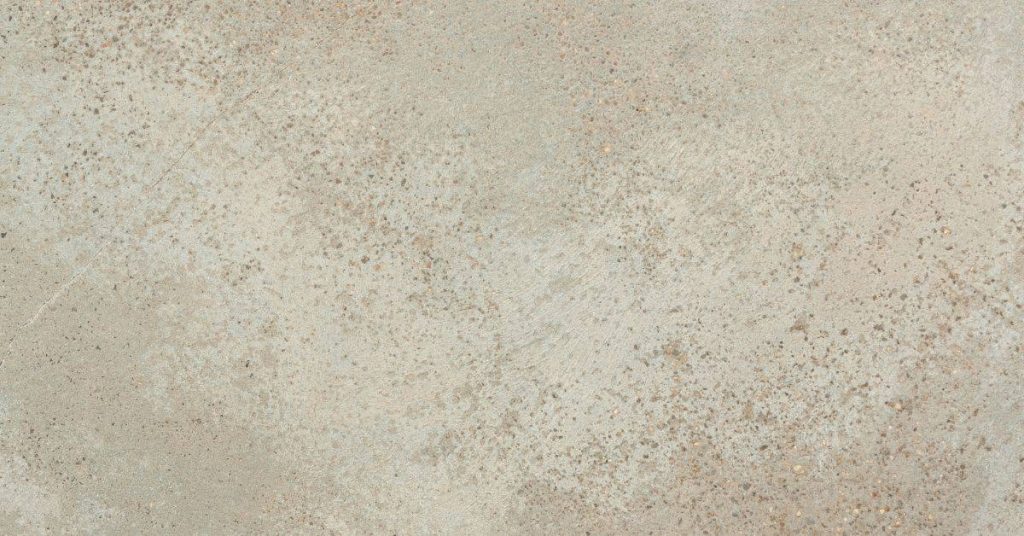
closeup of textured concrete surface with salt finish

Concrete Salt Finish Patching: How to Recreate the Texture Without Obvious Islands

Introduction Concrete salt finish patching is a way to match the coarse, pocked texture of an existing salt finish by embedding and removing salt or an aggregate substitute so the repair blends in. This job is hands-on: you clean and profile the old concrete, feather the repair edges, and match the mix and timing so

Concrete Salt Finish Patching: How to Recreate the Texture Without Obvious Islands Read More »

Concrete surface with peeling and scaling damage

Concrete Scaling From De-Icers: Diagnosing Salt Damage and Resetting the Surface

Introduction Concrete scaling from de-icers is surface flaking and loss of the concrete paste caused or accelerated by salt exposure and freeze-thaw action. I’ll walk you through how to spot salt damage, what causes it, and practical ways to reset the surface so your slab is safe and serviceable again. This is written for a

Concrete Scaling From De-Icers: Diagnosing Salt Damage and Resetting the Surface Read More »

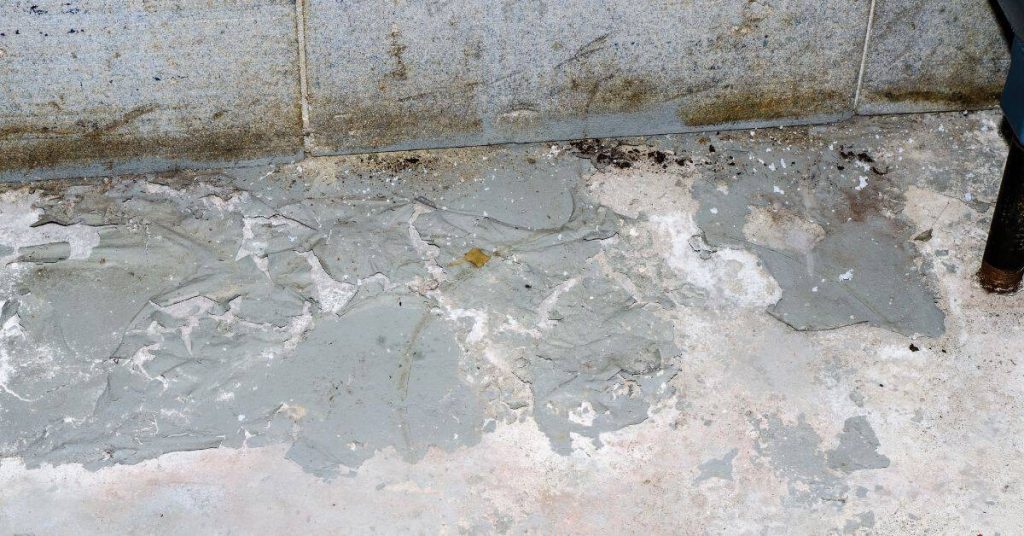
Ceiling with large peeling white paint revealing gray surface

Concrete Efflorescence vs Lime Run: Spotting the Difference and Choosing the Right Cleaner

Introduction Efflorescence is a white, powdery salt deposit that forms when water carries soluble salts to the concrete surface, while lime run is a sticky, glossy white or pale film from excess lime or cement paste washing out during finishing or cleanup. Spotting which you have matters because one is salt left behind and the

Concrete Efflorescence vs Lime Run: Spotting the Difference and Choosing the Right Cleaner Read More »

modern concrete countertop with integrated sink and black faucet

Repairing a Concrete Countertop Chip at the Sink: Edge Build-Up and Reseal Workflow

Introduction Repairing a concrete countertop chip at the sink means rebuilding the damaged edge with a compatible patch compound, shaping it to match the surrounding profile, and then resealing the repair so water can’t get in. This is a hands-on patch-and-finish job you can do with basic tools, but check the patch product label and

Repairing a Concrete Countertop Chip at the Sink: Edge Build-Up and Reseal Workflow Read More »

pile of crushed concrete aggregate with varied sizes

Concrete Countertop Mix Design for DIY: Aggregate Size, Fiber, and Reinforcement Layout

Introduction Concrete countertop mix design for DIY means choosing aggregate size, fibers, and reinforcement so the slab is workable, strong, and resists cracking. Think coarse aggregate that fits the finished thickness, fibers or mesh to control cracking, and a reinforcement layout that supports spans—check product labels and local rules for exact specs. Keep the mix

Concrete Countertop Mix Design for DIY: Aggregate Size, Fiber, and Reinforcement Layout Read More »

Worker smoothing wet concrete with steel trowel

How to Avoid Concrete Burn Marks From Steel Trowels: Timing and Pressure

Introduction Concrete burn marks from steel trowels are surface defects caused by working the slab too long or with too much pressure while the surface is still finishing; to avoid them, match your troweling timing and hand pressure to the concrete’s set and follow good finishing technique. This means watching the slab, feeling the surface,

How to Avoid Concrete Burn Marks From Steel Trowels: Timing and Pressure Read More »

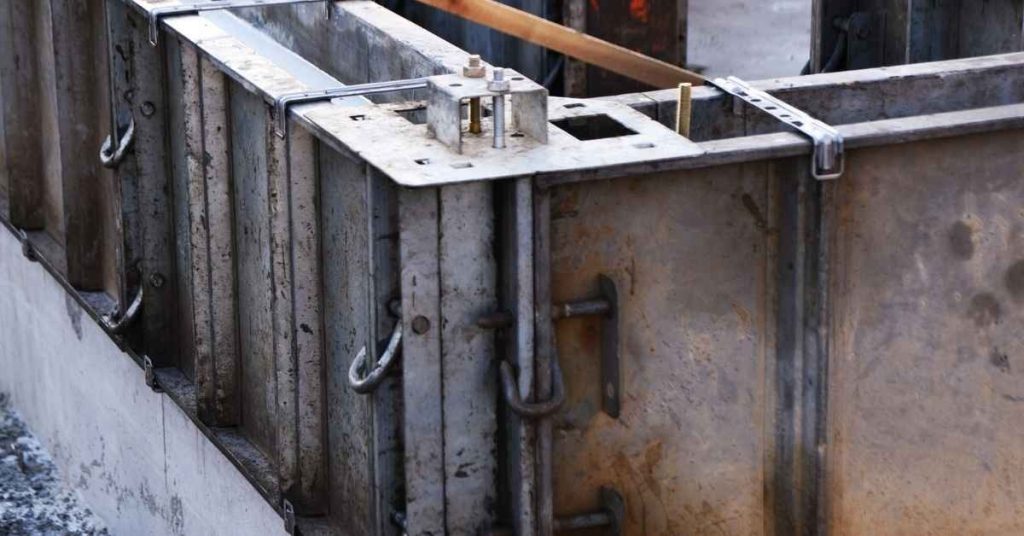
Metal formwork panels assembled for concrete pouring

Steel Troweling on Exterior Concrete: Why It Can Cause Scaling and What to Do Instead

Introduction Steel troweling is not, by itself, proof that it caused an exterior slab to scale. A properly timed, limited steel finish is not inherently damaging. Risk rises when concrete is finished while bleed water is present, overworked, or sprinkled with water and reworked; those practices can leave a weak, high-water-cementitious surface layer. Freeze-thaw exposure,

Steel Troweling on Exterior Concrete: Why It Can Cause Scaling and What to Do Instead Read More »

Hand smoothing plaster on wall with a trowel

Bull Floating vs Magnesium Floating: When Each Surface Is Better for Finishes

Introduction Bull floating uses a wide, rigid tool to flatten and level fresh concrete quickly while magnesium floating uses a lighter, textured board to work the surface finer; choose the tool that matches where you are in the finishing sequence and the look you want. In practice that means use a bull float early to

Bull Floating vs Magnesium Floating: When Each Surface Is Better for Finishes Read More »