Search Results for: control joint

Concrete support columns under a waterfront bridge

Repairing Honeycombed Columns: Inject, Patch, or Rebuild? A Decision Tree

Introduction Repairing honeycombed columns means deciding whether to inject materials, patch the surface, or rebuild the column core. It’s a practical call based on how severe the damage looks and whether the structure still carries load safely. Always assess the condition with your eyes and a quick test, then check product labels and local rules […]

Repairing Honeycombed Columns: Inject, Patch, or Rebuild? A Decision Tree Read More »
Concrete pathway with wave texture and green grass sides

Concrete Repair in Sulfate Soils: Material Selection That Won’t Turn to Mush

Introduction Concrete repair in sulfate soils means choosing repair materials that resist sulfate attack so the patch doesn’t crumble. Always check the product label and manufacturer instructions for sulfate resistance and compatible cementitious systems. If in doubt, confirm with local rules and test methods, and avoid mixes that aren’t specifically rated for sulfate exposure. Plan

Concrete Repair in Sulfate Soils: Material Selection That Won’t Turn to Mush Read More »

Concrete ceiling with patched spalling areas

Polymer-Modified Repair Mortars in Freeze–Thaw Zones: When Polymer Helps and When It Hurts

Introduction Polymer-modified repair mortars are cement mixes that use polymers to improve adhesion and cohesiveness in damaged concrete. In DIY jobs near freeze–thaw cycles, they can help keep cracks from reopening if applied to a clean, prepped surface. Always read the product label for mixing ratios, cure time, and any temperature guidance before starting. Polymers

Polymer-Modified Repair Mortars in Freeze–Thaw Zones: When Polymer Helps and When It Hurts Read More »

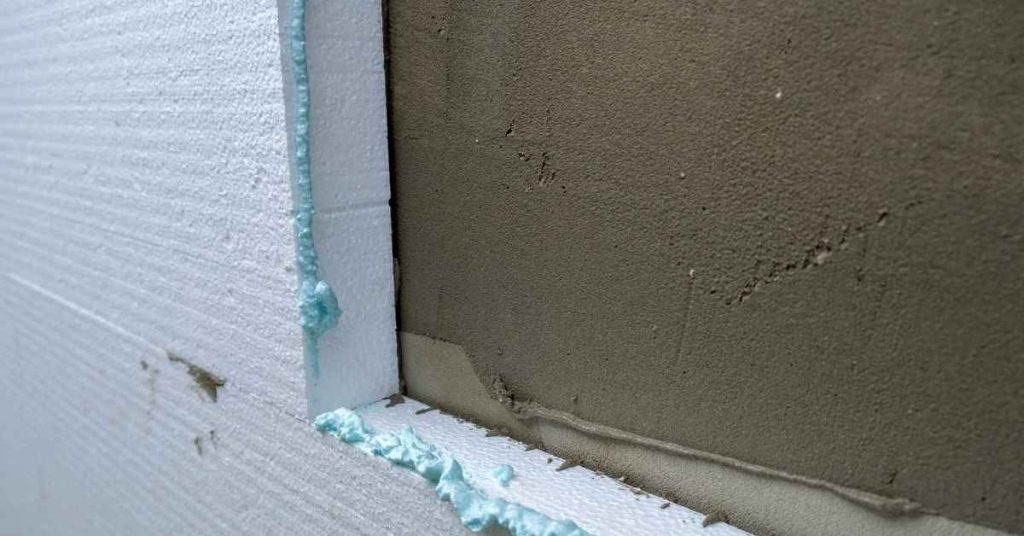
Close-up of foam insulation and repair mortar edge

Feather-Edge Rules for Repair Mortars: Minimum Thickness by Product Type

Introduction Feather-edge thickness for repair mortars is the minimum thickness you should aim for at the feathered edge of a repair, as defined by the product you choose. Because different products have different requirements, always check the label and the manufacturer instructions for the exact minimum. If in doubt, consult local rules or a pro

Feather-Edge Rules for Repair Mortars: Minimum Thickness by Product Type Read More »

Close up of concrete floor grinding machine in use

Fixing Trip Hazards on Sidewalks: Grinding Limits, Overlay Risks, and Code-Ish Thresholds

Introduction Trip hazards on sidewalks are uneven or crowned surfaces that can snag a foot and cause a fall. For a DIY approach, start by evaluating where and how the surface is out of plane and plan gentle corrections rather than drastic reshaping. Keep changes modest, clearly mark the area, and work in daylight to

Fixing Trip Hazards on Sidewalks: Grinding Limits, Overlay Risks, and Code-Ish Thresholds Read More »

Close-up of a large crack in concrete slab surface

Concrete Crack Stitching With Staples: When It Works and How to Detail It

Introduction Concrete crack stitching with staples is a method that uses staples and epoxy to bridge and reinforce cracks in concrete. It’s most practical for non-structural cracks where movement is limited and the surface is accessible. Check product labels and local rules for epoxy and staple kit compatibility before starting. Typical materials to have on

Concrete Crack Stitching With Staples: When It Works and How to Detail It Read More »

Worker pouring concrete mix over steel rebar grid

DIY Grout-Style Mixes vs True Concrete: When High Sand Content Is Actually Stronger

Introduction Grout-style mixes with high sand content differ from true concrete in composition and how they cure. In some cases, more sand can bulk up the mix and feel stronger, but that doesn’t mean it works the same as real concrete in every situation. Always check the product label and manufacturer guidance to confirm sand

DIY Grout-Style Mixes vs True Concrete: When High Sand Content Is Actually Stronger Read More »

Stacked precast concrete wall panels outdoors on construction site

Infrared Thermography on Concrete Walls: Spotting Moisture and Delamination Without Guesswork

Introduction Infrared thermography is a non-contact inspection method that shows temperature differences on concrete walls to reveal moisture and delamination. It helps you spot problem areas without invasive probing, so you can plan remediation. Use it as a hands-on tool to guide where to open the wall and what to seal. In practice, expect to

Infrared Thermography on Concrete Walls: Spotting Moisture and Delamination Without Guesswork Read More »

Concrete driveway with brick border and grass lawn

Schmidt Rebound Hammer Test on Concrete: Calibration, Limits, and DIY Interpretation

Introduction A Schmidt rebound hammer test measures surface hardness to estimate concrete strength. For DIY projects, calibration matters and you should follow the tool’s manufacturer instructions and any local requirements when taking readings. Surface preparation and how you strike the test hammer affect results, and there are clear limits to what an in-place reading can

Schmidt Rebound Hammer Test on Concrete: Calibration, Limits, and DIY Interpretation Read More »

Blue paint can with roller and tray on dark surface

Pull-Off Adhesion Testing for Coatings and Overlays: Setup, Dollies, and Pass/Fail Thinking

Introduction Pull-off adhesion testing is a simple method to check how well a coating or overlay sticks to a concrete surface. This article walks you through the basic setup, dollies, and how to think about pass/fail decisions in practical terms. Keep in mind this is a hands-on check you perform before large jobs, not a

Pull-Off Adhesion Testing for Coatings and Overlays: Setup, Dollies, and Pass/Fail Thinking Read More »