Search Results for: control joint

Paint roller applying white paint on wall surface

How to Paint Concrete Block Without Trapping Moisture: Breathability vs Washability

Introduction Painting concrete block should let moisture escape while protecting the surface. That balance is breathability vs washability, not just color. You’ll need guidance from labels and local rules. Start by cleaning and inspecting for cracks, then plan a breathable, washable finish. Check product labels for vapor permeability and washability, and follow manufacturer instructions. If […]

How to Paint Concrete Block Without Trapping Moisture: Breathability vs Washability Read More »
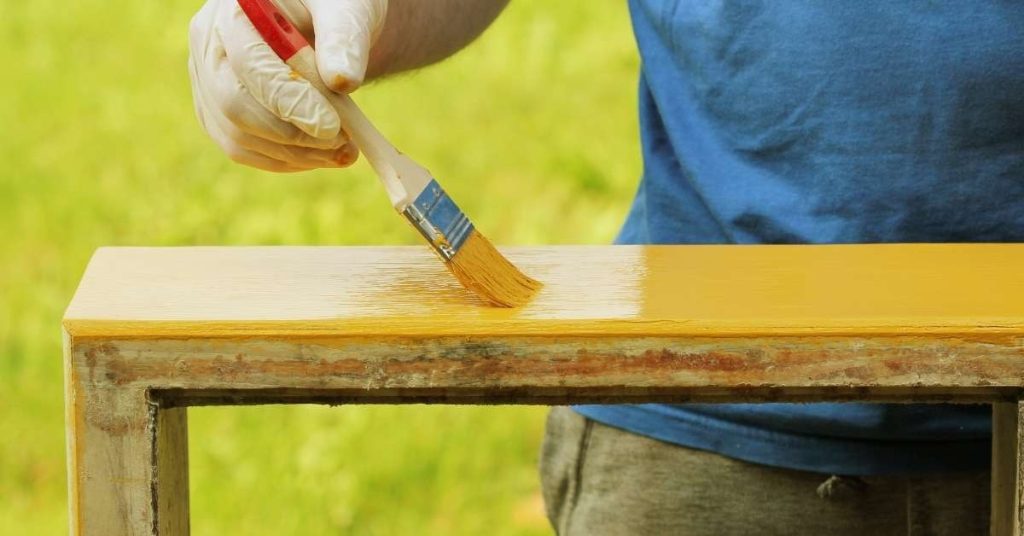
Person painting wooden frame with yellow paint brush

Painting Masonry Indoors: Managing Moisture Drive and Picking a Mineral Coating

Introduction Painting masonry indoors is about selecting a mineral coating and managing moisture to prevent staining and failure. Understanding moisture drive helps you spot efflorescence (mineral deposits) and mold so you treat the wall correctly. This article gives a hands-on, plain-English guide for safely assessing walls, cleaning where needed, and choosing a coating that resists

Painting Masonry Indoors: Managing Moisture Drive and Picking a Mineral Coating Read More »

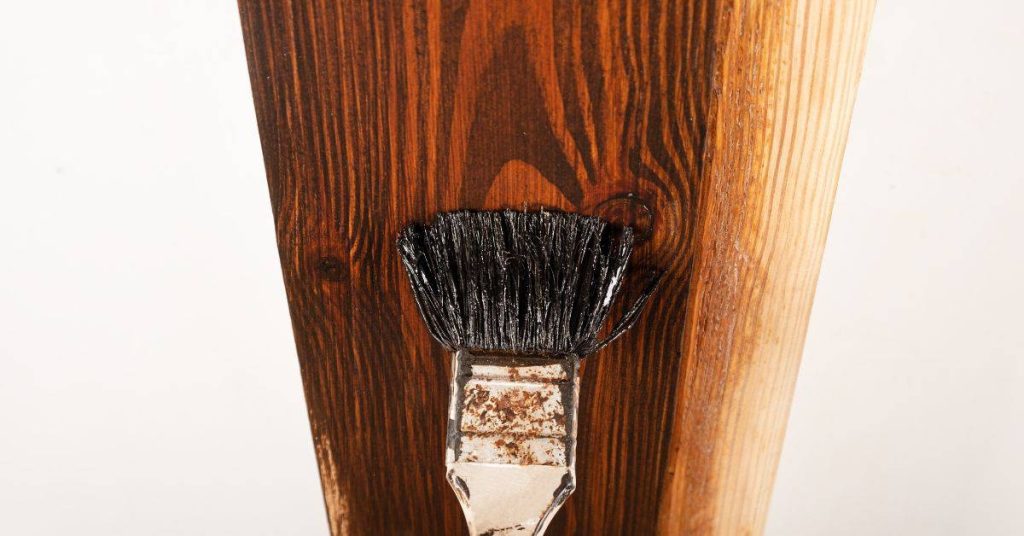
Paintbrush applying dark varnish to wooden plank

Coating Over Damp Wood Near Concrete: Why Blisters Form and Better Breathable Systems

Introduction Blisters form when moisture underneath the coating pushes through and splits the film over damp wood near concrete. You’ll see raised bubbles or pockets as the coating tries to cure in a wet, alkaline environment. Work is risky if you skip drying and proper surface prep. Look for breathable coating options and follow proper

Coating Over Damp Wood Near Concrete: Why Blisters Form and Better Breathable Systems Read More »

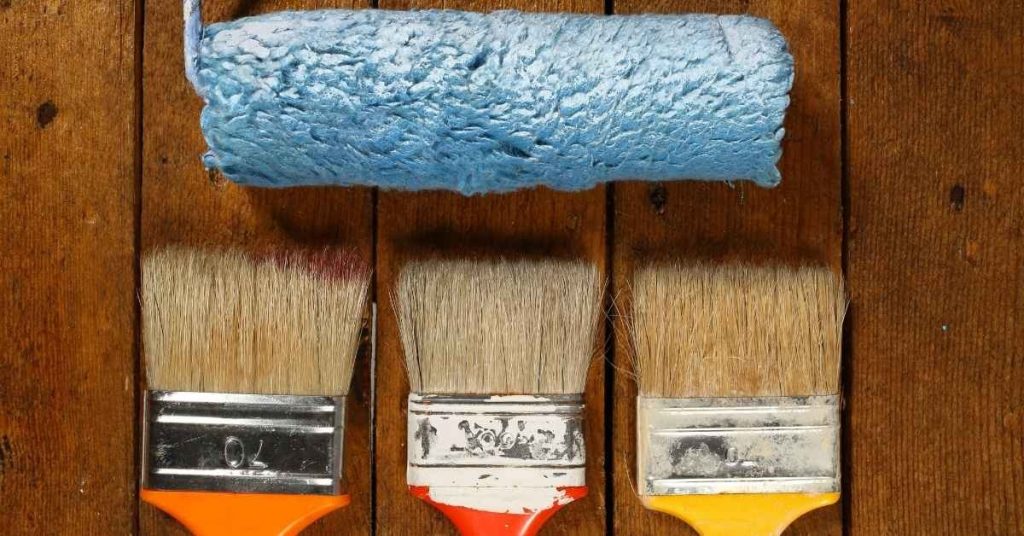
Three paintbrushes and one paint roller on wooden surface

Fixing Paint that ‘Alligators’: Causes, Patch Strategy, and When to Strip

Introduction Alligatoring is when cracked, ridged paint film looks like alligator skin. It happens when the top layer loses flexibility and the underlayer shows through. This tells you that the surface needs attention beyond a quick touch-up. A practical plan is to assess the damage, remove loose paint, and decide whether you can patch or

Fixing Paint that ‘Alligators’: Causes, Patch Strategy, and When to Strip Read More »

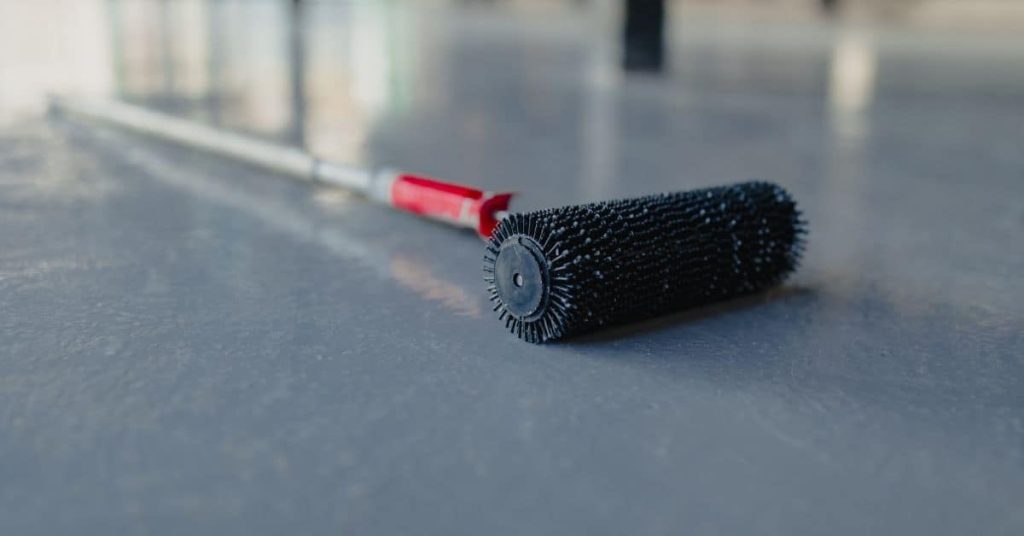
Black spiked roller with red handle on smooth floor surface

Topcoating Epoxy With Urethane: Recoat Windows and Sanding Levels That Prevent Delam

Introduction Topcoating epoxy with urethane is applying a urethane topcoat over an epoxy coating to seal and protect the finish. This step adds abrasion resistance and UV protection beyond the epoxy layer. Do it only after the epoxy has cured as instructed and the surface is clean and prepared for a new coat. Choose compatible

Topcoating Epoxy With Urethane: Recoat Windows and Sanding Levels That Prevent Delam Read More »

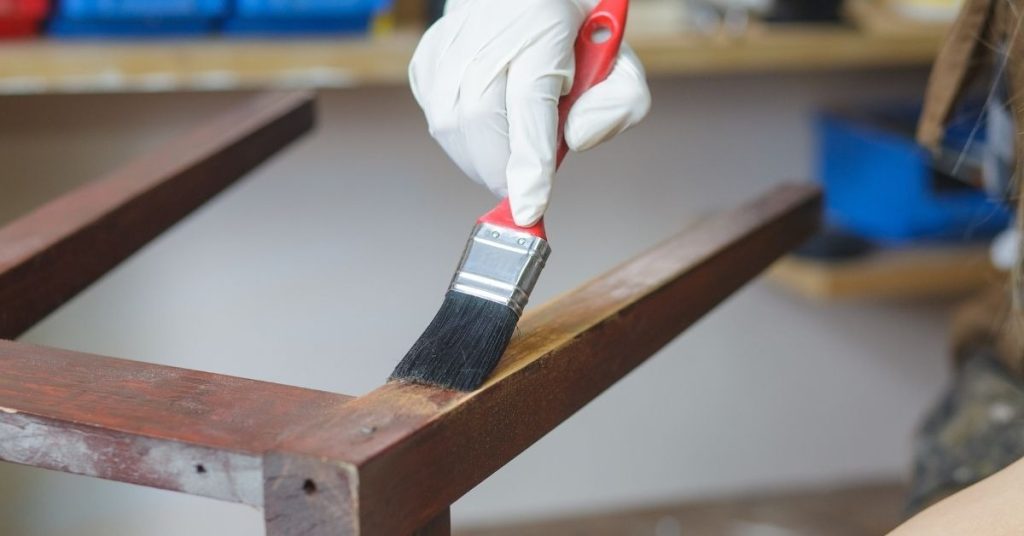
Hand with glove applying varnish on wooden frame with paintbrush

Concrete pH Testing for Coatings: Cheap Strips, Proper Wetting, and Interpreting Results

Introduction pH testing for concrete coatings is a quick check to determine if the surface is ready for adhesion. The test helps you know whether the concrete is clean enough or if pretreatment is needed before applying coatings. This guide keeps it practical and hands-on, not a lab procedure. Use inexpensive pH test strips and

Concrete pH Testing for Coatings: Cheap Strips, Proper Wetting, and Interpreting Results Read More »

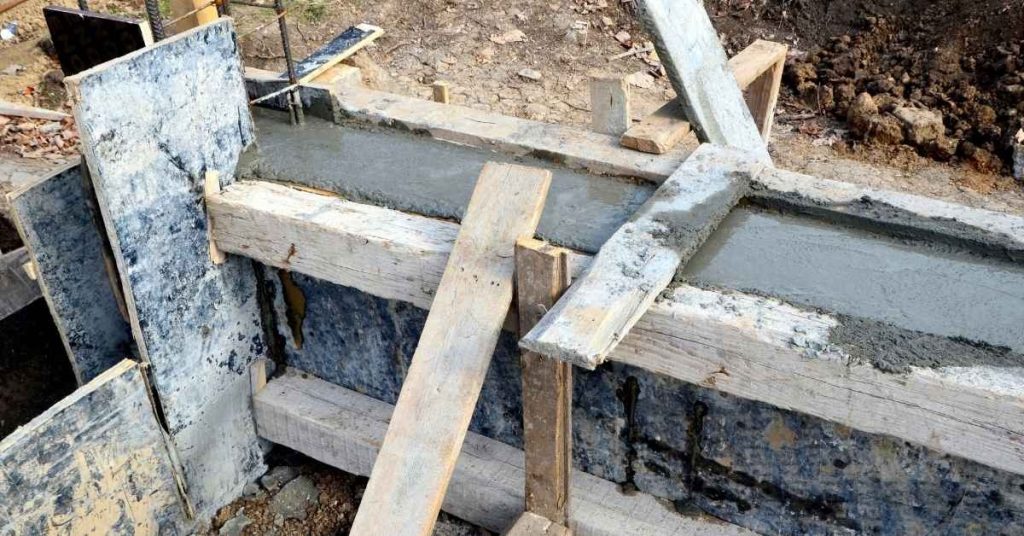
Wooden concrete forms filled with fresh concrete at construction site

Vibration for Small Forms: How to Reduce Bugholes Without Washing Cement Paste to the Face

Introduction Vibration for small forms reduces bugholes by helping the cement paste settle and lock to the form surface without washing off the surface layer. Bugholes stem from air pockets and laitance left on the surface, and proper vibration can minimize them if you don’t overwork the mix. Use a light, targeted approach to keep

Vibration for Small Forms: How to Reduce Bugholes Without Washing Cement Paste to the Face Read More »

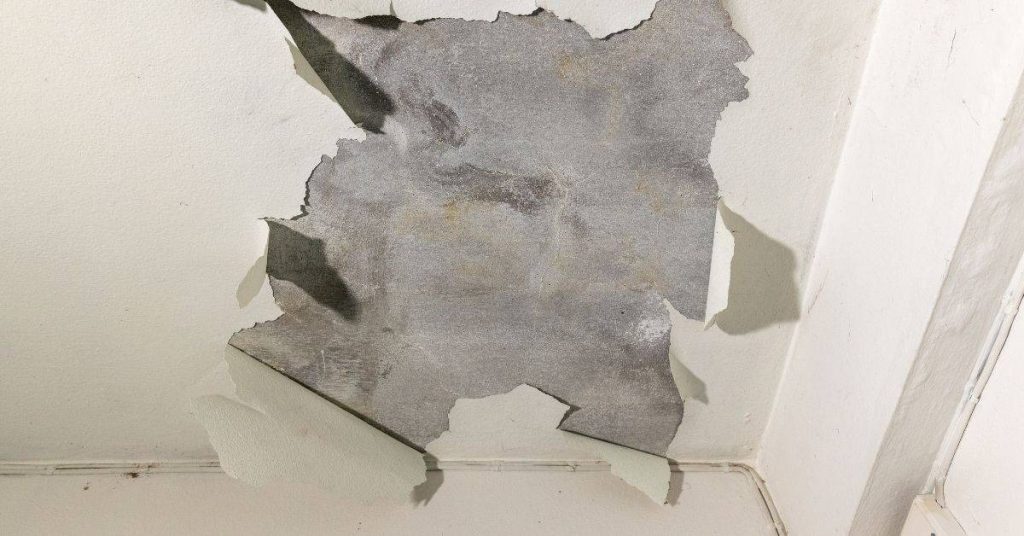
Ceiling paint peeling off revealing concrete beneath

Keeping Concrete From Drying Too Fast in Wind: DIY Windbreaks and Fogging Tricks

Introduction Wind speeds up evaporation and can cause concrete to dry too fast during curing. That’s why you’ll want simple windbreaks and moisture keeping practices on every pour. A DIY windbreak can be plywood sheets, scrap lumber, or tarps staked to create a sheltered strip around the work. Fogging or light misting helps keep surface

Keeping Concrete From Drying Too Fast in Wind: DIY Windbreaks and Fogging Tricks Read More »

Pouring dry concrete mix into a bucket

Concrete Mixing in 5-Gallon Buckets: Repeatable Ratios for Small Projects

Introduction Concrete mixing in 5-gallon buckets is the practice of combining cement, aggregate, and water in small, repeatable ratios for quick, local work. This guide keeps things hands-on, using simple steps you can follow without heavy gear. You’ll see practical references to patterns like Ashlar Notched Slate and American Flagstone as familiar ends for small

Concrete Mixing in 5-Gallon Buckets: Repeatable Ratios for Small Projects Read More »