Search Results for: control joint stucco

How to Maintain Stucco: DIY Diagnosis + Step-by-Step Fix

How to Maintain Stucco: A Step-by-Step Timeline for DIY Diagnosis and Repair

Introduction Stucco maintenance is an ongoing process that requires consistent attention. To help you stay on top of it, this guide breaks down the process into a clear timeline, ensuring you address common stucco problems at the right time. Whether you’re a seasoned DIYer or just starting out, understanding the timeline for maintaining your stucco […]

How to Maintain Stucco: A Step-by-Step Timeline for DIY Diagnosis and Repair Read More »

Concrete Isolation Joint: Materials, Steps, and Mistakes to Avoid

Concrete Isolation Joint: Step-by-Step Timeline and Duration Guide

Introduction The installation of a concrete isolation joint is a critical step in ensuring the longevity and structural integrity of your concrete slab. However, understanding the timeline and duration involved can help you plan effectively and avoid common pitfalls. This guide will walk you through the entire process, breaking down each stage with clear timelines

Concrete Isolation Joint: Step-by-Step Timeline and Duration Guide Read More »

Termite Inspection Gap on Stucco: How to Create It Without Making the Wall Ugly

Termite Inspection Gap on Stucco: How to Create It Without Making the Wall Ugly

  Introduction A termite inspection gap on stucco can be created without compromising the wall’s appearance. This article explains practical steps, materials, and rules of thumb to keep the gap functional while remaining visually unobtrusive. You’ll learn how to locate, size, and finish the gap so inspections are thorough and the exterior stays clean. Key

Termite Inspection Gap on Stucco: How to Create It Without Making the Wall Ugly Read More »

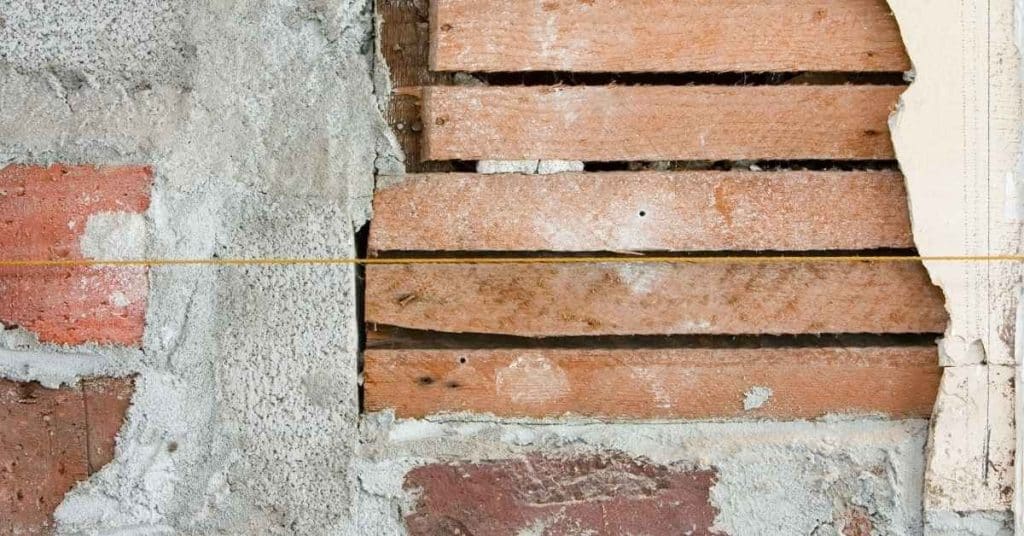
Lath Termination at Dissimilar Materials: Stucco-to-Wood

Lath Termination at Dissimilar Materials: Stucco-to-Wood

Introduction Proper lath termination at stucco-to-wood interfaces prevents water intrusion and related damage. This matters because stucco and wood respond differently to moisture and movement, so detailing must accommodate expansion, contraction, and flashing. You will learn how to detail flashing, choose compatible sealants and fasteners, and apply practical steps to create a durable, energy-efficient transition.

Lath Termination at Dissimilar Materials: Stucco-to-Wood Read More »

Inside Corners on Stucco: How to Reinforce so Cracks Don’t Telegraph

Inside Corners on Stucco: How to Reinforce so Cracks Don’t Telegraph

Introduction Reinforcing inside corners on stucco prevents cracks from telegraphing through the finish. The guide walks through practical steps, materials to consider, and common-sense tips you can apply on real projects. You’ll learn how to identify vulnerable corners, prepare the surface, and implement reinforcement methods that keep cracks hidden. Key takeaways Inside corners crack due

Inside Corners on Stucco: How to Reinforce so Cracks Don’t Telegraph Read More »

Stucco Patches That “flash”: How to Blend Texture and Color Without Repainting the Whole Wall

Stucco Patches That “flash”: How to Blend Texture and Color Without Repainting the Whole Wall

Introduction You can patch and blend stucco so the patch matches the texture and color without repainting the whole wall. This guide walks through practical steps for matching texture and color, blending edges, selecting appropriate finishes, and evaluating when a patch will look seamless. Key takeaways Identify flashing: moisture-wicking sheen and mineral deposits highlight patch

Stucco Patches That “flash”: How to Blend Texture and Color Without Repainting the Whole Wall Read More »

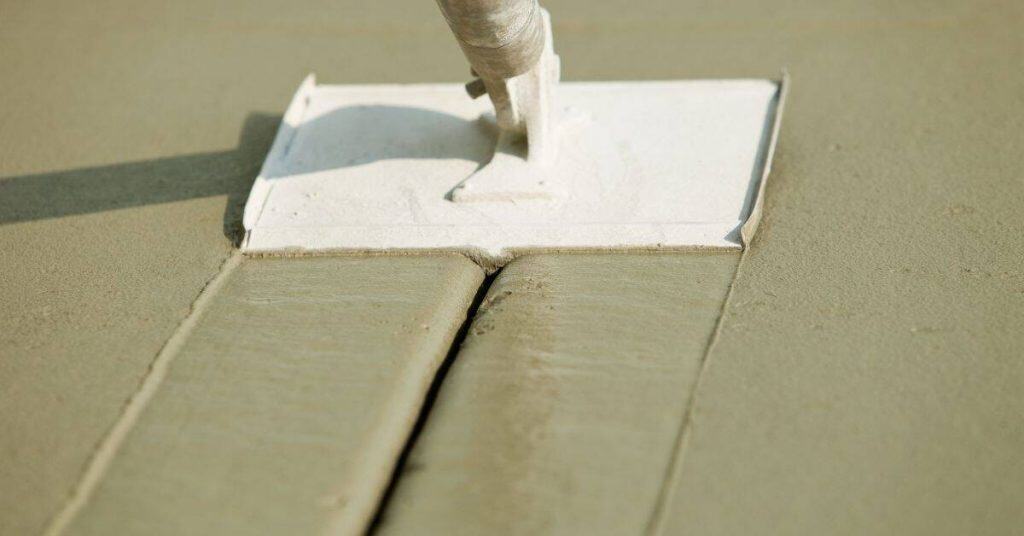
Expansion/Movement Joints: Where to Leave Gaps and How to Finish Them Cleanly

Expansion/Movement Joints: Where to Leave Gaps and How to Finish Them Cleanly

Introduction Leave proper gaps at expansion and movement joints to accommodate building movement and prevent cracking. This introduction explains how to choose appropriate gap sizes, where joints belong, and how to finish them cleanly with durable sealants and proper detailing. You’ll learn practical tips, common mistakes to avoid, and a straightforward approach to creating joints

Expansion/Movement Joints: Where to Leave Gaps and How to Finish Them Cleanly Read More »

The Hidden Danger of Using Styrofoam Insulation Behind Stucco: Fire Risks and Moisture Traps

The Hidden Danger of Using Styrofoam Insulation Behind Stucco: Fire Risks and Moisture Traps

Introduction Styrofoam insulation, while affordable and easy to install, hides significant risks when used behind stucco. This guide explores these dangers, focusing on fire hazards and moisture traps. Key takeaways Identify foam types (EPS, XPS, EIFS) and their compatibility with stucco. Inspect installation flaws: gaps, flashing failures, or improper fastening that trap moisture. Fire risks

The Hidden Danger of Using Styrofoam Insulation Behind Stucco: Fire Risks and Moisture Traps Read More »

Stucco Cracks: the Myth of ‘just Cosmetic’ Damage That Can Cost You Thousands

Stucco Cracks: the Myth of ‘just Cosmetic’ Damage That Can Cost You Thousands

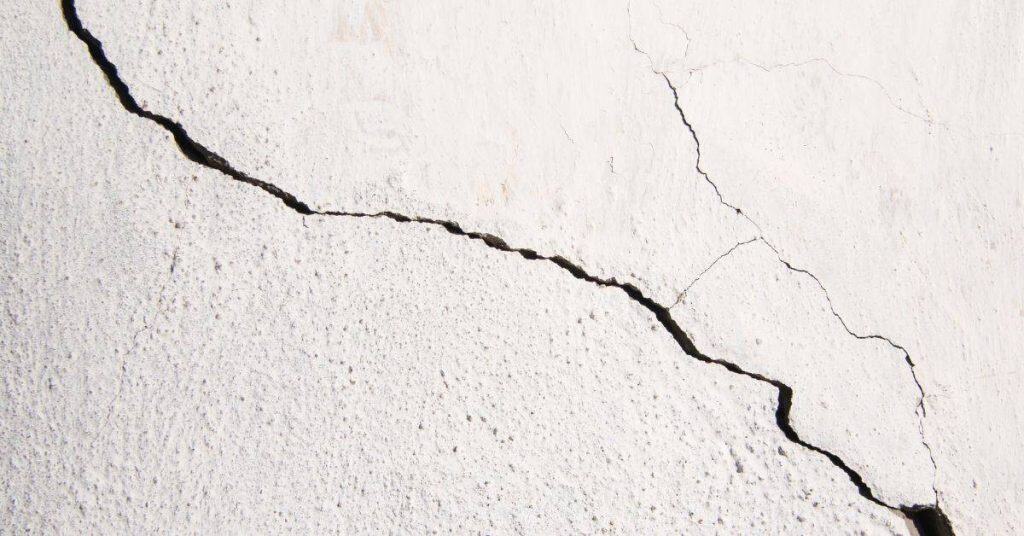
Introduction Stucco cracks are rarely cosmetic and can signal costly structural or moisture issues. This guide explains why cracks matter, how to assess severity, and what steps you can take to prevent further damage. You’ll learn practical tips for inspection, signs to watch for, and the kind of expert advice to seek before repairs. Back

Stucco Cracks: the Myth of ‘just Cosmetic’ Damage That Can Cost You Thousands Read More »

The Hidden Moisture Culprit Behind Stucco Cracks (it’s Not What You Think)

Could Hidden Moisture Be Causing—or Worsening—Your Stucco Cracks?

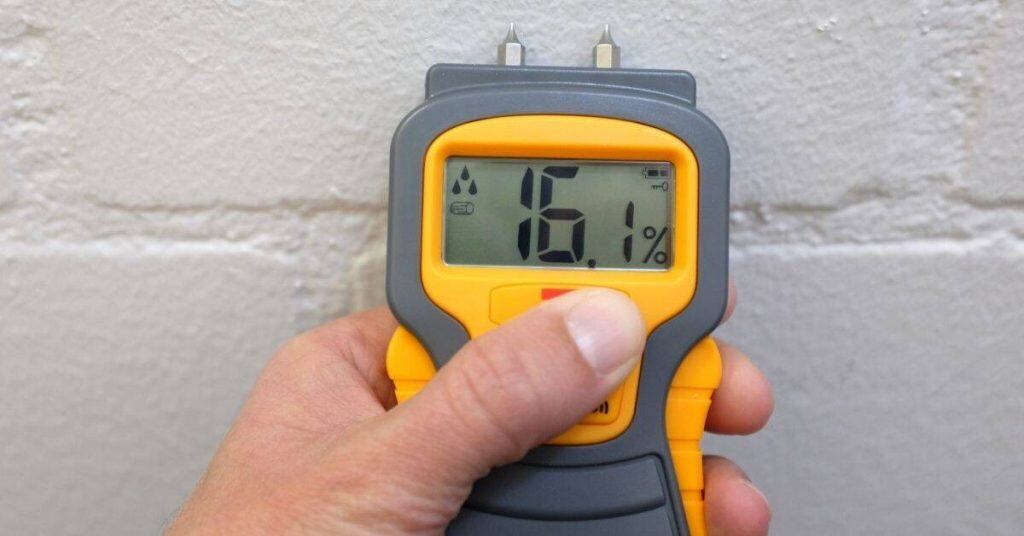
Introduction Hidden moisture can cause or worsen stucco damage, but a crack alone does not prove there is a leak. Cracks also occur from shrinkage, poor curing or installation, impact, settlement, thermal movement, corrosion, and movement in framing, masonry, or another substrate. The practical question is whether a crack is paired with signs of water

Could Hidden Moisture Be Causing—or Worsening—Your Stucco Cracks? Read More »