Search Results for: contractor to pour concrete slab

Close up of exposed aggregate concrete pool edge with water

Edge Restraint for Pavers and Slabs: Why Unrestrained Edges Crack Sooner

Introduction Edge restraint is the sturdy edge that keeps a paved area from spreading, sinking, or cracking. Without it, slabs and pavers are more likely to shift under load or frost, which is why proper edging matters. Check local rules and the product label to choose the right type and install method for your site. […]

Edge Restraint for Pavers and Slabs: Why Unrestrained Edges Crack Sooner Read More »
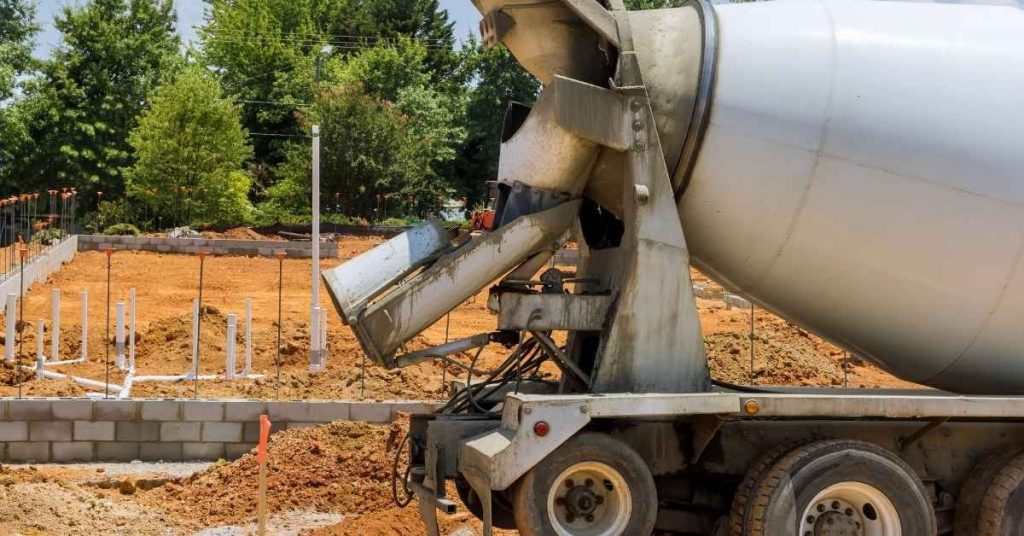
Concrete mixer truck pouring foundation at construction site

Concrete on Expansive Soils: Subbase Choices That Reduce Seasonal Heave

Introduction A subbase is the layer beneath a concrete pavement that provides support and a leveled, dry foundation. It helps distribute loads, control settlement, and keep the surface from shifting as soils move. For expansive soils, choosing the right subbase means considering drainage, compaction, and how moisture affects soil volume. Think of subbase choices as

Concrete on Expansive Soils: Subbase Choices That Reduce Seasonal Heave Read More »

Closeup of power drill chuck with drill bit attached

Thickened-Edge Slabs vs Grade Beams: Choosing the Simpler Detail That Still Meets Loads

Introduction Thickened-edge slabs and grade beams are two ways to carry loads from the surface to the soil. This article tells you how to pick the simpler option that still meets the load needs. I’ll keep it practical and straight to the point for a DIY build. You’ll get a plain-language view of when a

Thickened-Edge Slabs vs Grade Beams: Choosing the Simpler Detail That Still Meets Loads Read More »

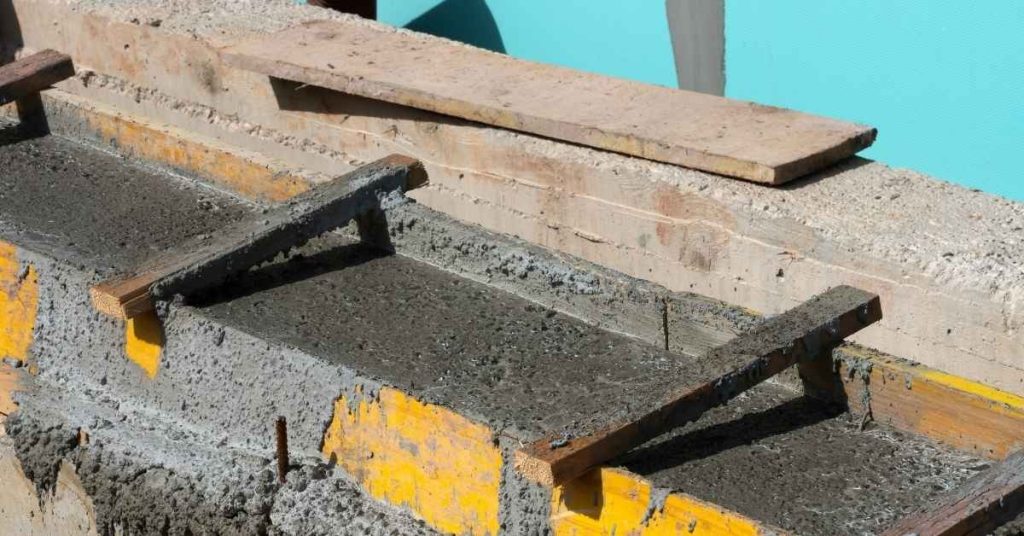
Freshly poured concrete in wooden formwork outdoors

Dealing With Surprise Rain Mid-Pour: What to Cover, What to Keep Working, and What to Redo

Introduction Rain mid-pour can ruin fresh concrete; cover, protect, and resume safely. Protect exposed areas with appropriate coverings, don’t work on wet concrete, and check forms for any change. After rain, inspect for surface defects, damp spots, or set delays before continuing. Resume pouring only when conditions are right and you follow the coating and

Dealing With Surprise Rain Mid-Pour: What to Cover, What to Keep Working, and What to Redo Read More »

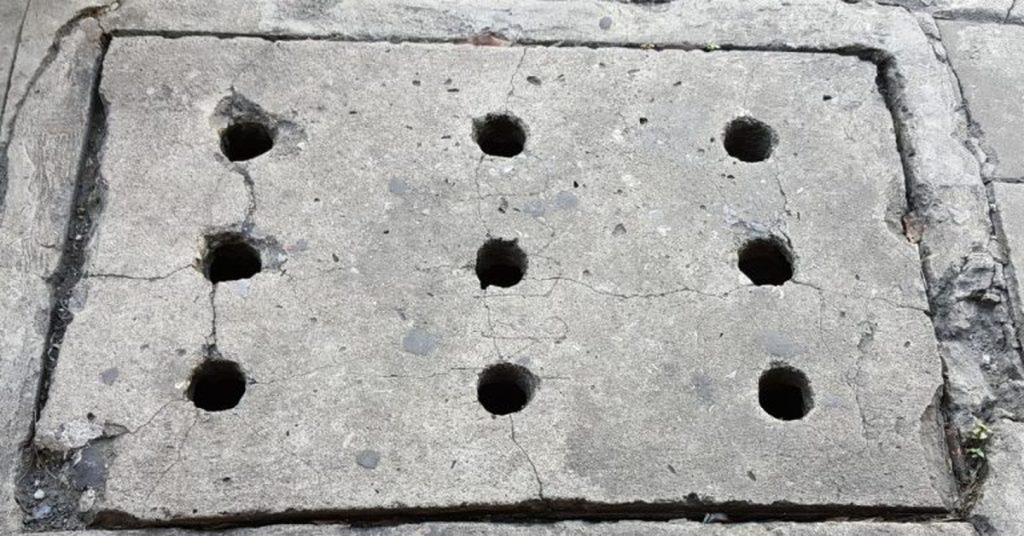
Concrete slab with nine drainage holes

Placing Concrete Against Waterproofing Membranes: Protection Boards, Punctures, and Drainage Mats

Introduction Placing concrete against waterproofing membranes means building up concrete right to the membrane while using protective layers to keep it intact. In this DIY friendly guide, we talk through protection boards, avoiding punctures, and how drainage mats help manage water pressure during a pour. Always check the product and tech literature for data sheets

Placing Concrete Against Waterproofing Membranes: Protection Boards, Punctures, and Drainage Mats Read More »

Smooth grey epoxy coated concrete floor in garage

Concrete Crack Sealants: Polyurethane, Epoxy, MMA, and Why ‘Flexible’ Isn’t Always Better

Introduction Concrete crack sealants come in polyurethane, epoxy, and methyl methacrylate (MMA), and the goal is to seal cracks while allowing some movement. In practical DIY terms, you choose based on how much movement the crack will have, the exposure, and what the product label recommends. Always check the manufacturer instructions and local rules before

Concrete Crack Sealants: Polyurethane, Epoxy, MMA, and Why ‘Flexible’ Isn’t Always Better Read More »

Concrete columns with exposed steel reinforcement bars

Repairing Concrete Exposed to Acids: What Can Be Neutralized and What Must Be Removed

Introduction Acid-exposed concrete can sometimes be neutralized on the surface, but damaged material must be removed. This DIY overview explains what you can safely treat and how to tell when removal is necessary. It keeps the process practical and plain-language, like a job you can tackle on a weekend. Begin by cleaning, neutralizing per label

Repairing Concrete Exposed to Acids: What Can Be Neutralized and What Must Be Removed Read More »

Empty room with large windows and polished concrete floor

Salt-and-Pepper Polished Concrete: Achieving a Consistent Exposure Without Over-Grinding Edges

Introduction Salt-and-pepper polished concrete is a finish created by exposing a small, random mix of aggregate to produce a speckled, even look. The goal is to achieve a consistent exposure across the slab without carving too deep at edges. This approach keeps the surface looking uniform and practical for DIY applications. Edge finishing matters because

Salt-and-Pepper Polished Concrete: Achieving a Consistent Exposure Without Over-Grinding Edges Read More »

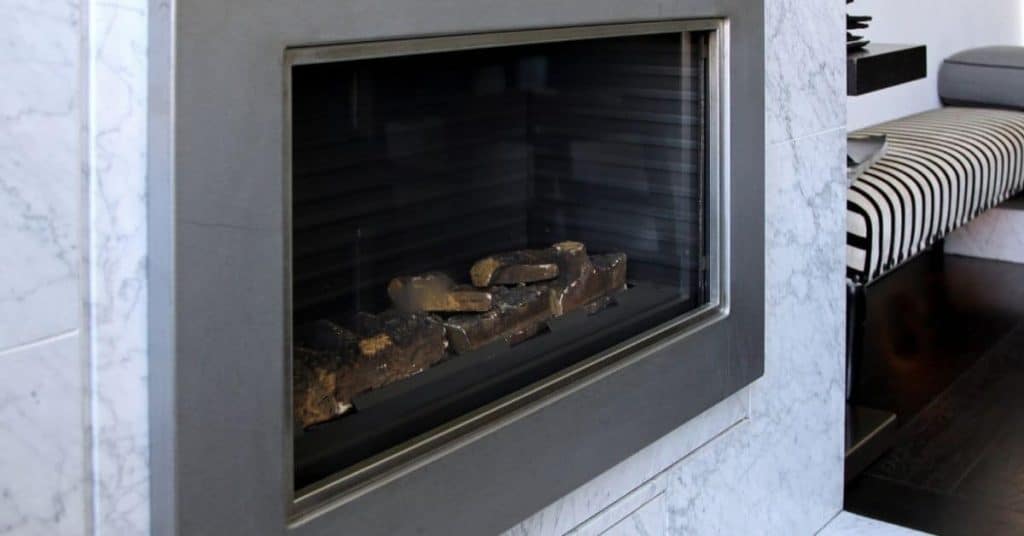
Modern gas fireplace with marble surround and striped bench nearby

Concrete Fireplace Surrounds: Heat Cycling, Crack Control, and Safe Clear-Coat Options

Introduction Concrete fireplace surrounds are finished concrete frames around a fireplace that can handle heat cycling with proper care. They need attention to how heat shifts and ages the surface, especially where the surround meets the hearth and mantel. The goal is a durable, even finish that resists cracking and looks good for years. Crack

Concrete Fireplace Surrounds: Heat Cycling, Crack Control, and Safe Clear-Coat Options Read More »

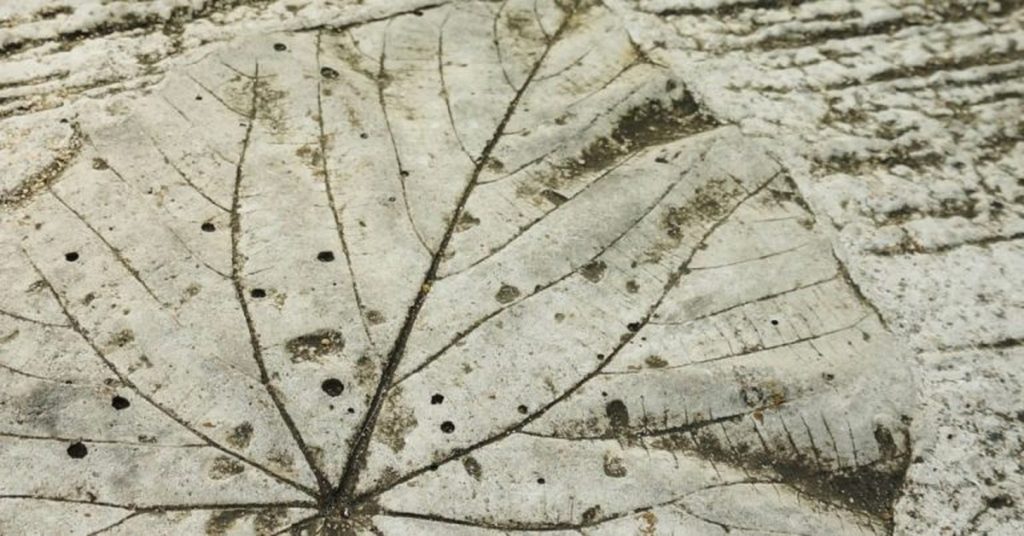
Leaf imprint pressed into wet concrete surface

Concrete Planters With Integral Pigments: Avoiding Efflorescence and Blotchy Color

Introduction Concrete planters with integral pigments are planters cast with color mixed into the concrete so the color runs through the entire piece. This helps avoid uneven surface staining and blotchy color when the planter ages or dries. Focus on practical steps like choosing a pigment with good lightfastness, checking drainage and ventilation, and protecting

Concrete Planters With Integral Pigments: Avoiding Efflorescence and Blotchy Color Read More »