Search Results for: contractor to pour concrete slab

Ceiling Cracks in Plaster: When Tape Works and When You Need Stabilization

Ceiling Cracks in Plaster: When Tape Works and When You Need Stabilization

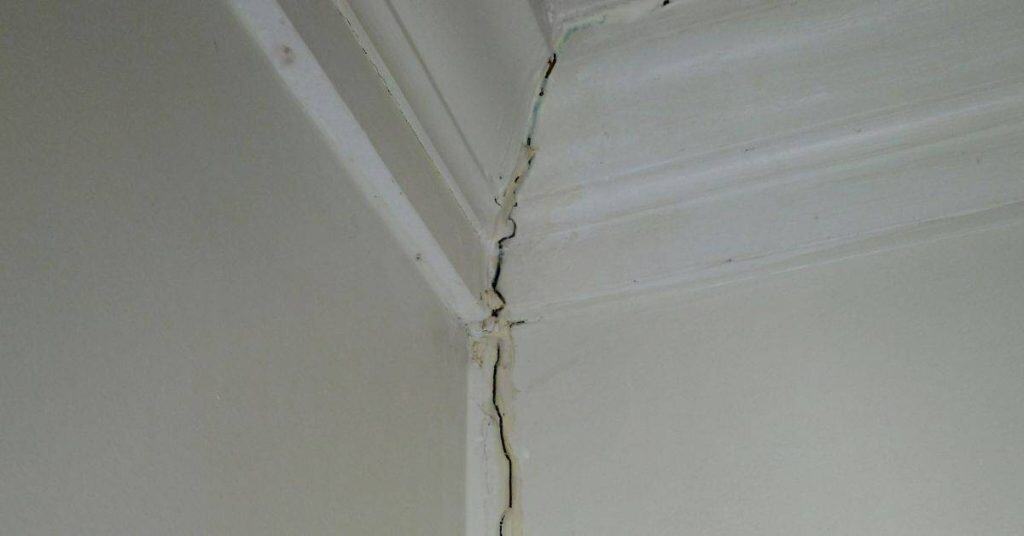
Introduction Tape can fix small, stable plaster cracks, but larger or shifting cracks require stabilization. The guide helps you assess crack movement and decide when to use tape versus structural repair, then walks you through practical steps and tips to perform each method. You’ll learn how to prep the ceiling, apply repairs cleanly, and avoid

Ceiling Cracks in Plaster: When Tape Works and When You Need Stabilization Read More »

Repairing Plaster at Wall-to-Ceiling Corners: Controlling Re-Cracks at the Joint

Repairing Plaster at Wall-to-Ceiling Corners: Controlling Re-Cracks at the Joint

Introduction Repairing plaster at wall-to-ceiling corners helps stop re-cracking at the joint. The guide explains common causes of corner cracks and why proper technique matters for a durable finish. You’ll learn practical steps, tips for prep and finish, and rules of thumb to keep corners stable over time. Key takeaways Inspect crack width and moisture

Repairing Plaster at Wall-to-Ceiling Corners: Controlling Re-Cracks at the Joint Read More »

Fixing Bulged Plaster: How to Flatten or Decide to Replace the Section

Fixing Bulged Plaster: How to Flatten or Decide to Replace the Section

Introduction To fix bulged plaster, you can flatten the bulge or replace the affected section if the damage is severe. The guide walks through practical steps to assess the damage, choose between patching or replacing, and apply safe, durable techniques you can use in your own space. Key takeaways Identify bulged plaster early to prevent

Fixing Bulged Plaster: How to Flatten or Decide to Replace the Section Read More »

Coverage Checks: How to Pull a Tile and Know If You’re Actually Doing It Right

Coverage Checks: How to Pull a Tile and Know If You’re Actually Doing It Right

Introduction You can know if you pulled a tile correctly by verifying coverage and proper adhesion. The guide walks through practical steps, common signs of good and bad installs, and simple rules of thumb to help you assess a tile pull on the job. Key takeaways Plan a careful tile pull after curing to prevent

Coverage Checks: How to Pull a Tile and Know If You’re Actually Doing It Right Read More »

Flattening a Wall for Tile: the “before Tile” Step That Prevents Lippage

Flattening a Wall for Tile: the “before Tile” Step That Prevents Lippage

Introduction Flattening a wall before tiling prevents lippage and creates a flat, durable tile surface. In this guide you’ll learn how to assess wall flatness, identify common high and low spots, and apply practical steps to bring every area to level before you lay tile. The approach covers simple checks, common techniques, and ways to

Flattening a Wall for Tile: the “before Tile” Step That Prevents Lippage Read More »

When to Use a Leveling System: Where It Helps and Where It Hides Bad Prep

When to Use a Leveling System: Where It Helps and Where It Hides Bad Prep

Introduction Use a leveling system to create flat, stable surfaces when the base is sound, and recognize it won’t compensate for bad prep. You’ll learn how to assess when it’s appropriate, how to place and use it for accurate results, and how to spot prep issues that require attention before proceeding. Key takeaways Leveling systems

When to Use a Leveling System: Where It Helps and Where It Hides Bad Prep Read More »

Compaction Basics: How to Tell If Your Base Is Tight Enough Without a Lab Test

Compaction Basics: How to Tell If Your Base Is Tight Enough Without a Lab Test

Introduction You can tell if your base is tight enough without a lab test by using simple on-site checks and observable indicators. This article explains practical signs, how to perform quick field checks, and the kinds of results that indicate adequate compaction so you can proceed with confidence. Key takeaways Field checks gauge compaction level

Compaction Basics: How to Tell If Your Base Is Tight Enough Without a Lab Test Read More »

Gravel Base Thickness for Patios: Choosing 4″ or 8″ with Real Examples

Gravel Base Thickness for Patios: Choosing 4″ or 8″ with Real Examples

Introduction Gravel base thickness for patios should be 4 inches for standard light-use patios and 8 inches where soils are soft or loads are higher. You’ll learn practical guidelines, real-world examples, and simple steps to choose the right thickness for your site. Key takeaways 4-inch bases suit small patios with light loads and compacted soil.

Gravel Base Thickness for Patios: Choosing 4″ or 8″ with Real Examples Read More »

Capillary Break Under Footings: Simple Gravel + Poly Details That Reduce Damp Basements

Capillary Break Under Footings: Simple Gravel + Poly Details That Reduce Damp Basements

Introduction A gravel capillary break beneath footings, combined with a poly barrier, prevents capillary rise and reduces basement dampness. The article shows how this simple system works in practice and walks you through practical steps for selecting gravel, installing the barrier, and laying out the under-footing layer to improve moisture control. Key takeaways Use continuous

Capillary Break Under Footings: Simple Gravel + Poly Details That Reduce Damp Basements Read More »