Search Results for: contractor cement

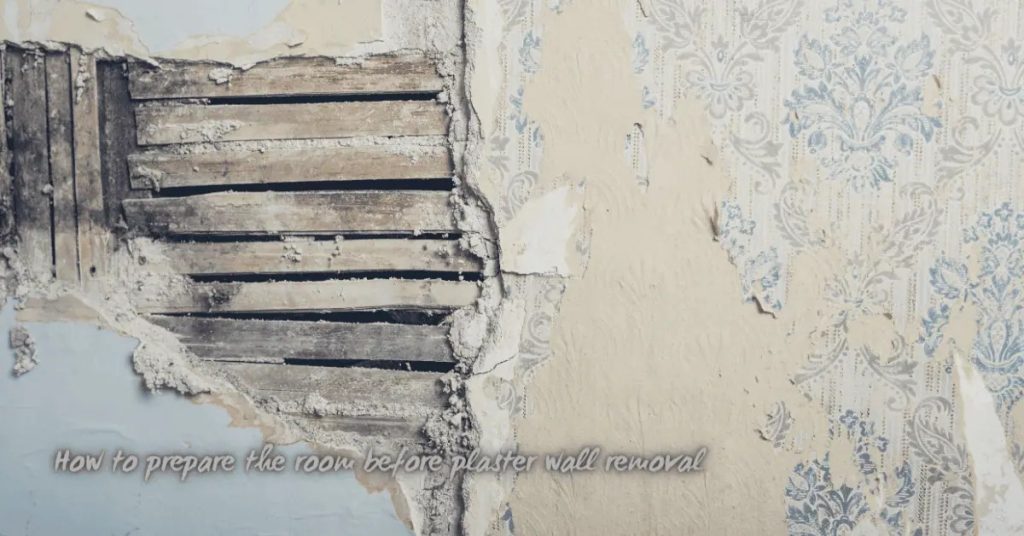
Exposed wooden lath behind damaged plaster wall

Stucco Cracks That Follow Lath Lines: Diagnosis and Patch Strategy

Introduction Stucco cracks that follow lath lines are cracks that track along the edges or seams of the metal or wood lath behind the plaster, usually where movement or poor bonding occurred. In plain terms, they’re telling you the crack path is guided by the backing rather than a random surface fault. This usually means […]

Stucco Cracks That Follow Lath Lines: Diagnosis and Patch Strategy Read More »

Close-up view of crushed concrete aggregate stones

Exposed Aggregate Repairs: Re-Exposing Stone Without Washing Out the Patch

Introduction Exposed aggregate repairs that re-expose stone without washing out the patch means removing the surface paste down to the original aggregate so the patch blends with the surrounding concrete. It’s a hands-on process using mechanical abrasion and careful material matching rather than scrubbing with water until the new paste disappears. Check product labels and

Exposed Aggregate Repairs: Re-Exposing Stone Without Washing Out the Patch Read More »

Concrete slab being smoothed with a screed tool

Repairing a Concrete Slab with Map Cracking: When to Overlay vs When to Remove

Introduction Map cracking on a concrete slab is a network of shallow, random surface cracks that often signal surface distress rather than full structural failure, and deciding whether to overlay or remove depends on the depth, movement, and underlying cause. If the cracks are shallow, the slab is stable, and there is no significant settlement

Repairing a Concrete Slab with Map Cracking: When to Overlay vs When to Remove Read More »

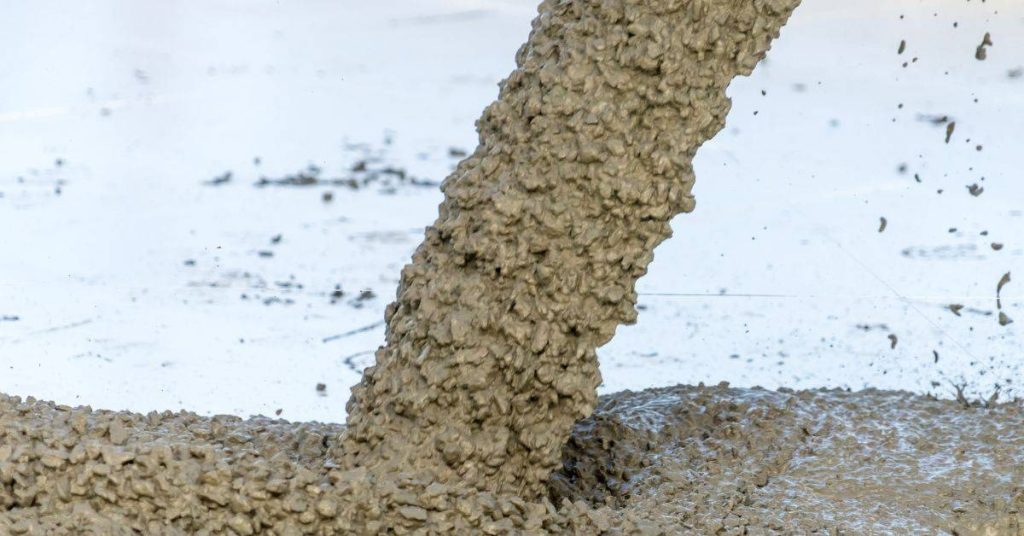
Wet concrete being poured onto a flat surface

Pouring Concrete Against Existing Asphalt: Joint Detail That Prevents Edge Break

Introduction Pouring concrete against existing asphalt requires a proper joint detail that keeps the concrete edge from chipping and lets the two materials move independently. In plain terms: create a clean separation with a compressible filler and a small gap so freeze‑thaw, traffic, or settling don’t break the concrete edge. Check product labels and local

Pouring Concrete Against Existing Asphalt: Joint Detail That Prevents Edge Break Read More »

Gas-powered power trowel smoothing wet concrete with rotating blade ring.

DIY Concrete Surface Hardener Application: Broadcast vs Spray and How to Avoid Dusty Spots

Introduction Concrete surface hardeners are coatings or dry-shake materials applied to fresh or cured concrete to increase surface abrasion resistance and reduce dusting. They can be clear or amber-tinted; the tint changes appearance and may help hide scratches but check the product label or manufacturer instructions for compatibility and coverage. Think like a foreman: choose

DIY Concrete Surface Hardener Application: Broadcast vs Spray and How to Avoid Dusty Spots Read More »

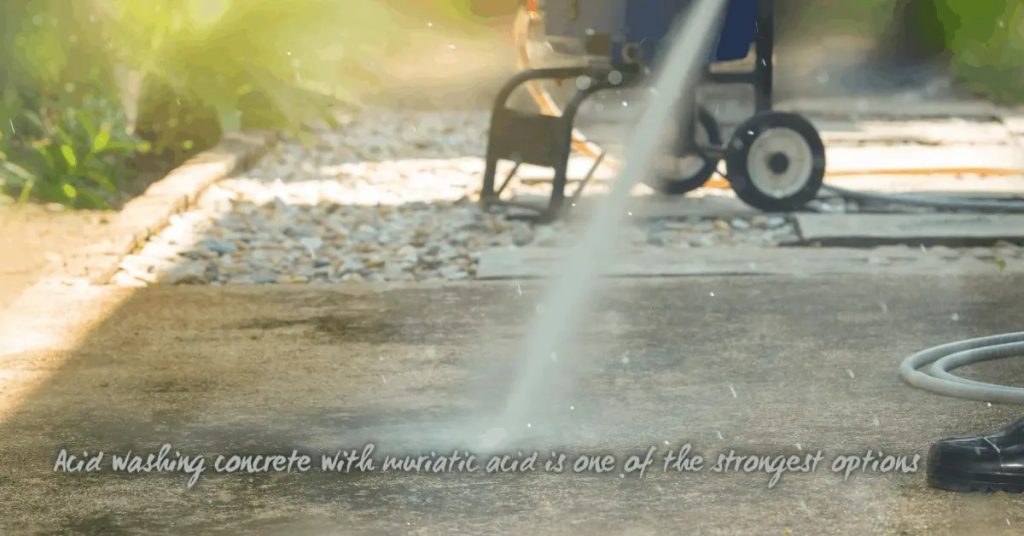
Pressure washing concrete surface with hose spray

How to Neutralize Acid Cleaners on Concrete: Rinse Strategy That Prevents Future Scaling

Introduction Neutralizing acid cleaners on concrete means thoroughly rinsing and neutralizing the acid so it stops etching or causing future scaling; start by flushing the surface with plenty of water and follow with a bicarbonate or other manufacturer-recommended neutralizer until pH tests indicate neutral. Use common tools—hose with spray nozzle, stiff push broom, bucket, pH

How to Neutralize Acid Cleaners on Concrete: Rinse Strategy That Prevents Future Scaling Read More »

Ceiling with large peeling white paint revealing gray surface

Concrete Efflorescence vs Lime Run: Spotting the Difference and Choosing the Right Cleaner

Introduction Efflorescence is a white, powdery salt deposit that forms when water carries soluble salts to the concrete surface, while lime run is a sticky, glossy white or pale film from excess lime or cement paste washing out during finishing or cleanup. Spotting which you have matters because one is salt left behind and the

Concrete Efflorescence vs Lime Run: Spotting the Difference and Choosing the Right Cleaner Read More »

Stamped concrete patio with rectangular stone-pattern blocks beside a pool.

Repairing Faded Stamped Concrete: Recolor Options and Reseal Without Trapping Moisture

Introduction Repairing faded stamped concrete means bringing back color and protecting the surface without sealing in moisture that can cause further damage. It’s a hands-on job of cleaning, fixing small surface defects, choosing a recolor method that matches the existing look, and then applying a sealer chosen for breathability and surface conditions. Check product labels

Repairing Faded Stamped Concrete: Recolor Options and Reseal Without Trapping Moisture Read More »

Open paint buckets with yellow pink and green paint and paintbrush

Adding Color Hardener to Small Slabs: Broadcast Technique and Dust Control

Introduction Adding color hardener to small slabs means broadcasting a powdered pigment over fresh concrete and working it in for color and surface wear resistance. It’s a hands-on process that uses basic tools—buckets, shovels, hand floats, brushes—and color hardener product; check the product label and manufacturer instructions for coverage and timing. Do the broadcast in

Adding Color Hardener to Small Slabs: Broadcast Technique and Dust Control Read More »

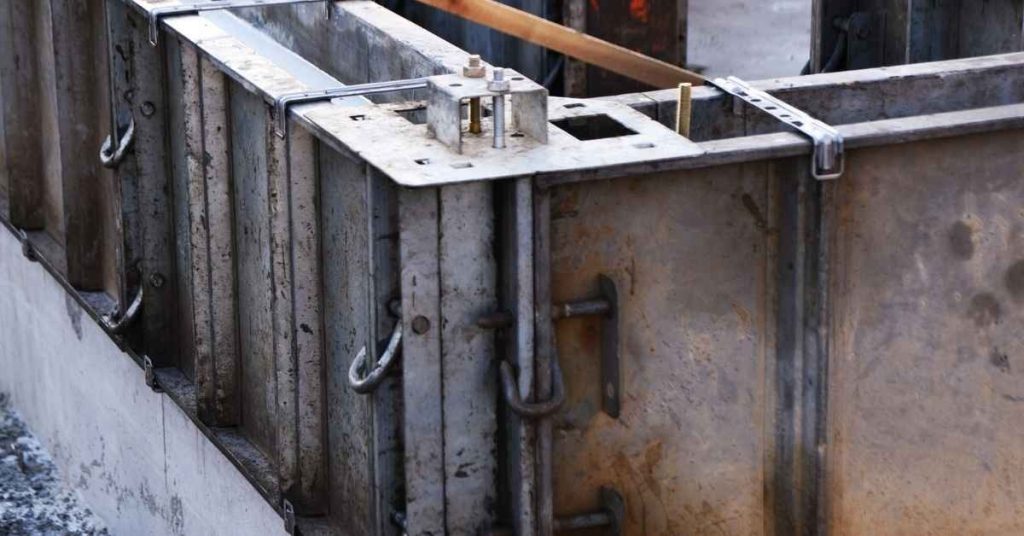
Metal formwork panels assembled for concrete pouring

Steel Troweling on Exterior Concrete: Why It Can Cause Scaling and What to Do Instead

Introduction Steel troweling on exterior concrete is a finishing method that can contribute to scaling when the surface is overworked or cured improperly. Scaling is the flaking or peeling of the top surface of concrete caused by freeze–thaw cycles, poor air entrainment, or surface weakness, and a hard, dense steel-troweled skin can trap moisture and

Steel Troweling on Exterior Concrete: Why It Can Cause Scaling and What to Do Instead Read More »