Search Results for: contractor cement

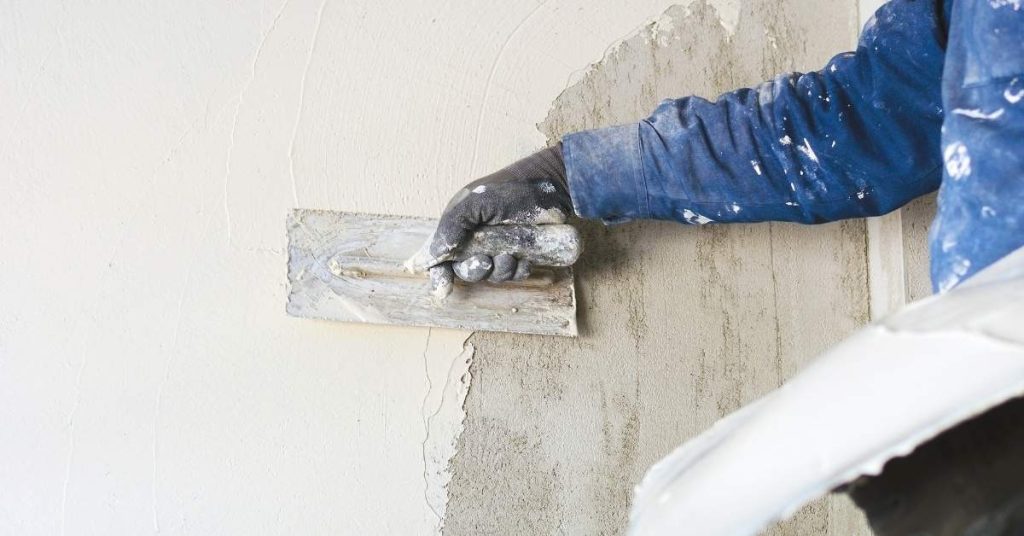
Man applying plaster over rough stone wall wearing gloves

Salts in Masonry Plaster: Efflorescence, Spalling, and Compatible Repair Materials

Introduction Salts in masonry plaster are soluble minerals that migrate to the surface as moisture moves through the wall, leaving white or powdery deposits called efflorescence and in worse cases causing spalling where the plaster flakes or crumbles. This usually comes from water intrusion, damp soils, or moisture wicking through masonry and carries salts via […]

Salts in Masonry Plaster: Efflorescence, Spalling, and Compatible Repair Materials Read More »
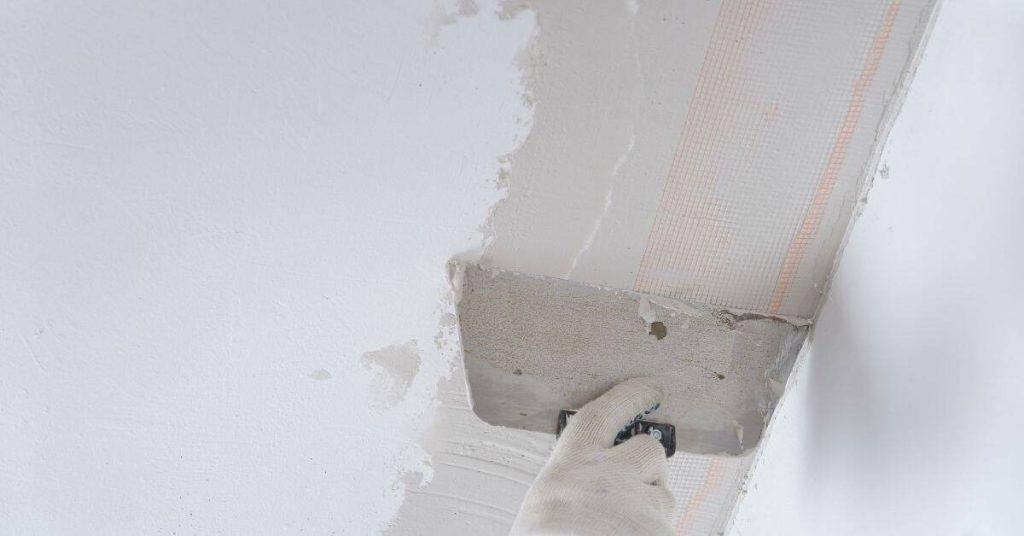
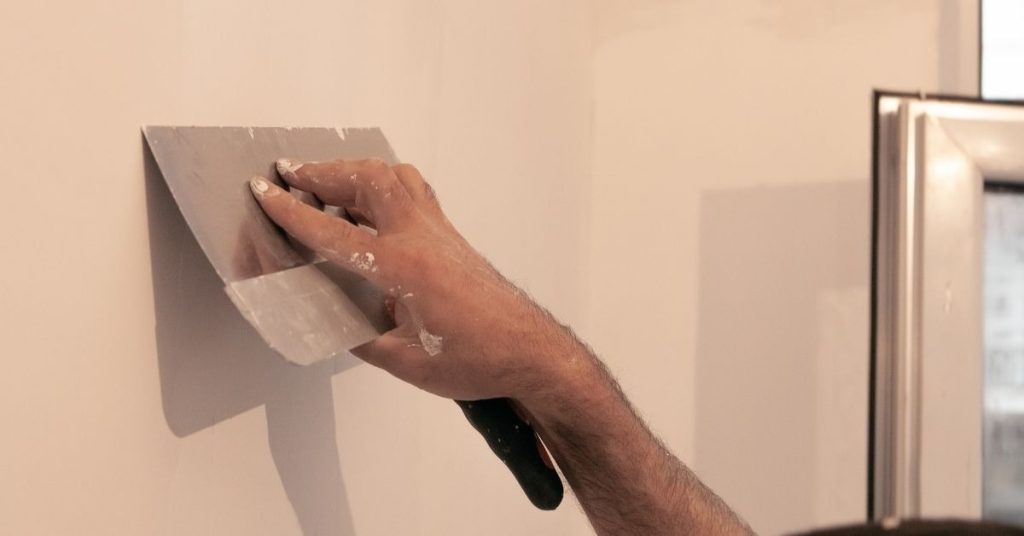
Hand applying plaster to ceiling corner with trowel

Plastering Over Painted Masonry: Decontamination Steps That Improve Bond

Introduction Plastering over painted masonry can be a challenge due to the existing paint layer. To ensure a strong bond and prevent peeling, decontamination is crucial. The process involves removing contaminants that could compromise adhesion. By following these steps, you’ll improve the bond between your new plaster and the painted surface. Key takeaways Assess feasibility

Plastering Over Painted Masonry: Decontamination Steps That Improve Bond Read More »

Hand applying plaster to wall with trowel

Veneer Plaster Repairs: Feathering, Timing, and Avoiding Hollow Spots

Introduction Veneer plaster repairs are the process of fixing damaged plaster by feathering new material into the old so the wall looks continuous and solid. This means assessing whether the existing veneer is well-bonded, cleaning and wetting the surface, and choosing a compatible patching mix and bonding method. I’ll focus on practical steps you can

Veneer Plaster Repairs: Feathering, Timing, and Avoiding Hollow Spots Read More »

Hand applying plaster smoothing wall with trowel

Plaster Over Blueboard: When Veneer Plaster Beats Joint Compound for Smooth Walls

Introduction Plaster over blueboard means applying a veneer plaster finish bonded to the paper-faced gypsum board rather than feathering multiple coats of joint compound; it’s a different material and technique used when a harder, smoother surface is wanted. Veneer plaster generally requires cleaner, keyed surfaces and different tools than joint compound, so check product instructions

Plaster Over Blueboard: When Veneer Plaster Beats Joint Compound for Smooth Walls Read More »

Worker applying stucco around windows with protective coverings

Stucco at Window Sills: Drip Edges, End Dams, and How to Stop Staining Below

Introduction Stucco at window sills is the way the exterior plaster and the window flashing work together to shed water away from the opening; a proper setup keeps water off the wall below and prevents staining. In practice that means installing a flashinged sill, a drip edge or kerf, and end dams where the stucco

Stucco at Window Sills: Drip Edges, End Dams, and How to Stop Staining Below Read More »

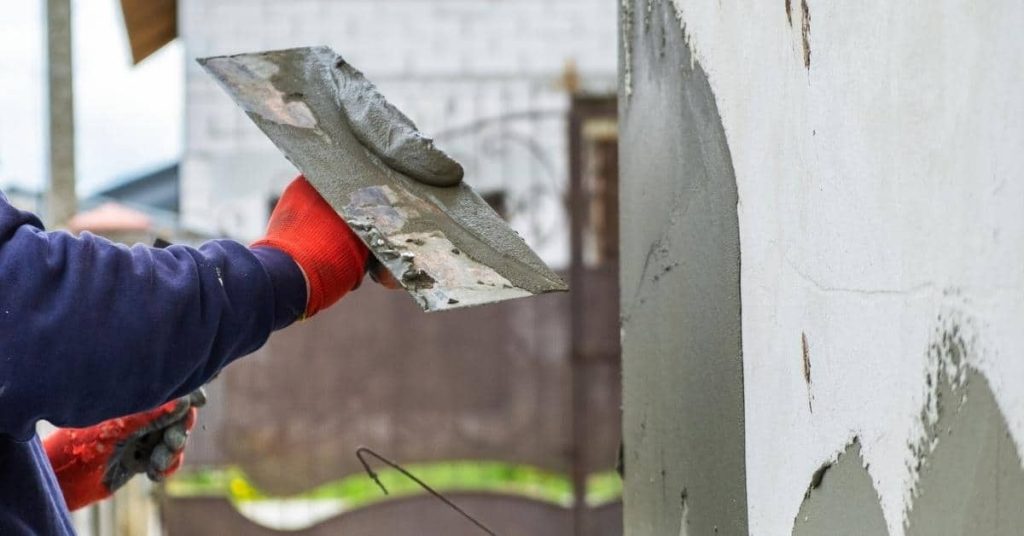
Worker applying stucco to exterior wall with trowel

Galvanic Corrosion at Stucco Accessories: Why Beads Rust and How to Stop Repeat Staining

Introduction Galvanic corrosion is a common issue that affects stucco accessories, particularly metal beads and trims. This process causes rust stains on your otherwise pristine exterior, marring its appearance and potentially leading to more serious damage over time. The good news? Understanding the cause of this problem can help you prevent it from happening again.

Galvanic Corrosion at Stucco Accessories: Why Beads Rust and How to Stop Repeat Staining Read More »

Close-up of textured white gypsum plaster surface

Plaster Drying vs Curing: Why Waiting Longer Can Prevent Paint Failure

Introduction Plaster drying is the loss of surface moisture while curing is the chemical hardening process that gives plaster strength; both happen but on different timelines. In plain jobsite terms, the surface can look dry long before the gypsum or cement bond fully sets, so painting too soon risks adhesion problems. Check product labels and

Plaster Drying vs Curing: Why Waiting Longer Can Prevent Paint Failure Read More »

Hand smoothing plaster on wall with trowel

Polished Lime Plaster in Wet Areas: What ‘Waterproof’ Really Means and Safe Details

Introduction Polished lime plaster in wet areas is not automatically waterproof; it’s a breathable finish that can resist splashes when detailed and sealed correctly. In practice that means treating the wall system—substrate, cement backer, membranes, and sealers—as a complete assembly rather than relying on the lime plaster alone. Check product labels and manufacturer instructions for

Polished Lime Plaster in Wet Areas: What ‘Waterproof’ Really Means and Safe Details Read More »

Green paint roller applying green paint on white wall

Plastering Over Old Calcimine Paint: Identification Tests and Bonding Fixes

Introduction Plastering over old calcimine paint means confirming the paint is the flaky, powdery lime-based finish that repels new plaster and then removing or treating it so plaster can bond. I’ll show simple tests to identify calcimine and practical fixes for adhesion problems you can do with common tools. If a product or spec matters,

Plastering Over Old Calcimine Paint: Identification Tests and Bonding Fixes Read More »

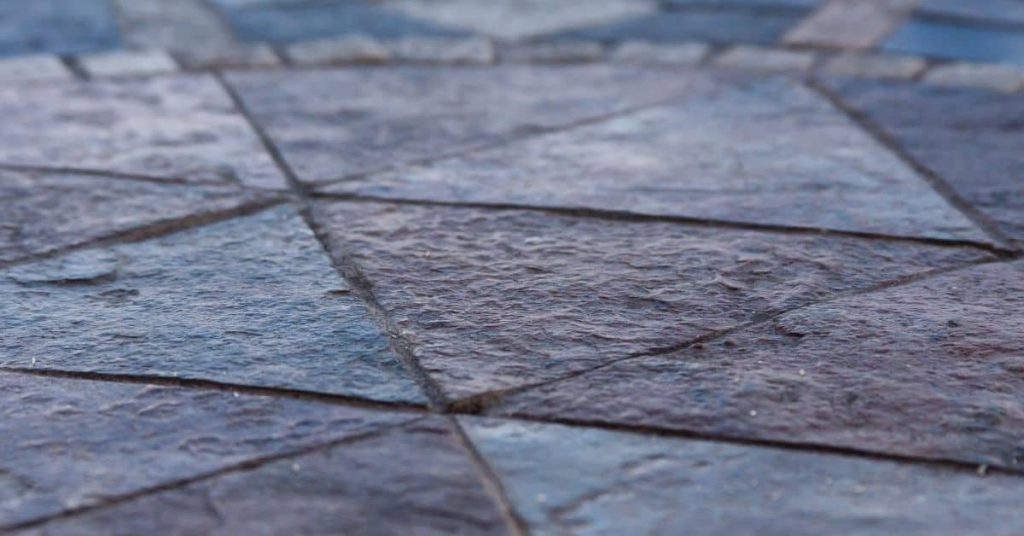
Close-up of textured stamped concrete floor surface

Concrete pH Testing for Paint and Coatings: Simple DIY Methods and Pass/Fail Numbers

Introduction Concrete pH testing for paint and coatings is a simple check to see if the surface is too alkaline for a coating to stick and perform. In plain jobsite terms, it means taking a quick sample or using a test strip to read the surface pH, then comparing that result to the coating maker’s

Concrete pH Testing for Paint and Coatings: Simple DIY Methods and Pass/Fail Numbers Read More »