Search Results for: contractor cement

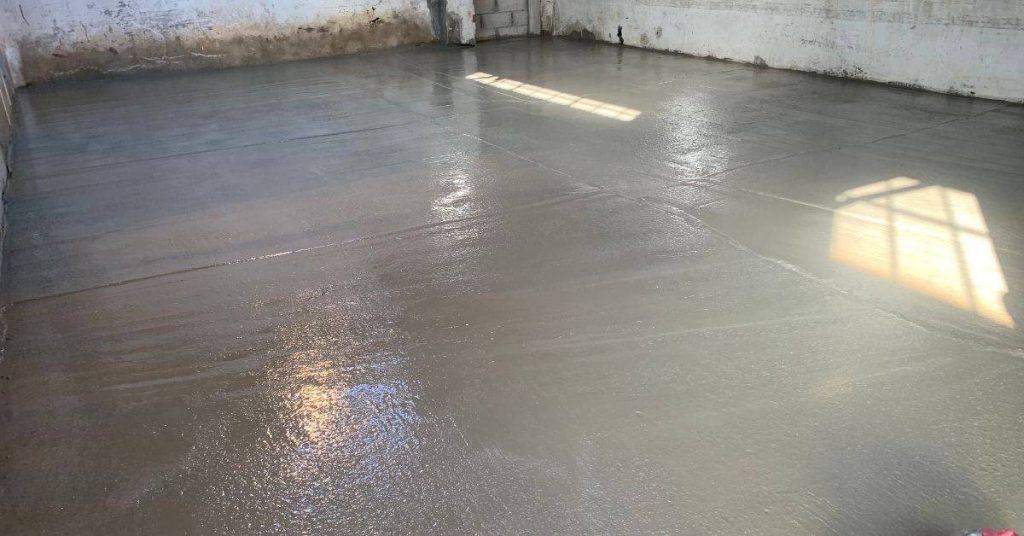
Freshly poured concrete floor inside a building

Why New Concrete Gets Soft Spots: Bleed Water, Overworking, and Local Fixes

Introduction Soft spots in new concrete are areas where the surface feels mushy or weak while it cures. They commonly form when extra bleed water rises to the surface or when the mix is overworked during finishing. Identifying the cause helps you choose the right fix and prevent this from reoccurring. Watch for shiny patches, […]

Why New Concrete Gets Soft Spots: Bleed Water, Overworking, and Local Fixes Read More »
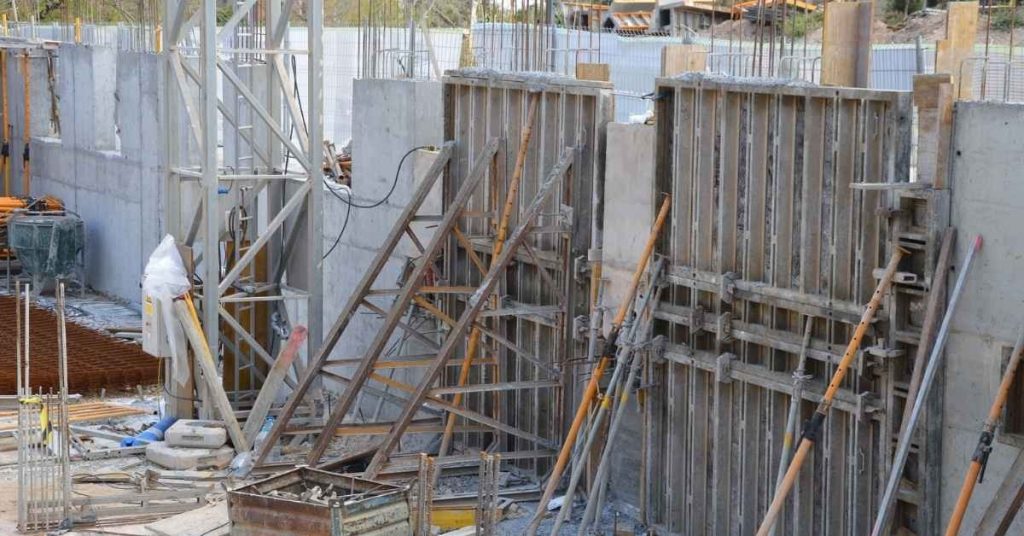
Concrete wall formwork with bracing supports at construction site

How to Fix Concrete That Starts Dusting Early: Curing Mistakes and Densifier Options

Introduction Dusting concrete early means the surface is wearing away, leaving a chalky film. It often comes from curing mistakes that kept the slab too dry or too wet during early hardening. This basic guide covers how to spot it and what you can do next. Densifiers and similar surface hardeners can help bind the

How to Fix Concrete That Starts Dusting Early: Curing Mistakes and Densifier Options Read More »

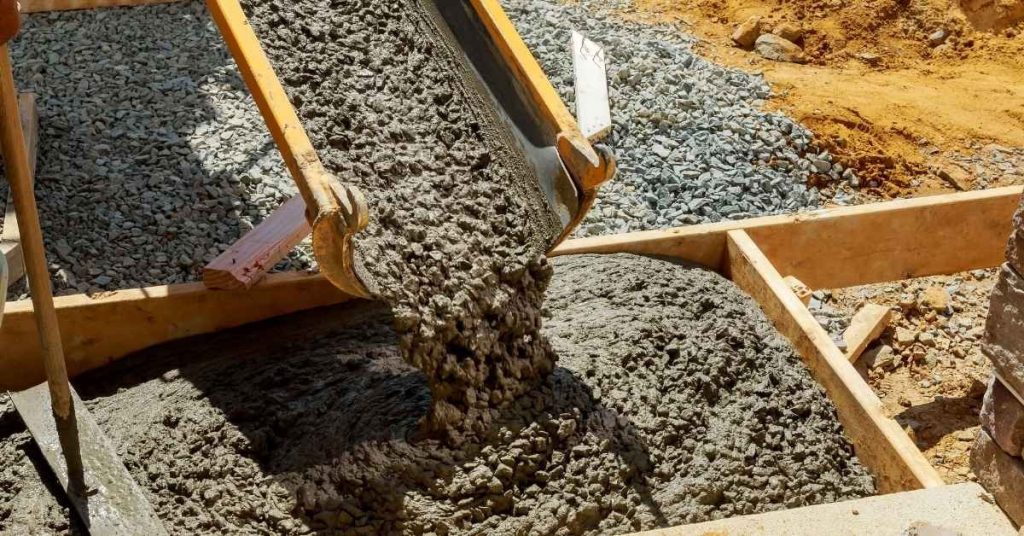
Concrete pouring into wooden formwork on construction site

Concrete Form Blowouts on DIY Forms: Bracing Patterns That Resist Wet Pressure

Introduction Concrete form blowouts occur when the wet concrete pressure pushes on the forms and they fail or bow. It happens when the form panels bow or kick out under load. If you see gaps or misalignment after a test lift, pause and inspect braces and joints. Use bracing patterns that keep panels square and

Concrete Form Blowouts on DIY Forms: Bracing Patterns That Resist Wet Pressure Read More »

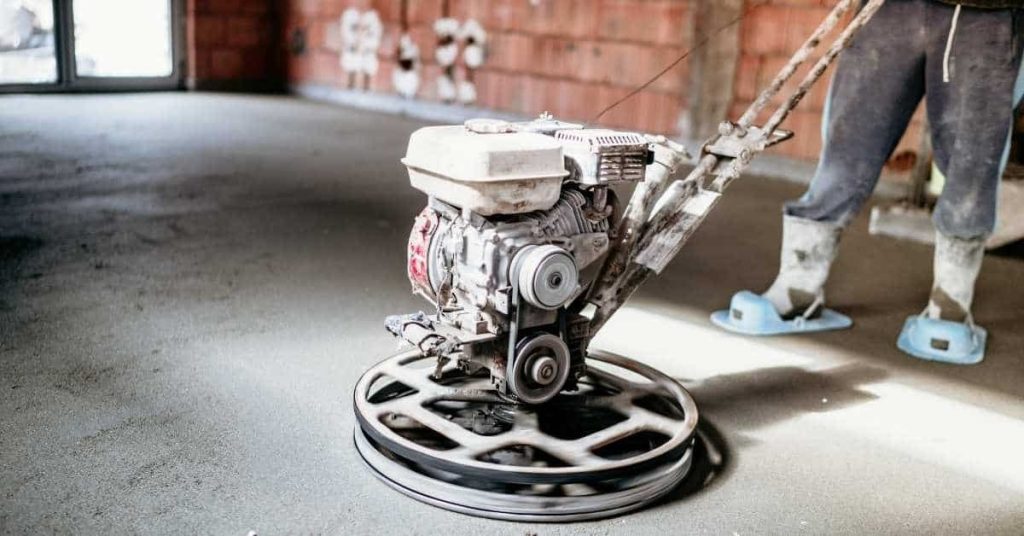
Concrete power trowel smoothing freshly poured floor

DIY Knee Board for Finishing: How to Spread Weight Without Leaving Marks

Introduction A knee board for finishing is a lightweight, portable surface that distributes your weight to prevent marks on finished floors while you work. It helps you keep your lines clean and your knees comfortable as you move along the job. Check the product label or manufacturer instructions for max load and surface grip, and

DIY Knee Board for Finishing: How to Spread Weight Without Leaving Marks Read More »

Yellow construction helmet tape measure pencils on architectural plans

Superplasticizer in Tiny Batches: Measuring Drops, Not Guessing Caps

Introduction A superplasticizer in tiny batches is measured by careful, small additions rather than guessing from cap size or rough estimates. This means you add controlled drops and check the mix consistency after each step. Always verify you’re following the product label and any local rules for admixtures. If you’re curious about the science behind

Superplasticizer in Tiny Batches: Measuring Drops, Not Guessing Caps Read More »

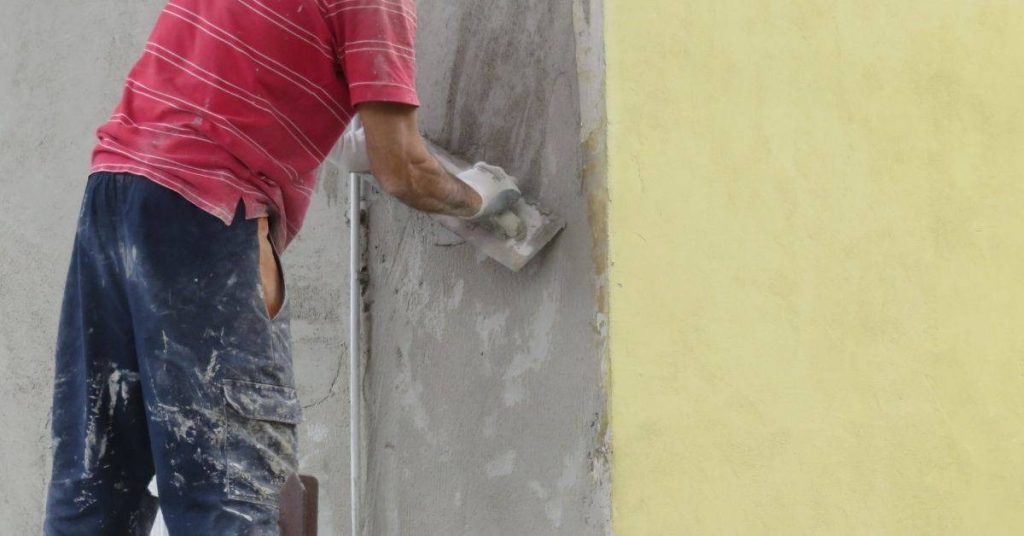
Worker applying stucco on an exterior wall section

Stucco Kickout Flashing Retrofit: Minimal Removal Approaches That Actually Work

Introduction Stucco kickout flashing is a piece of flashing, usually metal or plastic, installed at the edge where the roof overhang meets a stucco wall to redirect water away. This article outlines minimal-removal retrofit ideas that still guide water correctly and protect the wall. You’ll need simple hand tools, basic fasteners, and compatible flashing material

Stucco Kickout Flashing Retrofit: Minimal Removal Approaches That Actually Work Read More »

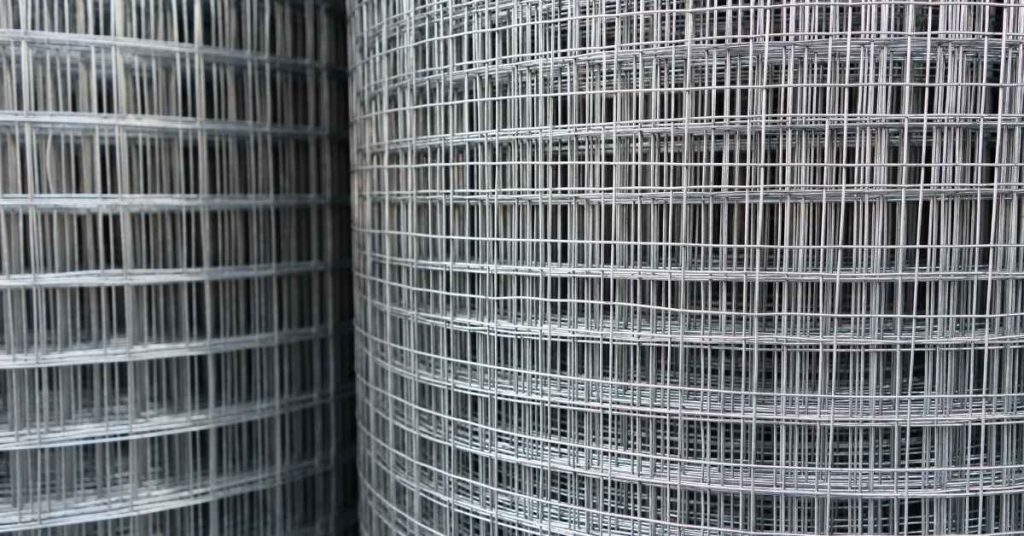
Close-up of two rolls of metal wire mesh

Fiber + Wire Mesh Together: When It’s Redundant and When It Helps

Introduction Fiber + wire mesh together is a reinforced concrete setup where fibers help control cracking and mesh provides added structural distribution. Redundancy can mean extra fibers or extra mesh ends up overlapping; watch for overcomplicating the pour. Combining fiber with mesh can help in slabs with control joints or poor soil, but it can

Fiber + Wire Mesh Together: When It’s Redundant and When It Helps Read More »

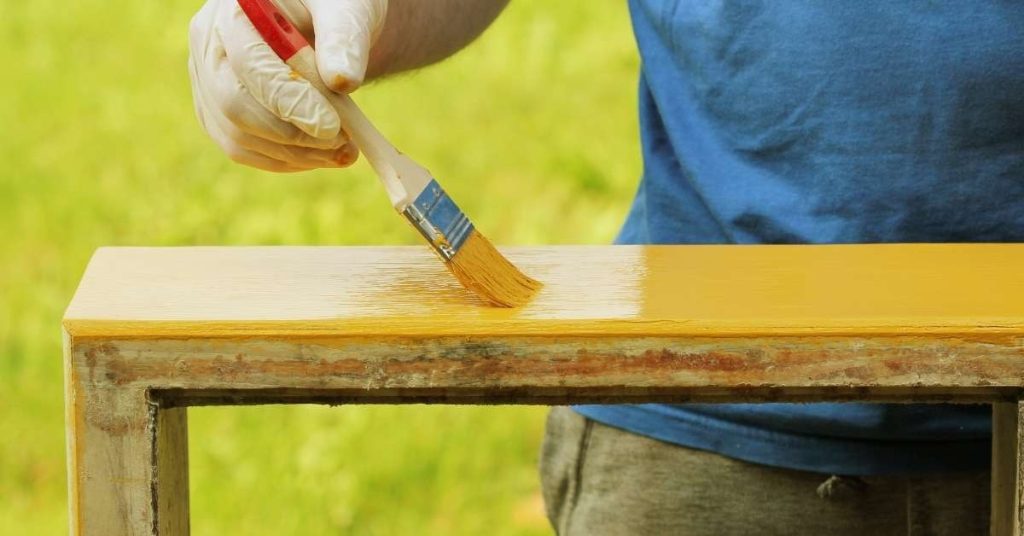
Person painting wooden frame with yellow paint brush

Painting Masonry Indoors: Managing Moisture Drive and Picking a Mineral Coating

Introduction Painting masonry indoors is about selecting a mineral coating and managing moisture to prevent staining and failure. Understanding moisture drive helps you spot efflorescence (mineral deposits) and mold so you treat the wall correctly. This article gives a hands-on, plain-English guide for safely assessing walls, cleaning where needed, and choosing a coating that resists

Painting Masonry Indoors: Managing Moisture Drive and Picking a Mineral Coating Read More »

Person holding paint roller wearing gloves and blue overalls

Why New Paint Smells for Weeks: VOC Reality, Cure Conditions, and How to Vent Safely

Introduction VOC stands for volatile organic compounds, and new paint can release these compounds that cause odors lasting days or weeks. The duration depends on the product and conditions, and the smell comes from solvents and other components off-gassing. Ventilation, temperature, and how well the space is sealed influence how long it lingers—check the product

Why New Paint Smells for Weeks: VOC Reality, Cure Conditions, and How to Vent Safely Read More »

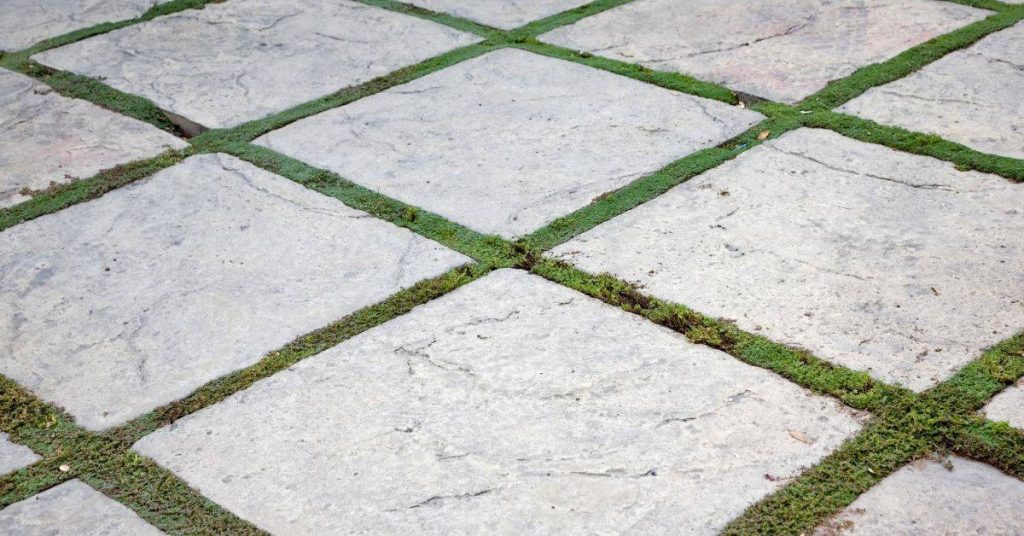
Gray square stone pavers with green moss-filled joints

How to Hide Control Joints Visually: Layout Tricks That Look Intentional

Introduction Control joints are planned gaps in concrete that you hide with layout tricks to look intentional. This article covers simple, hands-on steps you can follow on your own slab without fancy equipment. Think lines, patterns, and edges that camouflage joints while staying within manufacturer instructions and local rules. Start by choosing a location that

How to Hide Control Joints Visually: Layout Tricks That Look Intentional Read More »