Search Results for: concrete staining and sealing

Close-up of concrete floor grinding machine on rough concrete surface

Fixing Form Lines on Exposed Concrete: Grinding, Skim Coats, and Texture Matching

Introduction Fixing form lines on exposed concrete means smoothing or concealing the raised lines left by the forms so the surface looks even. In this DIY approach, you’ll grind the lines down, skim-coat areas as needed, and texture-match the rest of the surface. Plan to work methodically, wear a dust mask, and always check the […]

Fixing Form Lines on Exposed Concrete: Grinding, Skim Coats, and Texture Matching Read More »
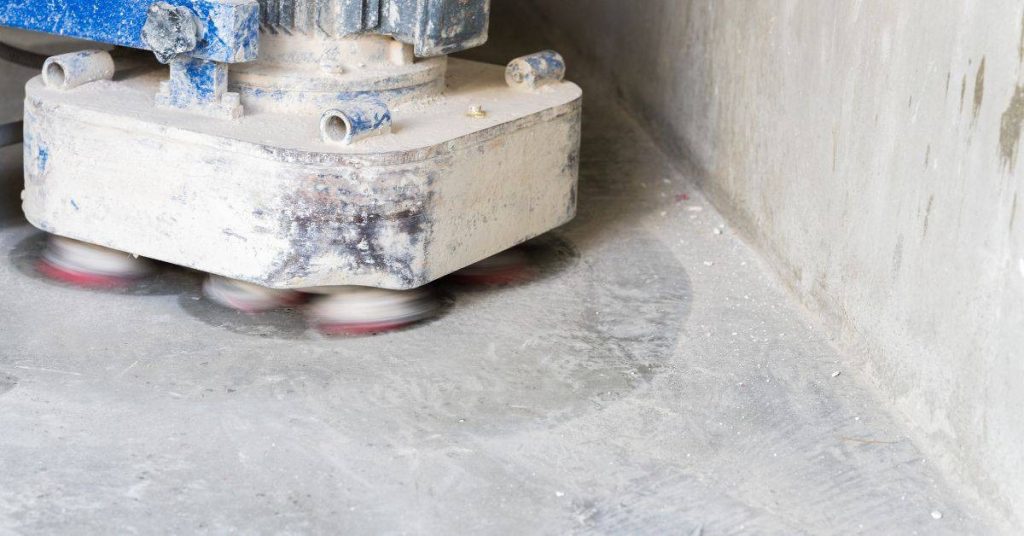
Concrete floor grinding machine smoothing surface

Fixing Birdbaths on Concrete: Grinding, Topping, and When to Re-Pour

Introduction Grinding, topping, and re-pouring are practical steps to repair and level a birdbath set in concrete. This DIY guide walks you through evaluating the damage, choosing a plan, and doing the work safely. You’ll learn what to check on materials and how to approach the job without fancy tools. Start by inspecting the existing

Fixing Birdbaths on Concrete: Grinding, Topping, and When to Re-Pour Read More »

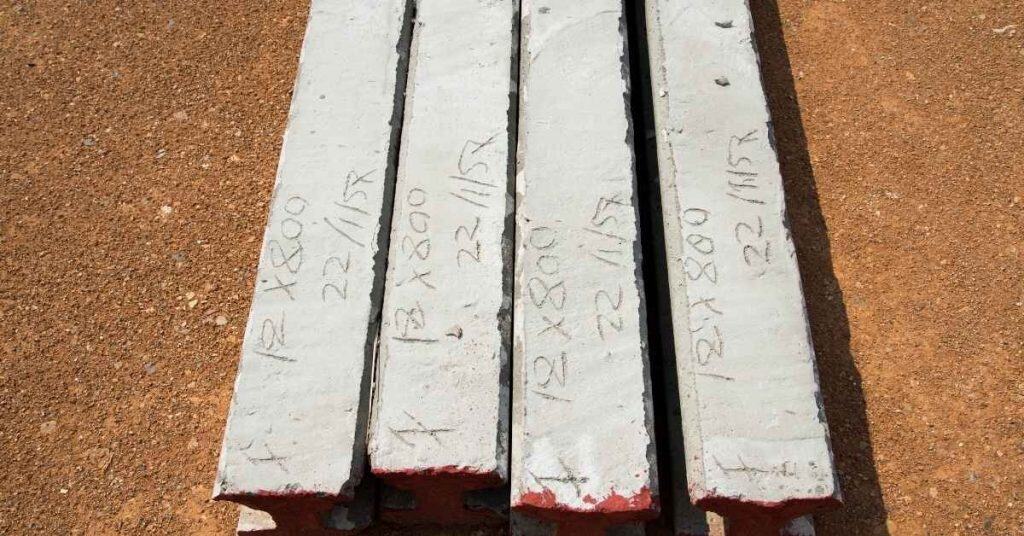
Four concrete test slabs marked with measurements lying on dirt

Concrete Water Vapor From Slabs: Easy DIY Tests Before Flooring Goes Down

Introduction Moisture testing of a concrete slab is checking how much water vapor is in the slab before you install flooring. These quick DIY checks tell you if the slab is dry enough for flooring and help you avoid issues later. Moisture movement depends on temperature, humidity, slab thickness, and curing history, so you’ll want

Concrete Water Vapor From Slabs: Easy DIY Tests Before Flooring Goes Down Read More »

Concrete surface peeling and flaking near wall base

Concrete Sealer Failures: Whitening, Peeling, and Slippery Surfaces

Introduction Concrete sealer failures are coatings that whiten, peel, or make surfaces unexpectedly slippery. These issues usually show up after a year or two of use, not right away, and they come from improper sealing, surface prep, or weather. Understanding what goes wrong helps you spot red flags early and plan the right steps for

Concrete Sealer Failures: Whitening, Peeling, and Slippery Surfaces Read More »

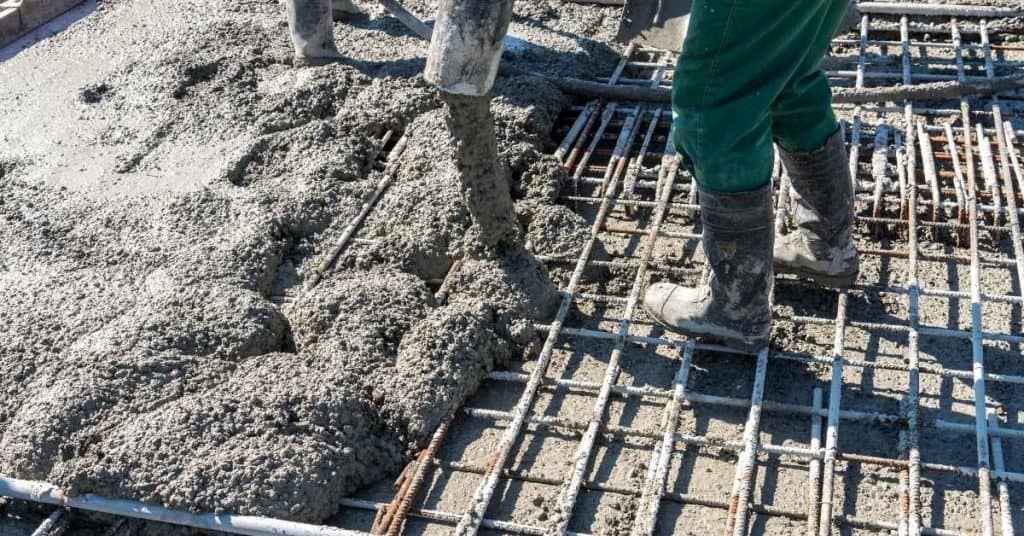
Workers pouring wet concrete over steel rebar grid

Concrete Rebar Shadowing: Why Lines Appear and What You Can Do

Introduction Concrete rebar shadowing is when the lines of embedded steel rebar show up as darker or lighter lines on the surface after curing. This happens as moisture, temperature, and the metal interact during the cure, with the surface sometimes mirroring the rebar pattern. Differences in finishing between forms or around the rebar can further

Concrete Rebar Shadowing: Why Lines Appear and What You Can Do Read More »

Smooth concrete window sill under open window with shadows

Concrete Microcracks After Curing: Causes, Visibility, and When to Seal

Introduction Concrete microcracks after curing are tiny cracks that form as the slab gains strength and settles. They are usually hairline and may be visible on the surface or near joints. Causes include shrinkage, temperature changes, and normal settling, not necessarily a defect. Sealing timing and product choice depend on your climate and the sealer

Concrete Microcracks After Curing: Causes, Visibility, and When to Seal Read More »

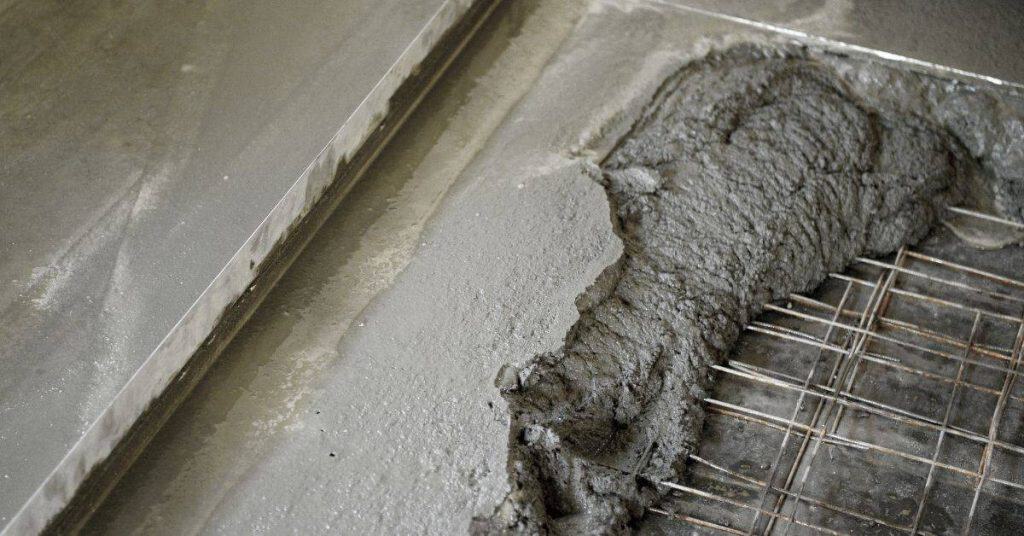
Wet concrete being poured over metal rebar mesh

Concrete Carbonation: What It Means for Rebar and Surface Durability

Introduction Concrete carbonation is the natural process where carbon dioxide penetrates hydrated cement and neutralizes the alkaline environment. This change can influence how rebar corrodes and how the surface holds up. In plain terms, it’s the carbonation front moving inward and changing the chemistry you relied on for durability. The mechanism involves CO2 diffusing through

Concrete Carbonation: What It Means for Rebar and Surface Durability Read More »

polished concrete floor with large glass window and ocean view

Concrete Blisters and Delamination: How to Avoid a Weak Top Layer

Introduction Blisters and delamination are weak, separated patches on the top layer of cured concrete. They happen when moisture, trapped air, or improper finishing create gaps under the surface. As a DIYer, you want to catch the signs early and fix the surface before it gets worse. Signs include raised areas, hollow sounds when tapped,

Concrete Blisters and Delamination: How to Avoid a Weak Top Layer Read More »