Search Results for: concrete staining and sealing

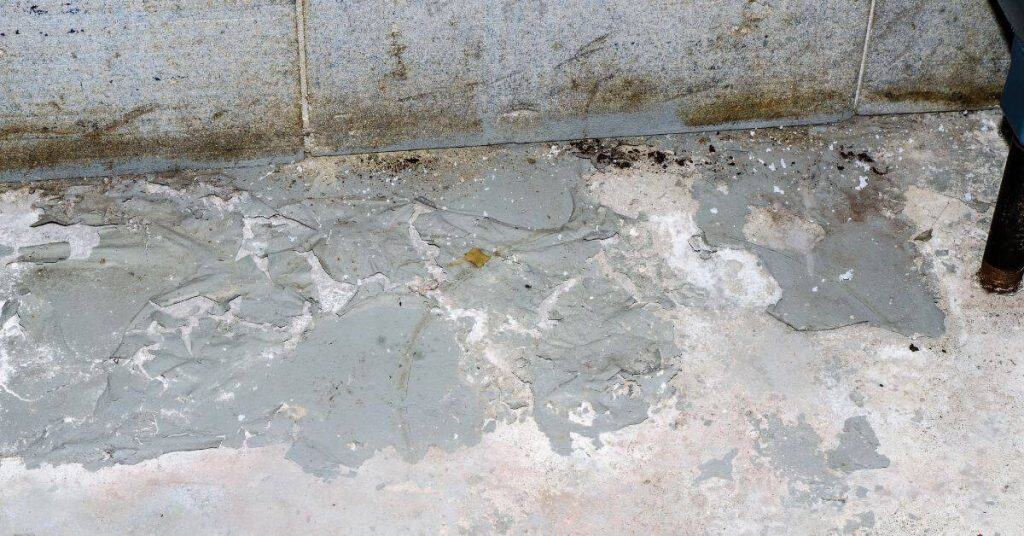
Peeling gray coating on concrete surface near wall

How to Recoat a Concrete Sealer Without Peeling: Adhesion Tests and Prep Steps

Introduction Recoating a concrete sealer means applying a fresh layer over a sealed concrete surface after confirming the old layer sticks well. Before you open a new can, inspect the old finish for peeling or staining and prepare to clean and roughen the surface as needed. Keep the goal simple: the new coat should bond

How to Recoat a Concrete Sealer Without Peeling: Adhesion Tests and Prep Steps Read More »

Box fan on concrete floor with damp stains and wall marks

Sealer Blush/Whitening on Concrete: Causes, Tests, and Fixes That Don’t Trap Moisture

Introduction Sealer blush or whitening on concrete is a cloudy, milky haze that appears on the surface when moisture moves through the material and brings minerals to the surface. It often shows up after sealing or in humid, wet conditions and can look like a fuzzy white film. It’s a common DIY issue on pavers

Sealer Blush/Whitening on Concrete: Causes, Tests, and Fixes That Don’t Trap Moisture Read More »

Close-up of concrete floor grinding machine in use

Concrete Driveway Oil Stain Removal: Enzyme vs. Poultice vs. Grinding (What Works When)

Introduction Oil stain removal on a concrete driveway comes down to enzyme treatment, poultice, or grinding. Enzymes break down the oil, poultices draw it out, and grinding physically removes the surface. What works best depends on the stain depth, age, and your tolerance for dust or smell. Check product labels and manufacturer instructions, and local

Concrete Driveway Oil Stain Removal: Enzyme vs. Poultice vs. Grinding (What Works When) Read More »

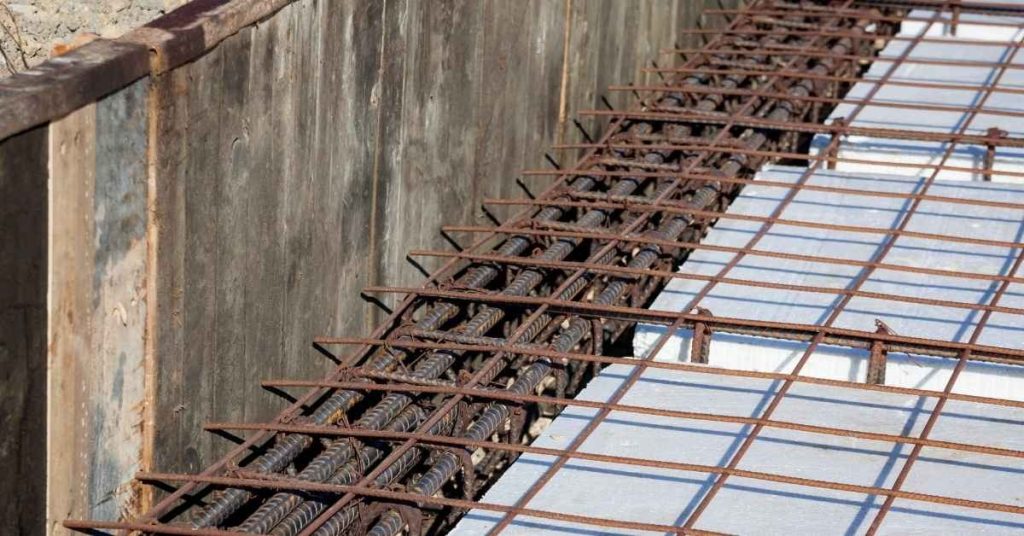
Steel rebar grid and wooden concrete formwork at slab edge

How to Patch a Concrete Slab Edge With a ‘Return’ Form (So It Doesn’t Chip Off Again)

Introduction A patch for a concrete slab edge with a return form is a method to rebuild the edge so it doesn’t chip again. It’s a hands-on repair that focuses on shaping the edge and sealing it with materials suited for your concrete. You’ll want to assess the chipped edge, pick appropriate repair materials, and

How to Patch a Concrete Slab Edge With a ‘Return’ Form (So It Doesn’t Chip Off Again) Read More »

Hand in blue glove scrubbing wall with green sponge

How to Choose a Bathroom Vanity Paint That Survives Water and Cleaning Chemicals

Introduction A bathroom vanity paint that survives water and cleaning chemicals is a moisture-tolerant coating chosen for cabinetry in wet areas. Start by matching your finish to the vanity material and plan proper prep like cleaning, sanding, and priming per manufacturer instructions. Check labels for water resistance and chemical resistance, and follow the guidance on

How to Choose a Bathroom Vanity Paint That Survives Water and Cleaning Chemicals Read More »

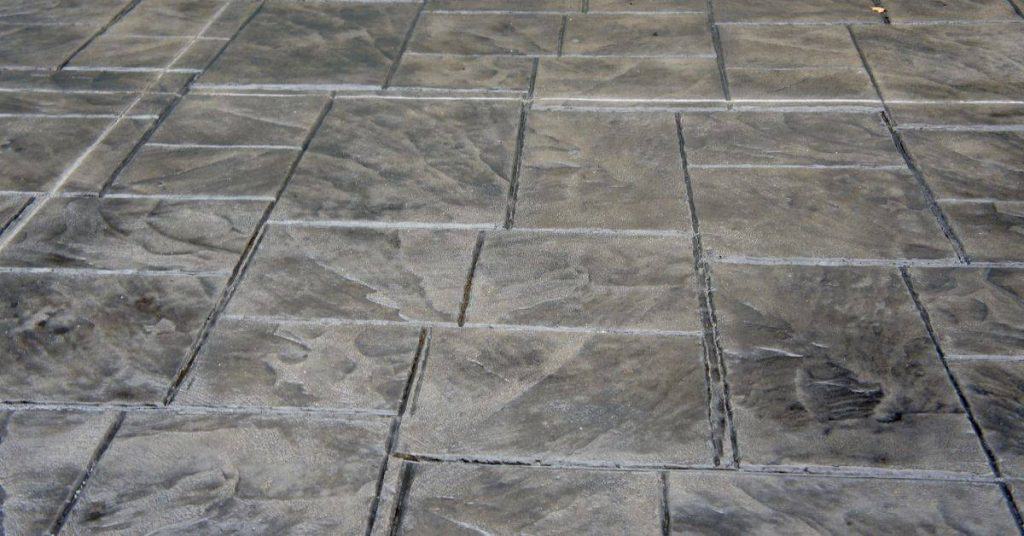
Close-up of textured stamped concrete surface with square pattern

Best Paint Systems for Concrete Block Walls Indoors (Breathability vs. Washability)

Introduction Breathable paint systems allow moisture in the wall to escape while still providing a decorative finish. Washable coatings resist scuffs and stains, but may seal too tight and trap moisture if used improperly. For block walls indoors, balance the needs of humidity, moisture migration, and cleaning ease. Check the product label for breathability ratings

Best Paint Systems for Concrete Block Walls Indoors (Breathability vs. Washability) Read More »

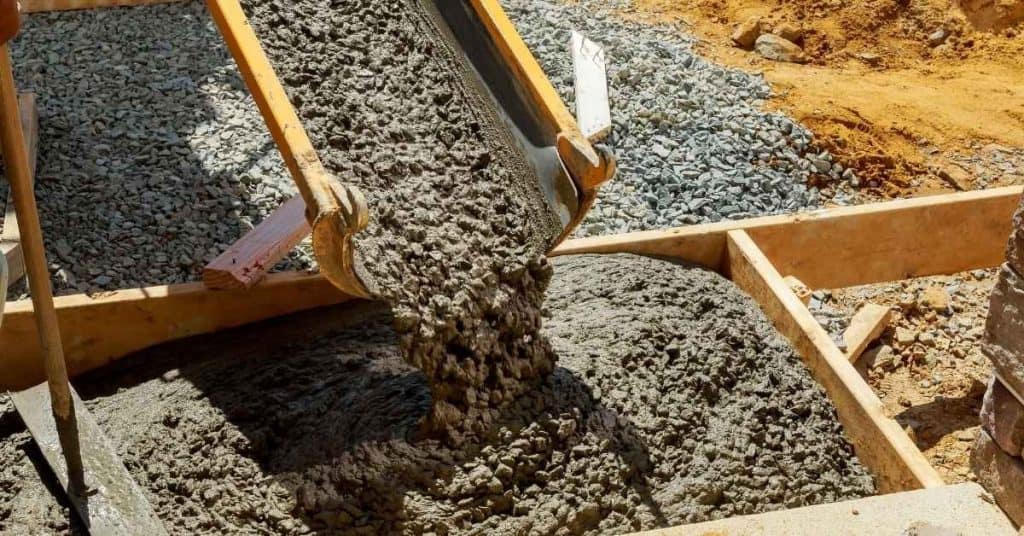
fresh self-leveling concrete poured on floor

Self-Leveling Underlayment Over Wood Subfloors: Prep, Lath, and Pour Thickness

Introduction Self-leveling underlayment over wood subfloors is a cementitious mix poured over prepared wood to create a flat, stable surface for new floors. It requires cleaning, securing loose boards, removing finishes, and flattening high spots so the surface is sound and ready to accept the leveling compound. Take it slow and work in small sections,

Self-Leveling Underlayment Over Wood Subfloors: Prep, Lath, and Pour Thickness Read More »

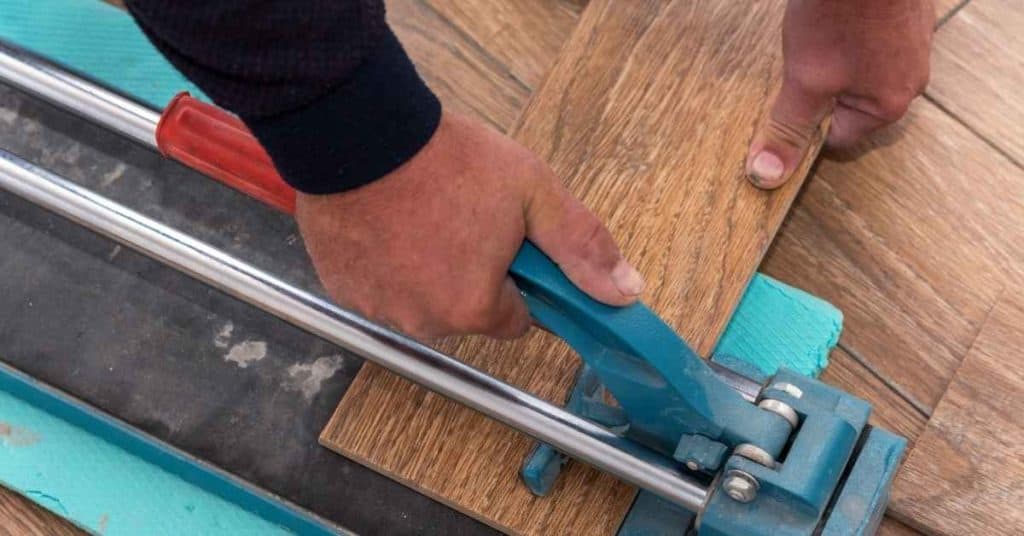
Hands cutting wood-look tile with manual tile cutter

Transition Strips That Don’t Look Cheap: Flush Transitions, Scribes, and Custom Saddles

Introduction Flush transitions are finish pieces that create a seamless edge between floor surfaces without a visible drop or lip. In this article, we’ll cover how to get flush transitions, have clean scribes, and build custom saddles that look like part of the install. Focus on matching height, marking where trim meets the floor, and

Transition Strips That Don’t Look Cheap: Flush Transitions, Scribes, and Custom Saddles Read More »

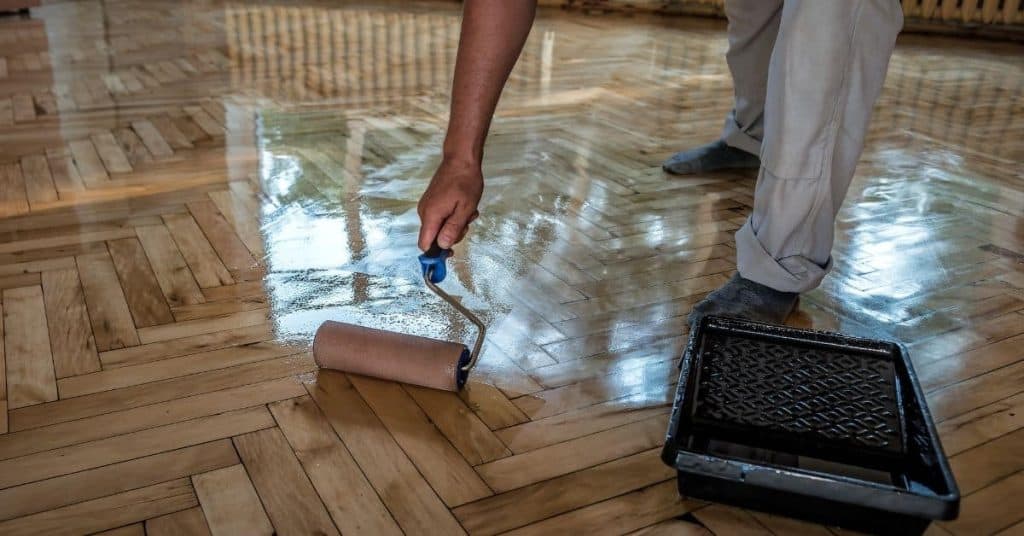
Person applying finish with roller on wood floor

Cork Flooring in Kitchens: Pros, Cons, and the Finish That Prevents Water Spots

Introduction Cork flooring in kitchens is a natural, resilient surface that can be kept water-friendly with the right finish. It brings warmth underfoot and can feel softer than tile, but it needs careful sealing and proper subfloor prep. This intro covers how cork is made, how to install it, and what finish helps prevent water

Cork Flooring in Kitchens: Pros, Cons, and the Finish That Prevents Water Spots Read More »