Search Results for: concrete staining and sealing

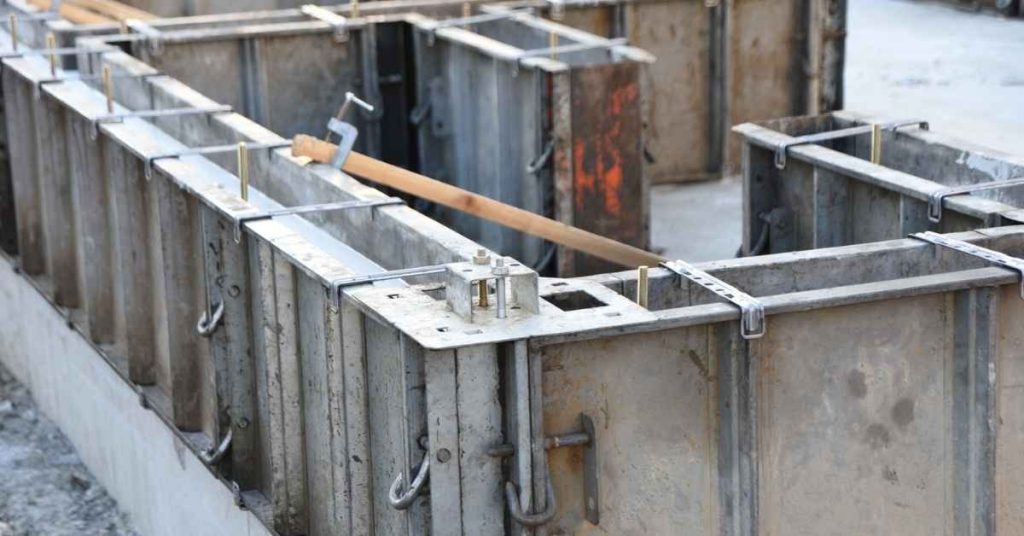
Metal concrete formwork panels arranged in a rectangular shape

Concrete Formwork for Curves: Kerfing Plywood, Flexible Liners, and How to Keep Edges True

Introduction Concrete formwork for curves means shaping temporary molds that guide wet concrete into a smooth, accurate curved edge, using techniques like kerfing plywood or flexible liners to follow the radius you need. In plain terms: kerfing lets stiff sheets bend by cutting relief slots, liners conform with support framing, and both need bracing to […]

Concrete Formwork for Curves: Kerfing Plywood, Flexible Liners, and How to Keep Edges True Read More »

Concrete wall surface with visible spalling damage

Concrete Spalling at Reentrant Corners: How to Cut Relief Joints That Stop Repeat Damage

Introduction Concrete spalling at reentrant corners is surface and edge breakdown where the inside corner of a slab or wall flakes, chips, or crumbles, and relief joints are cuts you make to interrupt stress paths so the same spot doesn’t fail again. In plain terms: you cut a controlled weak line near the corner to

Concrete Spalling at Reentrant Corners: How to Cut Relief Joints That Stop Repeat Damage Read More »

Close-up of weathered wooden fence post with barbed wire and grass

Installing a Handrail Post in Concrete: Sleeves, Water Seals, and Freeze-Thaw Details

Introduction Installing a handrail post in concrete means setting a strong anchor that resists forces and stays watertight through freeze–thaw cycles; it’s done by using a post sleeve or flange, sealing the joint, and backfilling or grouting properly. Think like a foreman: plan the hole or sleeve position, choose a sealing method, and follow product

Installing a Handrail Post in Concrete: Sleeves, Water Seals, and Freeze-Thaw Details Read More »

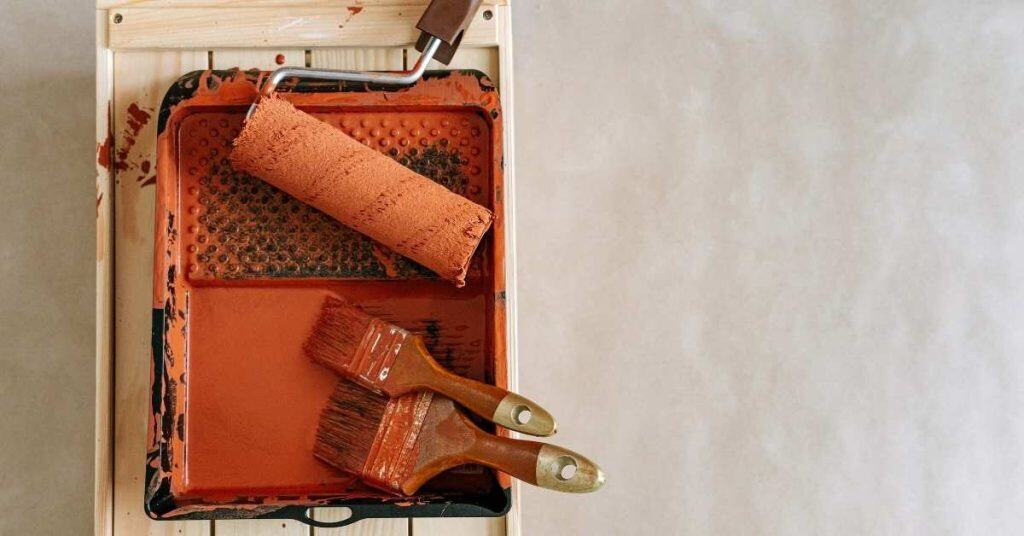
Rust-colored paint roller and brushes in paint tray

Why Primer Fails: Common Adhesion and Stain Problems, Simple Tests, and Reliable Fixes

Introduction Primer fails when it cannot stick to the surface or is overwhelmed by stains; in plain terms, failed adhesion and bleed-through mean the primer lost the mechanical or chemical grip it needs or contaminants pushed through. I’ll walk you through what usually causes those problems on a jobsite and how to spot them before

Why Primer Fails: Common Adhesion and Stain Problems, Simple Tests, and Reliable Fixes Read More »

Exterior stucco wall with scaffolding and windows

Stucco-to-Window Joint Leaks: Backer Rod Depth, Sealant Profiles, and Flashing Red Flags

Introduction Stucco-to-window joint leaks are failures where the seal between the stucco and the window lets water in, usually from improper backer rod depth, wrong sealant profile, or missing/incorrect flashing. Fixing them is about getting the joint depth right for the backer rod, choosing a compatible sealant, and making sure flashing directs water away from

Stucco-to-Window Joint Leaks: Backer Rod Depth, Sealant Profiles, and Flashing Red Flags Read More »

Pressure washer cleaning wooden deck surface

Painting After Pressure Washing: How to Tell When Siding and Masonry Are Truly Dry Enough to Prime

Introduction “Dry enough” means the surface has lost visible and tactile moisture and any trapped dampness that would prevent primer from bonding; test by touch, absorbency checks, and following product label guidance. Look for no surface sheen, no dark patches, and no water beading when you flick or blot the material, and when in doubt,

Painting After Pressure Washing: How to Tell When Siding and Masonry Are Truly Dry Enough to Prime Read More »

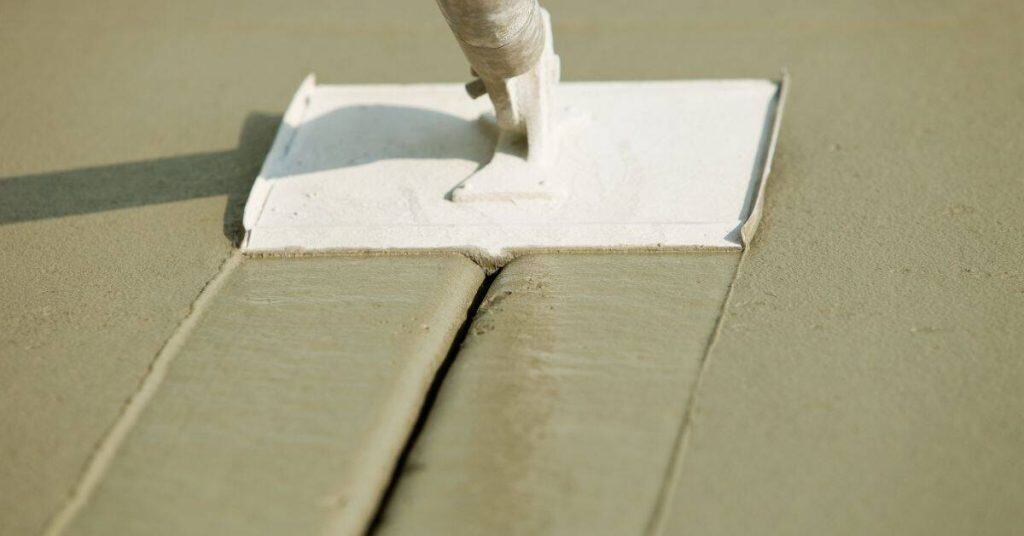
Concrete finishing tool smoothing joint line in wet concrete

Concrete Joint Failures Explained: What Goes Wrong When Control Joints Are Missing, Too Shallow, or Cut Too Late

Introduction Concrete joint failures happen when control joints are missing, too shallow, or cut too late, allowing random cracking and edge spalling instead of directing where the slab will split. In plain jobsite terms: if you don’t plan joint locations, don’t cut them deep enough, or wait too long, the slab will crack where it

Concrete Joint Failures Explained: What Goes Wrong When Control Joints Are Missing, Too Shallow, or Cut Too Late Read More »

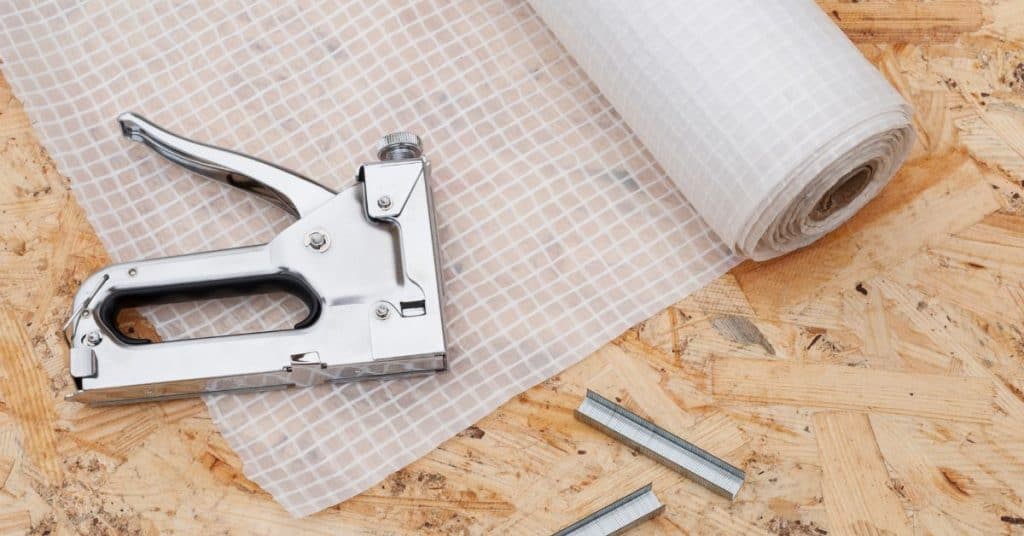
Staple gun beside roll of vapor barrier on plywood.

Vapor Barrier Under Slabs: How to Patch Tears, Seal Penetrations, and Avoid Moisture Bypass

Introduction A vapor barrier under a slab is a continuous sheet of material placed on the ground to stop water vapor from rising into the concrete; it needs to be intact, sealed at overlaps and penetrations, and taped or repaired when torn. Think practical: choose the right class of material for your project and check

Vapor Barrier Under Slabs: How to Patch Tears, Seal Penetrations, and Avoid Moisture Bypass Read More »

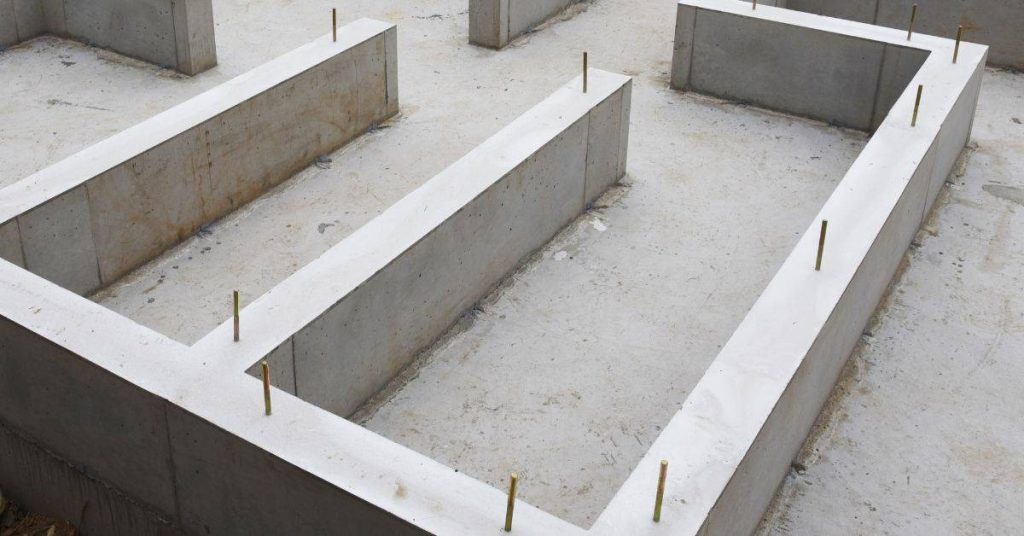
concrete foundation forms with metal rods embedded

How to Add a Concrete Splash Curb Along Siding: Forms, Expansion Joint, and Drainage

Introduction A concrete splash curb along siding is a small raised strip of concrete cast against the wall to deflect water away from the foundation and siding. It’s a hands-on job that involves forming a narrow curb, leaving a movement gap (expansion joint) where the curb meets the wall, and planning a path for water

How to Add a Concrete Splash Curb Along Siding: Forms, Expansion Joint, and Drainage Read More »

Angle grinder with diamond blade on concrete edge and grass

Soft-Edge vs Sharp-Edge Arrises on Concrete: A Step-by-Step Timeline for Durability and Clean Lines

Introduction The choice between soft-edge and sharp-edge arrises on concrete depends not only on aesthetics but also on the time you’re willing to invest in the project. Understanding the timeline for each edge type is crucial for planning your construction schedule. In this guide, we’ll walk you through a step-by-step timeline for creating both soft-edge

Soft-Edge vs Sharp-Edge Arrises on Concrete: A Step-by-Step Timeline for Durability and Clean Lines Read More »