Search Results for: concrete staining and sealing

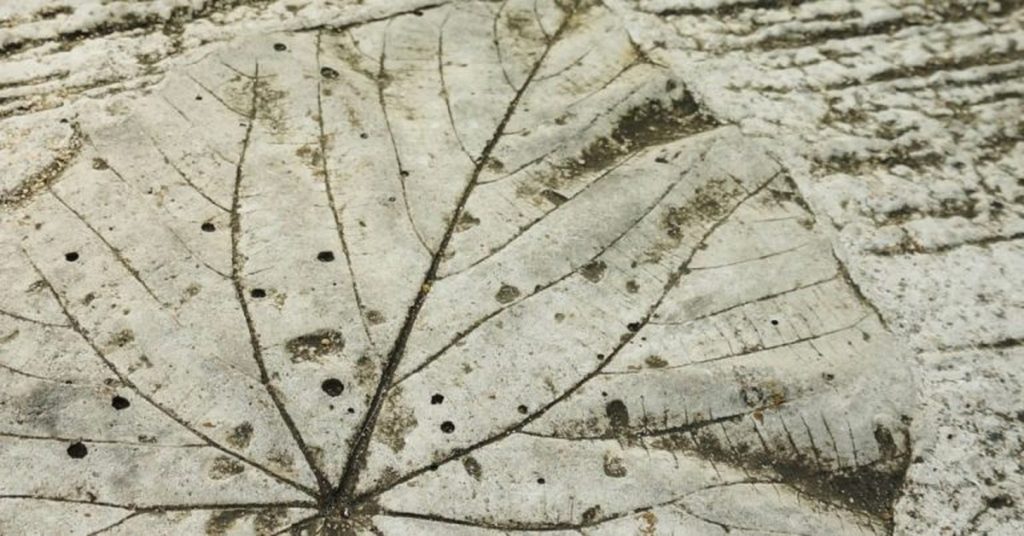
Leaf imprint pressed into wet concrete surface

Concrete Planters With Integral Pigments: Avoiding Efflorescence and Blotchy Color

Introduction Concrete planters with integral pigments are planters cast with color mixed into the concrete so the color runs through the entire piece. This helps avoid uneven surface staining and blotchy color when the planter ages or dries. Focus on practical steps like choosing a pigment with good lightfastness, checking drainage and ventilation, and protecting […]

Concrete Planters With Integral Pigments: Avoiding Efflorescence and Blotchy Color Read More »
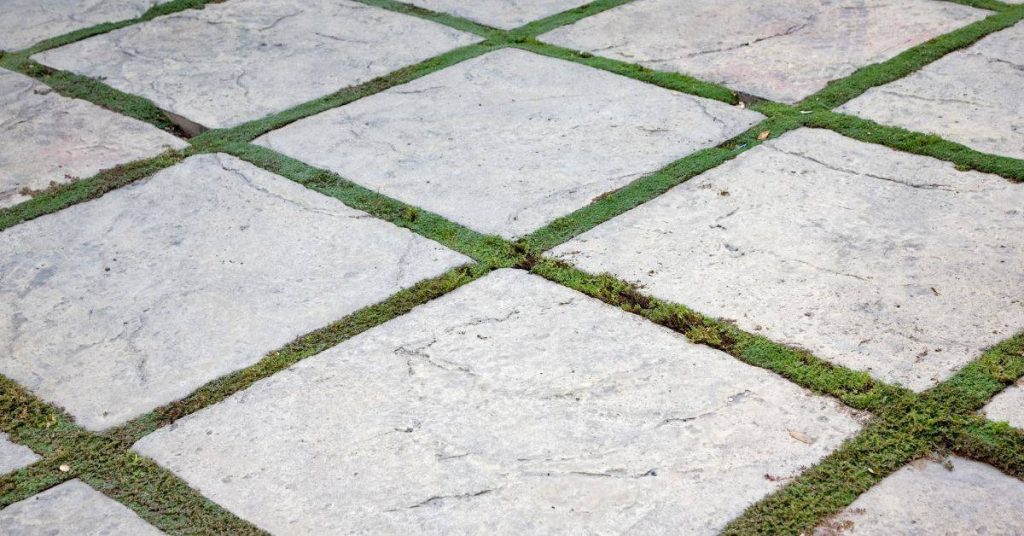
Square stone pavers with green moss in the joints

Sandblasted Finishes: Uniformity Tricks and How to Avoid Shadowing Around Joints

Introduction Sandblasted finishes are a textured surface created by blasting marble with abrasive media to reveal the stone’s grain. The result is a matte, slip-resistant look that hides tiny flaws and can add character to a space. As a DIY project, it’s important to understand that consistency comes from planning, the right media, and steady

Sandblasted Finishes: Uniformity Tricks and How to Avoid Shadowing Around Joints Read More »

Close up of a smooth brown hardboard surface

Acid Etching for Decorative Texture: When It Works and When It Just Exposes Laitance

Introduction Acid etching is the process of using acid to roughen concrete surfaces to create texture. When it works, it roughens the surface enough for coatings to grab; when not, it can just expose laitance. Check the surface and follow label instructions before starting. Common applications include decorative textures in low-traffic areas where a mechanical

Acid Etching for Decorative Texture: When It Works and When It Just Exposes Laitance Read More »

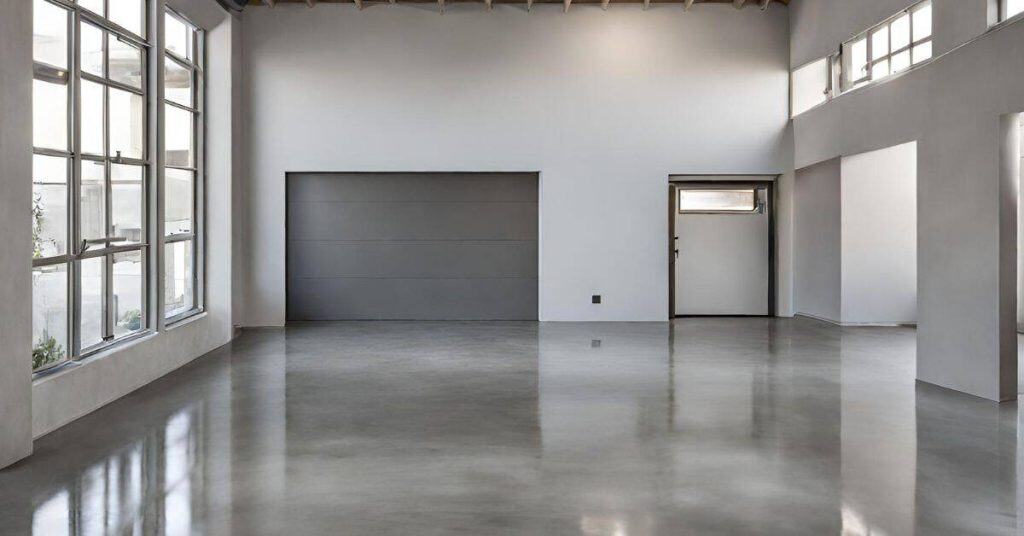
Empty room with polished concrete floor and large windows

Using Sacrificial Wax Systems on Polished Concrete: Maintenance Schedule That Doesn’t Turn Dull

Introduction A sacrificial wax system on polished concrete is a protective layer you apply to guard the surface and keep the shine. As you wear and spill on the floor, you refresh the wax rather than grind the surface again. Approach this like a practical DIY job: work in small areas, follow the product instructions,

Using Sacrificial Wax Systems on Polished Concrete: Maintenance Schedule That Doesn’t Turn Dull Read More »

Person leveling freshly poured concrete slab near rebar edge

Concrete Edge Profiles for Countertops: Durability of Sharp, Eased, and Ogee Forms

Introduction Edge profiles for concrete countertops refer to the shape of the countertop edge, such as sharp, eased, bevel, or ogee. They affect both the look and the feel, and they influence how the edge wears over time. Understanding these profiles helps you choose something you can clean easily and live with daily. Easy to

Concrete Edge Profiles for Countertops: Durability of Sharp, Eased, and Ogee Forms Read More »

Stacked white cement bags arranged in rows

White Concrete Mix for Clean Architectural Pieces: Cement Choice, Sand Color, and Plasticizer Options

Introduction White concrete mix is a cement-based blend designed to produce a light, pale finish for clean architectural pieces. When choosing cement, look for options that emphasize whiteness and low tint; check the label and manufacturer instructions to understand allowable color ranges. If in doubt, ask the supplier about pigments or whitening additives and how

White Concrete Mix for Clean Architectural Pieces: Cement Choice, Sand Color, and Plasticizer Options Read More »

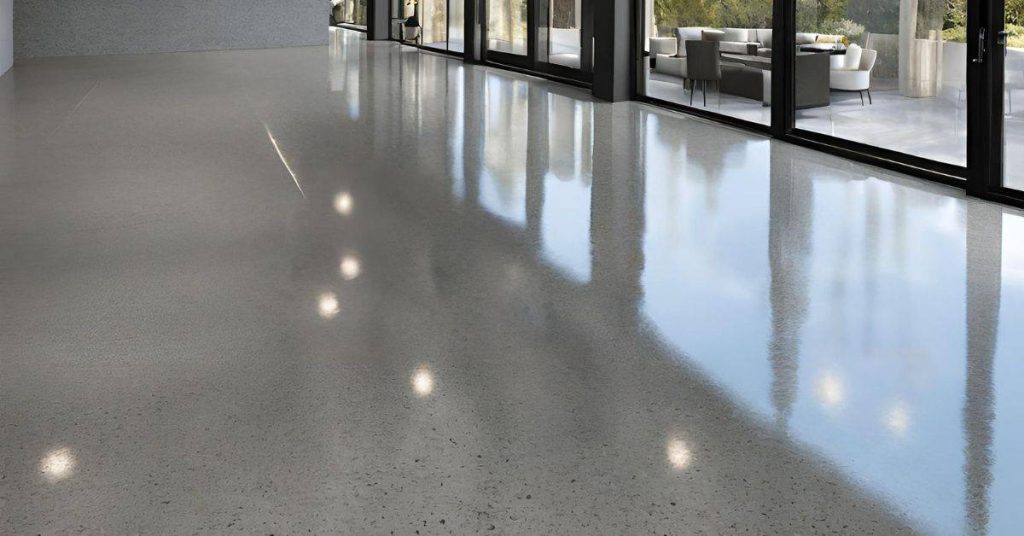
shiny polished concrete floor in modern indoor space

Repairing Etched or Dull Polished Concrete: Densifier Reapplication vs Re-Polish

Introduction Repairing Etched or Dull Polished Concrete: Densifier Reapplication vs Re-Polish is about choosing between reapplying a densifier to revitalize the surface or running a light re-polish to restore gloss. The decision hinges on whether the dullness comes from chemical etching, wear, or a dull film on the surface. Plan based on what the surface

Repairing Etched or Dull Polished Concrete: Densifier Reapplication vs Re-Polish Read More »

Precast concrete wall panels stacked outside a building

Concrete Micro-Inlays: Engraving, Filling With Colored Grout, and Sealing So It Stays Clean

Introduction Concrete micro-inlays are small engravings in concrete that are filled with colored grout and sealed to stay clean. The basic idea is to create a crisp line or pattern, then repair and protect it with color and a sealant. With the right hand tools and a steady hand, you can add simple lines or

Concrete Micro-Inlays: Engraving, Filling With Colored Grout, and Sealing So It Stays Clean Read More »

Covered porch with painted concrete floor and metal chairs

Controlling Sheen on Concrete Sealers: Matte vs Gloss, Slip Risk, and Maintenance Reality

Introduction Matte and gloss sealers define the look and reflectivity of a concrete surface. A matte finish hides minor wear but can be harder to keep clean, while a gloss finish is clearer but may show wear and slip risk more readily. This article gives a practical, DIY‑friendly overview of what to expect and how

Controlling Sheen on Concrete Sealers: Matte vs Gloss, Slip Risk, and Maintenance Reality Read More »

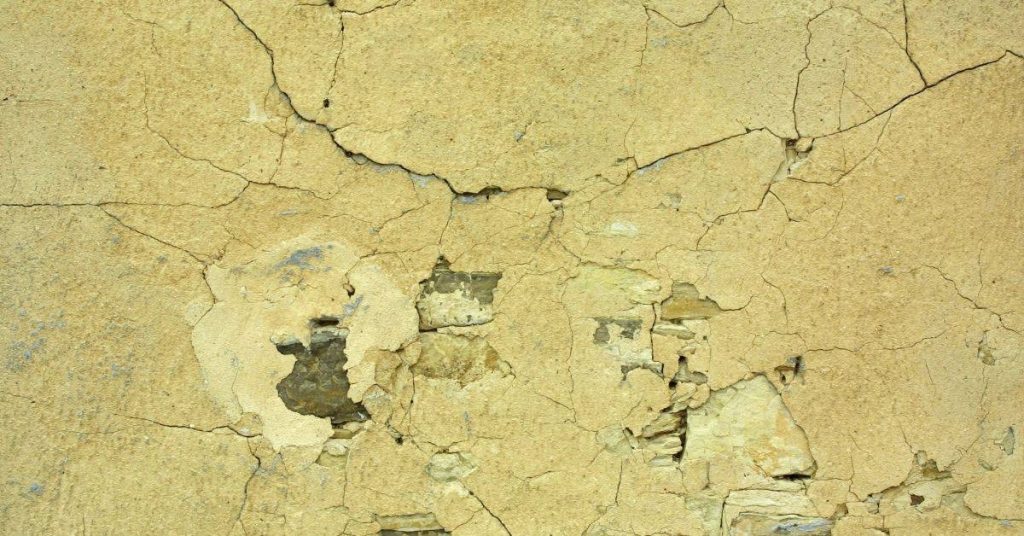
Yellow cracked and deteriorated concrete wall surface

Sealants for Basement Wall Penetrations: Boots, Collars, and What Actually Bonds to Damp Concrete

Introduction Sealants for basement wall penetrations are methods and products used to seal around pipes and conduits where they pass through basement walls, including boots and collars that direct and seal at the entry point. The goal is to create a flexible, water-resistant line of defense against damp concrete and leaks. Start by understanding that

Sealants for Basement Wall Penetrations: Boots, Collars, and What Actually Bonds to Damp Concrete Read More »