Search Results for: concrete staining and sealing

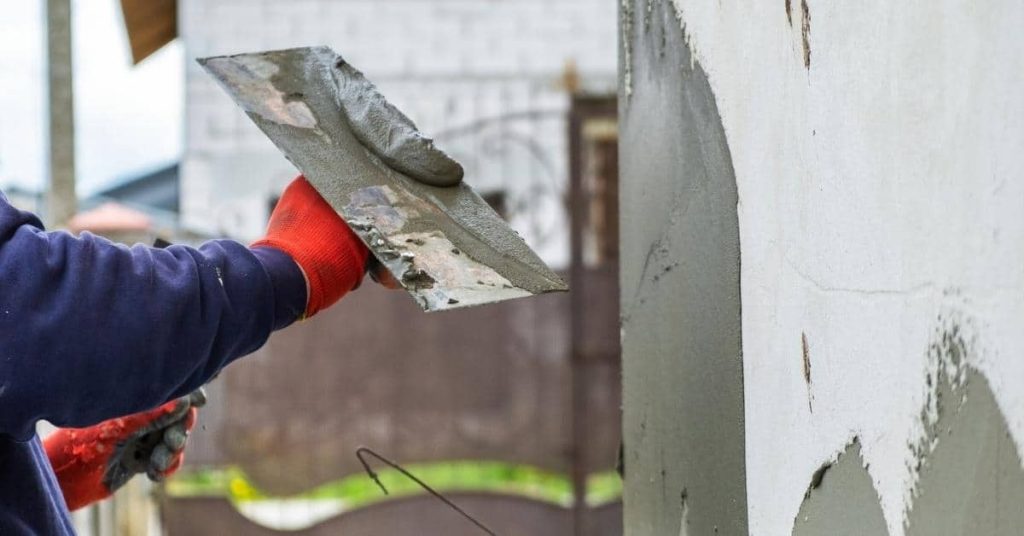
Worker applying stucco with a trowel on exterior wall

Integrally Colored Stucco Finish Coats: Batching, Water Control, and Fade Resistance

Introduction Integrally colored stucco finish coats are cement-based mixes with color added during batching so the color runs through the material. This article focuses on how batching, water control, and fade resistance affect a DIY project. You’ll learn practical steps you can take on a jobsite to keep the color even and the finish durable. […]

Integrally Colored Stucco Finish Coats: Batching, Water Control, and Fade Resistance Read More »

Stucco wall with two boarded windows and one boarded door

Stucco Discoloration From Efflorescence vs Salts in Sand: Simple Tests and Fixes

Introduction Efflorescence is a white salt bloom that appears on stucco when moisture moves soluble salts to the surface. It can look like chalky powder and is often mistaken for new stains. But salts in the sand or mix can also discolor, and moisture is the common driver. To tell efflorescence from salts in the

Stucco Discoloration From Efflorescence vs Salts in Sand: Simple Tests and Fixes Read More »

Close-up of textured pink stucco wall surface

Stucco Around Mini-Split Line Sets and Condensate Drains: Sleeves, Drip Loops, and Sealants

Introduction Stucco around mini-split line sets and condensate drains is the exterior finish that encases the lines and keeps moisture out. The job is about creating sleeves, drip loops, and proper seals so the system looks integrated and sheds water. Do this carefully so you don’t trap condensation or create paths for leaks. Plan sleeve

Stucco Around Mini-Split Line Sets and Condensate Drains: Sleeves, Drip Loops, and Sealants Read More »

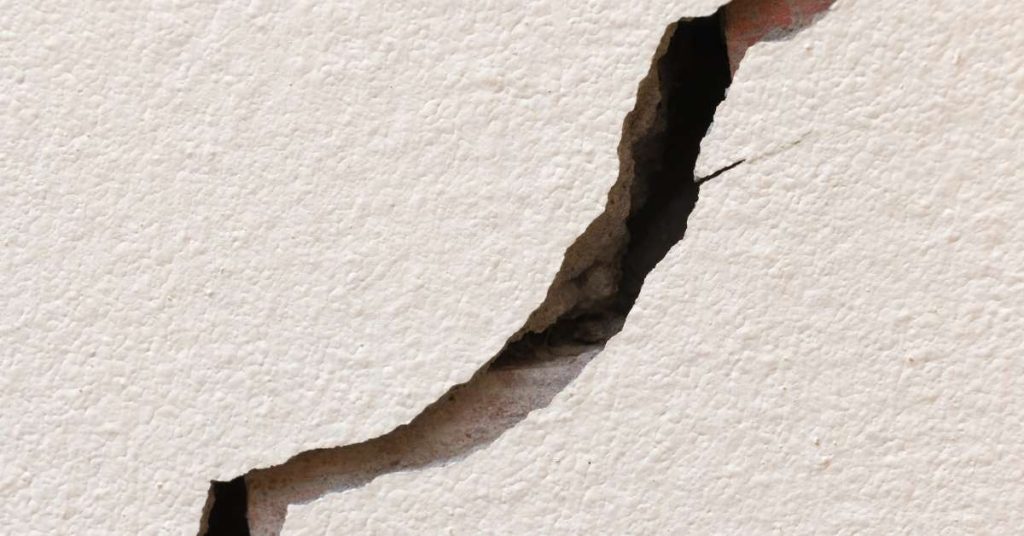
Close-up of a large crack in a stucco wall

Stucco Soffits and Overhangs: Crack Control at Framing Transitions and Vent Cutouts

Introduction Stucco soffits and overhangs are the sheltered edges under the roof where it meets the wall, and cracking happens where framing moves or openings exist. This article walks you through noticing those cracks early and keeping moisture out. You’ll learn simple, hands-on checks you can perform during a DIY project and what to fix

Stucco Soffits and Overhangs: Crack Control at Framing Transitions and Vent Cutouts Read More »

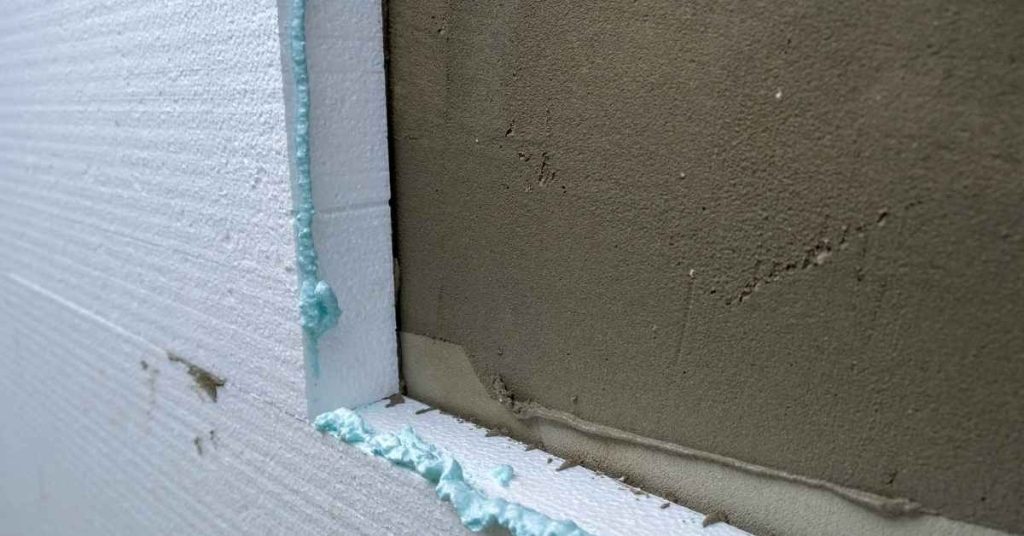
Close-up of stucco edge with foam insulation and sealant

Stucco Parapet Walls: Coping, Cap Flashing, and Why the Top Edge Is the #1 Leak Source

Introduction Coping, cap flashing, and the top edge are the critical areas that control leaks on stucco parapet walls. This article explains why the top edge leaks and how to approach coping and flashing like a DIY job. Because every project is different, check manufacturer instructions and local rules for your setup. We’ll cover coping

Stucco Parapet Walls: Coping, Cap Flashing, and Why the Top Edge Is the #1 Leak Source Read More »

Worker applying first coat of stucco on wall with trowel

Three-Coat vs One-Coat Stucco: Thickness Targets, Cure Times, and Where Each Fails

Introduction Three-coat stucco uses three separate layers, while one-coat finishes are completed in a single composite application. Thickness targets and cure times depend on the system you choose, so always check the product label and local rules rather than guessing. Also verify how a weather-resistive barrier is used and how the lath is installed, since

Three-Coat vs One-Coat Stucco: Thickness Targets, Cure Times, and Where Each Fails Read More »

Smooth grey epoxy coated concrete floor in garage

Concrete Crack Sealants: Polyurethane, Epoxy, MMA, and Why ‘Flexible’ Isn’t Always Better

Introduction Concrete crack sealants come in polyurethane, epoxy, and methyl methacrylate (MMA), and the goal is to seal cracks while allowing some movement. In practical DIY terms, you choose based on how much movement the crack will have, the exposure, and what the product label recommends. Always check the manufacturer instructions and local rules before

Concrete Crack Sealants: Polyurethane, Epoxy, MMA, and Why ‘Flexible’ Isn’t Always Better Read More »

Concrete columns with exposed steel reinforcement bars

Repairing Concrete Exposed to Acids: What Can Be Neutralized and What Must Be Removed

Introduction Acid-exposed concrete can sometimes be neutralized on the surface, but damaged material must be removed. This DIY overview explains what you can safely treat and how to tell when removal is necessary. It keeps the process practical and plain-language, like a job you can tackle on a weekend. Begin by cleaning, neutralizing per label

Repairing Concrete Exposed to Acids: What Can Be Neutralized and What Must Be Removed Read More »

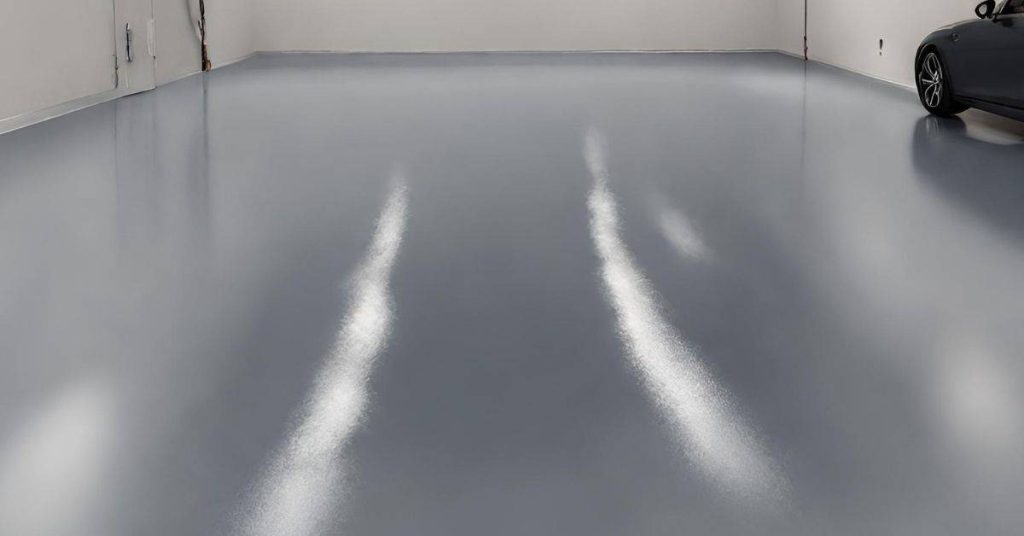
Smooth glossy gray epoxy coated floor inside a room

Dealing With Soft, Carbonated Surface Paste: Grind Depth, Densifiers, and Coating Compatibility

Introduction Soft, carbonated surface paste is the chalky, weakened layer on concrete that needs removal or stabilization before finishing. Start with a small test spot to gauge how deep you’ll need to grind, and avoid taking off more than necessary. Always check the tool’s pad wear and the manufacturer or local rules for safe grind

Dealing With Soft, Carbonated Surface Paste: Grind Depth, Densifiers, and Coating Compatibility Read More »

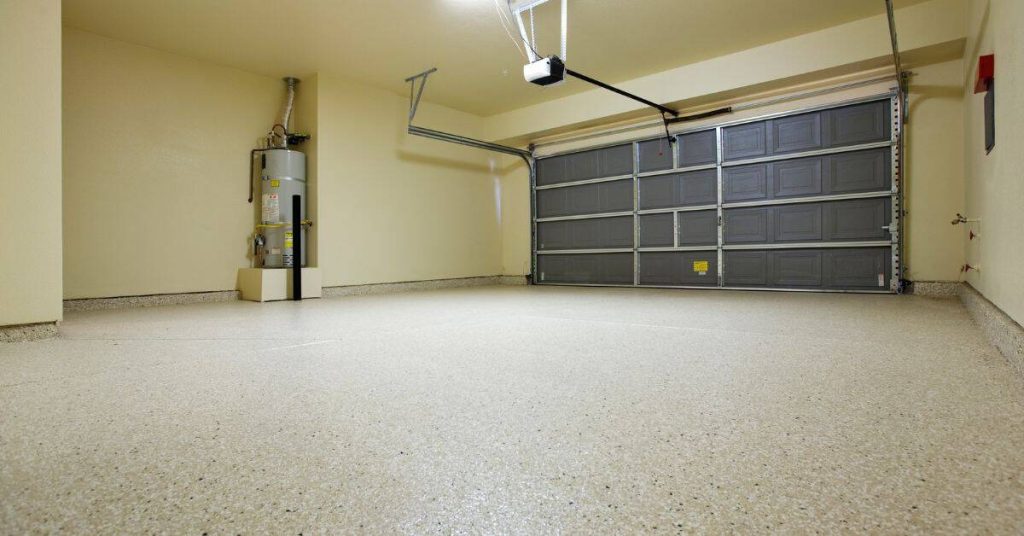
Clean epoxy-coated residential garage floor with water heater

Salt-Contaminated Garage Slabs: Cleaning Limits and Coating System Choices That Survive

Introduction Salt-contaminated garage slabs are concrete floors with salt residues that can interfere with finishes and moisture behavior. The salt can come from de-icing agents or nearby treatments, and this article explains what to expect when cleaning and choosing a coating that lasts. Salt residue can cause efflorescence, staining, and a weakened surface near joints,

Salt-Contaminated Garage Slabs: Cleaning Limits and Coating System Choices That Survive Read More »