Search Results for: concrete staining and sealing

Pouring dry concrete mix into a bucket

Concrete Mixing in 5-Gallon Buckets: Repeatable Ratios for Small Projects

Introduction Concrete mixing in 5-gallon buckets is the practice of combining cement, aggregate, and water in small, repeatable ratios for quick, local work. This guide keeps things hands-on, using simple steps you can follow without heavy gear. You’ll see practical references to patterns like Ashlar Notched Slate and American Flagstone as familiar ends for small […]

Concrete Mixing in 5-Gallon Buckets: Repeatable Ratios for Small Projects Read More »
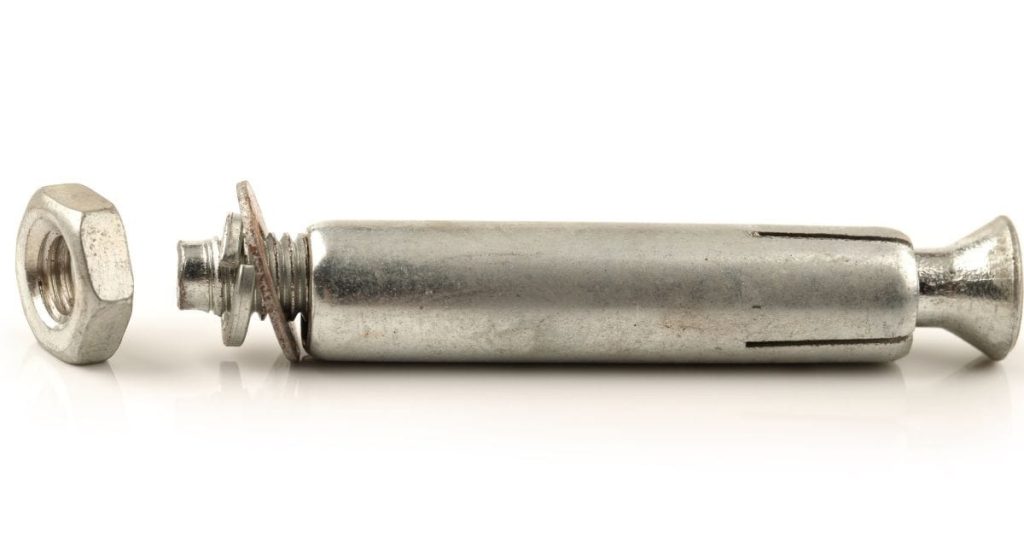
metal expansion anchor bolt with nut and washer

Epoxy Anchor Failure Modes: Dirty Holes, Wet Holes, and Wrong Cure Temperature

Introduction Epoxy anchor failure happens when the adhesive bond can’t develop strength because the hole or mix is contaminated, wet, or poorly cured. Dirty holes, wet holes, and wrong cure temperature are common failure modes that weaken the bond and let anchors loosen. Symptoms include movement, a shiny or crumbly surface, or inconsistent setting, and

Epoxy Anchor Failure Modes: Dirty Holes, Wet Holes, and Wrong Cure Temperature Read More »

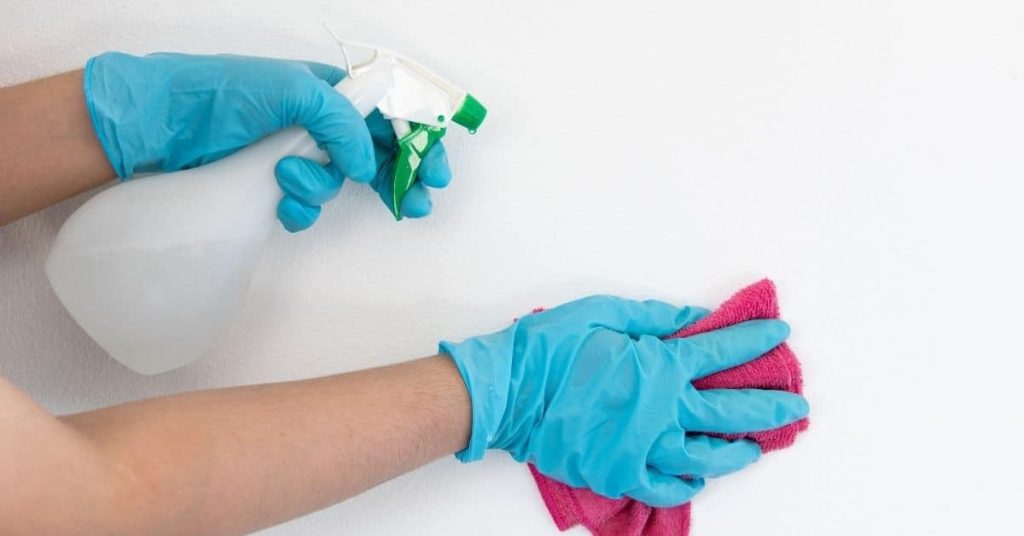
Hands in blue gloves spraying and wiping white wall with cloth

How to Remove Ice Melt Residue Before Resealing: Cleaning Without Etching

Introduction Removing ice melt residue after sealing is cleaning concrete surfaces without etching the finish. Use a non-acid cleaner and plenty of clean water, and work from the edges toward the center to avoid spreading residue. Test a small area first and scrub gently with a soft brush, then rinse well. Look for signs of

How to Remove Ice Melt Residue Before Resealing: Cleaning Without Etching Read More »

Clean decorative concrete driveway with landscaping

Concrete Deicer Alternatives: What’s Safer for Decorative Concrete in Winter

Introduction Safer deicer options for decorative concrete are milder chemicals and methods that reduce staining and damage. Choose products with clear labeling and follow the manufacturer’s directions, and always check local rules or requirements before use. For a DIY approach, prioritize methods that minimize surface impact while keeping things safe on contact with your finish.

Concrete Deicer Alternatives: What’s Safer for Decorative Concrete in Winter Read More »

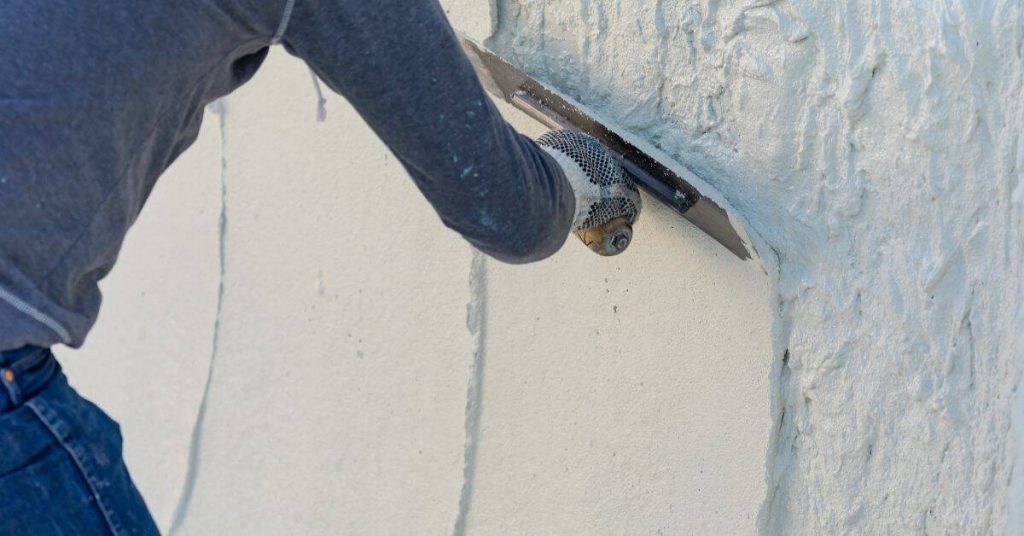
Person applying stucco texture on exterior wall

Running Exterior Cables on Stucco: Straps, Anchors, and Waterproof Penetrations

Introduction Running exterior cables on stucco involves securing the cable with appropriate straps or anchors and sealing any penetrations to keep moisture out. Do it with care, choosing hardware rated for outdoor use and compatible with stucco surfaces. Plan routes and clean the surface before mounting to avoid damage and ensure solid footing. Types of

Running Exterior Cables on Stucco: Straps, Anchors, and Waterproof Penetrations Read More »

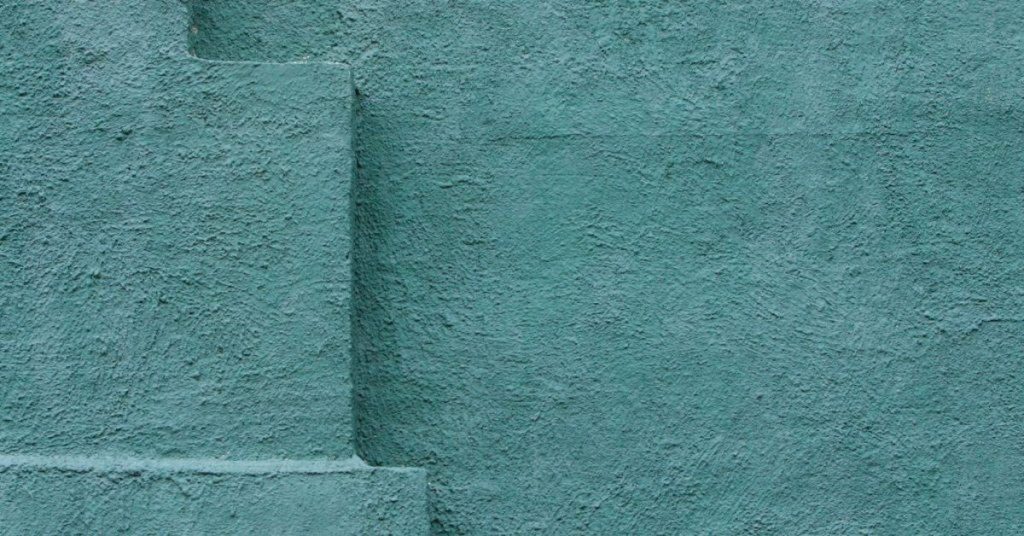
blue stucco wall with textured surface and corner detail

Stucco Around Hose Bibs: Repairing Cracked Sealant and Adding a Proper Sleeve

Introduction This article shows you how to repair cracked stucco around a hose bib and add a proper water sleeve when you replace the sealant. You’ll remove the old cracked sealant, inspect the bib, and install a sleeve before the new stucco and sealant go in. It’s a hands-on, practical repair you can tackle with

Stucco Around Hose Bibs: Repairing Cracked Sealant and Adding a Proper Sleeve Read More »

Woman inspecting white painted plaster wall closely

Sealing Nicotine Stains on Plaster: Why Some Primers Fail and What Works

Introduction Sealing nicotine stains on plaster means using the right primer to lock in oils and prevent bleed-through. If the surface isn’t cleaned or the wrong primer is chosen, the stain can bleed through and darken again. This article stays practical, with hands-on steps you can follow. Start with thorough cleaning to remove surface grime

Sealing Nicotine Stains on Plaster: Why Some Primers Fail and What Works Read More »

Workers applying fresh stucco to exterior house wall

Limewash on Exterior Stucco: When It Lasts and When It Chalks Off Fast

Introduction Limewash is a breathable coating made from lime putty and water that you apply to exterior stucco. It can darken or chalk as it ages, and how long it lasts depends on weather and how it’s applied. You should check the manufacturer’s guidance and local rules for reapplication and maintenance. On stucco, limewash lets

Limewash on Exterior Stucco: When It Lasts and When It Chalks Off Fast Read More »

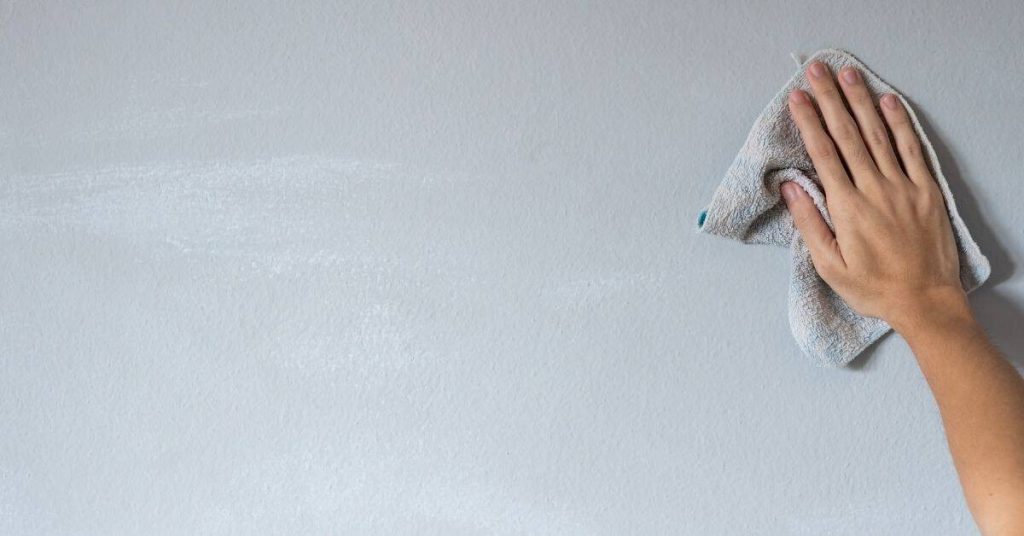
Hand wiping a smooth light gray wall with a cloth

Venetian Plaster in Bathrooms: Soap Scum, Cleaning, and Where It’s a Bad Idea

Introduction Venetian plaster in bathrooms is a polished, lime-based finish that can show soap scum and water marks if not cleaned with care. This article gives practical, hands-on tips for keeping the surface clean without risking damage. It also covers when it’s not a good idea to use harsh cleaners on this finish. White vinegar

Venetian Plaster in Bathrooms: Soap Scum, Cleaning, and Where It’s a Bad Idea Read More »