Search Results for: concrete foundation repair contractors

Hand wearing glove installing fastener into foam board insulation

Stucco Over Foam Board: Choosing Mesh Weights and Avoiding ‘Wavy Wall’ Syndrome

Introduction This article explains how to apply stucco over foam board and why mesh weight matters. You’ll learn about choosing the right mesh and what to watch for to keep the wall flat. We’ll keep it practical and hands-on, with steps you can check on the job site. Start by confirming your foam board and […]

Stucco Over Foam Board: Choosing Mesh Weights and Avoiding ‘Wavy Wall’ Syndrome Read More »
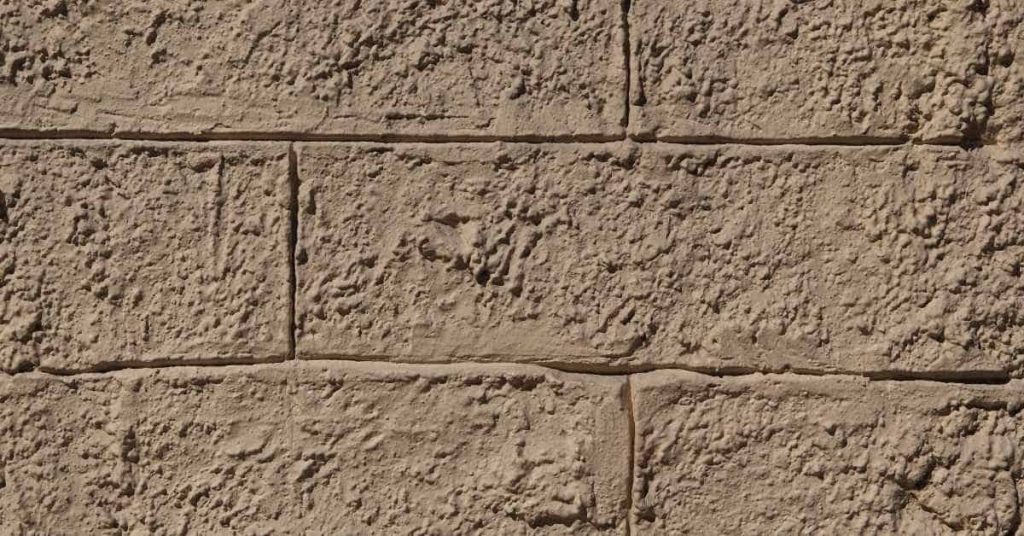
Close-up of textured stucco block wall

How to Stop Sprinkler Overspray From Destroying Stucco (Layout, Drip Lines, and Barriers)

Introduction Sprinkler overspray on stucco happens when sprinkler spray hits the wall instead of the yard, letting water soak into the stucco and fascia. Before making changes, observe a cycle to see where the spray lands and then plan adjustments to the layout and head spacing. Check manufacturer instructions or local rules for required clearances

How to Stop Sprinkler Overspray From Destroying Stucco (Layout, Drip Lines, and Barriers) Read More »

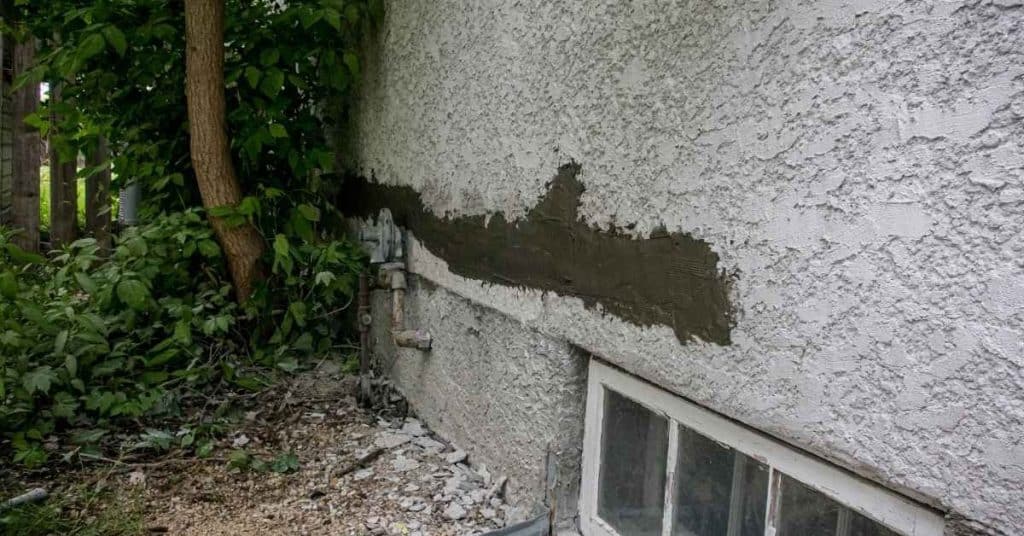
Exterior stucco wall with fresh dark patch above basement window

Stucco at Grade: Fixing a Wall That’s Too Close to Soil Without Tearing Everything Off

Introduction When stucco sits too close to soil, it traps moisture and can lead to damage over time. This article explains a practical way to fix it without tearing everything off. You’ll look for a small gap, proper flashing, and a plan to widen the clearance as needed. Start by inspecting for contact points and

Stucco at Grade: Fixing a Wall That’s Too Close to Soil Without Tearing Everything Off Read More »

Stucco wall with a long patch near basement window

Fixing Hollow-Sounding Stucco: When to Patch vs When to Rebuild

Introduction Hollow-sounding stucco means the outer layer isn’t firmly attached to the wall and loose areas rattle. For small, localized hollows, you can patch; for wide or underlying damage, you’ll likely need to rebuild the affected area. This is a hands-on decision that depends on what’s beneath the surface and how stable the substrate feels.

Fixing Hollow-Sounding Stucco: When to Patch vs When to Rebuild Read More »

Fan of various tile samples with different colors and patterns

Color Sampling Without Regret: Lighting Checks and Large-Sample Method

Introduction Color sampling without regret is testing colors under real lighting with a large sample before committing. In practice, you inspect swatches or patches in the rooms where the work will happen, at different times of day, to see how they read. Make sure you check the actual light sources and surfaces you’ll be painting,

Color Sampling Without Regret: Lighting Checks and Large-Sample Method Read More »

Partially removed tan stucco revealing brick wall underneath

Stucco Soft Spots at the Base: Diagnosing Capillary Wicking vs Leaks

Introduction Soft spots at the base of stucco usually indicate moisture intrusion, most commonly capillary wicking or a leak. Capillary wicking pulls moisture up from the ground through tiny openings in the stucco and underlying plaster. Leaks come from gaps, cracks, or failed flashings letting water in. To tell them apart, look for wetness patterns,

Stucco Soft Spots at the Base: Diagnosing Capillary Wicking vs Leaks Read More »

Paintbrush next to various green paint color swatches

Paint Color Trends Fading Fast: What to Choose Instead and Why

Introduction Black exterior paint is a bold, practical choice that changes how your home reads from the curb. It can ground a house and hide flaws, but it also needs careful lighting and durable finish considerations. Plan for maintenance, color testing, and long-term upkeep before you commit. When choosing a black, review brand instructions and

Paint Color Trends Fading Fast: What to Choose Instead and Why Read More »