Search Results for: concrete floor covering

Stamped concrete patio surface with textured pattern

Concrete Curing Indoors: Moisture control without mold or mess

Introduction Concrete curing indoors means managing excess moisture so the mix dries evenly and won’t trap water that causes problems. Moisture comes from rain, groundwater, and interior activities, and your curing plan should keep the surface and near-surface air balanced. Keep the space accessible for air, avoid sealing off all drying paths, and use safe […]

Concrete Curing Indoors: Moisture control without mold or mess Read More »
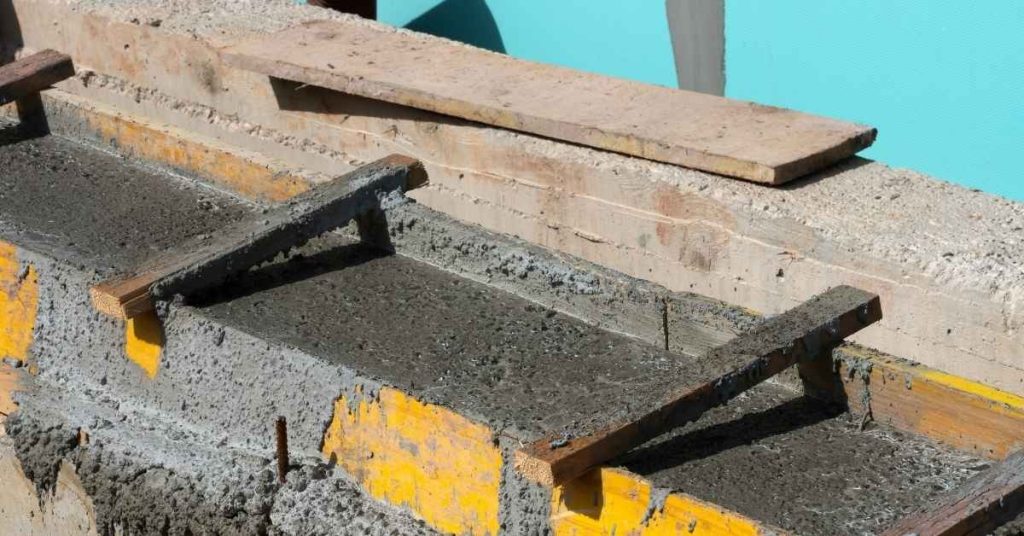
Concrete garage floor with paint roller and wet coating

Garage Floor Paint vs Epoxy vs Polyaspartic: What Actually Holds Up

Introduction Garage floor coatings come in paint, epoxy, and polyaspartic, each with its own durability profile. Paint is simple and forgiving, epoxy offers a thicker hard coat, and polyaspartic dries fast and resists temperature swings. This guide helps you compare protection, appearance, and DIY viability before you pick. You’ll learn what to expect in terms

Garage Floor Paint vs Epoxy vs Polyaspartic: What Actually Holds Up Read More »

Empty room with polished concrete floor and large windows

Moisture Mitigation Systems for Concrete Floors: When You Need One

Introduction A moisture mitigation system blocks moisture from a concrete floor before you install finishes. It helps prevent staining, mold, and fast finish failures. The approach varies, but the goal is to keep dampness from wicking into your flooring. Watch for signs of moisture damage like peeling coatings, dark patches, or a musty smell. Give

Moisture Mitigation Systems for Concrete Floors: When You Need One Read More »

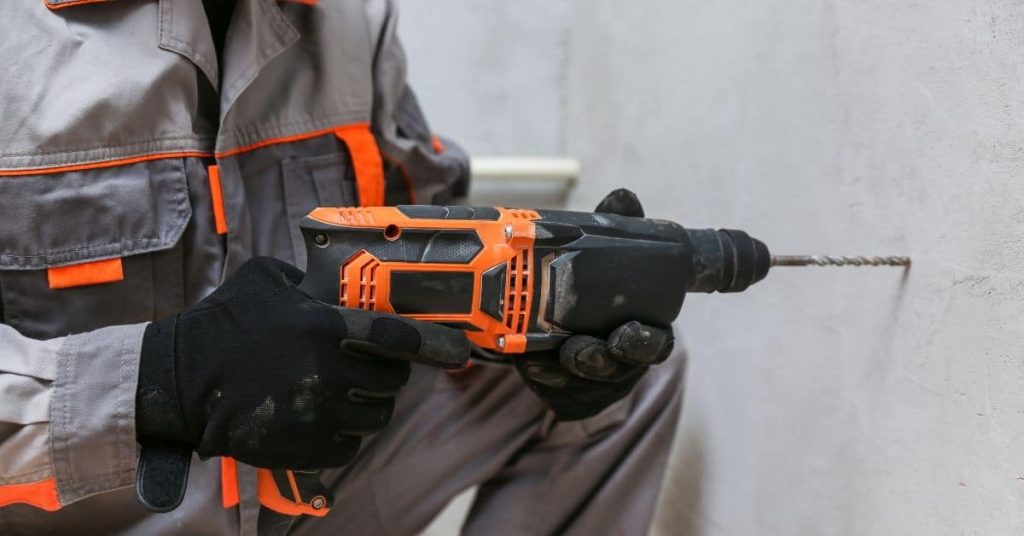
Worker drilling into concrete wall with cordless drill

Concrete Temperature Monitoring: Cheap Sensors That Help You Cure Better

Introduction Concrete temperature monitoring means tracking how hot or cold the mix stays during curing to guide when to finish and moisture cure. Affordable sensors can be embedded or attached to the surface to give real-time readings. Proper curing depends on temperature behavior, and monitoring helps catch excessive heat or slow cooling before it harms

Concrete Temperature Monitoring: Cheap Sensors That Help You Cure Better Read More »

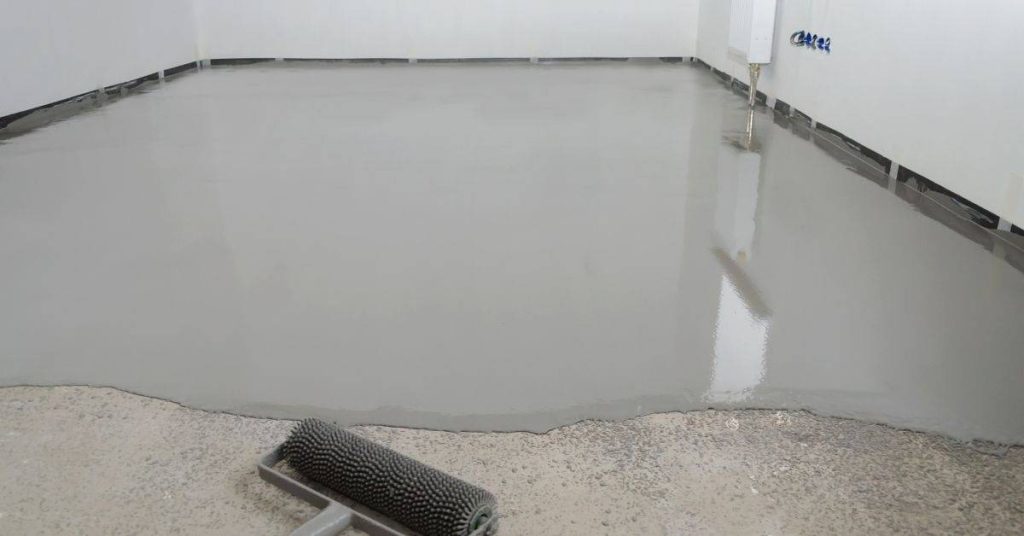
Freshly poured self-leveling concrete floor with a spiked roller

Leveling a Subfloor for Tile: Self-Leveling Underlayment Prep That Prevents Failure

Introduction Leveling a subfloor for tile means making the floor surface flat, stable, and ready to receive tile so you don’t get cracks or hollow spots. This is a hands-on task that starts with checking the current floor and ends with a smooth base for your tile setting. Take your time to plan out the

Leveling a Subfloor for Tile: Self-Leveling Underlayment Prep That Prevents Failure Read More »

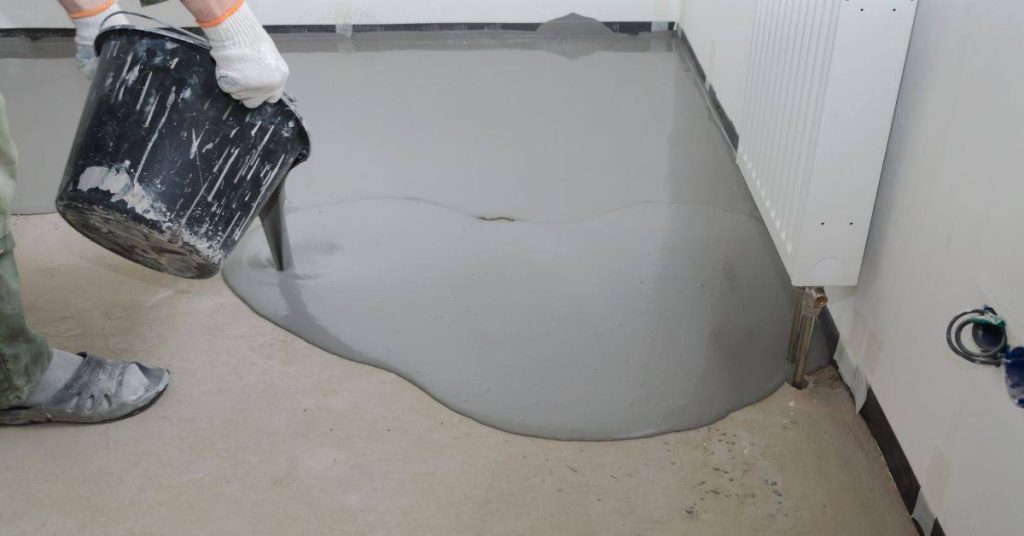
person pouring wet concrete on floor near radiator

Self-Healing Concrete Additives: What’s Real, What’s Marketing, and DIY Alternatives

Introduction Self-healing concrete is concrete that can seal small cracks on its own after curing. In practice, it uses embedded additives or microcapsules that release healing agents when cracks form. How well it works depends on your mix, curing conditions, and the product instructions you follow, so always read labels and follow manufacturer guidance. Self-healing

Self-Healing Concrete Additives: What’s Real, What’s Marketing, and DIY Alternatives Read More »

Concrete wall surface with visible cracking and peeling

Silica Fume for Thin Concrete Sections: How to Use It Without Cracking

Introduction Silica fume is a fine supplementary cementitious material that helps reduce cracking in thin concrete sections. In plain terms, it boosts the concrete mix by refining the pore structure and tightening the finish. It’s something you mix in with cement and water per manufacturer instructions. For DIY work, think of it as a tool

Silica Fume for Thin Concrete Sections: How to Use It Without Cracking Read More »