Search Results for: concrete cut off saw blade guard

Worker in safety helmet holding drill near wall

FRP Rebar: Cutting, Drilling, Cover Requirements, and Bending Limits (DIY Guide)

Introduction FRP rebar is a non-metallic reinforcement made from fiber-reinforced polymer designed to reinforce concrete. It’s lightweight, corrosion resistant, and behaves differently from steel, so plan accordingly. If you’re unsure, check the manufacturer guidance and local rules before sizing or choosing it. Cutting and drilling FRP rebar requires specific tools and care; don’t treat it […]

FRP Rebar: Cutting, Drilling, Cover Requirements, and Bending Limits (DIY Guide) Read More »

Concrete surface showing pitting and rough patches

Fixing Concrete Surface Pop-Offs From Rusty Wire: Root-Cause Repair and Stain Blocking

Introduction Concrete surface pop-offs from rusty wire are spots where embedded wire corrodes and the surface flakes away. This happens when rust pushes on the cement and creates loose, powdery patches. The key is identifying the rust source and planning a safe repair path that restores the finish. First, expose the area, remove loose material,

Fixing Concrete Surface Pop-Offs From Rusty Wire: Root-Cause Repair and Stain Blocking Read More »

Worker smoothing stucco on wall with hawk tool

Removing Loose Stucco Safely: Dust Control, Cut Lines, and How to Protect the WRB

Introduction Removing loose stucco safely means knocking out and replacing only the failing material while keeping dust off you and your house and protecting the weather-resistive barrier behind it. Start by finding the delaminated areas with a tap test and visual checks, then plan cuts and containment before you touch the wall. Use dust control

Removing Loose Stucco Safely: Dust Control, Cut Lines, and How to Protect the WRB Read More »

cutting concrete board with small knife and yellow level

Concrete Joint Layout Around Columns and Corners: Cutting Random Cracks Off at the Pass

Introduction Concrete joint layout around columns and corners is the planned pattern of control joints and cuts that guide where concrete cracks, keeping them neat and out of the way of structural elements. In plain jobsite terms, it means thinking through where joints go before you pour so columns and corners aren’t left with random,

Concrete Joint Layout Around Columns and Corners: Cutting Random Cracks Off at the Pass Read More »

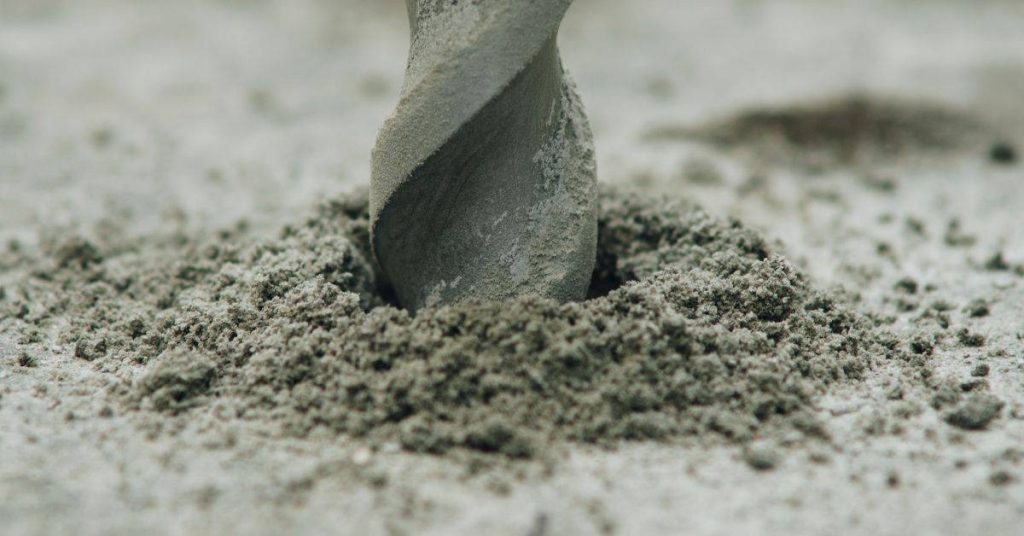
Close up of drill bit penetrating concrete surface with dust

How to Score and Snap Small Concrete Pavers Safely: Tools, Dust Control, and Break Lines

Introduction Scoring and snapping small concrete pavers means making a shallow cut along a planned break line and then applying controlled force to split the piece along that groove. This is a hands-on DIY method for straight, small cuts without a wet saw when pavers are brittle enough to break cleanly. Before you start, check

How to Score and Snap Small Concrete Pavers Safely: Tools, Dust Control, and Break Lines Read More »

Close-up of concrete floor grinding machine in use

Grinding vs Scarifying for Concrete Prep: Choosing the Right Texture for Coatings

Introduction Grinding means removing surface material with rotating diamond wheels to smooth or level concrete, while scarifying uses a drum of carbide cutters to aggressively cut grooves and remove heavy coatings; pick grinding for light profiling and scarifying for fast, deep removal. This is a practical, hands-on choice: think about how much material you must

Grinding vs Scarifying for Concrete Prep: Choosing the Right Texture for Coatings Read More »

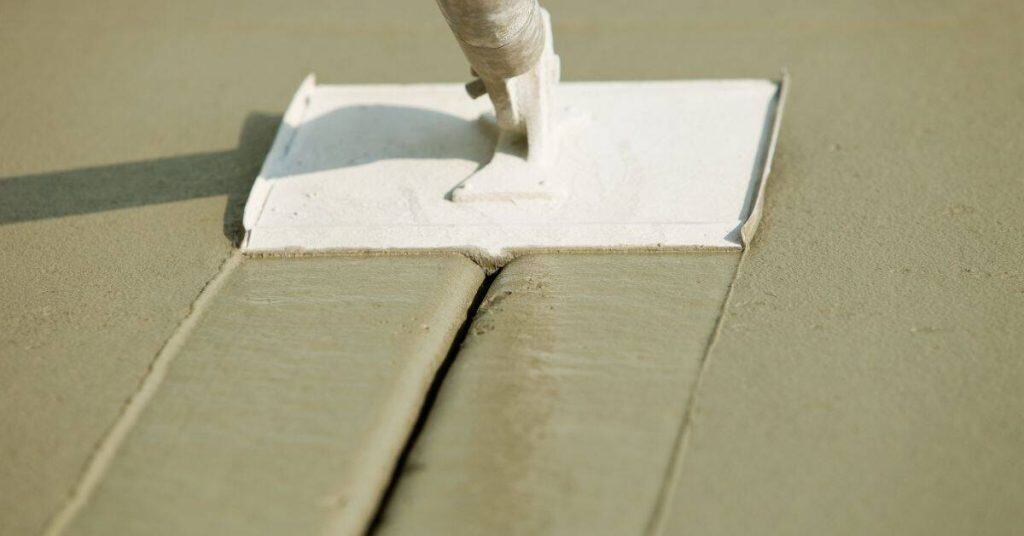
Concrete finishing tool smoothing joint line in wet concrete

Concrete Joint Failures Explained: What Goes Wrong When Control Joints Are Missing, Too Shallow, or Cut Too Late

Introduction Concrete joint failures happen when control joints are missing, too shallow, or cut too late, allowing random cracking and edge spalling instead of directing where the slab will split. In plain jobsite terms: if you don’t plan joint locations, don’t cut them deep enough, or wait too long, the slab will crack where it

Concrete Joint Failures Explained: What Goes Wrong When Control Joints Are Missing, Too Shallow, or Cut Too Late Read More »

Angle grinder with diamond blade on concrete edge and grass

Soft-Edge vs Sharp-Edge Arrises on Concrete: A Step-by-Step Timeline for Durability and Clean Lines

Introduction The choice between soft-edge and sharp-edge arrises on concrete depends not only on aesthetics but also on the time you’re willing to invest in the project. Understanding the timeline for each edge type is crucial for planning your construction schedule. In this guide, we’ll walk you through a step-by-step timeline for creating both soft-edge

Soft-Edge vs Sharp-Edge Arrises on Concrete: A Step-by-Step Timeline for Durability and Clean Lines Read More »

Concrete wall surface showing peeling and spalling damage

Concrete Spalling at Reentrant Corners: Cutting Relief Joints – A Step-by-Step Timeline

Introduction Tackling concrete spalling at reentrant corners can seem daunting, but with a clear plan and understanding of the timeline, you’ll find it’s a manageable DIY project. This step-by-step guide walks you through cutting relief joints to stop repeat damage, focusing on how long each stage takes. From initial inspection to final sealing, we’ve broken

Concrete Spalling at Reentrant Corners: Cutting Relief Joints – A Step-by-Step Timeline Read More »

Worker applying plaster with trowel on wall corner

Plaster Over Painted Concrete Block: Bonding Agent Choices and Keying Techniques

Introduction Plaster over painted concrete block means applying plaster to a surface that has paint, using a bonding agent and surface keying to make the plaster stick. You’ll want a bonding agent that’s compatible with both the paint and the plaster mix you plan to use. Keying techniques involve scuffing or abrading the paint and

Plaster Over Painted Concrete Block: Bonding Agent Choices and Keying Techniques Read More »