Search Results for: concrete chip repair

Drywall seams patched and primed on interior walls with ladder

Roman Clay Seams: Preventing lines and patch boundaries on big walls

Introduction Roman clay seams are a wall finish technique that helps hide lines and patch boundaries on large walls. This is a hands-on approach you can tackle without fancy gear, focusing on even application and blending. Start with a small test area to understand how the material behaves and to set your expectations for the […]

Roman Clay Seams: Preventing lines and patch boundaries on big walls Read More »

Hand applying gray stucco to exterior wall with trowel

New Stucco Over Old Stucco: When it’s safe and how to prep properly

Introduction Yes—new stucco can go over old stucco when the base is sound. Look for cracks, loose sections, and obvious moisture problems and address them. Ask about local rules and follow manufacturer instructions for the products you choose. Prepare the surface by cleaning, repairing loose areas, and ensuring a stable bond. Prime as directed and

New Stucco Over Old Stucco: When it’s safe and how to prep properly Read More »

Exterior stucco wall with multiple windows under clear sky

Cracks Around Stucco Windows: Why they form and how to fix them correctly

Introduction Cracks around stucco windows are caused by movement at the window opening and the surrounding stucco not moving the same way. Settling, temperature swings, and flashing or moisture issues are common culprits to look for. Note whether the crack runs along the frame, at corners, or where trim meets stucco to guide your fix.

Cracks Around Stucco Windows: Why they form and how to fix them correctly Read More »

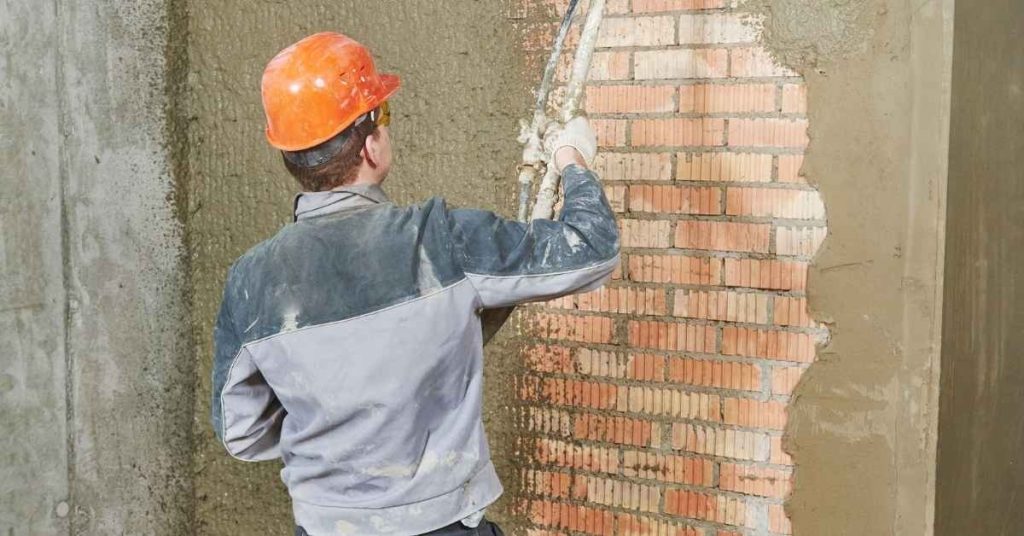
Worker applying stucco to brick wall wearing orange helmet

Rain Exposure on Fresh Stucco: What to do if it gets wet too soon

Introduction Wet stucco early can trap moisture and lead to a softer, compromised surface. If rain hits fresh stucco, you should assess the surface for shine, tackiness, or any cracking. Do not rush to finish or apply additional coats until you understand the current condition and what the material needs. If rain is still possible,

Rain Exposure on Fresh Stucco: What to do if it gets wet too soon Read More »

Person smoothing plaster on ceiling with trowel

Recurring Plaster Cracks: Hidden causes and reinforcement that helps

Introduction Recurring plaster cracks are cracks that keep coming back after repairs due to underlying movement or moisture. This article explains practical, hands-on steps you can take to stop the cycle. We’ll look at common hidden causes and simple reinforcement ideas you can try. Check your wall conditions and proceed with care to avoid making

Recurring Plaster Cracks: Hidden causes and reinforcement that helps Read More »

Worker applying plaster to ceiling with trowel

Plaster Ceiling Patches: Avoiding sagging spots and visible seams

Introduction Plaster ceiling patches are repairs that restore a smooth, level ceiling surface after damage. This quick, hands-on guide walks you through patching without creating sagging spots or visible seams. You’ll assess the damage, prep the surface, mix patch material to the right consistency, and feather the edges for a seamless look. Begin by removing

Plaster Ceiling Patches: Avoiding sagging spots and visible seams Read More »

Blue ladder in room with patched plaster walls

Baseboard Removal on Plaster: Patching without ripping out keys

Introduction Baseboard removal on plaster means carefully taking off the trim without damaging the plaster or its backing keys. It’s a hands-on task that requires gentle prying, small cuts with a utility knife, and patience. Plan to protect the wall surface and reuse or replace the trim as needed. Patching after removal focuses on backfilling

Baseboard Removal on Plaster: Patching without ripping out keys Read More »

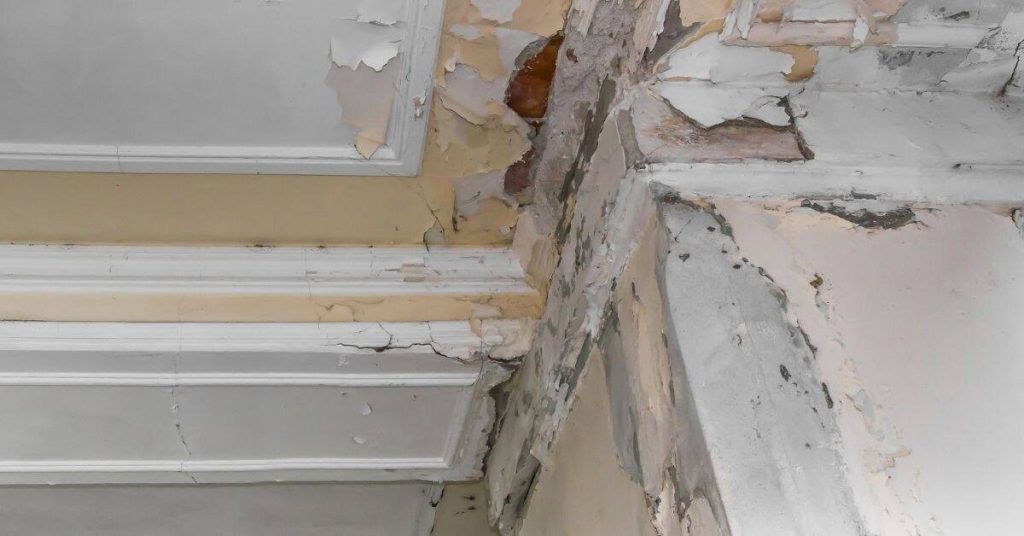
Close-up of cracked and peeling plaster ceiling with crown molding

Water-Damaged Plaster: What to remove, what to dry, and what to rebuild

Introduction Water-damaged plaster needs to be removed, dried, and rebuilt in a practical, step-by-step way. You’ll determine what to remove, what to dry, and what to replace based on how far the damage has spread. This article keeps the tone hands-on and avoids fluffy theory. Start by inspecting the area to judge how much material

Water-Damaged Plaster: What to remove, what to dry, and what to rebuild Read More »

Worker smoothing plaster on wall with trowel

Tadelakt Maintenance: Keeping water resistance without constant rework

Introduction Tadelakt maintenance is the ongoing care of a lime plaster finish to preserve water resistance. It relies on keeping the surface clean, timely repairs, and periodic re-waxing or sealing as needed. If you notice water infiltration or dull spots, check the product labels and follow the manufacturer guidance. In practice, you can spot-treat small

Tadelakt Maintenance: Keeping water resistance without constant rework Read More »