Search Results for: concrete chip repair

Stamped concrete patio with curved soft edges and garden bed

Soft-Edge vs Sharp-Edge Arrises on Concrete: How to Tool for Durability and Clean Lines

Introduction Soft-edge arrises are rounded or slightly chamfered corners on concrete that reduce chipping, while sharp-edge arrises are crisp 90-degree edges that give a clean look but can be more vulnerable to damage; choose the edge type based on the use and expected wear. For DIY work this means prepping your forms, selecting the right […]

Soft-Edge vs Sharp-Edge Arrises on Concrete: How to Tool for Durability and Clean Lines Read More »
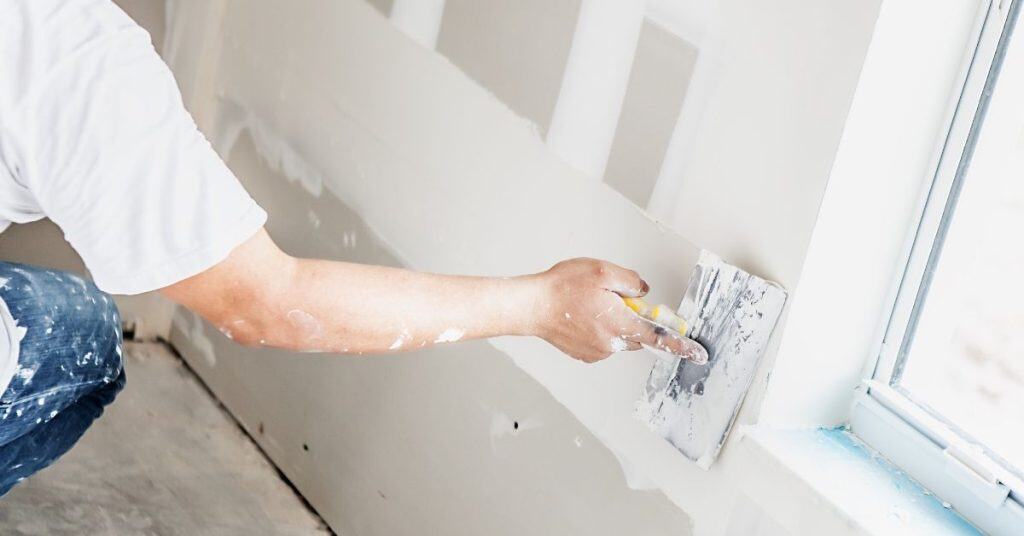
Person applying drywall joint compound near window

Choosing Plaster vs Joint Compound for Repairs: Durability, Sanding, and Paint Finish Differences

Introduction Plaster is a harder-setting wall finish made from cement- or gypsum-based mixes, while joint compound is a softer, gypsum-based product meant for taping and small repairs. For DIYers that means plaster will hold up better in high-traffic areas and where impact resistance matters, and joint compound is easier to apply and feather for small

Choosing Plaster vs Joint Compound for Repairs: Durability, Sanding, and Paint Finish Differences Read More »

Angle grinder with diamond blade on concrete edge and grass

Soft-Edge vs Sharp-Edge Arrises on Concrete: A Step-by-Step Timeline for Durability and Clean Lines

Introduction The choice between soft-edge and sharp-edge arrises on concrete depends not only on aesthetics but also on the time you’re willing to invest in the project. Understanding the timeline for each edge type is crucial for planning your construction schedule. In this guide, we’ll walk you through a step-by-step timeline for creating both soft-edge

Soft-Edge vs Sharp-Edge Arrises on Concrete: A Step-by-Step Timeline for Durability and Clean Lines Read More »

Wooden concrete formwork with soil inside and wooden braces

Concrete Formwork for Curves: Timeline and Steps by Time

Introduction The process of creating concrete formwork for curves involves careful planning, preparation, and execution. Understanding the timeline and steps involved can help you manage your project more efficiently. In this guide, we’ll break down the process into clear, time-specific stages to ensure you stay on track and complete your curved concrete forms successfully. For

Concrete Formwork for Curves: Timeline and Steps by Time Read More »

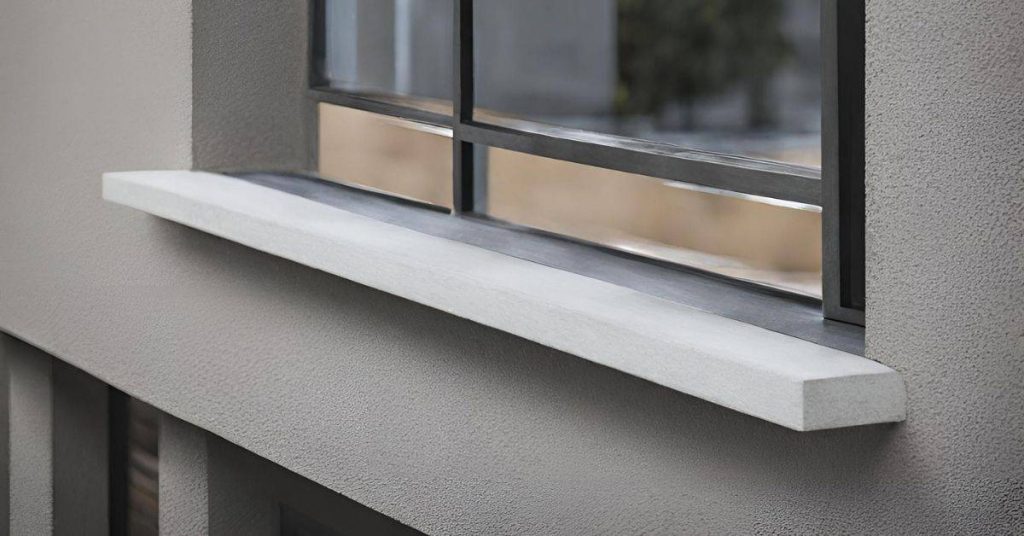
Smooth sandblasted concrete window sill beneath glass window

How to Match a Sandblasted Concrete Finish in a Small Repair

Introduction Matching a sandblasted concrete finish in a small repair means removing the same surface layer and recreating the texture and color so the patch blends with the surrounding slab. This requires cleaning and profiling the repair area, choosing a compatible repair mortar or topping, and using a light abrasive technique to mimic the sandblasted

How to Match a Sandblasted Concrete Finish in a Small Repair Read More »

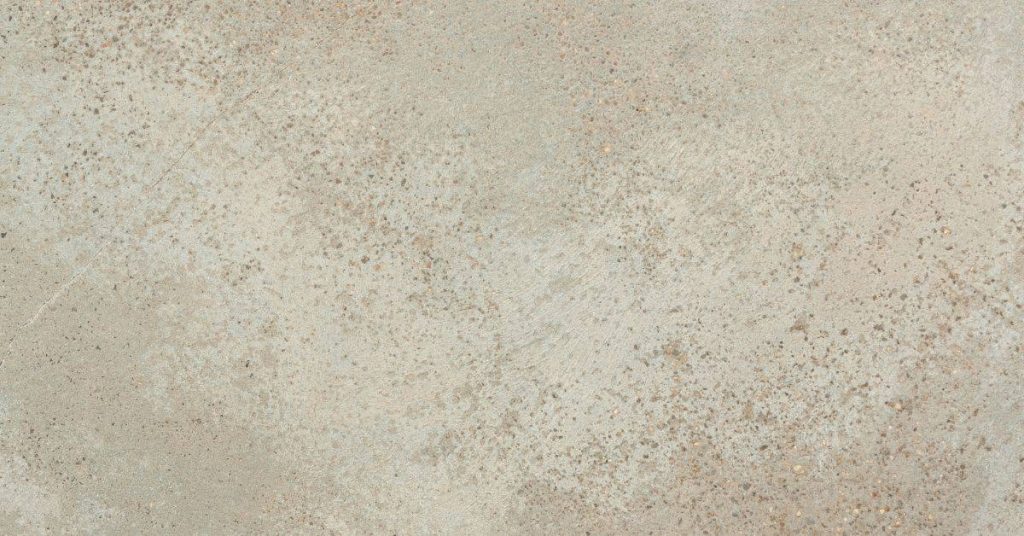
Close-up view of crushed concrete aggregate stones

Exposed Aggregate Repairs: Re-Exposing Stone Without Washing Out the Patch

Introduction Exposed aggregate repairs that re-expose stone without washing out the patch means removing the surface paste down to the original aggregate so the patch blends with the surrounding concrete. It’s a hands-on process using mechanical abrasion and careful material matching rather than scrubbing with water until the new paste disappears. Check product labels and

Exposed Aggregate Repairs: Re-Exposing Stone Without Washing Out the Patch Read More »

closeup of textured concrete surface with salt finish

Concrete Salt Finish Patching: How to Recreate the Texture Without Obvious Islands

Introduction Concrete salt finish patching is a way to match the coarse, pocked texture of an existing salt finish by embedding and removing salt or an aggregate substitute so the repair blends in. This job is hands-on: you clean and profile the old concrete, feather the repair edges, and match the mix and timing so

Concrete Salt Finish Patching: How to Recreate the Texture Without Obvious Islands Read More »

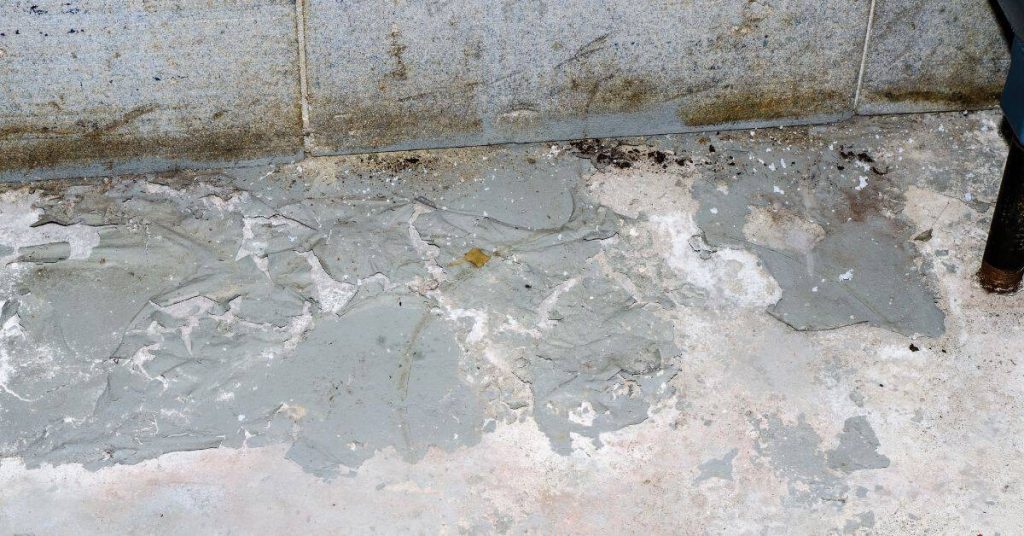
Concrete surface with peeling and scaling damage

Concrete Scaling From De-Icers: Diagnosing Salt Damage and Resetting the Surface

Introduction Concrete scaling from de-icers is surface flaking and loss of the concrete paste caused or accelerated by salt exposure and freeze-thaw action. I’ll walk you through how to spot salt damage, what causes it, and practical ways to reset the surface so your slab is safe and serviceable again. This is written for a

Concrete Scaling From De-Icers: Diagnosing Salt Damage and Resetting the Surface Read More »

Concrete slab being smoothed with a screed tool

Repairing a Concrete Slab with Map Cracking: When to Overlay vs When to Remove

Introduction Map cracking on a concrete slab is a network of shallow, random surface cracks that often signal surface distress rather than full structural failure, and deciding whether to overlay or remove depends on the depth, movement, and underlying cause. If the cracks are shallow, the slab is stable, and there is no significant settlement

Repairing a Concrete Slab with Map Cracking: When to Overlay vs When to Remove Read More »

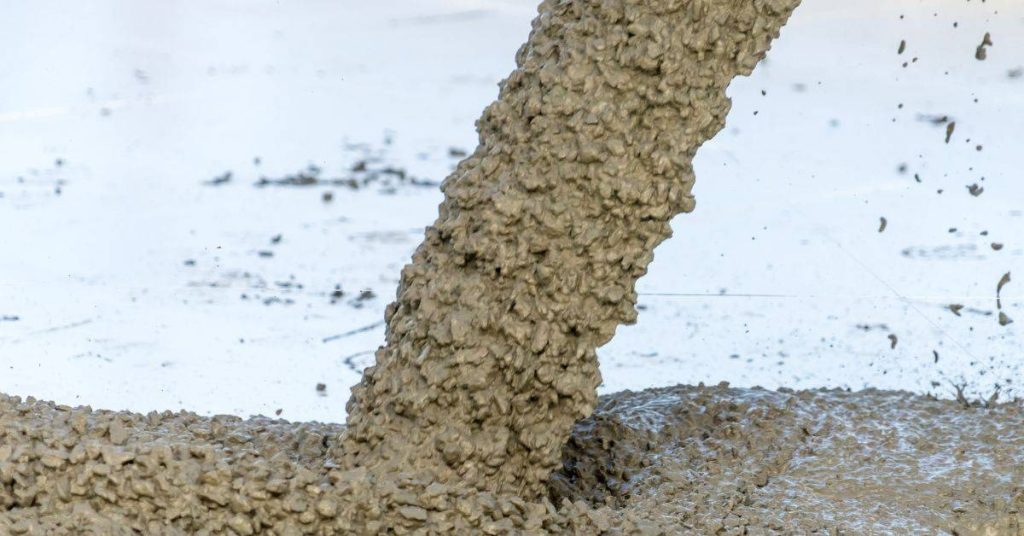
Wet concrete being poured onto a flat surface

Pouring Concrete Against Existing Asphalt: Joint Detail That Prevents Edge Break

Introduction Pouring concrete against existing asphalt requires a proper joint detail that keeps the concrete edge from chipping and lets the two materials move independently. In plain terms: create a clean separation with a compressible filler and a small gap so freeze‑thaw, traffic, or settling don’t break the concrete edge. Check product labels and local

Pouring Concrete Against Existing Asphalt: Joint Detail That Prevents Edge Break Read More »