Search Results for: cleaning mortar

Close up of concrete underpinning with mortar repair on foundation

Bond Strength of Repair Mortars: Why Pull-Off Beats “It Feels Solid”

Introduction Bond strength in repair mortars is how well the new mix sticks to the old surface. A strong bond matters more than it feels solid to the touch. I note things like the surface prep, moisture, and mix consistency as practical clues. Pull-off tests give a more explicit check than simply pressing on something. […]

Bond Strength of Repair Mortars: Why Pull-Off Beats “It Feels Solid” Read More »

Hands holding color swatch fan with various brown and yellow tones

How to Match Mortar Color: Sand Selection, Pigments, and Test Panels

Introduction Matching mortar color means picking the right sand, pigments, and a test panel to compare with the target shade. The goal is to balance color from the sand and any added pigment so the mix looks consistent with surrounding joints. Do not rely on guesswork—check product labels and manufacturer guidance for compatibility. Start by

How to Match Mortar Color: Sand Selection, Pigments, and Test Panels Read More »

Closeup of red brick wall with mortar joints

Type N vs Type S Mortar: Which One to Use for Block, Brick, and Stone

Introduction Type N mortar is a medium-strength masonry mix used for general-purpose joints. It balances workability with enough strength for blocks, bricks, and stone in typical home projects. Check the product label and local requirements to confirm it fits your wall type and curing needs. Type S mortar is a higher-strength option that resists higher

Type N vs Type S Mortar: Which One to Use for Block, Brick, and Stone Read More »

Bucket with mortar mixing paddle and hand tools inside

Grout vs Mortar vs Thinset: Picking the Right Material for Each Job

Introduction Grout, mortar, and thinset are three distinct masonry materials used for different jobs: grout fills gaps between tiles, mortar binds bricks or blocks, and thinset is a cement-based adhesive for setting tiles. In DIY work, choose based on whether you need bonding, filling, or leveling, and adjust for indoor vs outdoor use. Standard blends

Grout vs Mortar vs Thinset: Picking the Right Material for Each Job Read More »

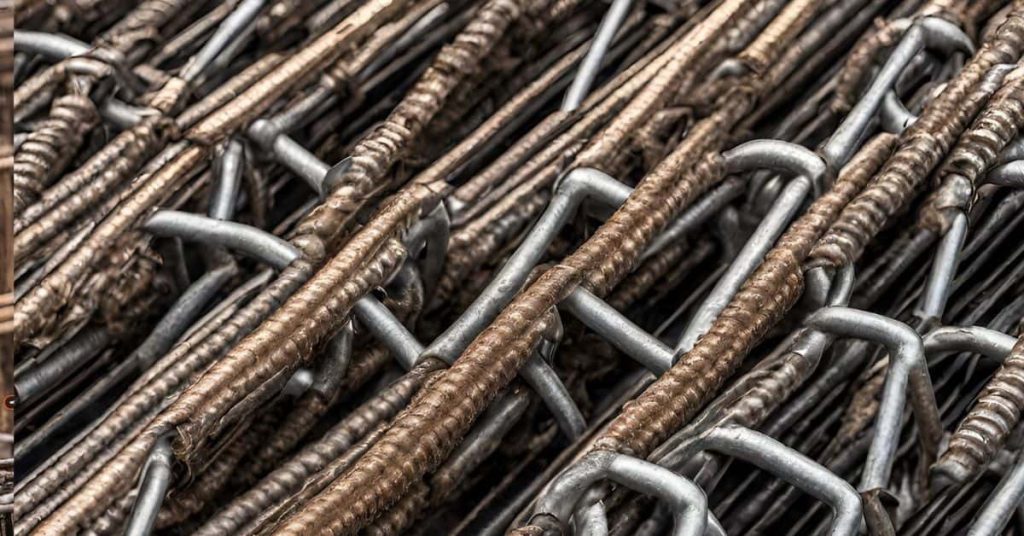
Close-up of galvanized steel rebar bundles tied with metal wires

Galvanized Rebar: Pros, Cons, and Compatibility with Repair Mortars

Introduction Galvanized rebar is steel reinforcing bar coated with zinc to resist rust. In DIY projects, that coating matters for longevity in moist concrete, but you still need to follow local rules and manufacturer guidance. When you’re tying it into repair work, consider how the galvanized surface will interact with repair mortars and what to

Galvanized Rebar: Pros, Cons, and Compatibility with Repair Mortars Read More »

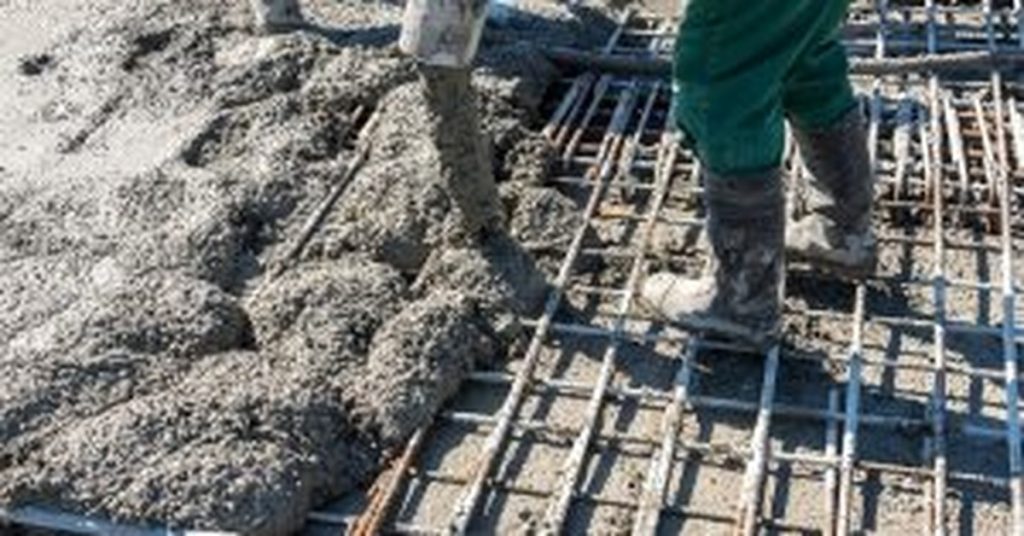
Worker pouring concrete over exposed rebar grid

Concrete Spall Repair with Rebar Exposure: Cleaning, Passivation, and Patch Build-Up

Introduction Concrete spall repair with rebar exposure means removing loose concrete, cleaning and protecting any exposed steel, and rebuilding the patch so the surface is sound and bonded. In DIY terms that means chipping out unsound material, getting the rebar clean and passivated, and building the repair in layers so it cures properly. Check product

Concrete Spall Repair with Rebar Exposure: Cleaning, Passivation, and Patch Build-Up Read More »

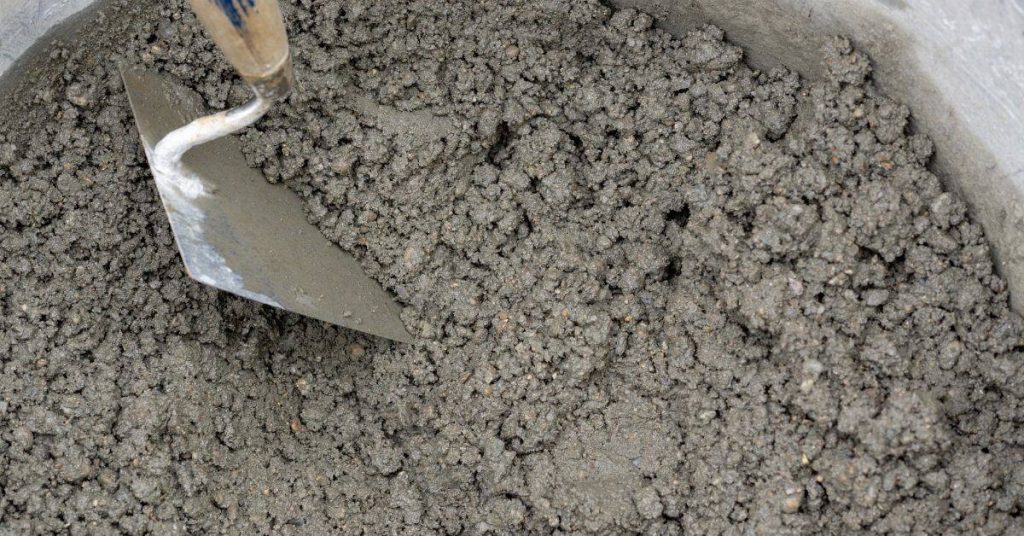
Close-up of wet mortar mix with a metal trowel in bucket

Rain Hit Your Fresh Mortar? Protection Steps, Damage Checks, and When You Need to Redo the Joint

Introduction Rain on fresh mortar can range from a minor nuisance to a ruinous washout depending on how soft the joint was and how long it was exposed, so act fast to protect and assess it. Cover undisturbed mortar with a breathable tarp or plastic supported off the joint until it firms, and check product

Rain Hit Your Fresh Mortar? Protection Steps, Damage Checks, and When You Need to Redo the Joint Read More »

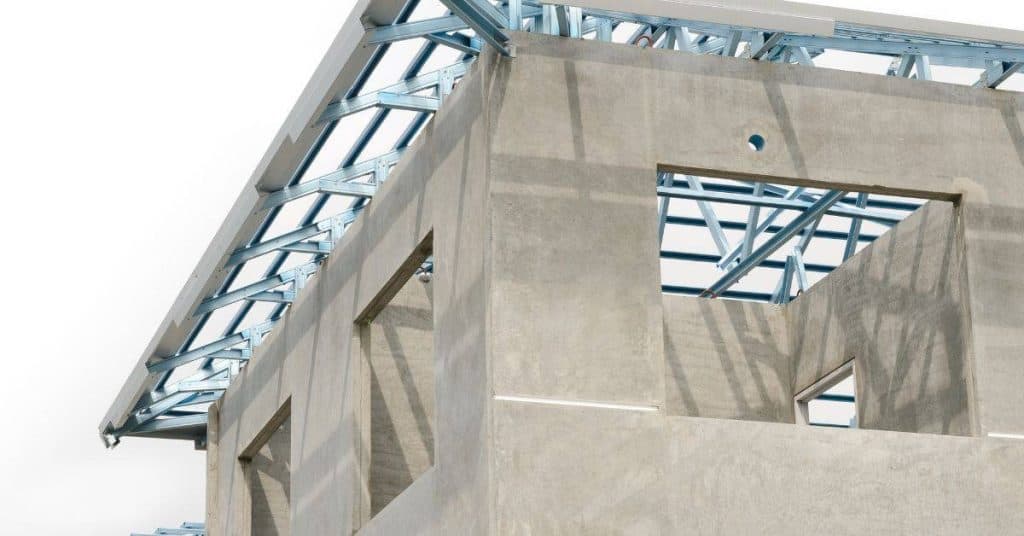
Precast concrete wall panels with metal roof framing

Interior Concrete Wall Efflorescence: Cleaning Without Driving Salts Deeper

Introduction Efflorescence is the chalky salt stain that forms on interior concrete walls when water carries soluble salts to the surface. It’s a surface phenomenon, not a stain from dirt, and it can reappear if moisture keeps moving through the wall. To clean it without driving salts deeper, use a light touch, rinse thoroughly, and

Interior Concrete Wall Efflorescence: Cleaning Without Driving Salts Deeper Read More »

Interlocking permeable paver blocks with open joints and gravel fill.

Concrete Paver ‘Rocking’ Fix on Sand: When to Regrade vs. Switch to Mortar

Introduction A rocking concrete paver on sand happens when the base shifts and the paver isn’t bedded level. You’ll usually see movement when a surface feels wobbly or shows gaps around edges. This article helps you decide whether to regrade the base or switch to mortar in a simple, hands-on way. To identify the problem,

Concrete Paver ‘Rocking’ Fix on Sand: When to Regrade vs. Switch to Mortar Read More »